How Much More Does It Cost to Ship a Car That Doesn’t Run? What Our Bookings Show
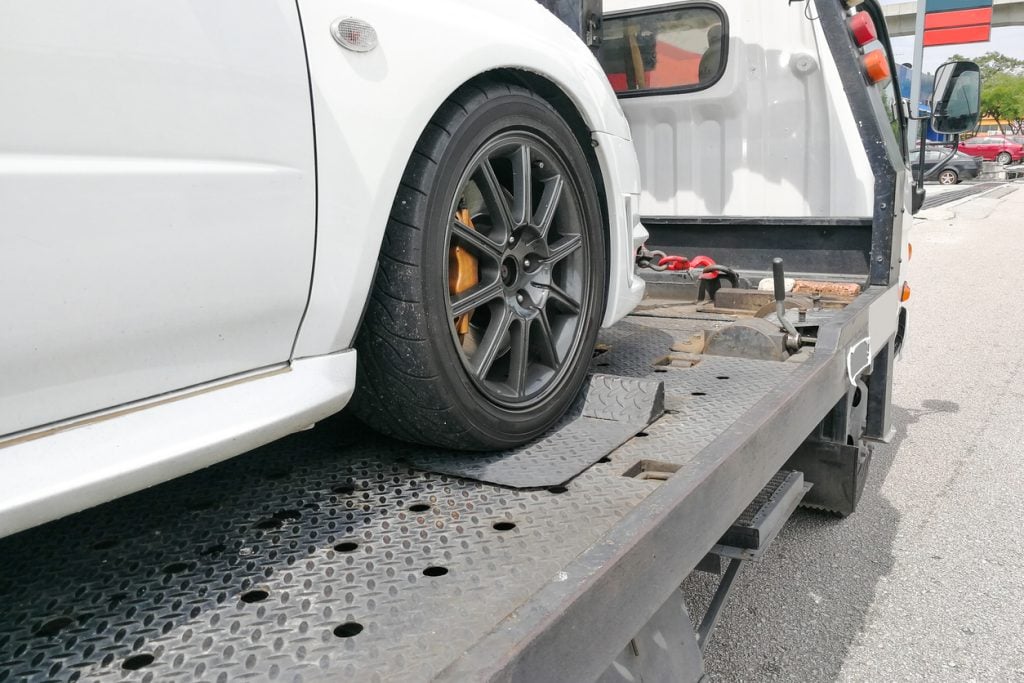
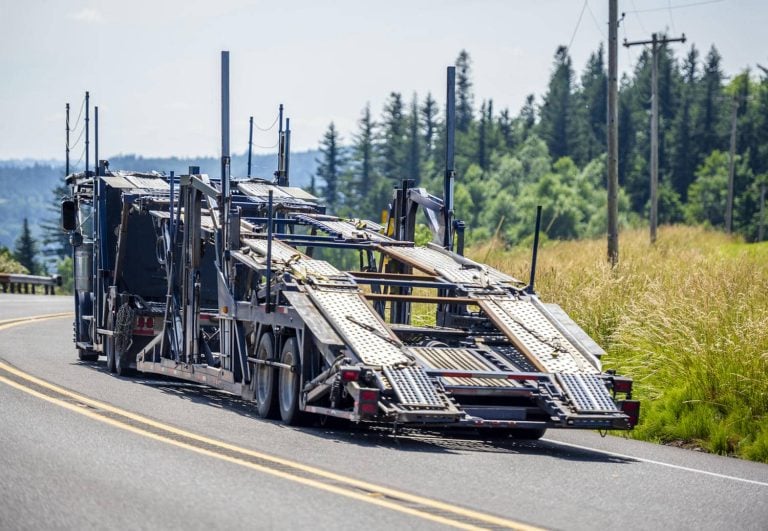
A car that does not run typically costs about $125 more to ship than a running car on the same kind of trip, and it waits longer for a truck.
Select category
The answers most readers come for, in one place: what it costs, how the move works, how to pick a company, and what changes by vehicle or route.
A car that does not run typically costs about $125 more to ship than a running car on the same kind of trip, and it waits longer for a truck.

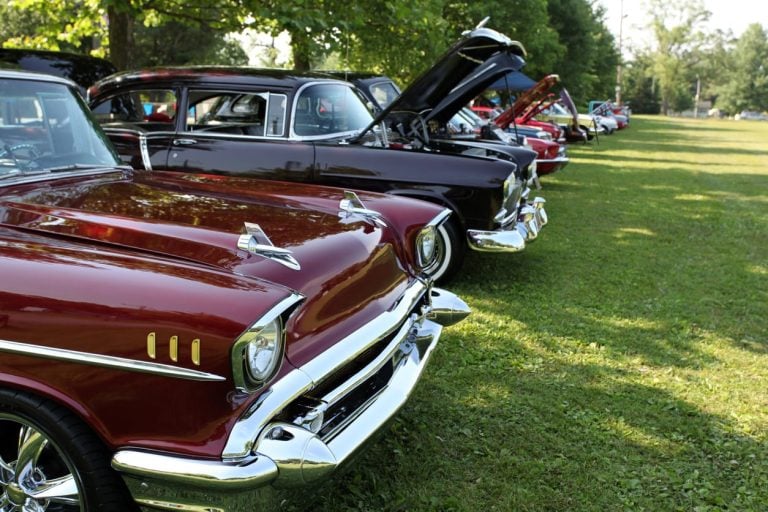
A classic built in 1985 or earlier costs about a tenth more per mile than a modern car on an open trailer, the same enclosed, and about two in five ride enclosed.

Booking early buys certainty, not a discount. Book about two weeks ahead and most cars have a truck by the day they are ready; book the same day and half do. Straight from our own recent bookings.

For most Northeast snowbird couples, driving to Florida is cheaper than shipping: about $1,200 a season. Where shipping still wins, and why the trip home in spring costs about a third more, from our own booking records.

On cash alone, shipping a car beats driving it past about 2,000 miles. Count the workdays a long drive eats and it wins from about 550. Real prices from our bookings in the year to August 2026 against today’s gas, hotels and meals.

The premium is about a third, not double. One car in seven now rides enclosed, there is no enclosed season, and the No. 1 car in the box is the Corvette: straight from our own booking records.

The busiest lane in our book is not on I-95, it crosses an ocean. The corridors that carry American car shipping, what the middle of the market pays on each, and the direction discounts hiding in plain sight.

February runs about a tenth below a typical month and June about an eighth above: the month-by-month price calendar from our own booking records, and the mechanics behind every swing.

The fall exodus gets the headlines, but the spring return is the real crunch. Where snowbirds actually land, when they really move, and how late they book, straight from our own dispatch records.

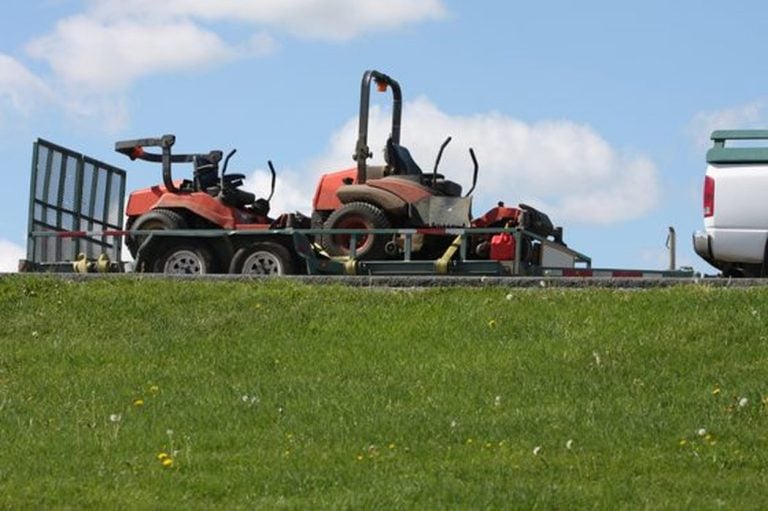
Push, riding, zero-turn or commercial: four different shipments with four price logics. What actually drives mower freight costs, when shipping beats replacing, and how to prep a machine for the trailer.

A handful of builders produce most of the iron working American ground. Who builds what and where (the majors, the forgotten American factories of foreign brands, the specialists) and how farm equipment actually moves when the right machine is three states away.

Every mainland family moving to Hawaii hits the same fork: ship the car or sell it and rebuy on the island. The honest decision framework: island price premiums, the rust and gas reality, financed-car rules, and the two-car split most families land on.

The right used food truck is almost never local. How smart buyers inspect a rolling kitchen, pay safely at a distance, clear their county health rules first, and get the truck home without betting the opening date on a thousand-mile drive.

Two giants, an electric wave, and hand-built machines from Indiana to California. The real list of American motorcycle brands, what built-in-America actually means, and the practical side of buying one at a distance.

The requirement that a commercial driver read and speak English well enough to do the job is not new. What changed is that violations again stop the truck.