How to Ship a Pallet
A pallet is priced on density rather than on weight, which is why packing the same goods tighter genuinely costs less. Length times width times height in inches, divided by 1,728, gives cubic feet; the weight divided by that gives pounds per cubic foot. That figure drives the freight class, and the freight class drives the rate. Everything else on this page is either how to get that number right or how to make the pallet survive the trip.
Standard Sizes, and Why They Matter
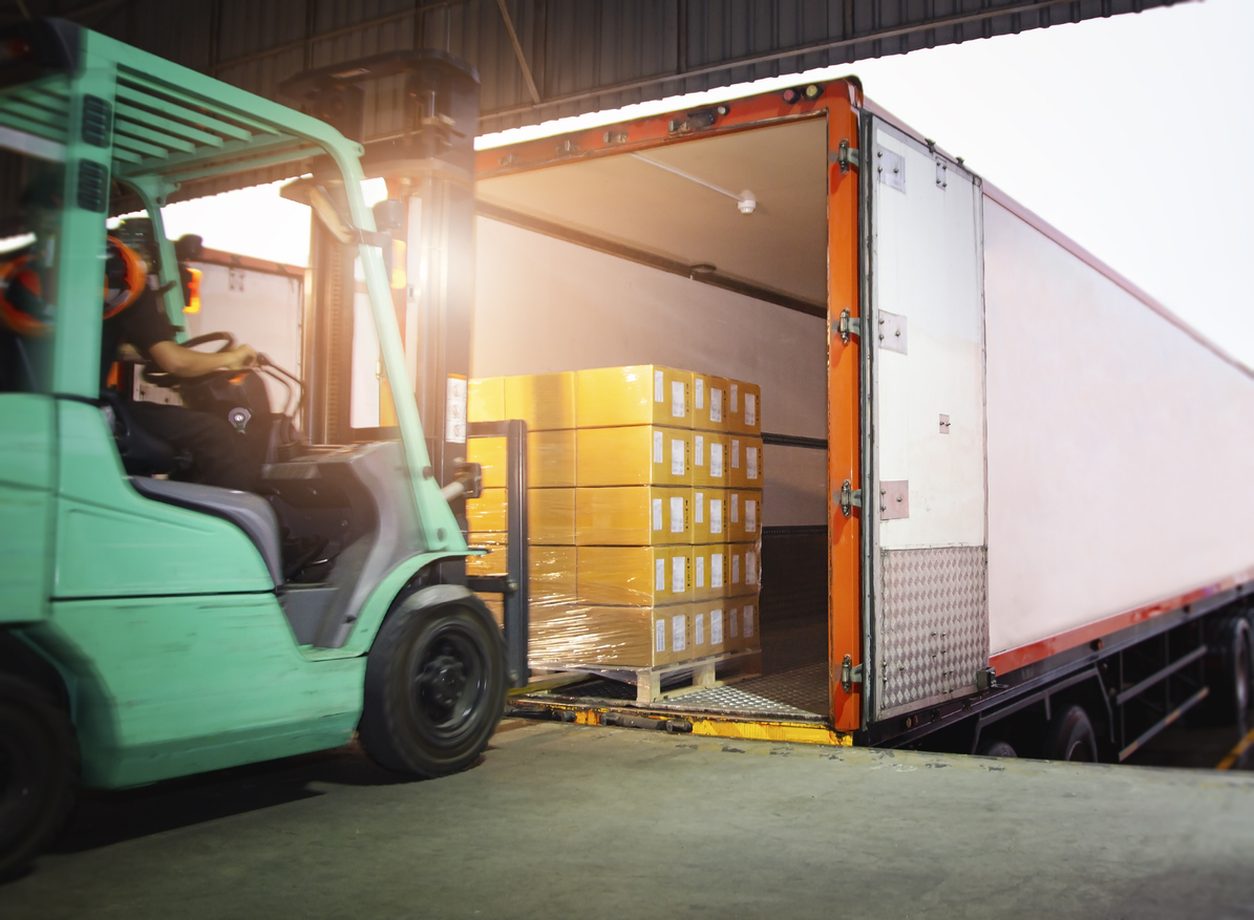
The standard North American pallet is 48 by 40 inches, and using it is worth more than it sounds.
Trailers, dock equipment and warehouse racking are all built around that footprint, so a standard pallet handles predictably at every terminal it passes through. A non standard pallet does not stack with its neighbors, takes more room than its dimensions suggest, and gets handled more roughly because it does not fit the equipment.
Check the pallet itself before you use it. Broken deck boards, split stringers and protruding nails are the reasons a pallet fails mid journey, and a failed pallet in a terminal is a damaged shipment.
Build It Square
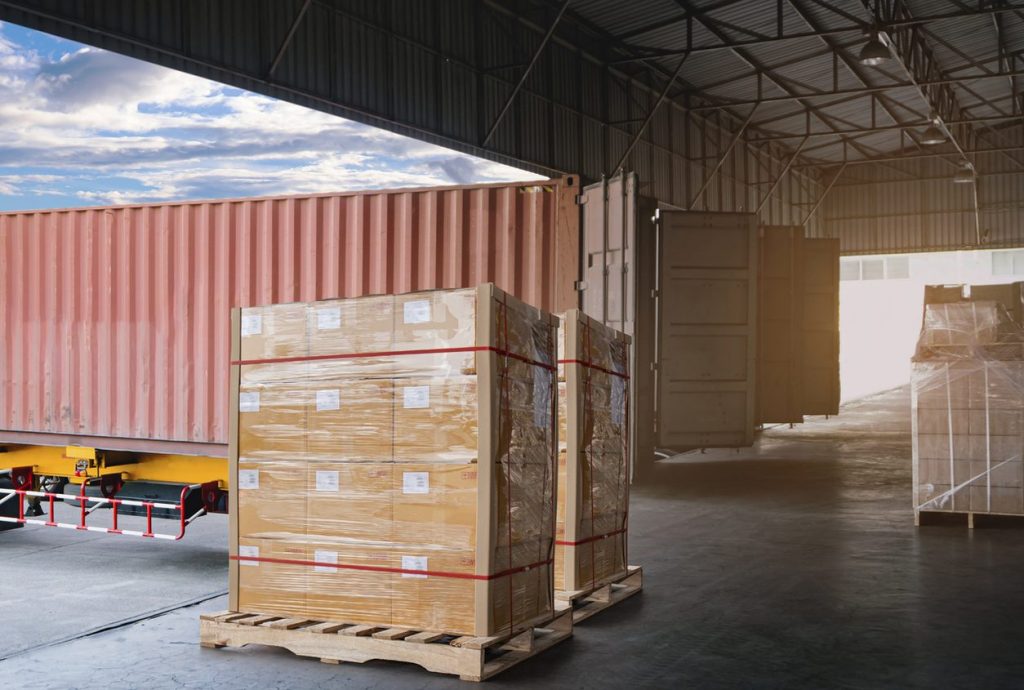
The goal is a stable cube that a forklift can pick from any side and that other freight can be stacked against.
Stack heavy items on the bottom and lighter ones on top, keep everything within the pallet footprint, and interlock the boxes if the load allows it. Nothing should overhang the edges: overhang is what forklift tines catch, what neighboring freight crushes, and what adds to your measured dimensions without adding any weight.
Aim for a flat top. A pyramid shaped load cannot be stacked on, which means the carrier loses the space above it and prices accordingly.
Wrap and Band It
Stretch wrap holds the load together; it does not hold the load to the pallet unless you make it.
Start the wrap at the base and take several turns around the pallet itself before working up, so the goods are anchored to the deck rather than merely bundled. Then work up and back down, overlapping each pass by about half its width, and finish with more turns at the top.
Add banding or strapping for heavy or tall loads, and corner boards where the strap could cut into the goods. For anything fragile, valuable or awkwardly shaped, build a crate instead: a crate gives the carrier something square to handle and is often cheaper than the claim would be.
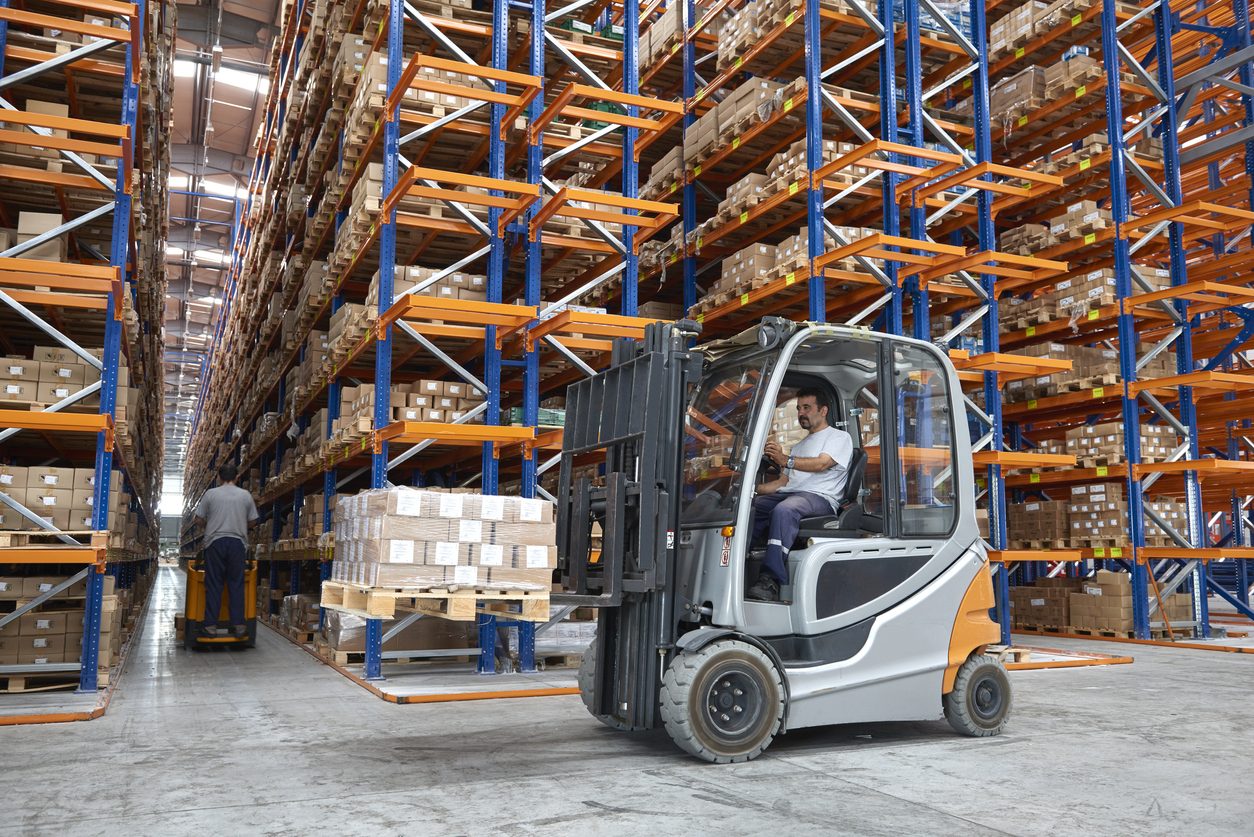
Measure and Weigh It Packed
Measure and weigh the pallet as it will actually ship, wrapped and complete, not from the product specification.
Include the pallet in both figures, and measure to the outermost point in every direction including any overhang you could not avoid. Carriers reweigh and reinspect, and a mismatch produces a reclassified invoice, usually upward and often with an inspection fee attached. That correction is one of the most common causes of an unexpected freight bill and it is entirely avoidable.
Our guide to freight class explains what the resulting density does to your rate and how to lower it.
Label It So It Cannot Be Separated
An LTL pallet is handled several times between origin and destination, and each handoff is a chance for it to lose its identity.
Put a label on at least two sides, not just the top, since a pallet in a stack has no visible top. Include the destination address, the contact and the bill of lading number. Attach a copy of the bill of lading to the pallet itself, and mark orientation clearly if the load has to stay a particular way up.
Freight separated from its paperwork in a terminal is genuinely difficult to reunite with it.
Declare the Accessorials
The base rate is rarely the final invoice, and the difference is nearly always services you did not mention.
A liftgate is needed at any end without a dock or a forklift. Residential delivery costs more than commercial. Inside delivery, limited access sites such as schools, farms, construction sites and storage facilities, and appointment delivery are all charged separately. Declare every one that applies when you get the quote, because discovered on the day they are added at a worse rate.
Common Questions
What size should the pallet be? 48 by 40 inches where possible. Standard sizes handle predictably at every terminal.
How is a pallet priced? On freight class, which is mostly density, plus distance and any accessorial services.
Can boxes overhang the pallet? They should not. Overhang gets caught and crushed, and it increases your measured dimensions.
Do I need a liftgate? If either end lacks a dock or forklift, yes. Declare it at quoting rather than at delivery.
Why did my invoice change? Usually a reweigh or reinspection. Measure and weigh the pallet wrapped and complete before you book.
Get a Quote
Call Ship A Car, Inc. at (866) 452-3657 for freight and specialized transport, with the pallet count, packed dimensions and weight, and whether either end needs a liftgate.