The Ultimate Guide to Collector Car Shipping
The collector car shipping essentials: enclosed transport, liftgate loading, soft straps at proper tie-down points, verified insurance, and documented inspections, plus when and what it costs.

Select category
The collector car shipping essentials: enclosed transport, liftgate loading, soft straps at proper tie-down points, verified insurance, and documented inspections, plus when and what it costs.

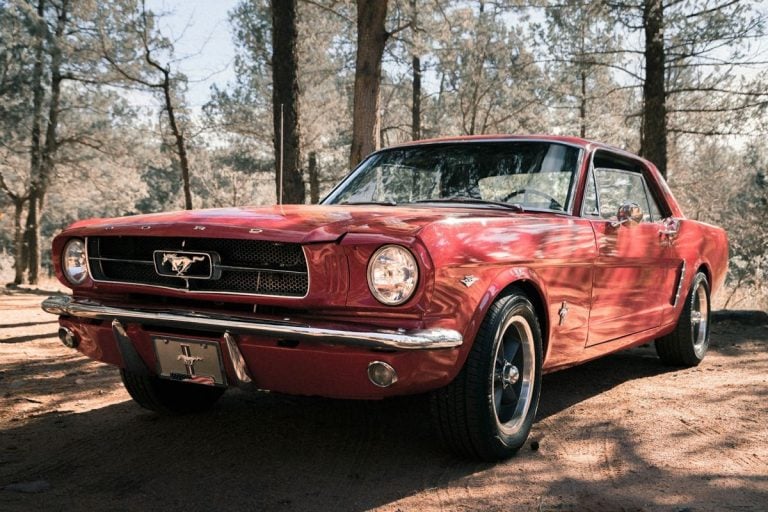
Shipping a classic car requires precision and care. Discover the safest methods, from enclosed transport to expert handling, with Ship A Car, Inc. Learn how we ensure secure classic car shipping for collectors, enthusiasts, and dealerships nationwide. Call (866) 821-4555 today for a quote!

We reveal how to optimize the charging system for classic cars with modern modifications like EFI and digital displays in our latest blog article. Discover why your classic needs a constant 12V supply and how the appropriate trickle charger may transform performance. We’ll teach you cable sizing and grounding to avoid electrical issues. Discover the right mix between technology and tradition to make your historic automobile run smoothly with contemporary amenities. Click to maximize your classic vehicle’s charging system, keeping it dependable and fun.

Standard cargo insurance pays what a vehicle is worth, not what you spent on it. For a restored car those are very different numbers.

Why classic car shipping demand keeps rising, and what owners should know about enclosed transport, loading, and insurance coverage.

Shipping a classic is not a harder version of shipping a normal car. Almost all of it happens before the truck arrives: how the car is described, how it is secured, and whether the insurance behind it matches what the car is worth.

British classics occupy a wonderful corner of American car culture: parts ship overnight, clubs are everywhere, and the cars cost less than almost any comparable classic. Here is the honest picture, sharp edges included.

What classic, antique, vintage and historic actually mean, why the definitions conflict, and how it affects insurance and transport.

A restoration project may not run, roll or steer, may be half-disassembled with its value in boxes, and the paperwork may be a bill of sale for something the state stopped registering decades ago. None of that stops it moving.

Shipping a classic is not a harder version of shipping an ordinary car. It is a different set of problems, and insurance is the first one.

A classic is not simply an expensive car. Clearance, an unpredictable drivetrain and irreplaceable parts are what change the job.

Auction houses give buyers days to clear a vehicle before storage charges start, and every other winning bidder is calling the same carriers that week.

A car that does not start is not a problem for a car hauler. A car that will not roll, steer or stop is a different job. Here is the distinction that decides the equipment, the carrier and the price.