Shipping an Enthusiast Car: Low Clearance, High Value, and Limited Production
The cars people care most about are the ones most likely to be damaged in transit, and almost always for the same three reasons: they sit too low, they are worth too much, or they cannot be replaced. Each of those needs a different thing from a carrier, and knowing which one applies to your car is most of the decision.
Ground Clearance Is the One That Causes Damage
This is the practical problem, and it is the one people underestimate.
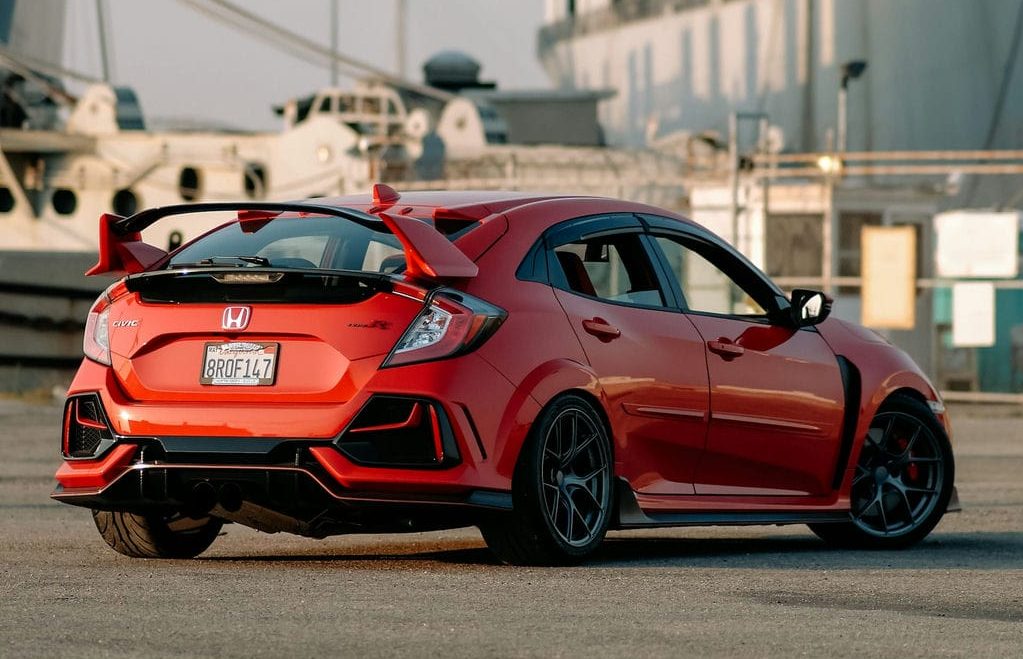
A standard car hauler ramp has an approach angle that a normal car clears without thinking about it. A car with four inches of clearance, a long front overhang and a splitter does not. The damage happens at the moment of loading, to the front lip, the exhaust, the underbody trays and sometimes the oil pan, and it happens in the first ten feet.
Anything under about five inches of clearance needs specific equipment: a lift gate rather than ramps, or a trailer with extended low-angle ramps, plus race ramps or planks to reduce the angle further. Say the actual clearance figure when you book. Not “it is a bit low”, the number.
If the car has an adjustable or lift-mode suspension, tell the driver how to raise it and confirm they can operate it. If the car is on coilovers and cannot be raised, say so, because it changes which trucks can take the job.
Value Changes the Insurance Conversation
Every carrier holds cargo insurance, and every policy has a per-vehicle limit.
For an ordinary car that limit is never the binding constraint. For a car worth six figures it frequently is. Ask for the certificate of insurance, check the per-vehicle coverage figure against what the car is actually worth, and if there is a gap, close it before the car moves rather than after something happens.
Agreed-value coverage is the thing to ask about. It matters because a dispute over a rare car is not usually about whether damage occurred, it is about what the car was worth, and a documented agreed value removes that argument entirely.
Photograph the car properly before it loads: every panel in daylight, the wheels, the underside of the front lip, the interior, the odometer and any existing marks in close-up. That set of photographs is what settles a claim.
Irreplaceable Is Its Own Category
A limited-production or historically significant car is not simply an expensive car, and the difference matters.
Parts availability is the issue. A damaged bumper on a mass-market car is a parts order. On a limited-run car it can be a months-long wait or a fabrication job, and on a genuine classic it may not exist at all. That risk justifies precautions that would be excessive on anything else.
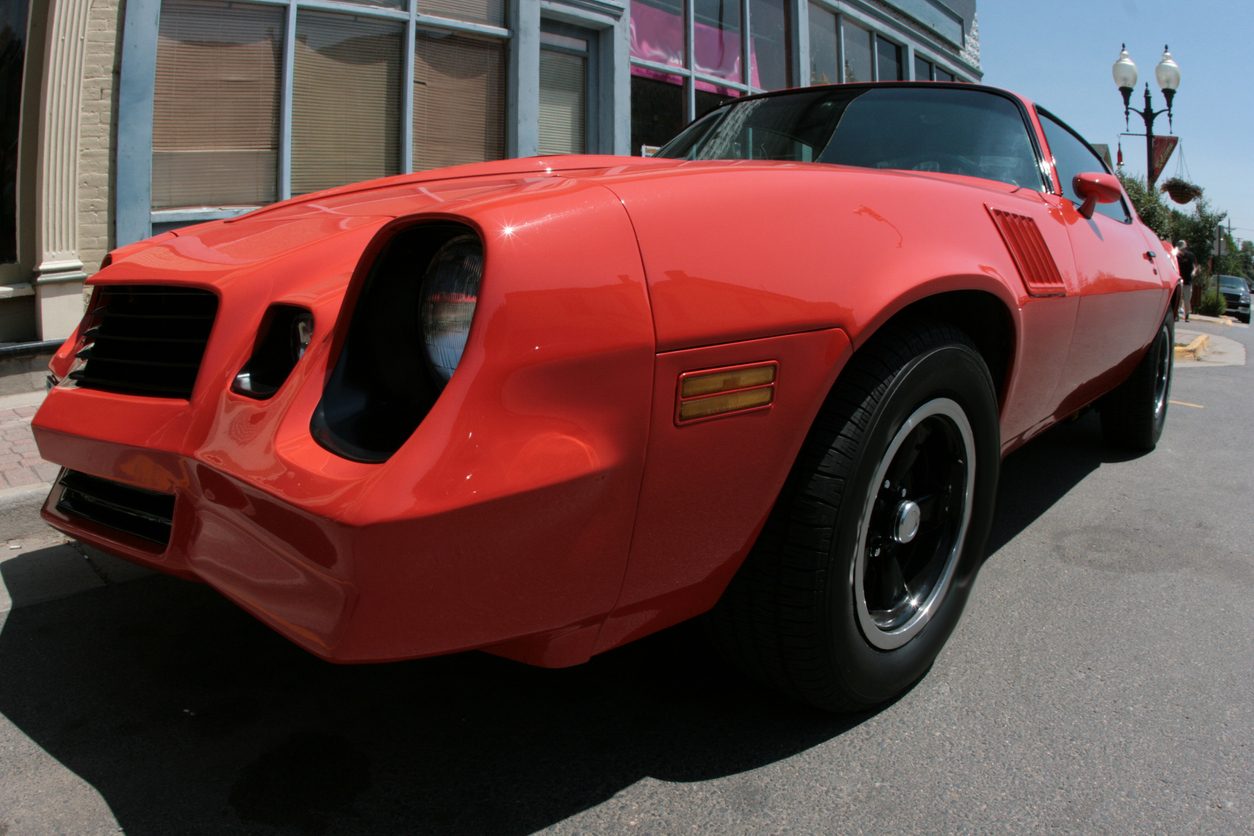
For these, use enclosed transport with a lift gate, a single-car or two-car load rather than a full trailer, soft straps over the wheels rather than chains on the chassis, and a driver who has moved this kind of car before. Ask how many vehicles will be on the truck and where yours will sit, because a car loaded first and unloaded last is handled fewer times.
Enclosed Is the Default Here
For an ordinary car, enclosed is a 20 to 30 percent premium you can reasonably decline. For an enthusiast car it is usually the correct answer, and the reasons are specific rather than sentimental.
An open trailer exposes the car to road debris at highway speed, which is what chips paint and cracks glass. It exposes it to weather and, in winter, to road salt. And it puts the car on public display at every truck stop, which is not what you want with a recognizable car.
Within enclosed there are two levels. A soft-side trailer is cheaper and adequate. A hard-side with a hydraulic lift gate, climate control and a two-car capacity is what a genuinely valuable car should travel in.
Non Running and Project Cars
A large share of enthusiast shipments are cars that do not currently drive, and that is a different job again.
Inoperable means the car cannot move under its own power, and it splits into two cases that matter to a carrier. A car that rolls, steers and brakes can be winched onto a trailer, which most equipped carriers can do. A car that does not roll, or has no steering or brakes, needs a forklift or a rollback and is a much narrower search.
Be precise about which one you have. “It runs but the brakes are soft” and “it has no brakes” are different jobs, and a driver who discovers the difference at pickup cannot simply improvise. The same applies to a car with a seized engine, a locked transmission or wheels that do not turn.
A project car in pieces needs the pieces accounted for. Loose parts in the cabin or trunk are not covered and can move; a box of trim strapped in the footwell is how an interior gets scratched. Crate or palletize the parts and ship them properly, or leave them behind.
Preparing the Car
Wash it so existing marks are visible, and photograph it thoroughly as described above. Leave about a quarter tank of fuel, no more, since fuel is weight and a full tank on a car that will sit for days is not an advantage.
Empty the cabin and the trunk. Fold the mirrors, disable a motion sensitive alarm and remove a toll transponder. If the battery is prone to going flat, say so and agree how the car will be started at delivery.
Write down anything unusual about how the car operates: a hidden kill switch, a clutch that needs a particular technique, a gearbox that will not select reverse without a lift collar, a mode that must be engaged before it will roll. A driver who does not know these things is how a car gets dragged.
At delivery, inspect before signing. Compare against your photographs and note anything unexpected on the bill of lading while the driver is present. Our guide to shipping a car with low ground clearance goes further on the loading question.
Common Questions
How low is too low for a standard trailer? Under about five inches of clearance you want a lift gate or extended low-angle ramps rather than standard ones.
Is enclosed really necessary? For an enthusiast car, usually yes. It removes road debris, weather, salt and visibility, and those are the things that actually cause damage.
What insurance should I check? The carrier’s certificate and its per-vehicle limit. If the car is worth more than the limit, arrange agreed-value cover before it moves.
Should the car be strapped by the wheels or the chassis? Over the wheels with soft straps. Chains on suspension or chassis points are how classic and modified cars get damaged.
How far ahead should I book? Two to four weeks for enclosed with a lift gate, and longer around major auctions and shows, when that equipment is fully committed.
Get a Quote
Call Ship A Car, Inc. at (866) 821-4555 with the year, make and model, the measured ground clearance and the value of the car, or price the move with the instant calculator.