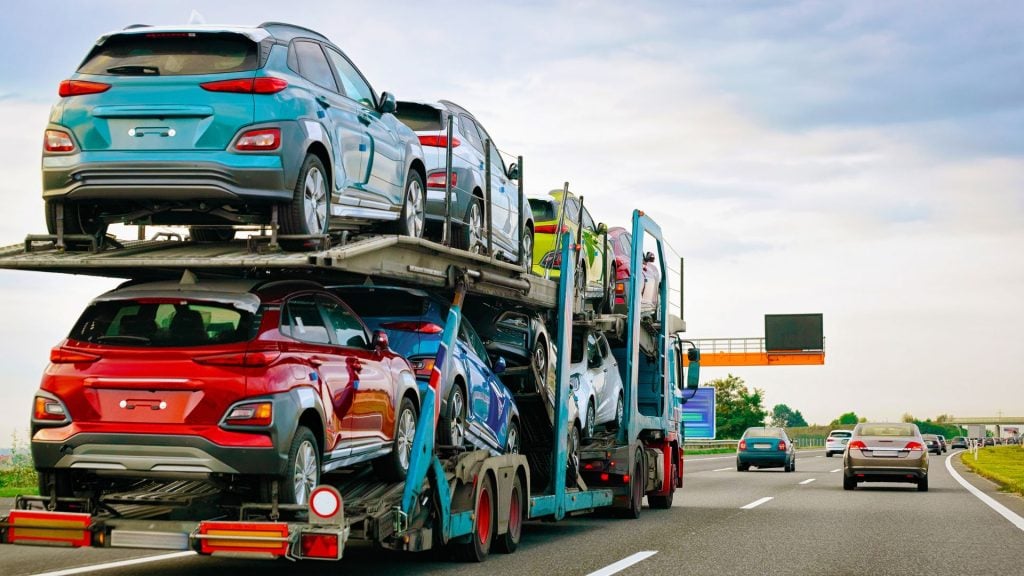
What “Dispatched” Actually Means, and Why It Is the Status That Matters
When you ship a car, one word in the process carries more weight than any other: dispatched. It means a specific, named carrier has committed to your vehicle, with a truck, a driver, a pickup window, and an agreed price. Before dispatch, you have a reservation and a plan. After dispatch, you have a truck coming. Understanding how a shipment gets from booked to dispatched, and what can slow that step down, tells you almost everything about how auto transport really works behind the scenes.
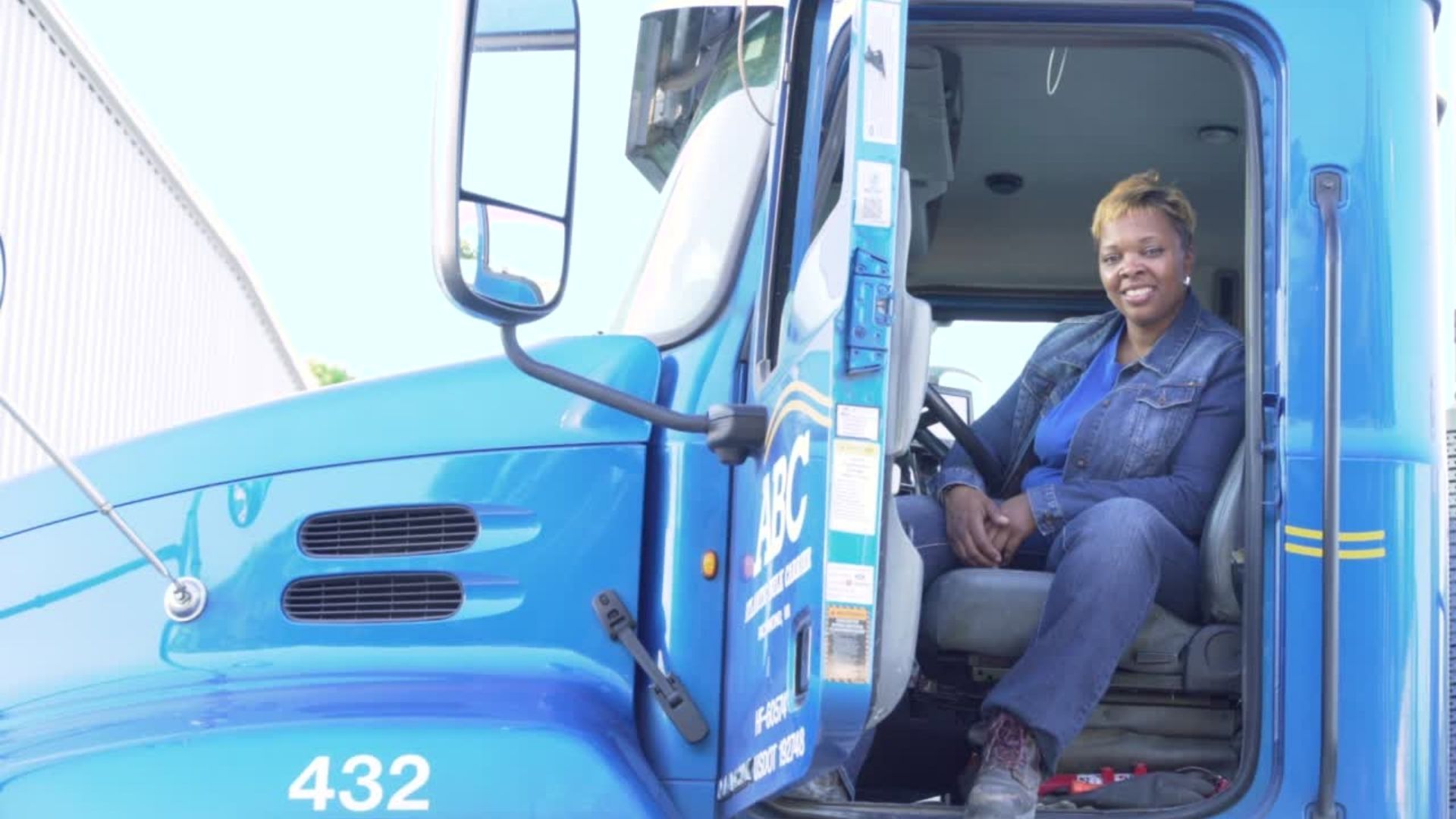
The Dispatch Process, Step by Step
1. Your order becomes a load
After you book, your shipment is written up as a load: vehicle, dimensions, running or inoperable, origin and destination, pickup window, and rate. Accuracy here is everything downstream; a load listed as a running sedan that turns out to be a lifted truck on a dolly gets renegotiated at the curb, which is exactly the surprise good brokers exist to prevent.
2. The load meets the carrier market
Brokers place loads in front of vetted carriers, including through national load boards where thousands of carriers plan their routes. Carriers running your lane see the load and its rate; a fairly priced load on a busy corridor gets claimed quickly, while an underpriced load sits. This is the moment that separates honest quotes from teaser quotes: a lowball number is really an unpriced load waiting for you to approve an increase.
3. Vetting and the dispatch sheet
When a carrier accepts, the broker verifies its federal operating authority and insurance before confirming, then issues a dispatch sheet: the contract for this specific move, naming the vehicle, the rate, the pickup and delivery windows, and the driver contact. This is when you get the news that matters: your car has been dispatched, with the carrier’s name and the driver’s phone number.
4. Pickup, Bill of Lading, and transit
At pickup, you and the driver inspect the vehicle together and sign the Bill of Lading, the document that records its condition and governs the move. In transit, your point of contact for schedule questions is both the driver directly and your coordinator, who tracks the shipment through delivery.
5. Delivery and final inspection
The same inspection happens in reverse: walk around the vehicle, compare against the pickup notes on the Bill of Lading, note anything new before signing, and take delivery. A clean handoff at both ends is what the whole dispatch chain was built to produce.
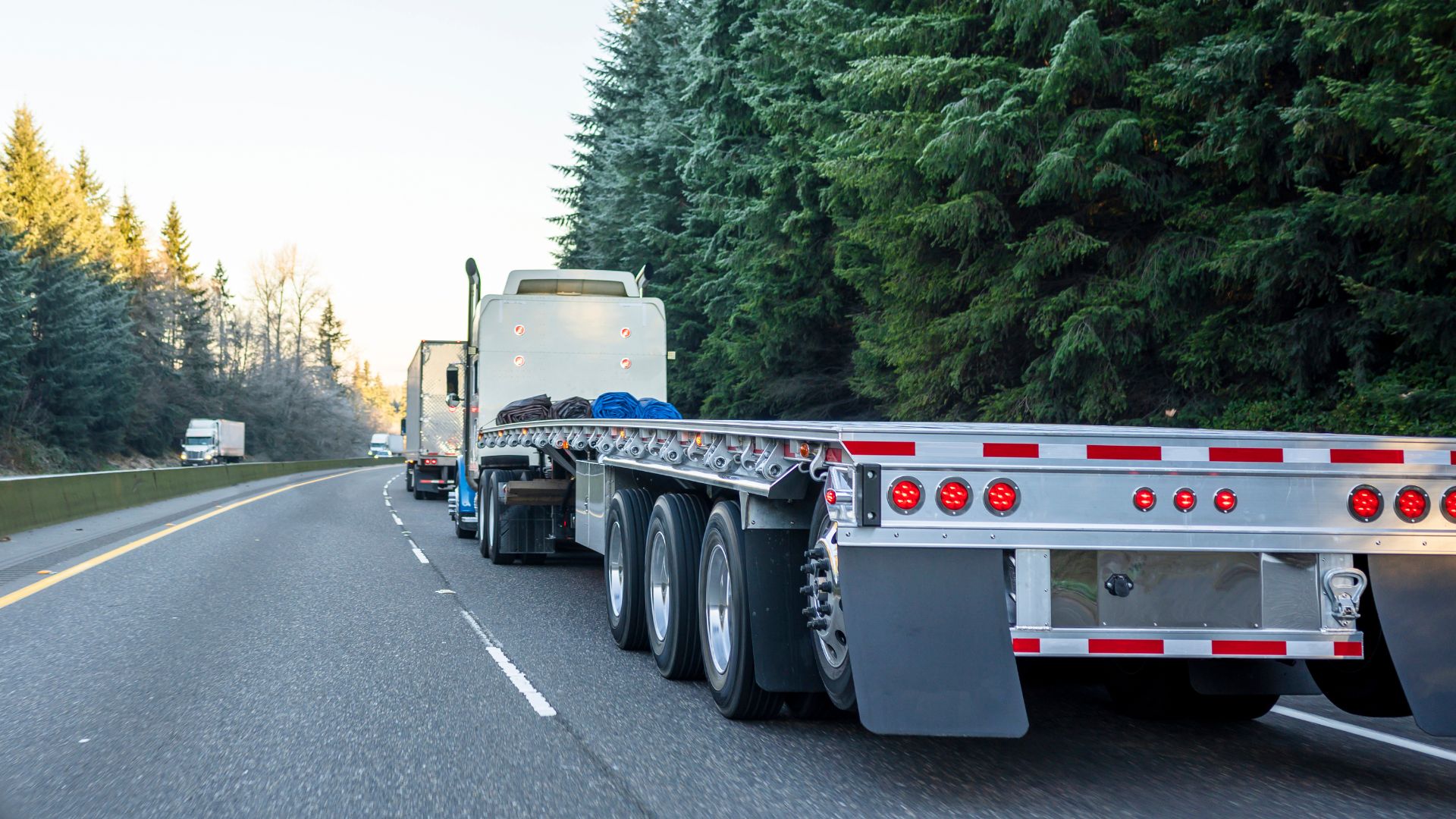
Why Some Shipments Dispatch in Hours and Others Take Days
Dispatch speed is a market outcome, not a mystery. The variables that move it:
- Route density. Corridors with constant carrier traffic dispatch fastest; rural origins and destinations wait for a carrier whose route bends close enough.
- Rate realism. Carriers choose the best-paying loads on their route. A rate at the market clears; a rate under it waits, whatever the original quote promised.
- Vehicle specifics. Inoperable vehicles need winch-equipped trucks, oversized ones need special positioning, and enclosed transport draws from a smaller carrier pool. Each narrows the match.
- Flexibility. A three-day pickup window multiplies your matches; a single fixed day divides them.
- Season. Snowbird surges and summer moving season tighten capacity on the busy lanes in predictable ways.
How to Help Your Own Shipment Dispatch Faster
Be accurate about the vehicle, especially anything nonstandard. Offer the widest pickup window you can live with. Trust a market-realistic quote over the lowest number you were told. Stay reachable once the load is posted, because carriers commit to loads whose details confirm quickly. And book with a broker who names the carrier, shares the dispatch sheet details, and verifies insurance before confirming, which is the difference between a dispatch process and a dispatch promise. Once your driver delivers well, our guide on tipping auto transport drivers covers the etiquette.
Quick Answers
What does it mean when my car has been dispatched?
A specific carrier has contractually committed to your vehicle with a truck, driver, pickup window, and rate. It is the milestone that turns your booking into a scheduled move.
How long does dispatch take?
On busy corridors with realistic pricing, often within a day or two of your first available date; remote routes, special equipment needs, and tight windows can extend it. Your coordinator should tell you honestly which situation you are in.
Can a dispatched shipment still change?
Occasionally: breakdowns, weather, and route changes happen to real trucks. A good broker re-dispatches quickly and keeps you informed; the dispatch sheet and Bill of Lading protect you through any handoff.
Dispatch, Done For You
Ship A Car, Inc. runs this entire process with one dedicated coordinator on your move: honest market pricing, vetted and insured carriers, a named driver before pickup, and a hand on the shipment through the final signature. Have the auto transport calculator email an estimate for your route, or call (866) 821-4555 to talk through your dates.