Shipping a Car to Puerto Rico
Puerto Rico is a United States territory, so there is no customs process, but it is still an ocean move with its own paperwork and its own timetable. The transport is straightforward. What decides whether it goes smoothly is the documentation, the excise tax on arrival, and understanding that the ocean leg is only part of the journey.
How the Journey Works
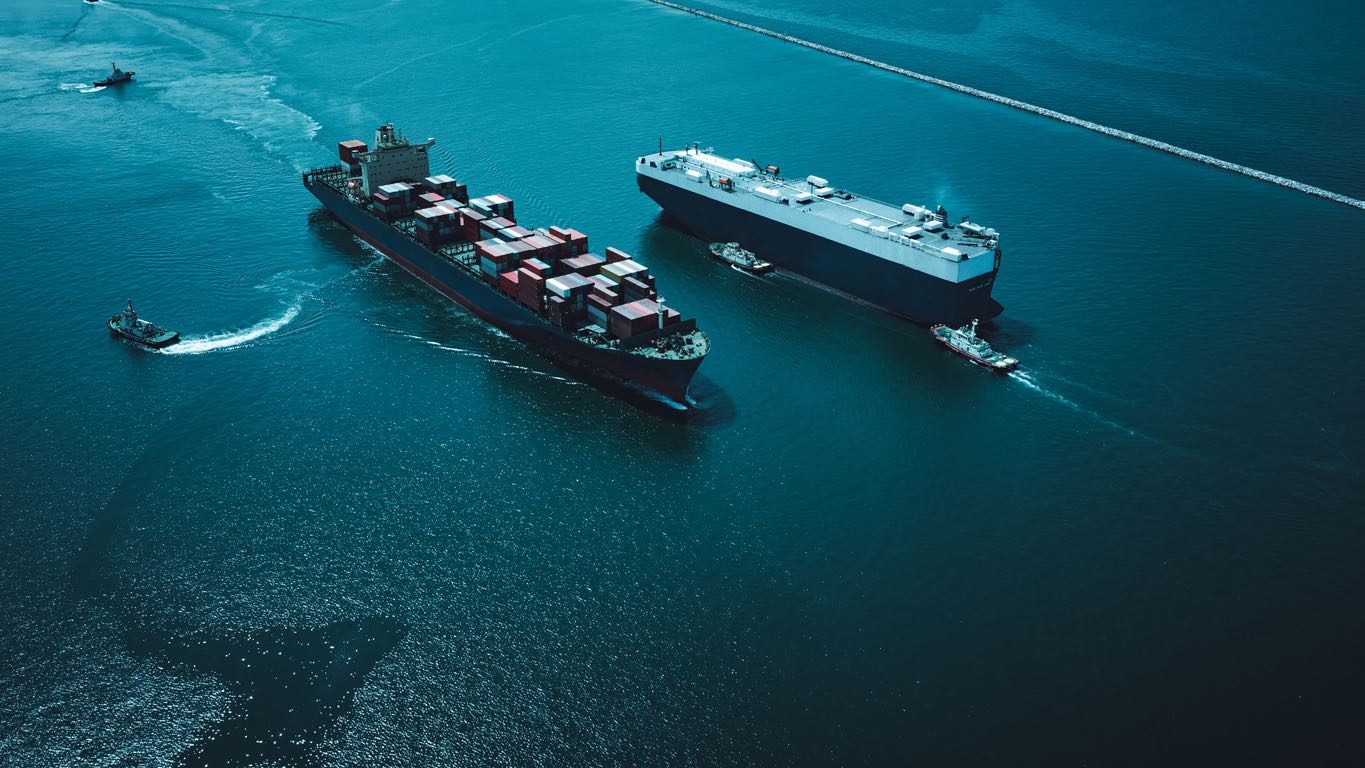
Almost all vehicles sail from Jacksonville, Florida, which is the main port for Puerto Rico traffic, and arrive at San Juan.
If your vehicle is not already in Florida, the first leg is ordinary domestic auto transport to the port, which takes a few days from the Southeast and five to seven from the West Coast, plus time for a carrier to be assigned.
The ocean crossing itself is short, typically two to five days at sea. What takes longer is the wait for a sailing and the processing at both ends, which is why a realistic door to door estimate is two to four weeks rather than one.
The Paperwork
No customs, but a specific set of documents, and missing one of them is the usual reason a vehicle sits at the port.
You need the original title, not a copy. If there is a loan on the vehicle, you need written authorization from the lienholder, and banks routinely take a week or two to produce it, so start that first. Add current registration, valid photo identification and a signed shipping order.
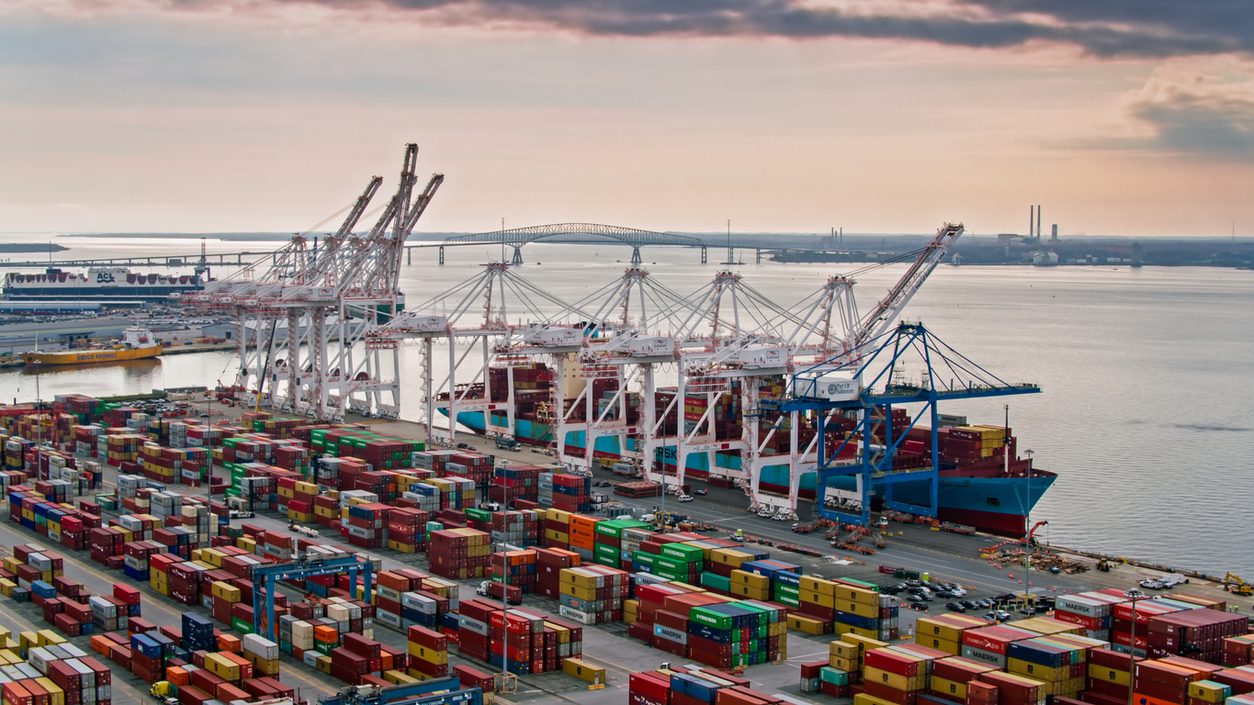
The vehicle must be clean, including the undercarriage, because agricultural inspection applies to shipments in both directions. Soil and plant material can get a vehicle held, which means a wash, a resubmission and a missed sailing.
The vehicle must also be empty. Personal items are not permitted on the ocean leg at all.
The Excise Tax Is the Cost People Miss
Puerto Rico applies an excise tax on vehicles entering the territory, and it is assessed by the Department of Treasury on arrival rather than being included in your shipping quote.
It is calculated on the vehicle’s value and can be substantial, particularly on a newer or higher value car. There are exemptions and reductions in certain circumstances, including for some returning residents and for vehicles owned for a qualifying period, and the rules change.
Find out what you will owe before you ship, not after. This is the single largest unpleasant surprise on this lane, and it is entirely knowable in advance.
Registration and Driving Once You Arrive
Because Puerto Rico is a US territory, a mainland driver’s license is valid, and there is no import process in the customs sense. What there is, is a local registration regime that differs from any state.
Vehicles are registered with the Departamento de Transportacion y Obras Publicas, and the annual registration sticker, the marbete, is the thing everybody talks about. It has to be current and it is enforced. New arrivals need to register within the period the territory sets after establishing residency.
Insurance works differently too. A compulsory liability element is collected with the marbete, and most owners carry additional private cover on top. Do not assume your mainland policy simply continues; call your insurer before the vehicle sails and find out whether they write coverage there at all, because several mainland carriers do not.
Inspection requirements also apply on renewal. None of this is difficult, but it is genuinely different from moving between states, and it is worth ten minutes of reading before the vehicle is on a ship rather than after.
Roll On Roll Off or Container
Both methods run to San Juan and they suit different vehicles.
Roll on roll off is the standard and cheaper choice. The vehicle is driven onto the vessel and parked on a deck, it moves on more frequent sailings, and it must be running and drivable.
Container shipping puts the vehicle inside a container, alone or shared. It protects better and it is what a non running or high value vehicle needs, though a shared container waits until it is full and handling adds steps at both ends.
For an ordinary daily driver, roll on roll off. For a collector car, the days of salt air on an open deck are a real argument for a container.
Preparing the Vehicle
Wash it inside and out, including the undercarriage, then photograph every panel in daylight, including the wheels, the lower bumpers and the rocker panels, which are what loading marks. Photograph the odometer and the VIN plate.

Leave about a quarter tank of fuel. Empty the cabin and the trunk completely, since personal effects are not permitted on the ocean leg and are not covered on the road leg either.
Fold the mirrors, disable a motion sensitive alarm and hand over a physical key. On a journey of several weeks, test the battery before it goes, because a vehicle that will not start on arrival is handled as inoperable.
At delivery, inspect before signing and note anything unexpected on the paperwork while the agent is present. Our guide to shipping a vehicle to Hawaii covers similar ocean freight logic.
Common Questions
Is there a customs process? No. Puerto Rico is a United States territory, so this is a domestic move, but the documentation and inspection requirements still apply.
How long does it take? Two to four weeks door to door: the leg to Jacksonville, the wait for a sailing, two to five days at sea, then processing.
What is the excise tax? A tax assessed on arrival based on the vehicle’s value. It is not in your shipping quote and it can be substantial, so check before you ship.
Can I pack belongings in the car? No. Personal items are not permitted on the ocean leg.
What holds shipments up? Missing lienholder authorization, and vehicles failing agricultural inspection because the undercarriage was not clean.
Get a Quote
Call Ship A Car, Inc. at (866) 821-4555 with your origin zip code, the Puerto Rico destination and the date you need the vehicle there, or have the quote calculator email an estimate for the mainland leg.