What Nationwide Auto Shipping Actually Means
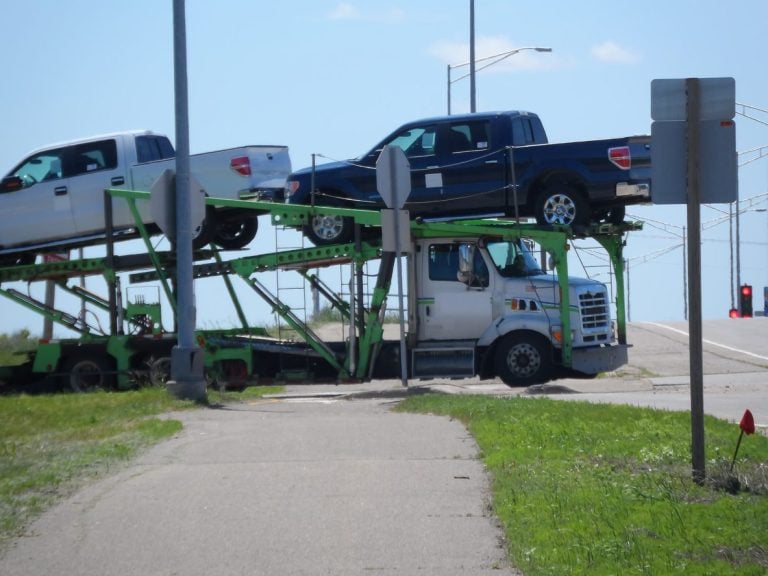
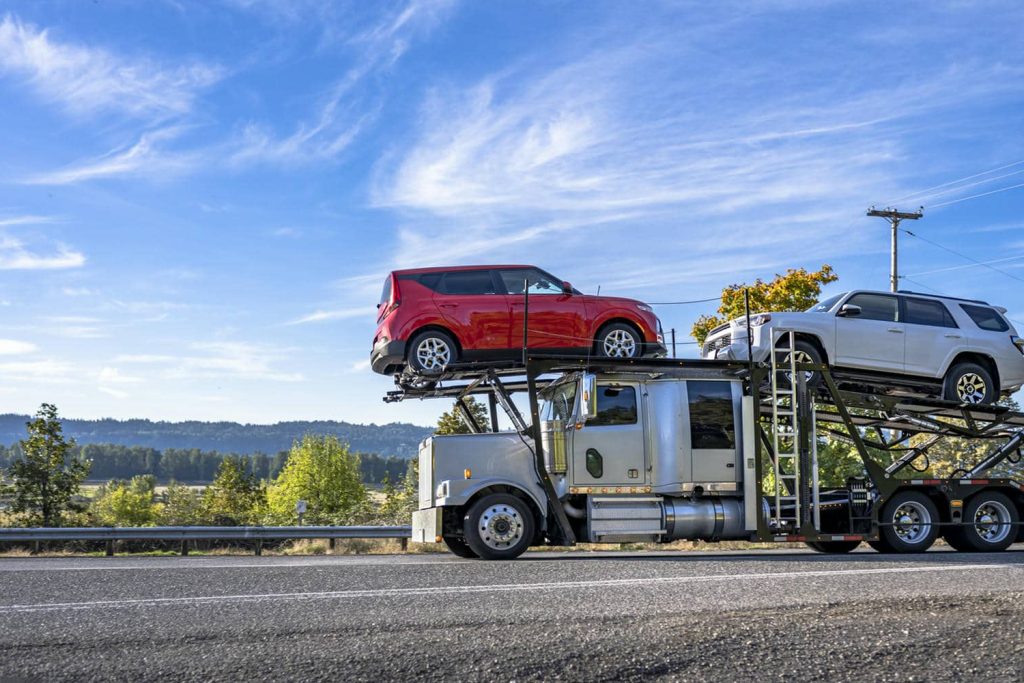
Nationwide auto shipping means a carrier can be found for anywhere. It does not mean a truck is always nearby. That distinction is the single most useful thing to understand about coverage, because it explains why two people booking the same week, for the same car, over the same distance, get different windows and different prices. Every address in the country can be served. What varies is how many trucks already pass close to yours, and that is geography rather than service quality.
Coverage Is Not the Same as Availability
Coverage answers whether anyone will come. Availability answers how soon and at what price. They are different questions and only the first is genuinely nationwide.
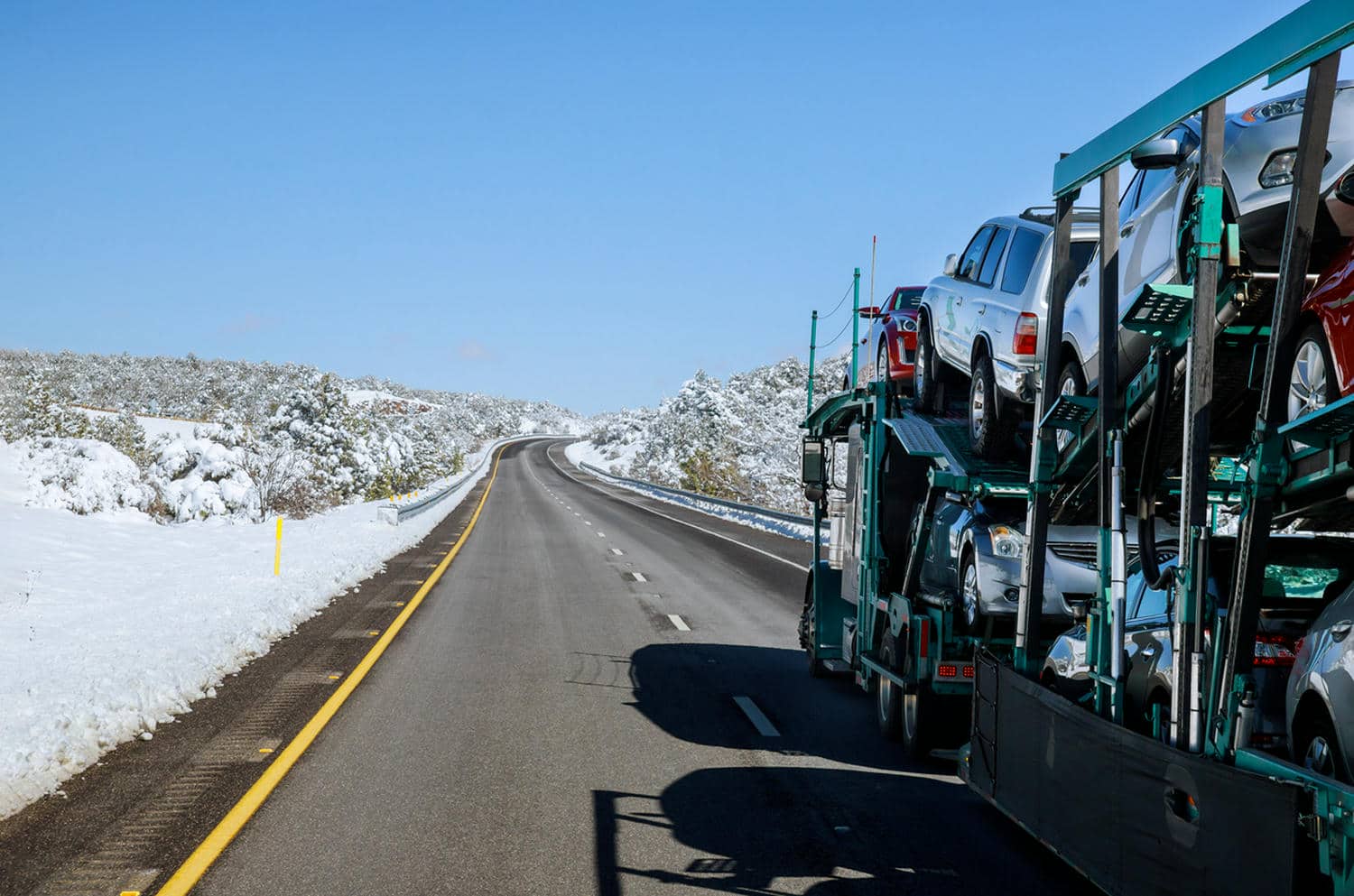
Carriers build loads of seven to ten vehicles heading the same direction. A load only makes economic sense if the pickups and deliveries sit reasonably close to a route the truck was going to run anyway. So an address two miles off I-95 is cheap to serve because trucks pass it constantly, while an address two hours from any interstate requires a detour that has to be paid for in time or money.
Nothing about that reflects on the company. It is the same reason a taxi is easier to find downtown than on a country lane.
Where It Is Easy, and Where It Is Not
Roughly three tiers, and knowing which you are in sets realistic expectations.
Major metros on interstate corridors. Los Angeles, Dallas, Chicago, Atlanta, the Northeast corridor, Florida. Loads assign within days, quotes are competitive because carriers compete for them, and a wide pickup window matters less here simply because trucks are already coming through.
Secondary cities and suburbs. Most of the country. Perfectly well served, with windows a day or two longer and slightly less price competition. This is the normal experience.
Genuinely remote addresses. Rural counties well off the interstate grid, mountain communities, the upper plains, and far northern towns. Carriers absolutely go there, and the honest expectation is a longer window and a detour priced into the quote.
If You Are Off the Main Lanes
Three things help, and they cost nothing.
Widen the window. A three or four day range lets a dispatcher fit you into a load already forming rather than routing a truck specifically for you. On a remote address this is worth more than anywhere else.
Consider meeting on a main lane. Driving an hour to hand the car over at a large lot near an interstate frequently costs less than the detour would, and it often speeds up assignment. Drivers propose this routinely and it is not a downgrade in service.
Ask what the nearest easy point is. A dispatcher who runs your region knows which town is the natural meeting place. That answer is free and specific.
The Places That Are Not Road Moves at All
Hawaii, Alaska and Puerto Rico are covered, but the vehicle leaves the road network, so it is a road leg plus a sailing rather than a longer drive.
Those moves run on fixed sailing schedules, are priced on measured volume rather than mileage, and require the car to be completely empty by federal rule. Plan three to five weeks door to door. Our guides to shipping a vehicle by sea and the Alaska route cover the detail.
Does One Company Really Cover Everywhere
Worth being straight about, because “nationwide” appears on every website in this industry.
No single fleet owns trucks on every lane in the country. Nationwide coverage works because brokers hold relationships across thousands of carriers and post loads to a national board, so whichever carrier is already heading your way can take the job. That is why a broker generally reaches more capacity than any one fleet, and why the question worth asking is not “do you cover my area” but “what does the market look like on my lane this month”.
Our guide to choosing a transport company covers how to judge the answer.

Timing Varies by Region and Season
Book one to two weeks ahead on most lanes and three to four in summer, when the whole country moves at once. Two regional patterns sit on top of that.
Florida and the Southwest run a seasonal cycle: heavy inbound in autumn, heavy outbound in spring, and quiet in midsummer, which is when they are cheapest. And in the northern tier and the Rockies, winter storms and mountain passes add variability from November through March, so build a buffer rather than assuming a fixed date.
Preparing, Wherever You Are
The basics do not change with geography and the pre-pickup checklist covers them. Wash the car so existing marks are visible, photograph every panel in daylight, empty it completely, and leave about a quarter tank of fuel.
Someone has to walk the vehicle with the driver and sign the condition report at both ends. It does not have to be you, provided the carrier knows in advance who it will be, and at delivery you inspect before signing rather than after.
Common Questions
Do you really cover everywhere? Yes for coverage. How quickly and at what price depends on how close you are to a lane carriers already run.
Why is my rural pickup more expensive? A detour off the main route has to be paid for in time or money. Meeting on a main lane often costs less.
How long should I expect to wait? Days in a major metro, a little longer in secondary markets, longer again somewhere genuinely remote.
What about Hawaii and Alaska? Covered, but as a road leg plus a sailing. Allow three to five weeks door to door.
Does one company own trucks everywhere? No. Nationwide coverage comes from a broker network reaching thousands of carriers.
Get a Quote
Call Ship A Car, Inc. at (866) 821-4555 with both zip codes and we will tell you honestly what the market looks like on your lane, or request an estimate for it through the quote calculator.