Shipping a Car Between Hawaii and Florida
Hawaii to Florida, or Florida to Hawaii, is the longest domestic vehicle move there is, and in either direction it is two entirely different jobs joined in the middle. An ocean crossing between the islands and the West Coast, and a 2,500 mile road trip across the country. Each has its own timeline, and the total is measured in weeks rather than days. Going west, the road leg runs first and the port rules in our Hawaii shipping rules guide apply at the West Coast gate.

How the Two Legs Work
The ocean leg runs from Honolulu, and vehicles from the neighbor islands reach it by inter island barge first, which is a separate sailing on a less frequent schedule.
From Honolulu the vehicle sails to a West Coast port, typically in California or the Pacific Northwest. That crossing takes roughly five to ten days depending on the port and the routing, and vessels do not leave daily, so the wait for a sailing is often longer than the sailing itself.
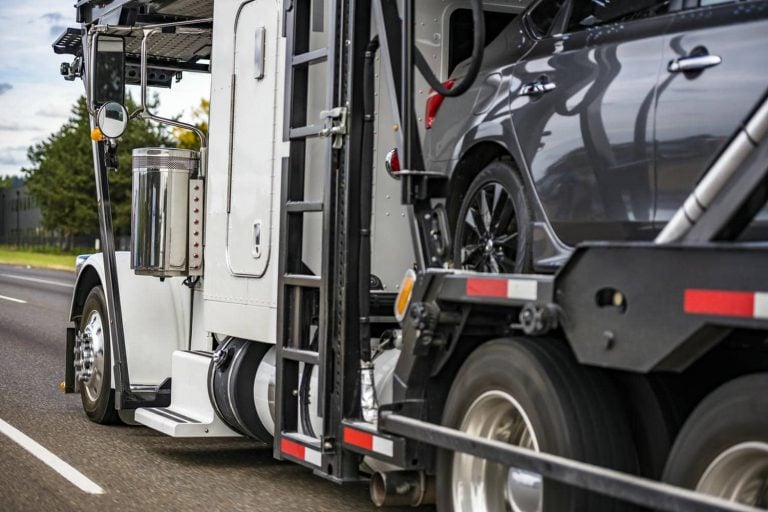
Once it lands and clears, the vehicle is collected by a road carrier and driven to Florida, which is ordinary long distance auto transport of seven to ten days in transit, plus a few days for assignment.
Add it up and three to six weeks door to door is realistic. Anything quoted much faster deserves a question about which part has been left out.
Roll On Roll Off or Container
Both work for the ocean leg and they suit different vehicles.

Roll on roll off is the standard choice. The vehicle is driven onto the vessel and parked on a deck, it is cheaper, and it moves on more frequent sailings. The vehicle must be running and drivable and it travels completely empty.
Container shipping puts the vehicle inside a container, alone or shared. It protects the vehicle better and it is what a non running or high value car needs, but it can take longer because a shared container waits until it is full and handling adds steps at both ends.
For an ordinary daily driver, roll on roll off. For a collector car, the days of salt air exposure on an open deck are a real argument for a container.
What Delays This Move
Almost always paperwork rather than weather, and it is worth getting right before anything moves.
Every vehicle needs the title or a notarized letter from the lienholder if there is a loan, current registration, valid photo identification and a signed shipping order. Missing lienholder authorization is the classic hold up, and banks can take a week or two to produce it.
Vehicles must also be clean enough to pass agricultural inspection. Soil, plant material and insects in the undercarriage or interior can get a vehicle rejected at the port, which means a wash, a resubmission and a missed sailing.
Wash the underside properly. It is the single cheapest thing you can do to keep this move on schedule.
What It Costs
This is an expensive move and the reasons are structural rather than anybody’s markup.
The ocean leg is a fixed cost that does not shrink with negotiation, the Hawaii lane is thin so there is less competition than on a mainland corridor, and then you are paying for a full cross country road move on top. Vehicle size matters more than usual because ocean freight is priced on space, so a full size truck or SUV costs meaningfully more than a compact car.
Summer is peak on both legs, and military moves add to the Hawaii volume in the same months.
Registering the Vehicle in Florida
Once the car arrives there is a short administrative tail, and Hawaii to Florida has one wrinkle most interstate moves do not.
Florida expects new residents to register a vehicle and obtain a Florida license within a set period of establishing residency. You will need the title, proof of Florida insurance meeting state minimums, and a completed VIN and odometer verification, which can be done by a law enforcement officer, a licensed dealer or a DMV compliance examiner.
The wrinkle is timing. If the vehicle is still in transit when your residency clock starts, you cannot complete the verification because the car is not there. That is normal and it is worth knowing in advance rather than discovering at a service center counter, so keep the shipping paperwork as evidence of where the vehicle actually is.
Insurance is worth sorting before the car lands rather than after. Florida requires coverage in place at registration, and rates differ substantially from Hawaii’s, so get a quote early enough that it is not a surprise on top of an already expensive move.
Preparing the Car
Wash it inside and out, including the undercarriage, then photograph every panel in daylight, including the wheels, the lower bumpers and the rocker panels, which are what loading marks. Photograph the odometer.

Leave about a quarter tank of fuel. Empty the cabin and the trunk completely, since personal items are not permitted on the ocean leg at all and are not covered by cargo insurance on the road leg either.
Fold the mirrors, disable a motion sensitive alarm and hand over a physical key. On a journey of several weeks, check the battery before it goes, because a vehicle that will not start on arrival is handled as inoperable and that is an expensive way to end a long trip.
At delivery, inspect before signing and note anything unexpected on the bill of lading while the driver is present. Our guide to how long it takes to ship a vehicle to Hawaii covers the ocean leg in more detail.
Common Questions
How long does Hawaii to Florida take? Three to six weeks door to door: the wait for a sailing, five to ten days at sea, then seven to ten days across the country.
Is it cheaper to ship from a neighbor island? No. Vehicles route through Honolulu on an inter island barge first, which adds time and cost.
Roll on roll off or container? Roll on roll off for an ordinary running car. Container for a non running vehicle or anything valuable.
What holds shipments up? Missing lienholder authorization, and vehicles failing agricultural inspection because the undercarriage was not clean.
Can I pack belongings in the car? No. Personal items are not permitted on the ocean leg and are not insured on the road leg.
Get a Quote
Call Ship A Car, Inc. at (866) 821-4555 with the island you are shipping from, the Florida destination and the date you need the vehicle there, or price the mainland leg with the instant calculator.