Shipping a Tesla Model 3 works like shipping any car, with three EV-specific differences: charge the battery to about 30 to 50 percent before pickup, disable Sentry Mode and other always-on features so they do not drain the pack in transit, and plan the key handoff (a key card for the driver beats app-only access, since cellular coverage is not guaranteed along the route). Get those three right and the rest is standard transport practice with a carrier who has loaded EVs before.
The Model 3’s other difference is architecture: the battery pack sits under the floor pan rather than under a hood. That gives the car a low center of gravity and a curb weight around 4,000 pounds depending on trim, both of which matter to how it is loaded and where it rides on the trailer.
The charge level matters at both ends: enough to drive on and off the carrier and reach a charger at delivery, but not full, since manufacturers recommend against storing EVs at high charge and transit is storage on wheels.
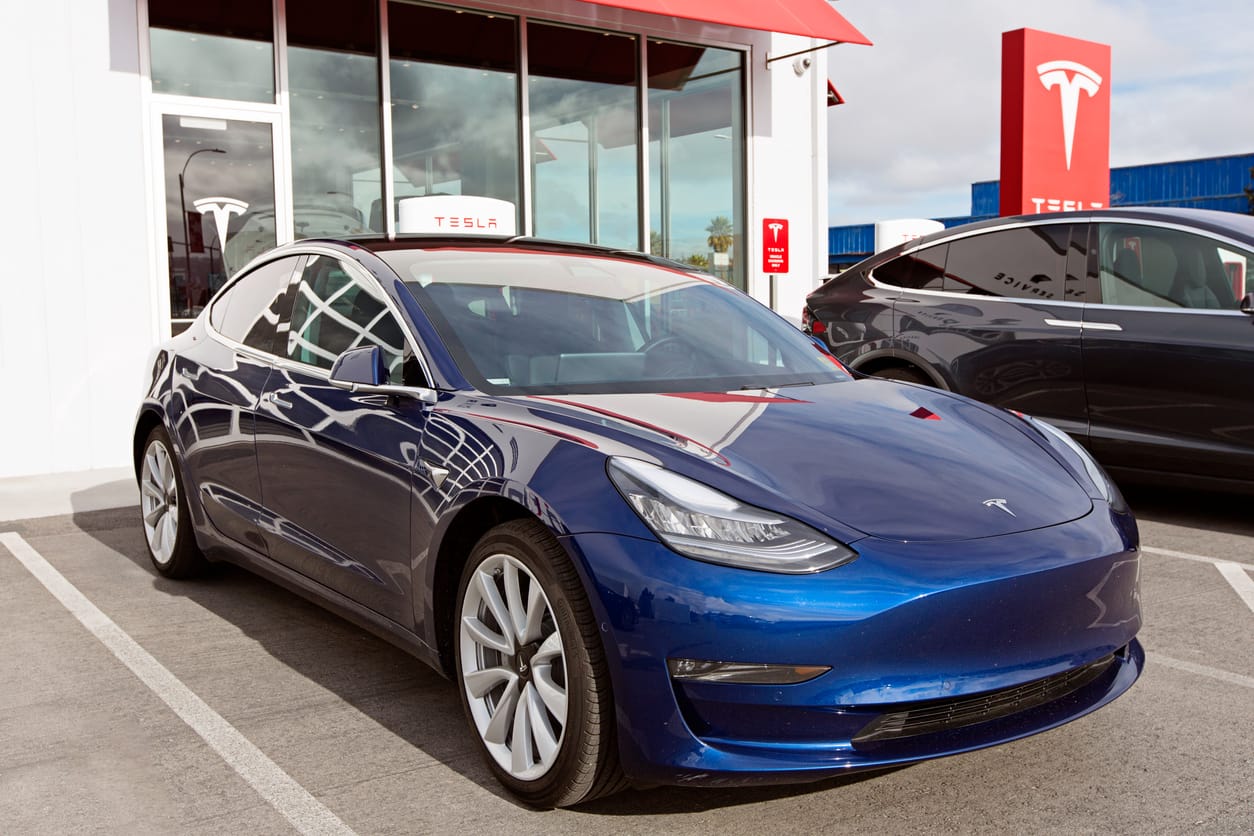
Transporting Your Tesla Model 3
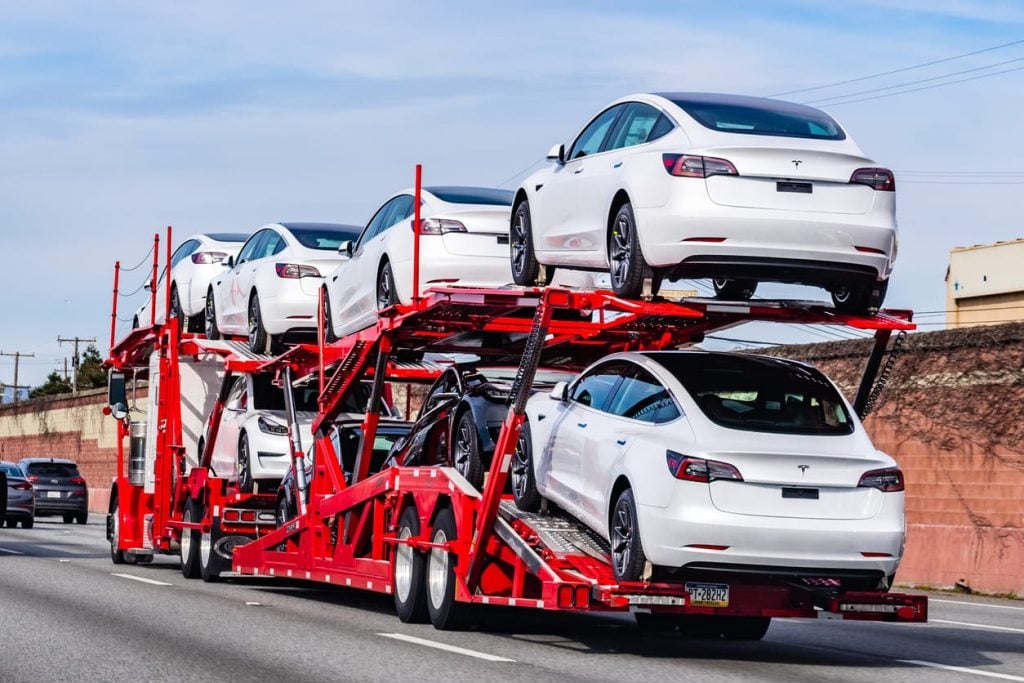
You have two options: open or enclosed transport. Open transport is the value standard, the same multi-car carriers that deliver new Teslas to stores, and it suits a daily-driven Model 3 well. Enclosed transport costs roughly a third more and shields the car from weather and road debris entirely, worth considering for a new delivery or a Performance model you keep spotless.
Positioning of the Vehicle
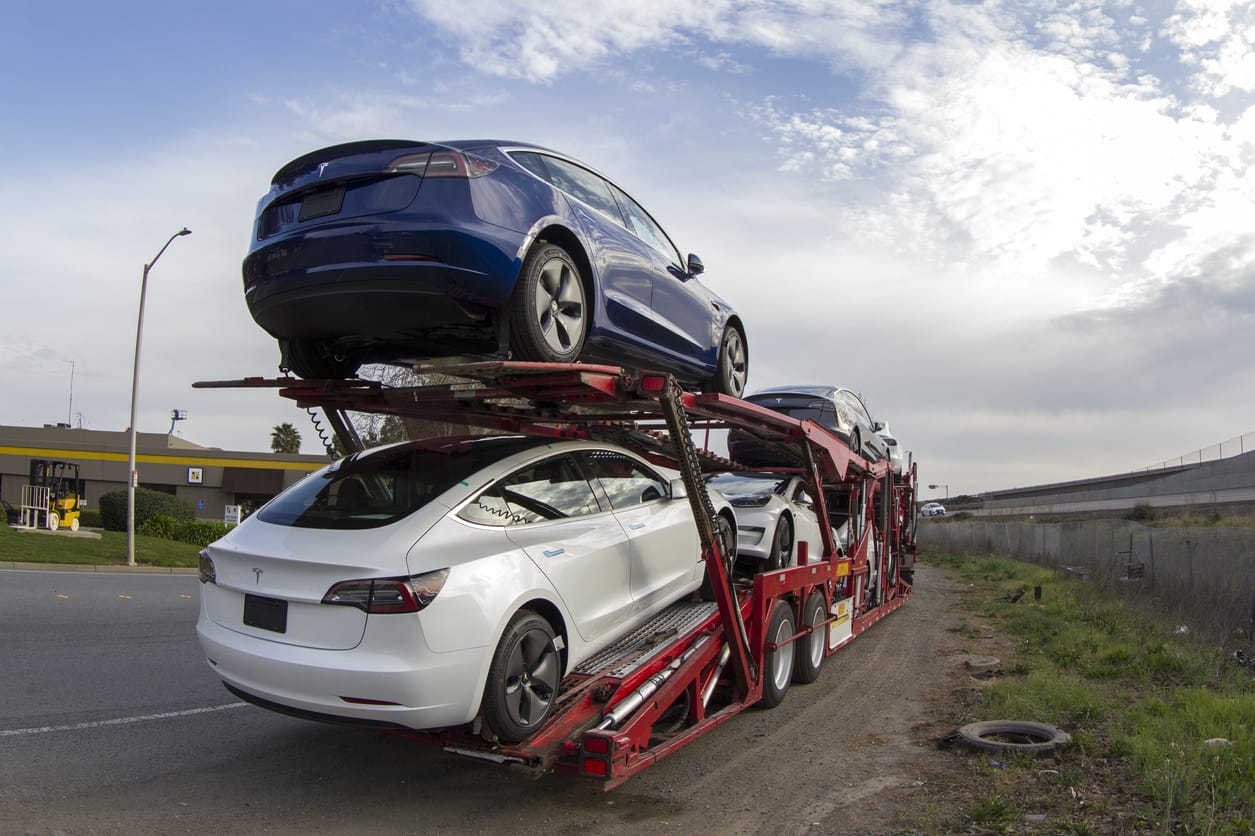
Positioning matters more with EVs because of that floor-mounted battery. The weight sits low and spreads across the wheelbase, so the carrier plans deck placement around it, keeping the load balanced against the trailer’s per-position weight limits.
Securing is equally specific: tie-downs go at the designated chassis points, never across or against the battery enclosure, and the car is strapped so it cannot shift while the suspension settles over road miles. Done right, the Model 3 rides as securely as anything on the deck.
This is why carrier experience with electric vehicles is worth asking about directly.
An experienced operator knows the Model 3’s tie-down points, respects the battery’s no-contact zones, and checks charge state at loading rather than discovering a dead car at delivery.
Weight is the other planning item: at roughly 4,000 pounds the Model 3 outweighs comparable gas sedans, which affects how many vehicles the carrier can legally load around it.
A professional transport company accounts for that in dispatch, so the truck that arrives is the right truck, and your car arrives exactly as it left.

Choosing the Right Transport Company
Do the verification any high-value shipment deserves: FMCSA registration you can check (Ship A Car, Inc. is USDOT 2303542, MC 784930), carrier cargo insurance confirmed before dispatch, and reviews from other EV owners specifically.
Ship A Car, Inc. dispatches carriers who handle Teslas routinely, from single Model 3s to multi-car EV moves, and our coordinators confirm the EV specifics (charge level, Sentry Mode, key cards, access instructions) before pickup day so nothing surprises anyone at the curb.
One coordinator manages the move from quote to delivery, and no payment is due until a vetted carrier is confirmed for your car.

Why Choose Ship A Car, Inc.?
At Ship A Car, Inc., shipping a Model 3 is routine work done carefully: EV-experienced carriers, battery-aware loading, and inspections documented on the bill of lading at both ends, with your own photos backing the record.
You inspect the car at delivery before final payment, exactly as your transport agreement sets out.
Whether you are relocating, selling, or delivering a new purchase, request an emailed estimate from the auto transport calculator or call (866) 821-4555 and tell us it is a Model 3; we will handle the rest.