Getting a Car Shipped to or from Manhattan
New York County is Manhattan, and shipping a car there differs from anywhere else in the country for one physical reason: a full size car hauler is around 75 feet long and there is almost nowhere on the island it can legally stop and unload. Everything else about the process is ordinary. The part that decides whether your shipment goes smoothly is agreeing, in advance, exactly where the truck and the car are going to meet.
If you only want to know how to get a car shipped anywhere in the country, start with our plain guide to getting a car shipped; this page is about the Manhattan problem.

Why Manhattan Is a Different Job
Most deliveries in America happen on a residential street with a driveway and a curb. Manhattan has neither in the quantity a car hauler needs.
A loaded ten car trailer needs a straight run of clear curb roughly the length of the truck, plus room to lower the ramps behind it and drive a car off. On most Manhattan blocks that space does not exist at any hour, and where it does exist it is occupied. Add double parked delivery vans, cyclists, bus lanes and a steady stream of traffic behind the driver, and a curbside unload becomes something no experienced driver will attempt.
There is also a routing question before the truck ever reaches you. Commercial trucks are banned from the parkways in and around New York City, so a hauler cannot simply take the most direct road on a map. It has to use designated truck routes and the bridges and tunnels that permit commercial traffic, and the vehicle entering the congestion relief zone in Lower Manhattan is subject to the toll that applies below 60th Street. None of this is your problem to solve, but it explains why a Manhattan quote is not the same as a quote to a suburb twenty miles away.
Where the Truck Can Actually Meet You
This is the single decision that determines how your shipment goes, and it is worth thinking about before you book rather than on the day.
Most Manhattan shipments are handled at a meeting point rather than at an address. In practice that means a large parking lot with truck access somewhere the driver can legally stop: a shopping center on the outskirts, a lot in New Jersey across the river, somewhere in the Bronx or Yonkers, or a spot in Queens or Brooklyn near a bridge approach. You drive to it or take a short ride to it, and the exchange takes fifteen minutes.
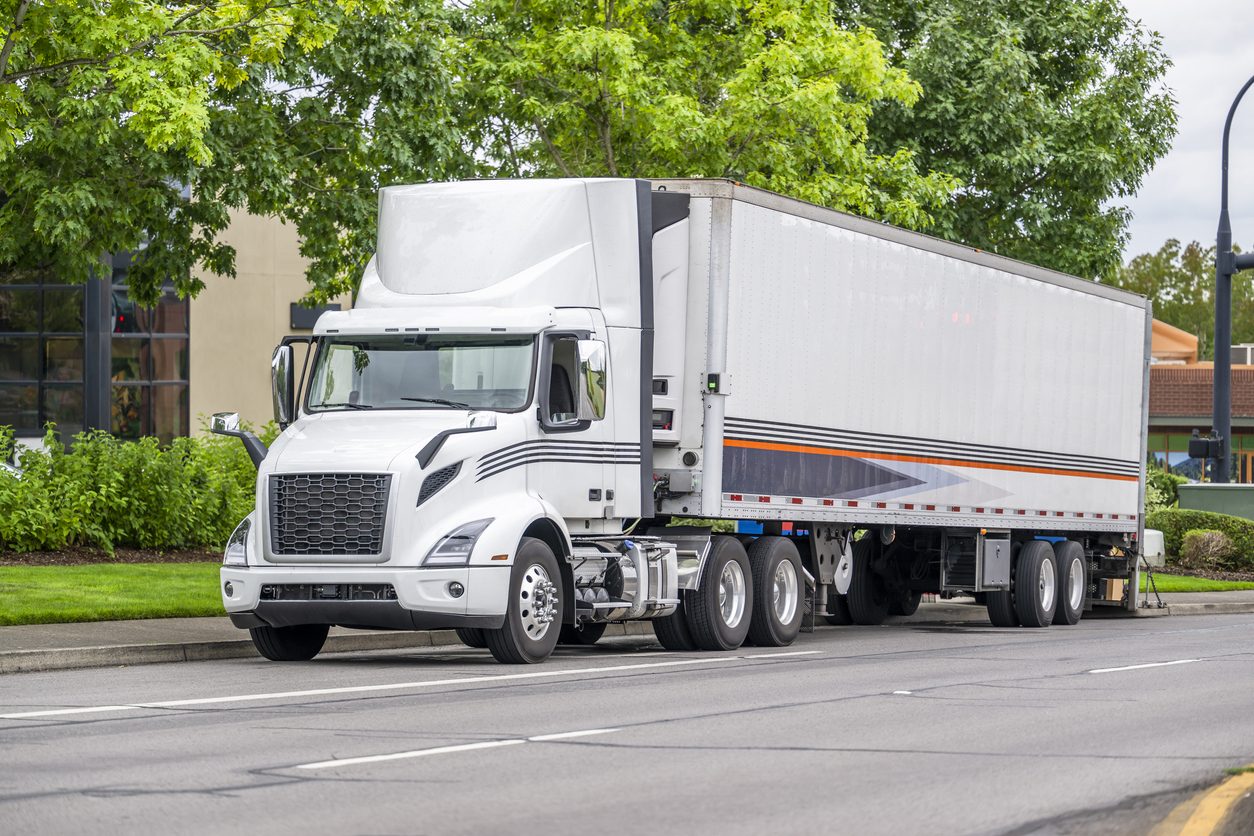
The alternative is a smaller truck. A single car flatbed or a three car wedge can reach places a full size hauler cannot, and on a tight Manhattan address that is sometimes the only workable answer. It costs more, because the carrier is moving one or three cars instead of ten, and it usually means the car goes to a nearby terminal and transfers to a full size trailer for the long haul.
Say which you want when you book. A carrier quoting a full size trailer to a Manhattan street address is quoting something that will need renegotiating on the day, and that is where delays and surcharges come from.
Timing Matters More Here
Manhattan traffic is not evenly bad, and drivers plan around that.
Early morning, roughly between six and nine, is when a truck can move and stop with the least friction. Mid afternoon into the evening is the worst window on almost every approach. Weekend mornings are frequently easier than any weekday.
Expect a window rather than an appointment. A driver working a route through the New York metropolitan area is subject to hours of service rules, bridge traffic and whatever the previous delivery did to the schedule. Give the dispatcher a range of days rather than a single date and the price and the assignment both improve.
Getting the Car Out of a Garage
If your car lives in a garage, which in Manhattan it usually does, there are two practical points.
Tell the garage in advance that you are removing the vehicle and settle any outstanding charges, because a garage that has not been told may not release a car promptly. If you are on a monthly account, check the notice period, since some require notice before the end of a billing month.
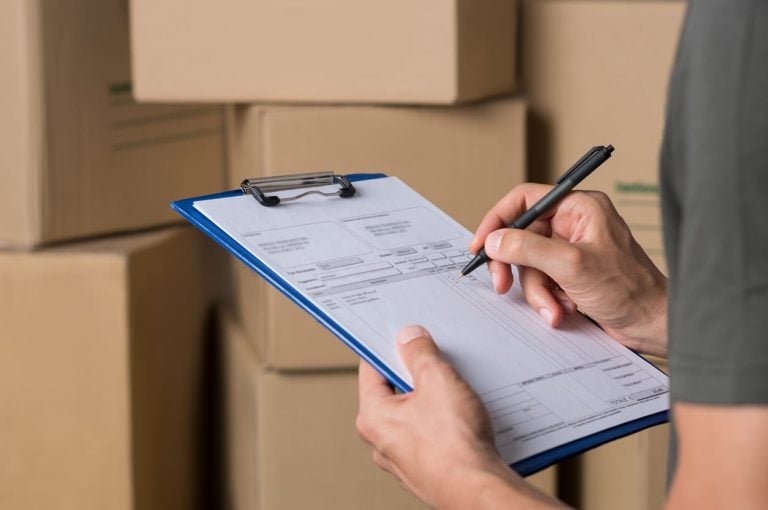
Then get the car out into daylight before the driver arrives. Garage lighting hides paint condition, and the condition report on the bill of lading is the document that decides any later damage claim. Photograph every panel outside, in daylight, before it loads.
Open or Enclosed
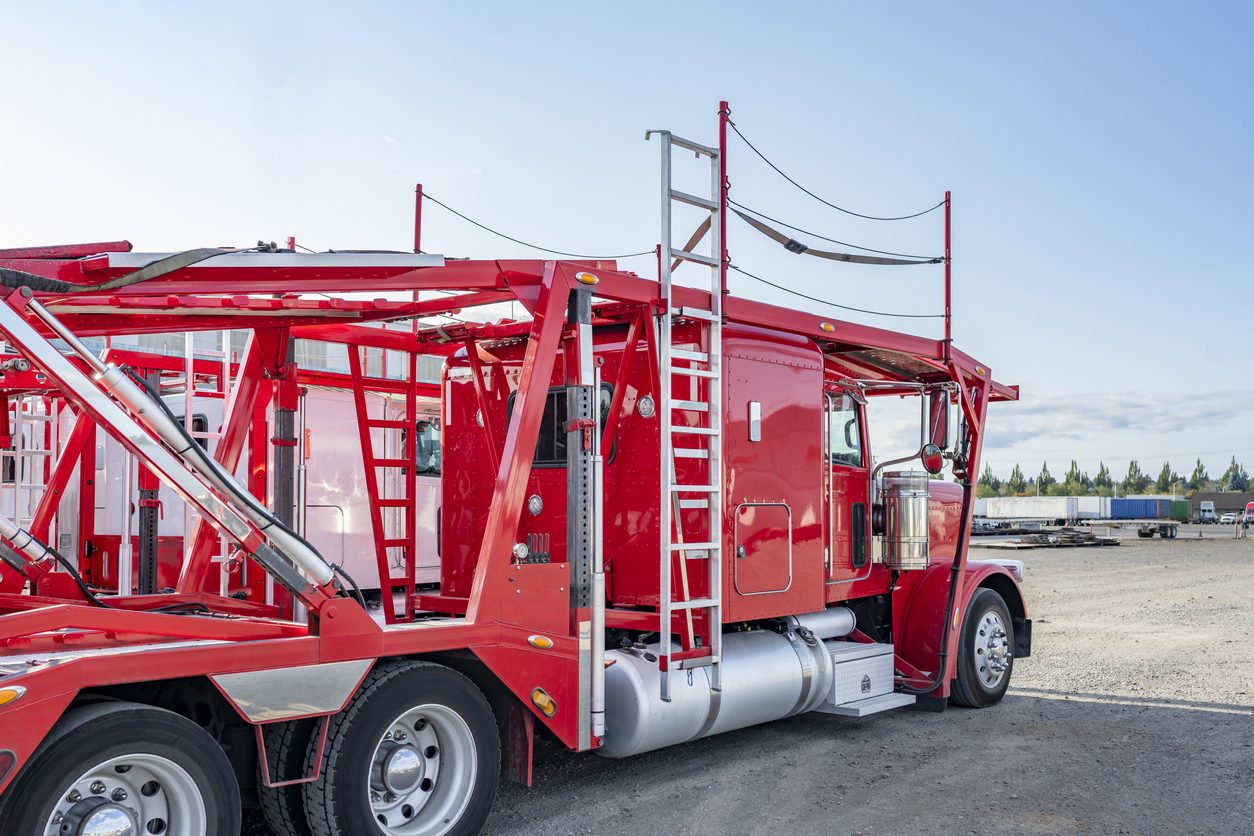
Open transport carries the overwhelming majority of cars in and out of the city and it is the right choice for an ordinary vehicle.
Enclosed is worth its premium, usually about a third, on a car with genuine collector value, fresh paintwork or a wrap. Manhattan produces more of that traffic than most places, and an enclosed carrier has a further practical advantage here: it is often a smaller truck with a liftgate, which makes a tight address workable when a ten car open trailer is not.
The Common Lanes
Manhattan traffic runs in recognizable patterns and the pattern affects your price.
Florida is the heaviest lane, in both directions and seasonally: south in the fall, north in the spring, with rates rising in each peak. California and the Pacific Northwest run steadily year round. Shorter moves into New England and down the eastern seaboard are quick to assign because there is constant carrier traffic on the corridor.
If your dates are flexible by a few days on a busy lane, say so. Carriers price around filling a truck, and a flexible customer is easier to fit. Our New York City car shipping page covers the surrounding boroughs.
Before It Loads
Wash the car so existing marks are visible, and photograph every panel in daylight, including the wheels, the lower bumpers and the rocker panels, which are what loading marks.
Leave about a quarter tank of fuel. Empty the cabin and the trunk completely, since personal items are not covered by cargo insurance and they add weight. Fold the mirrors, disable any motion sensitive alarm, and hand over a key.
At delivery, inspect before you sign. Compare against your photographs and note anything unexpected on the bill of lading while the driver is still there. Damage recorded at delivery is a claim; damage found a week later after a clean signature is an argument.
Common Questions
Can a car hauler come to my Manhattan address? Rarely. A full size trailer is about 75 feet long and needs clear curb space that most blocks do not have. Most shipments use an agreed meeting point.
Where do meetings usually happen? A large lot with truck access: the outskirts of the city, New Jersey, the Bronx, Yonkers, or Queens and Brooklyn near a bridge approach.
Can I get door to door service? Sometimes, using a single car flatbed or a small wedge truck that transfers to a full size trailer. It costs more but it reaches addresses a big rig cannot.
What is the best time of day? Early morning, roughly six to nine. Mid afternoon and evening are the worst windows on almost every approach.
How far ahead should I book? One to two weeks for an ordinary lane, and longer for Florida in the fall and spring peaks.
Get a Quote
Call Ship A Car, Inc. at (866) 821-4555 with both zip codes and your date range, tell us whether you need a meeting point or a small truck to the door, or request an estimate for the move through the quote calculator.