How to Ship Farm Equipment
Farm machinery is wider than almost anything else that moves on a road, and width is what puts it into permit territory long before weight does. A combine header is routinely 30 to 40 feet across. A sprayer with its booms folded is still well over legal width on many machines. Even a mid size tractor with dual wheels or wide flotation tires exceeds 8 feet 6 inches. The first useful question on any farm equipment move is what comes off, because that usually decides the whole job.
The Header Travels Separately
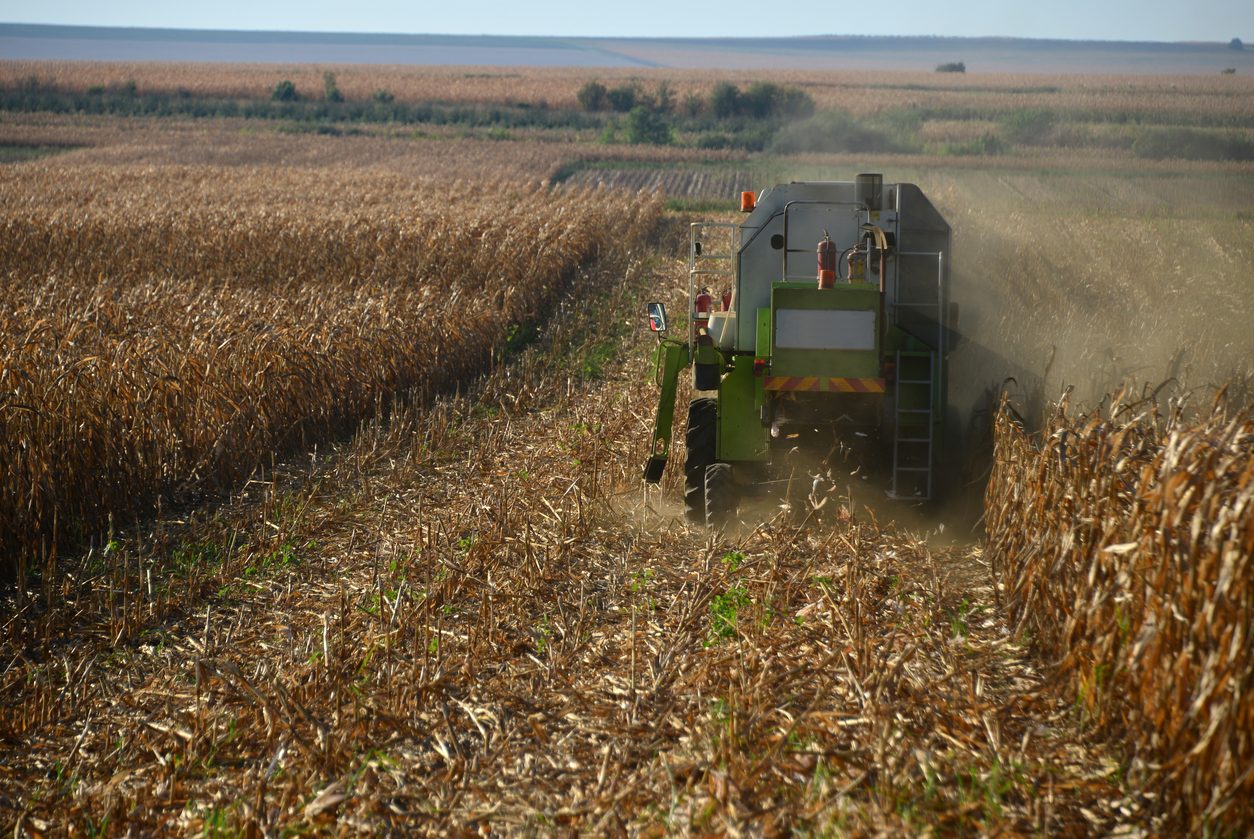
This is the single most important thing to know about moving a combine.
The header is designed to detach and it travels on its own header trailer. A combine with the header fitted is unmovable on a public road; with it removed the machine itself is usually manageable, though still wide and tall. Corn heads and draper heads both come off the same way.
That makes a combine move two loads rather than one, and it should be quoted that way from the start. The header trailer is a specific piece of equipment, and pretending the header can ride on the same deck is how a move falls apart on the day.
The same logic applies to a sprayer. Booms fold, but folded is not the same as narrow, and on many machines the folded width still needs a permit.
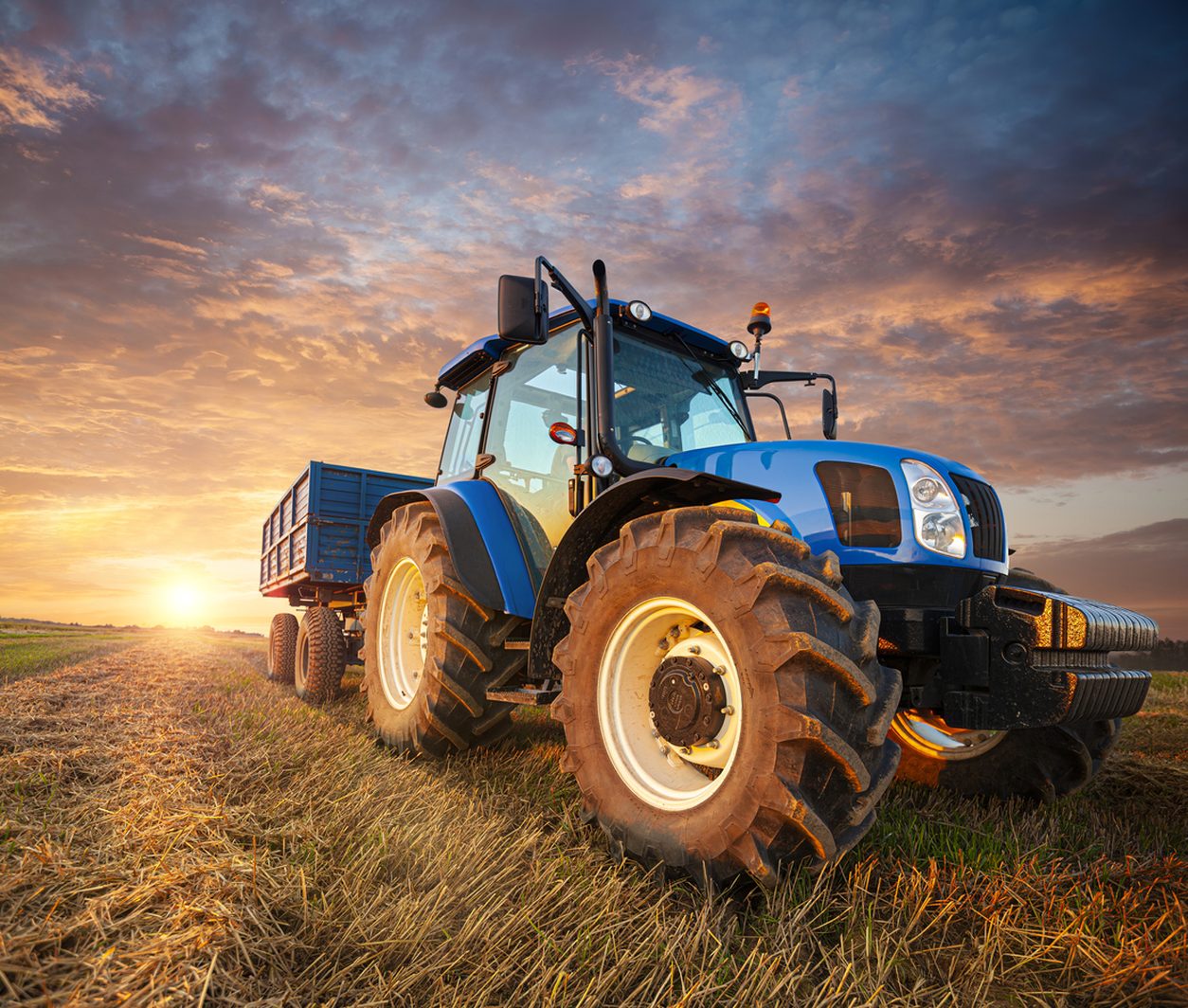
What Comes Off a Tractor
Tractors vary enormously and the reductions available differ by machine.
Dual wheels come off, and removing them is frequently the difference between a legal load and a permitted one. Wide flotation tires do the same thing at the same cost. Front weights, three point implements, loaders and any mounted attachment all come off and change both the weight and the envelope.
Cab height is the other constraint. A modern tractor with a cab and a beacon can be 10 to 12 feet tall on its own tires, and on a trailer deck that is already over the 13 feet 6 inch limit. Some machines allow the exhaust stack and beacon to be removed, which buys back a useful amount.
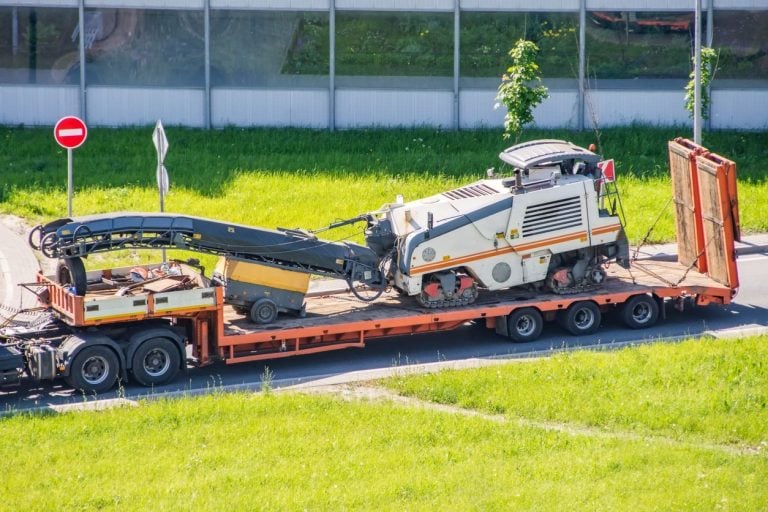
Track machines never travel on their tracks over any distance and always need a lowboy.
Trailer Selection
Height decides the deck, as always.
A flatbed suits shorter implements and equipment under about 8 feet 6 inches tall. A step deck drops roughly a foot and covers most mid size tractors with the stack removed. A lowboy or an RGN is needed for tall cab tractors, combines and track machines, and an RGN has the advantage of loading from the front once the gooseneck is dropped, which removes the need for ramps.
Headers, implements and lighter wide equipment often travel on a flatbed or a specialized header trailer, since their problem is width rather than height.
Permits and the Season
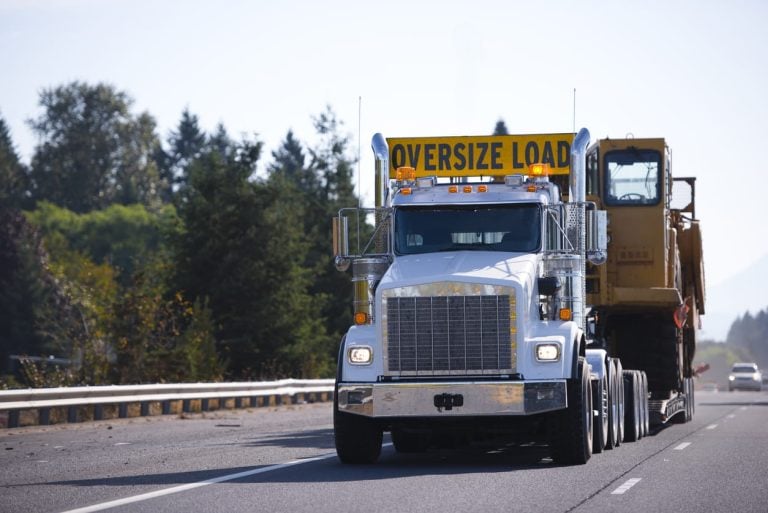
Over 8 feet 6 inches wide, 13 feet 6 inches high or 80,000 pounds gross needs a permit for every state on the route, with escorts commonly required past around 12 feet wide.
Farm equipment moves have a seasonal pattern that ordinary freight does not. Demand concentrates around planting and harvest, and around the auction calendar, which means the carriers with the right trailers are busiest exactly when you need them. Booking a fortnight or more ahead matters more here than on most lanes.
Permitted loads move in daylight on weekdays, so the legal travel windows rather than the mileage set the schedule.
Prepare the Machine
Most damage on a farm equipment move happens during loading, not on the road.
Clean it thoroughly. Mud and crop residue are a falling debris hazard, they hide existing damage, and in some cases they raise questions at state lines about moving soil and plant material. Lower and pin every attachment, remove or fold the stack, beacon and mirrors, reduce fuel to the level the carrier asks for, and lock the brakes.
Then photograph every side, including the glass, lights and undercarriage, and walk the machine with the driver so the condition is on the paperwork before it moves.
Auctions
A great deal of used farm equipment changes hands at auction, and auction lots run on a clock.
Most sites allow a limited period before storage charges begin, and most require a gate pass or release paperwork before a driver can collect. Send us the lot number, the gate pass and the site’s collection hours with the booking, along with the auction’s own description of whether the machine runs and drives.
Common Questions
Can a combine ship with the header on? No. The header detaches and travels separately, usually on a header trailer. It is two loads.
Does a tractor need a permit? Frequently, on width from duals or flotation tires, or on height from the cab. Removing duals often avoids it.
Which trailer will it need? Height decides. Step deck for most mid size tractors, lowboy or RGN for tall cabs, combines and track machines.
Why does it have to be clean? Falling debris is a serious matter, mud hides existing damage, and soil and crop residue can raise questions at state lines.
When should I book? Earlier than you would for other freight. Planting, harvest and the auction calendar concentrate demand on the same trailers.
Get a Quote
Call Ship A Car, Inc. at (866) 452-3657 for heavy haul and specialized freight, with the make and model, the measured width and height as it will travel, and whether it drives under its own power.