What Factors Influence Your Car Shipping Quote?
The factors that influence your car shipping quote, in order of weight: distance sets the floor, lane density sets the price, and that is why a 2,800 mile coast to coast move can cost less per mile than 600 miles into a rural county. A carrier fills a truck with seven to ten vehicles and only earns on the ones it is carrying. A busy lane lets a driver fill up in both directions. A quiet one means an empty return leg, and somebody has to pay for it. Almost everything below is a variation on that.
Distance and the Route It Runs On
Longer moves cost more in total and less per mile, which is the first thing that surprises people.
The cost per mile falls as distance rises because the fixed elements, loading, paperwork, and the driver’s time at each end, are spread over more miles. A 300 mile move can be over a dollar a mile; a cross country run is a fraction of that.
But the route matters more than the mileage. A load between two major metros on an interstate corridor gets assigned quickly at a sensible rate. The same mileage ending in a rural county requires a driver to leave the corridor and come back, and that detour is priced.
The Vehicle Itself
Size and weight decide how much of the truck your car occupies.
A hauler is limited by both space and total weight, so a full size pickup or a large SUV takes the place of what could have been a sedan plus part of another. Expect a meaningful premium over a compact car for anything large, lifted, or unusually long.
Modifications count too. A lift kit adds height, oversized tires add width, and a lowered car may not clear a standard ramp at all. Declare these at booking, because a vehicle that does not match its description can be refused at the curb.
Whether It Runs
A car that starts, rolls, brakes and steers loads normally. One that does not needs a winch, which typically adds around $100 to $250.
A vehicle that will not roll or steer at all is a different job again, needing specialist equipment at both ends. This is the single most common cause of a price changing after booking, and it is entirely avoidable by being precise up front.
Open or Enclosed
Enclosed transport costs about a third more than open.
Open carriers move the overwhelming majority of vehicles in the country, including almost every new car delivered to a dealership. Enclosed earns its premium on genuinely valuable, rare, low clearance or freshly restored vehicles, where road grit and stone chips represent a real loss. On an ordinary daily driver it is money spent on reassurance.
Season and Direction
The same lane can be expensive one way and cheap the other in the same week.
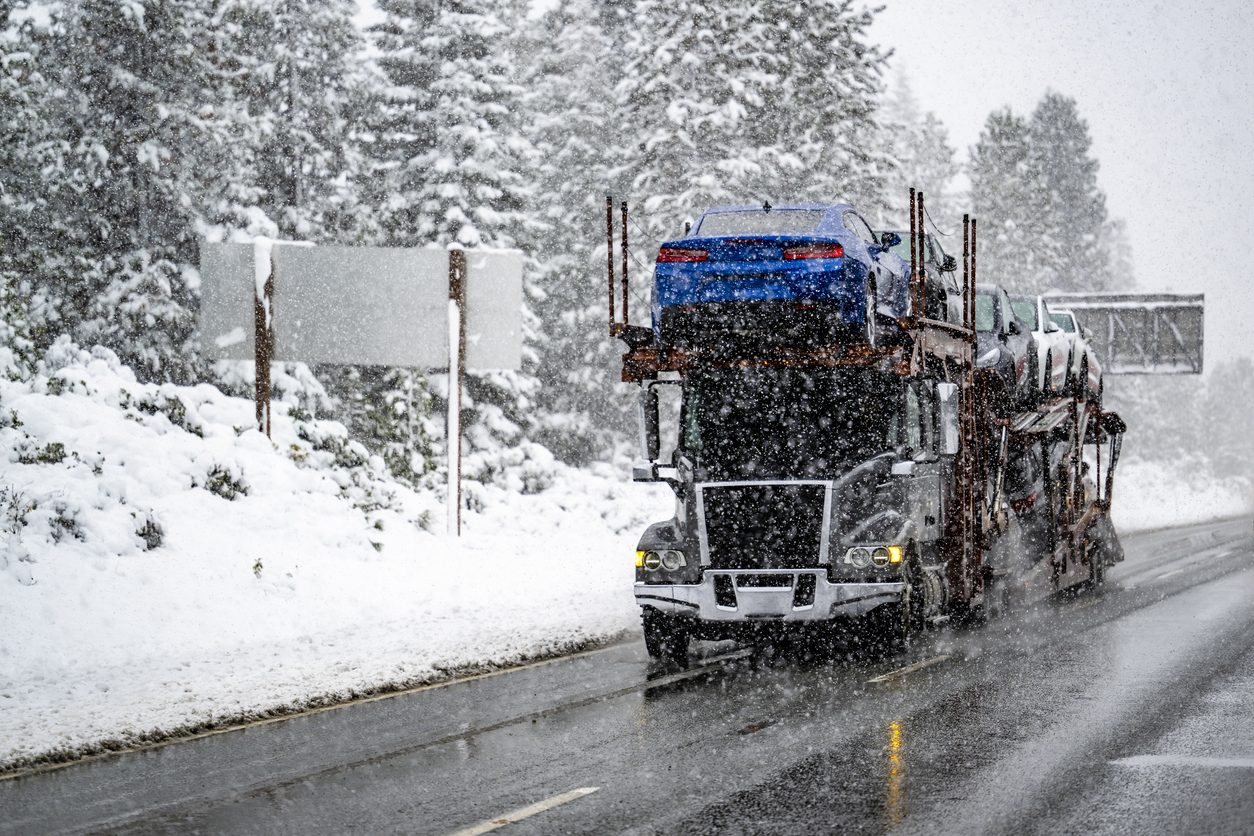
Snowbird traffic runs south from October into December and north from March into May, and in the peak direction demand outruns supply. Summer is the busiest period overall because of relocations and school calendars. January and February are generally the quietest and cheapest, with the caveat that winter weather in the north can add days to a transit.
Whatever the season, the quiet direction on any lane is the cheap one, because carriers need loads to fill the trip back.
How Soon You Need It
Two to three weeks ahead is the useful booking window on most lanes.
Booking earlier does not lower the price, because carriers do not commit that far out. Booking inside a week means paying for urgency, and inside 48 hours you are paying whatever it takes to pull a truck off its existing plan.
Related to this, and more valuable than most people realize: a pickup window of several days prices better than a single fixed date, because the load fits into a route being built now rather than requiring one to be built around it.
Access at Both Ends
A car hauler is around 75 feet long and cannot work narrow streets, low bridges, gated communities or tight cul de sacs.
When a driver cannot reach the address, you either wait for one willing to try or meet at a large lot nearby. The second is usually faster and cheaper, because it widens the pool of drivers who can take the load.
With those factors in hand, our guide to how to get an accurate car shipping quote shows what to have ready so the number you are given actually holds.
Fuel and Market Conditions
Diesel prices feed straight into rates, and carrier availability moves with the wider freight market.
Neither is something you control, and neither should be the reason you delay a booking. They explain why a quote today differs from one six months ago; they do not usually change the decision.
Why the Cheapest Quote Often Never Moves
This is the part of pricing that customers see the effect of without ever seeing the cause.
Your vehicle is posted to a digital load board with a route, dates and a rate. Carriers running that corridor see it next to everything else available and choose. If the rate is competitive for that lane on that day, it is accepted quickly. If it is below market, it sits, and your pickup date slides while you wait for somebody to take it.
So a quote well below the others is not a bargain; it is a bid that may never be accepted. Meanwhile the broker who gave it has your booking and you have stopped shopping. A realistic rate that assigns in three days beats an optimistic one that assigns in three weeks, and on a dated move it beats it by a long way.
Compare quotes on what they include rather than on the headline number, and treat an outlier on the low side as a question rather than a win.

What a Quote Should Actually Tell You
A quote worth comparing states four things plainly.
What is included: door to door or terminal, open or enclosed, and whether the figure covers everything or excludes fuel surcharges and additional fees. What the pickup window is, as a range of days rather than a promise. What the cargo insurance covers, specifically its per-vehicle limit, which is the number that matters if anything happens. And when payment is due, since a large deposit taken before a carrier is even assigned is a warning rather than a formality.
Ask for the carrier name and USDOT number once the load is assigned. You can check the authority and insurance yourself in a couple of minutes, and a company that will not tell you who is actually moving your car has told you something useful.
Common Questions
Why is a shorter move more per mile? Fixed costs at each end are spread over fewer miles, and short lanes are often less dense.
How much more is a large SUV? Meaningfully more than a compact, because it occupies more space and weight on the truck.
Does a non running car cost more? Yes. Winching typically adds around $100 to $250, and a car that will not roll costs more again; that range comes from experience rather than the order book. For the shipping itself, across all our single vehicle car moves since 2023 the middle half ran $900 to $1,550.
When is the cheapest time to ship? Generally January and February, and always the quiet direction on your lane.
What can I actually control? Flexibility on dates and an accessible pickup point. Both do more than negotiating.
Get a Quote
Call Ship A Car, Inc. at (866) 821-4555 with both zip codes and your date range, or request an estimate for your lane through the quote calculator.