Ask anyone to guess the busiest car shipping lane in America and they will name I-95. In our booking records the answer crosses an ocean: California to Hawaii moves more vehicles than any highway corridor we run, and the return sailing ranks in the top ten on its own. This report maps the corridors that actually carry American auto transport, drawn from our own dispatch records: which lanes run deepest, what the middle of the market really pays on each, and the direction tricks that save real money.
The Ocean Is a Highway
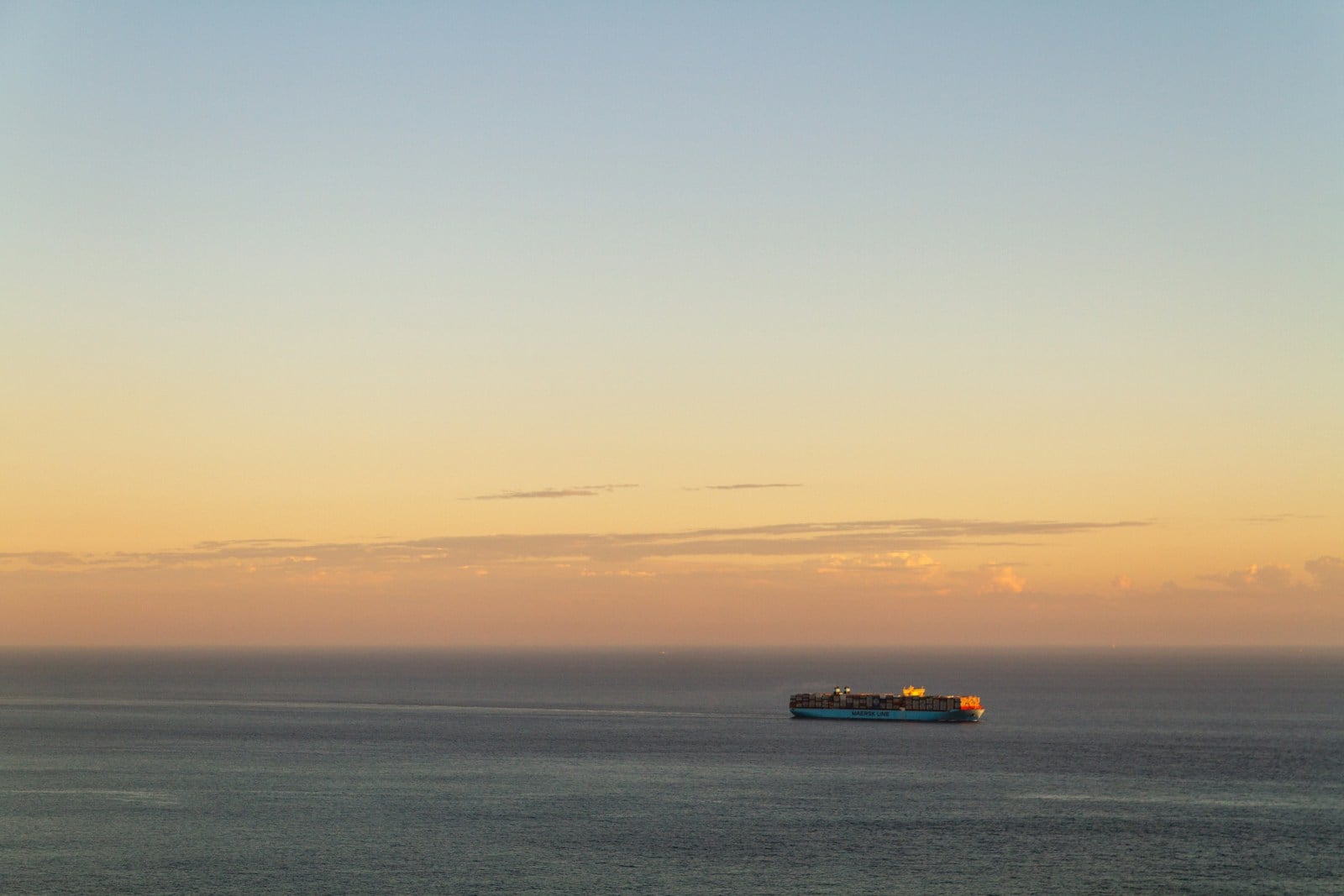
The California to Hawaii lane tops our book for a simple reason: it is the one move almost nobody attempts alone. A mainland relocation can be driven; an island one cannot, so every military family, university hire, and returning local on that route becomes a shipment. The lane runs on scheduled sailings out of the California ports, it runs all year, and it runs home again: Hawaii back to California sits comfortably among our largest corridors. The island end of the move is covered in detail on our Honolulu car shipping page.
The Rivers That Run Both Ways
The next thing the records show is that the great lanes are rivers, not one-way pipes. California and Texas trade places at the top month after month, New York and Florida feed each other in both directions, and Florida returns almost as many cars to the Northeast as it receives. To keep our book our own, volumes below are shown as a percentage of the busiest lane, and prices as the band the middle half of shipments actually paid, rounded to the nearest fifty dollars.
And notice which state touches half the table: Florida appears in six of the twelve lanes, sending and receiving in volume with New York, Texas, and California alike. Florida is not a destination in this business so much as the hub the national map rotates around, which is why capacity there stays deep in every season and why the state gets its own chapter in every report we publish.
What the Bands Are Telling You
Read the table closely and three honest stories fall out of it.
New York and Florida price like mirror images. Across a full year the two directions land within a few dollars of each other, because the fall southbound premium and the spring northbound premium cancel out. The season you travel matters far more than the direction you call home, and our Snowbird Migration Index maps exactly when each direction runs hot.
The backhaul discount is real. Where a corridor has a heavy direction, the light direction rides cheaper: cars heading down the Pacific coast into California cost meaningfully less than the same route northbound, because carriers would rather fill a returning deck at a discount than drive it empty. If your move happens to point the quiet way, you inherit that discount without negotiating for it.
Coast to coast is the premium product. New York and California trade almost equally in both directions and both bands sit at the top of the table: twenty-eight hundred miles is simply the most truck you can buy. Timing still moves the number inside the band, and our price calendar shows which months sit where.
A Carrier in About Three Days
One number in our records belongs in every planning conversation: across the whole book, the median time from booking to an assigned carrier is about three days. That is the machinery working normally, a dispatcher matching your vehicle to a deck that is already heading your way. It also explains the advice that never changes: give the booking a window rather than a date, and the deep-lane machinery does the rest.

Deep Lanes, Thin Lanes, and Where You Live
A deep lane rewards flexibility: on the corridors above, an open pickup window of two or three days routinely catches a through-load and beats any fixed-date quote. A thin lane rewards geography: if your move starts far from the rivers, the smart play is often meeting a truck in the nearest corridor city rather than paying a detour premium to your door. The rest of what genuinely moves a quote, in any lane, is collected in our guide to the cheapest way to ship a car.
Methodology
This report aggregates Ship A Car, Inc. bookings from 2019 through August 2026, counted as booked orders rather than completed deliveries. Lane volumes compare origin-to-destination state pairs, leaving out moves that start and end in the same state; every lane in the table clears the same minimum sample, and volumes are expressed as a percentage of the busiest lane rather than as unit counts, so no absolute volumes appear in this report. Price bands cover the middle half of priced shipments on each lane, rounded to the nearest fifty dollars, and include all vehicle and trailer types that lane carries, which is why wide bands appear on lanes with heavy truck and SUV traffic. Carrier-assignment timing is the median across all bookings. No customer information is included, and all figures are aggregates.
Common Questions
What is the busiest car shipping route in America? In our book, California to Hawaii, ahead of California to Florida and the two-way California and Texas trade. The busiest highway corridor is the Northeast to Florida river: New York, New Jersey, Pennsylvania and New England to Florida, added together, outrun even the Hawaii sailing, though no single Northeast state does on its own.
How much does New York to Florida cost? The middle half of our shipments on that lane lands between $1,050 and $1,600, with the season setting where in the band a given week falls.
Which direction is cheaper on a two-way lane? The one the crowd is not using. Backhaul decks price down rather than drive empty, so the quiet direction of any seasonal corridor carries a built-in discount.
Why is the price a band and not a number? Because a lane carries sedans and dually pickups, open and enclosed, metro pickups and rural ones. The band is what the honest middle actually paid; your exact vehicle and dates pick your point inside it.
Is shipping to Hawaii complicated? It is routine: scheduled sailings, one booking, one contract, with ground legs arranged around the vessel date. It is the single most practiced move in our book.
Get a Quote
Call Ship A Car, Inc. at (866) 821-4555 with your two zip codes, and a coordinator who runs these lanes daily will tell you where your route sits in this report and what your dates do to the band, or price it exactly with the instant calculator.