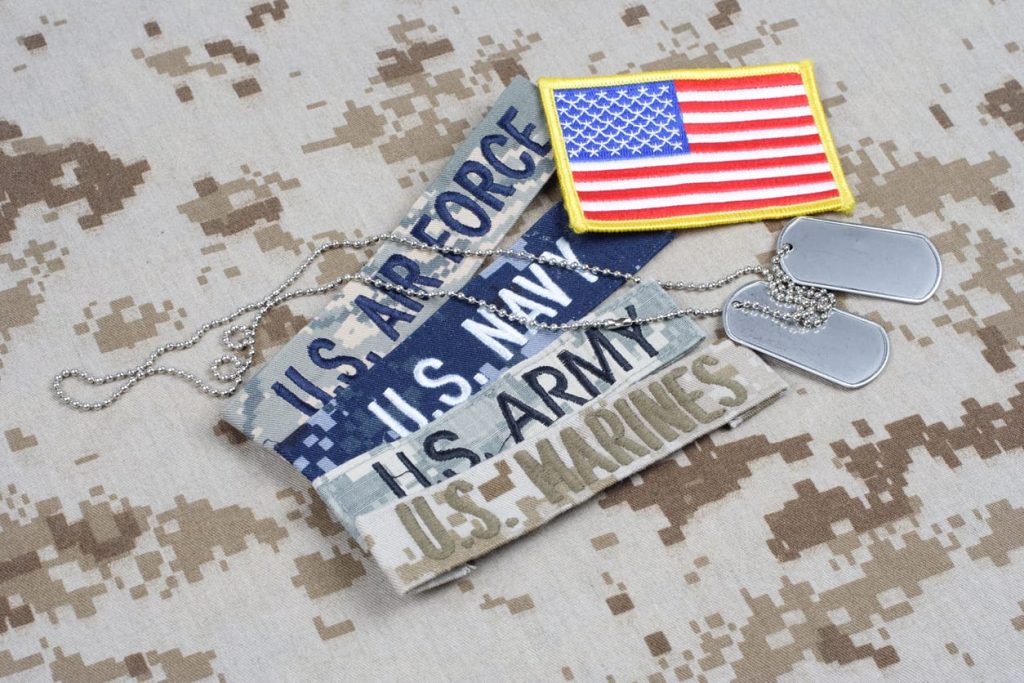
The Short Answer, Destination by Destination
The short answer: for a stateside move the military usually will not ship your car, and for Alaska or Hawaii it usually will, one privately owned vehicle at government expense. That is how Military OneSource states the entitlement: one POV at government expense on permanent change of station orders, while the cost of a CONUS to CONUS move is largely your own responsibility. Everything after that one sentence is detail, and the detail is where moves go wrong: the three destinations carry different entitlements, different timelines, and different preparation rules.
Your transportation office is the authority on your specific orders, and entitlements change. What follows is how the three cases differ and what to have ready.

The Two Ways Any Military Move Happens
Before the destinations, the two mechanisms, because both apply everywhere.
A government arranged move has the military contract a carrier. Less work for you, less control over timing. Where a vehicle shipment is an entitlement, this is how it is normally executed.
A personally procured move, still widely called a DITY, has you arrange the transport and claim reimbursement. It can put money in your pocket and it lives or dies on documentation: certified weight tickets where weight is the basis, and receipts for everything. A PPM without paperwork is a move you funded yourself. One limit catches families out: a PPM pays for household goods by weight, and a car is not household goods, so a PPM will not reimburse shipping one.
Whichever applies, nothing can be booked until orders are in hand, and the transportation office appointment should be treated as urgent rather than as next week’s task.
Will the Military Ship My Car Stateside? Usually You Drive
For a permanent change of station within the continental United States, shipping a privately owned vehicle at government expense is generally not a standard entitlement. The expectation is that you drive, and travel allowances are structured around that.
There are exceptions worth asking your transportation office about, and they turn on circumstance rather than preference: Military OneSource names being unable to drive for medical or personal reasons, and a drive that would take longer than the time you have before your report date.
The question most stateside families actually face is the second vehicle, and there are only three answers: someone drives it, it goes into storage, or you ship it commercially at your own cost. That third option prices better than most people assume once fuel, lodging, meals, days of leave and the mileage added to the car are totaled honestly. Our page on shipping a car versus driving it yourself works through that arithmetic.
Ask about a military discount whenever you get quotes, because it is often not applied unless you mention that you are serving. At Ship A Car it is $25 off for active-duty service members and veterans, and your coordinator applies it when you say so at the quote.
Shipping a Car to Alaska on Military Orders
Alaska counts as an overseas move for this purpose, so one privately owned vehicle commonly ships at government expense on orders there. Confirm the specifics for your own orders with your transportation office.
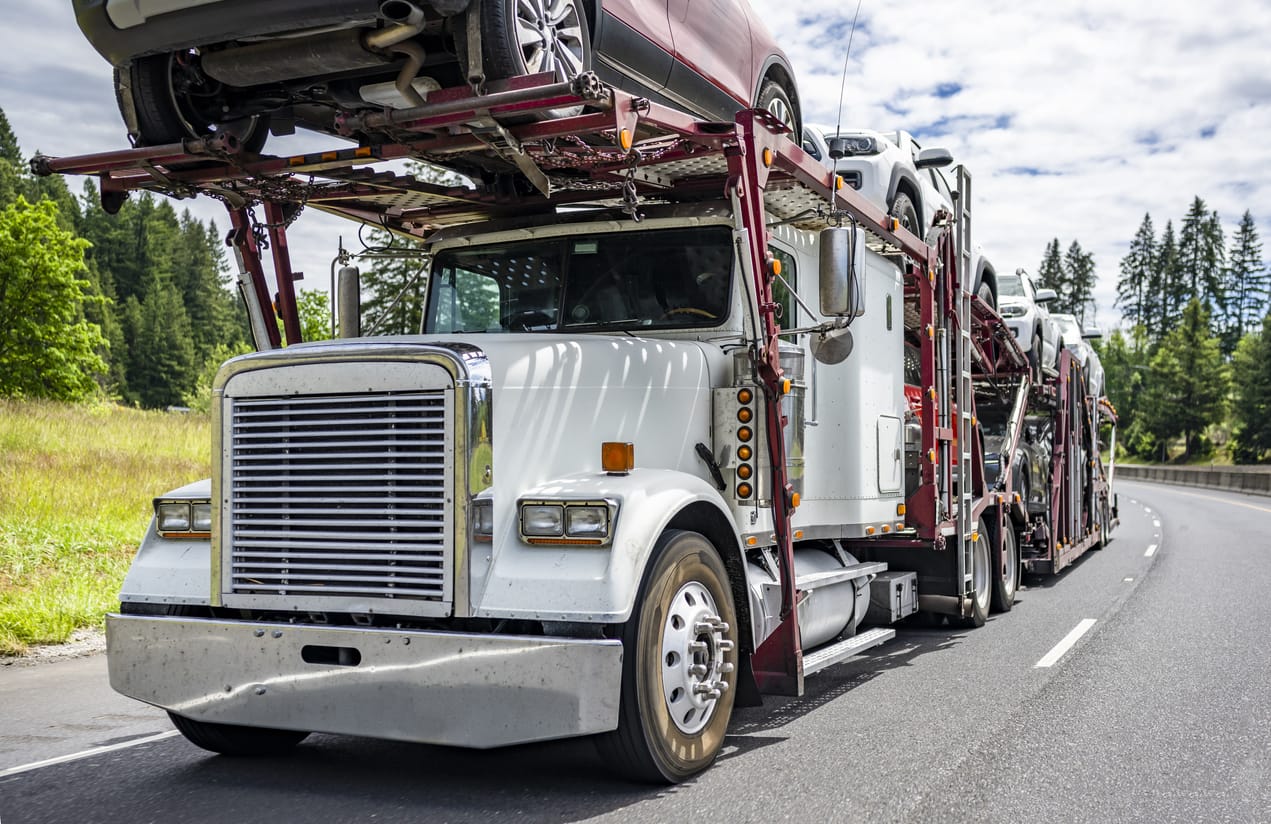
What makes Alaska hard is the route rather than the paperwork. There are two ways a vehicle gets there and they behave differently.
By barge or ocean carrier, typically out of Washington state to Anchorage. No border crossing, no highway miles added, and often the faster and more predictable option.
By road up the Alaska Highway, roughly 1,400 miles of it through Canada. That means two international crossings with documentation in each direction, long distances between services, and strong seasonality. Winter transport is possible, more expensive and carries real weather exposure.
Two practical consequences. Timelines are longer than the lower 48 and should be planned with weeks of margin, not days. And interior destinations such as Fairbanks are served more directly by road, while coastal destinations suit barge. A second car shipped commercially moves as two orders with us, a truck to the yard in Kent, Washington and then the sailing north, as our Alaska car shipping page lays out.
Military Car Shipping to Hawaii: One Vehicle, Strict Rules
Hawaii is an overseas move for entitlement purposes, and shipment of one privately owned vehicle at government expense is commonly authorized. Again, confirm against your orders.
Hawaii is where the vehicle condition requirements bite hardest, and they are enforced rather than advisory. Expect the vehicle to need:
A thorough cleaning, underneath as well as outside. Agricultural inspection is real, and soil, plant matter or insect material on the undercarriage will fail it. A pressure wash of the wheel wells and underbody is not optional.
An empty interior. Personal items are generally prohibited in a shipped vehicle on this route. Not discouraged, prohibited.
A low fuel level, commonly around a quarter tank or less, and a functioning battery secured properly.
No propane, fuel cans, aerosols or other hazardous items anywhere in the vehicle.
Documentation matching exactly: title, or a lienholder authorization letter if the vehicle is financed, current registration, and your orders. A lienholder letter takes time to obtain and is a common cause of a missed booking.

Note also that a second vehicle is generally not covered, and shipping one commercially to Hawaii is expensive because it is ocean freight rather than trucking. Your transportation office can approve shipping it at your own expense; done commercially it is a truck to the port yard in Long Beach or Oakland and then the sailing, as our Hawaii car shipping page explains. Many families sell the second car rather than move it.
What Applies to All Three
Photograph the vehicle thoroughly in daylight after washing it: every panel, both bumpers, the wheels, the roof and the odometer, with close detail on existing damage. Read the condition report at drop off, disagree at the time if it is wrong, and keep your copy. Inspect before signing at collection.
Keep with you rather than in the vehicle: orders and copies, identification, registration, insurance documents, and anything irreplaceable.
Plan for the gap. A vehicle does not arrive when you do, and on Alaska and Hawaii routes the interval is measured in weeks. Arrange interim transportation rather than assuming.
Timing and the Peak
Military moves concentrate from roughly May through August, which is also when every other family in the country relocates. Capacity on the Alaska and Hawaii routes is finite and books earlier than people expect.
If your report date falls in that window, treat the transportation office appointment and any commercial booking as things to do the week orders arrive.
Common Questions
Will the military ship my car within the continental US? Generally not as a standard entitlement. The expectation is that you drive, with exceptions worth raising with your transportation office.
Will the military pay to ship my car to Alaska? Commonly yes as an entitlement on Alaska orders. Confirm the specifics for your orders and service.
Will the military pay to ship my car to Hawaii? Commonly yes for one privately owned vehicle, treated as an overseas move.
What is the strictest requirement? Hawaii’s vehicle condition rules: agricultural cleaning including the undercarriage, an empty interior, low fuel, and exact documentation.
Can I ship a second vehicle? Generally not at government expense. Stateside that means driving, storing or shipping commercially; to Hawaii it means ocean freight, which is why many families sell it.
Can a motorcycle be the one vehicle? Yes. Military OneSource counts a motorcycle or moped as your privately owned vehicle as long as no car ships at government expense on the same orders.
Get a Quote
Call Ship A Car, Inc. at (866) 821-4555 with both zip codes, your report date and a note that you are military, or request an estimate for the move through the quote calculator, and see how our military car shipping service handles the vehicle your orders do not cover.