How to Ship a Jeep Wrangler
A Wrangler is the vehicle most likely to be quoted wrong, because almost nobody ships a stock one. A lift, larger tires, a roof rack, a winch bumper and a spare on the tailgate change the height, the length and the weight, and every one of those changes what a carrier has to plan for. Give the real configuration and the price stops moving after you book.
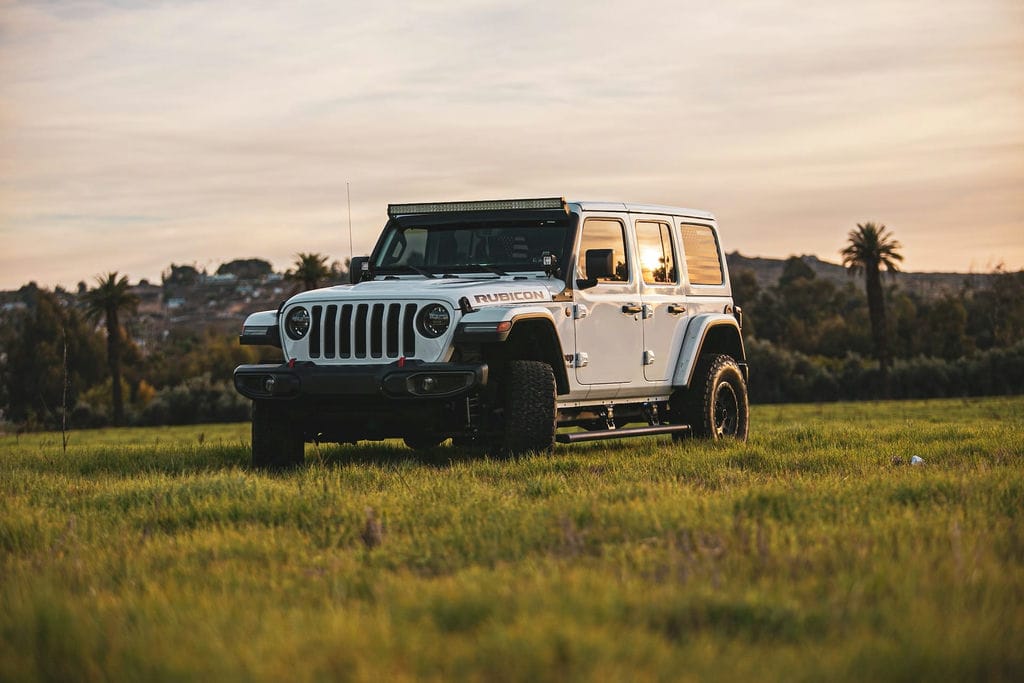
Modifications Are the Whole Question
A stock two-door Wrangler is around 3,900 pounds and roughly 6 feet high. A four-door Unlimited is longer and heavier. Neither presents a problem.
What presents a problem is the modified one, and modified Wranglers are the norm rather than the exception.
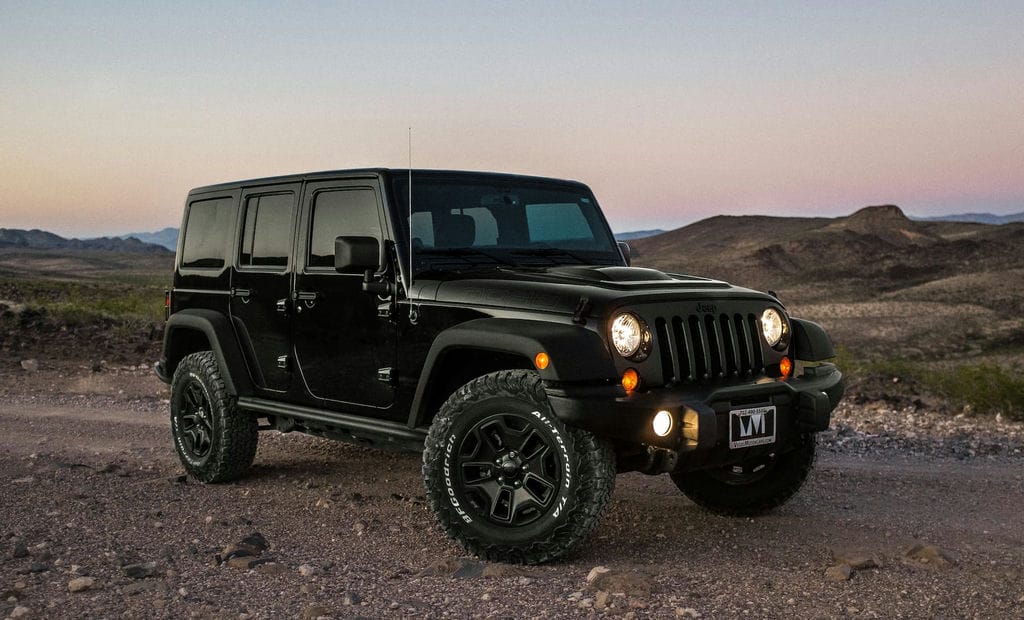
Lift kits. A 3 or 4 inch lift plus 35 inch tires can put a Wrangler close to 7 feet 6 inches, and on a two level hauler the upper deck has limited clearance. A tall Jeep may only fit in specific positions, which the carrier has to plan around.
Roof racks and light bars. These add height at exactly the point where clearance is tightest, and a light bar on a rack is easy to catch.
Bumpers, winches and tire carriers. A steel front bumper with a winch adds real weight at the nose. A rear tire carrier with a 35 inch spare adds length and weight behind the rear axle.
Soft tops. A soft top on an open trailer at highway speed for several days is exposed in a way a hard top is not. If the top is old or the zips are tired, expect wear, and consider enclosed.
Measure the actual height at the tallest point, with the tires you are shipping on, and give that number. The brochure figure is for a vehicle you probably do not own.
What Changes the Price
Size and weight. A Wrangler takes more deck space and weight than a sedan, and a lifted one restricts which deck positions work.
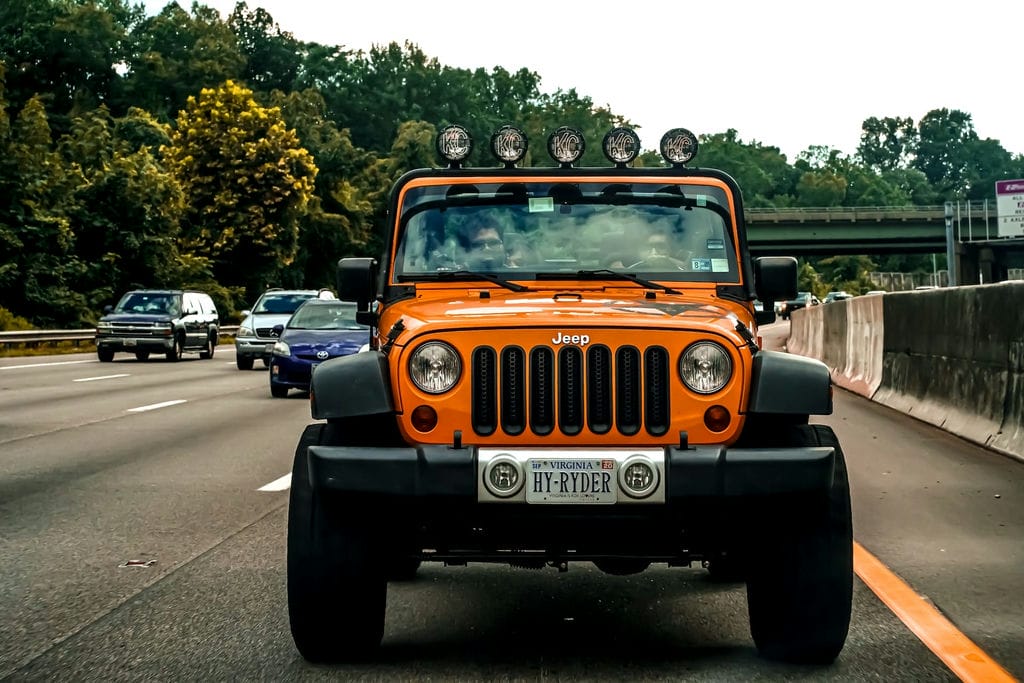
The lane. How much carrier traffic already runs your route matters more than mileage.
Timing. A range of pickup days is worth real money, and summer is the busiest season.
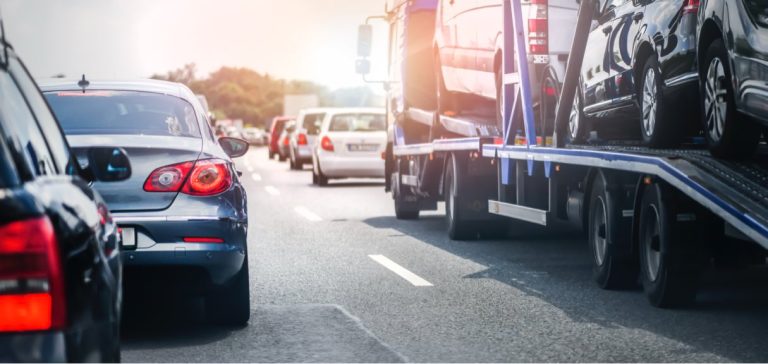
Access at both ends. A loaded hauler is around 75 feet long. A narrow street with low branches means a meeting point at a large lot near a highway.
Whether it runs. A project Wrangler that does not start needs a winch and a carrier equipped for it. Say so up front.
Open or Enclosed
Open transport is right for almost every Wrangler and it is what most owners use. These are vehicles designed to be outside.
Enclosed costs about a third more and makes sense in three cases: a soft top you care about, a restored or collector Jeep such as a CJ or an early YJ, and a new or nearly new build where the paint and the accessories are a large share of the value.
One practical point: enclosed trailers have their own interior height limit, and a lifted Wrangler that fits fine on an open deck may not fit inside an enclosed one. Ask before assuming enclosed is available for your build.
Preparing It
Wash it, including the underside if it has been off-road. Caked mud hides existing damage, adds weight and falls off on the highway.
Photograph every panel in daylight, plus the wheels, the lower bodywork, the bumpers and the soft top if fitted. Photograph the odometer. On a modified Jeep, photograph the accessories specifically, because a scuffed rock slider or a bent light mount is exactly what gets disputed.
Remove or secure everything that comes off: light bars if they unbolt easily, antenna, recovery gear, roof rack contents, and anything in the tub. Doors and the top, if you run without them, need to be either fitted or shipped separately as freight.
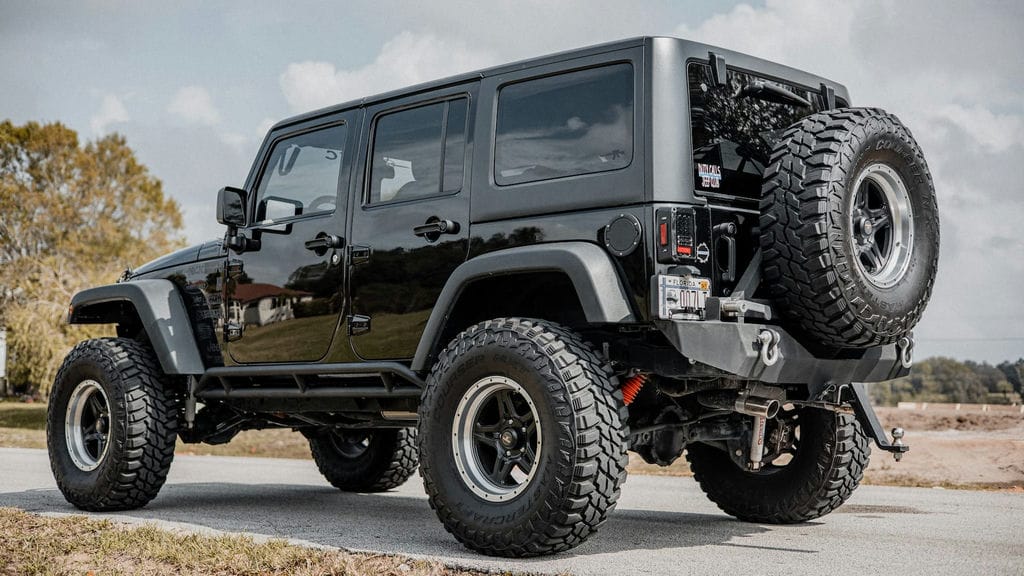
Leave about a quarter tank of fuel. Empty the cabin completely, since personal items are not covered by cargo insurance. Fold the mirrors, disable a motion sensitive alarm, and remove a toll transponder.
Check tire pressures. Large off-road tires run at lower pressures than road tires and behave differently under strap tension, so tell the driver what they are set to.
At Pickup and Delivery
Walk around the Jeep with the driver rather than handing over the keys. The condition report on the bill of lading is written at pickup and it is the document that settles a dispute.
At delivery, inspect before signing, in daylight if at all possible, and compare against your photographs. On a Wrangler, check the soft top and its rear window, the rock sliders, the bumper corners and the wheels first, since those are where loading contact happens.
Note anything unexpected on the paperwork while the driver is still present. If it arrives after dark or in heavy rain, write that a full inspection was not possible before you sign. Our guide to what car shipping insurance actually covers explains the cargo policy.
Transit Times
Once collected, plan on one to two days regionally, three to five across half the country, and five to seven coast to coast, plus a few days for a carrier to be assigned beforehand.
Treat a delivery date as a range rather than an appointment. Drivers work under federal hours of service limits and a hauler making several stops does not travel in a straight line.
Common Questions
What does the carrier need to know? Two-door or Unlimited, the measured height at its tallest point with the tires fitted, and every modification: lift, tires, rack, bumpers, winch and tire carrier.
Can a lifted Wrangler be shipped? Yes, but disclose the lift. It restricts which deck positions work and may rule out an enclosed trailer.
Should I remove the doors or top? Ship it with them fitted where possible. Removed doors and tops travel as separate freight, not loose in the tub.
Do I need enclosed? Only for a soft top you care about, a collector Jeep, or a new build where the accessories are the value.
What if it does not run? Declare it when you book. A project Jeep needs a winch and a carrier equipped for it.
Get a Quote
Call Ship A Car, Inc. at (866) 821-4555 with both zip codes, the measured height and every modification, or request an estimate for the move through the quote calculator.