Buying a Used Food Truck Out of State: Inspect It, Pay Safely, and Get It Home
The right used food truck is almost never parked in your own city. The used market for built-out trucks is national and thin: a properly equipped rig at a fair price lists in Phoenix and sells to a buyer in Nashville, because serious buyers learned long ago to shop the whole country. That long-distance reality shapes every step of the purchase, and this guide walks through all of them.
We move food trucks for a living, and they are among the most successful purchases we see cross state lines. Here is what the buyers who do it well get right.
Why the Search Should Be National
A food truck is really two purchases in one: a commercial vehicle and a commercial kitchen bolted inside it. That combination makes local inventory scarce and pricing inconsistent, and it means the spread between a fair deal and a bad one runs into five figures. Widening the search from your metro to the whole country multiplies your options and pays for the logistics many times over.
It also lets you shop builds instead of promises. An empty step van with a builder’s quote is a project; a truck with a proven kitchen, clean permits history and service records is a business. The second kind is worth crossing state lines for.
Truck or Trailer: Decide Before You Shop
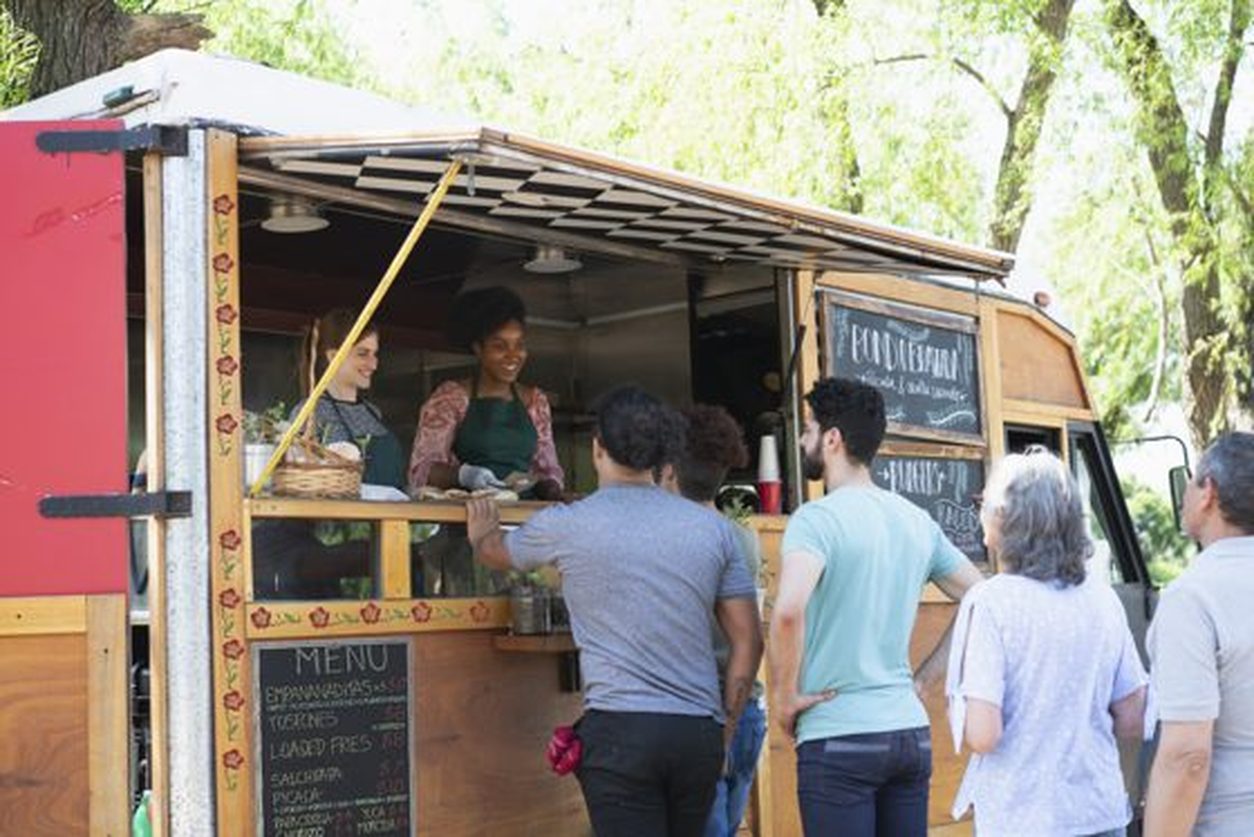
The market splits between motorized trucks and towable food trailers, and the right answer depends on your operation. A truck is self-contained: one vehicle, one driver, park and serve. A trailer costs less for the same kitchen, separates your kitchen from your drivetrain (an engine failure does not close your business), but requires a tow vehicle and more parking skill. Trailers also change the transport math when you buy at a distance: a roadworthy trailer can travel as a tow-away, while a truck either drives home or rides on a carrier.
Inspecting a Rolling Kitchen
Two inspections, ideally by two different people.
The vehicle: most food trucks are older commercial chassis with hard lives. Pay a mobile diesel or fleet mechanic where the truck lives, not a passenger-car shop, and get the cold start on video. Rust matters more than miles on step vans, and a tired transmission costs more than most kitchen equipment.
The kitchen: run everything, at the same time. Hood and fire suppression system with current inspection tags, generator under load, all burners, refrigeration pulled down to temperature and held, water system, propane system with leak test dates. Fire suppression certificates and propane system paperwork are the two items buyers forget to demand and the two that health and fire inspectors will absolutely demand from you later.
The paperwork: title matching the seller and the VIN, and any records of where the truck operated. A truck permitted for years in one county has a compliance track record; a truck nobody can place is a question mark you price accordingly.

One Rule Nobody Tells First-Time Buyers
Your county’s health department rules travel with YOU, not with the truck. A rig that passed inspection for years in another state can still fail yours over hood dimensions, sink count, water tank capacity or propane setup. Before you send a deposit anywhere, call your local health department with the truck’s spec sheet and ask what would fail. Ten minutes on that phone call has saved buyers we work with from five-figure mistakes, and it is the single cheapest step in this entire process.
Paying Safely at a Distance
The used food truck market has real sellers and real scammers, and the difference shows in process. Video walkarounds on demand, a VIN you can run, an inspection they welcome, and an escrow service or verified-funds closing they accept: those are the marks of a legitimate sale. A seller who resists third-party inspection or pushes wire-transfer urgency is telling you everything. For five-figure purchases, an escrow service costs little and removes the worst outcomes entirely.

Getting It Home
You have three options, and the flight-and-drive is the one we talk buyers out of most often. A twenty-year-old step van you met yesterday, loaded with your new kitchen, on a thousand-mile shakedown run, is a gamble with your opening date. When it breaks, it breaks in the middle distance where nobody knows a mechanic.
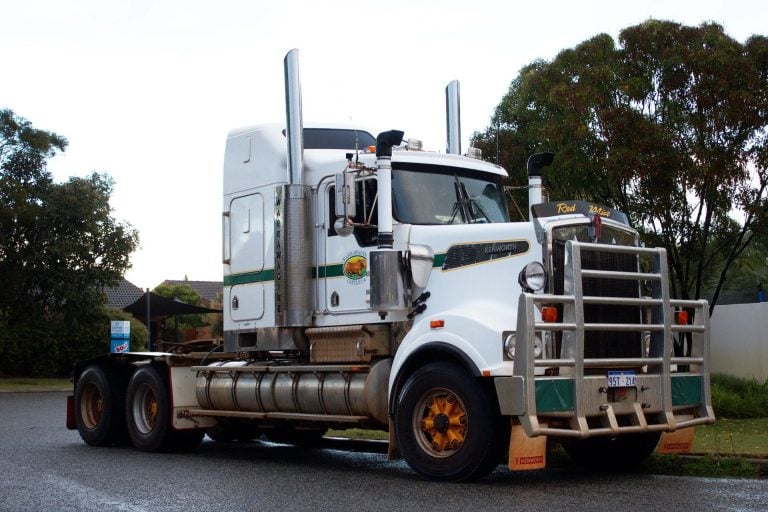
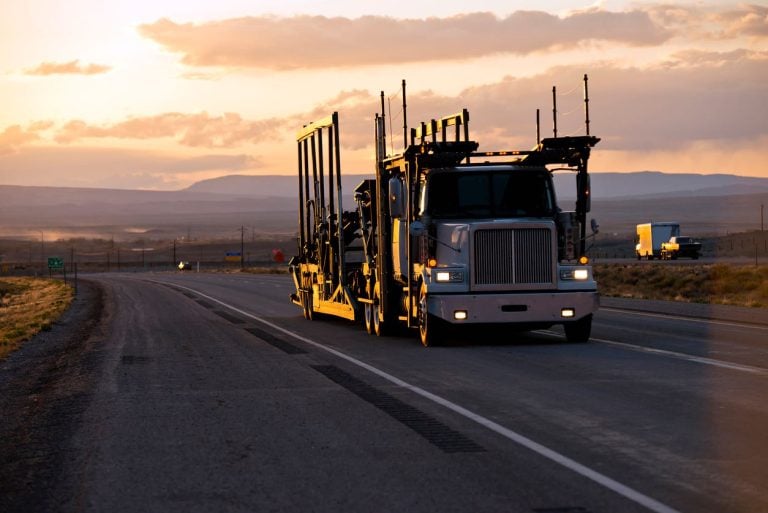
Professional transport treats the truck as freight: it travels on or behind a carrier rig, insured, while you fly home and work on permits. Height is the number that matters most; hood stacks and roof equipment make many food trucks tall loads that need the route survey a specialized carrier runs as a matter of course. Weight, propane shutoff, secured interior equipment and drained water tanks round out the prep list. The process detail lives in our guide to shipping a food truck across the country, and our food truck shipping service handles the whole move door to door.
For trailers, a power-only carrier couples to your new trailer and delivers it, which is usually the cheapest professional option and requires the trailer’s lights, brakes and tires to be genuinely roadworthy.
Inside the truck, treat transport day like a small kitchen move: latch or remove everything loose, strap the fryer baskets and shelving, empty and prop the refrigeration doors, and photograph the interior and every exterior panel in daylight before it loads. Wraps and paint are part of your brand; the photo record protects them.

The Budget Line Most Buyers Miss
Work transport into the offer math from the beginning, not as an afterthought. When the out-of-state truck is priced thousands under your local market, the transport cost is a fraction of the savings, and knowing your delivered cost lets you negotiate with real numbers. The buyers who do this well get quotes while they are still comparing trucks, which also tells them whether a tall or extra-heavy rig carries a transport premium worth factoring into the choice itself.
Common Questions
Is it worth buying a food truck from another state? Usually yes. The national market is where the well-built, fairly priced trucks are, and transport costs far less than the price spread between markets.
Should I drive a newly purchased food truck home? We advise against long first drives. An unproven commercial vehicle carrying your entire kitchen is the wrong place to discover deferred maintenance.
What should be inspected before buying? The chassis by a fleet mechanic, the kitchen systems under simultaneous load, fire suppression and propane paperwork, and the title chain.
Will an out-of-state truck pass my local health inspection? Not automatically. Rules follow your county, not the truck. Call your health department with the spec sheet before you commit.
How does a food truck ship? As specialized freight, with height as the critical measurement, propane off, interior secured and tanks drained. Trailers can move power-only behind a carrier tractor.
Get a Quote
Call Ship A Car, Inc. at (866) 452-3657 with the truck’s dimensions, weight and both zip codes, or price the move with the specialized transport calculator.