How to Ship an Engine
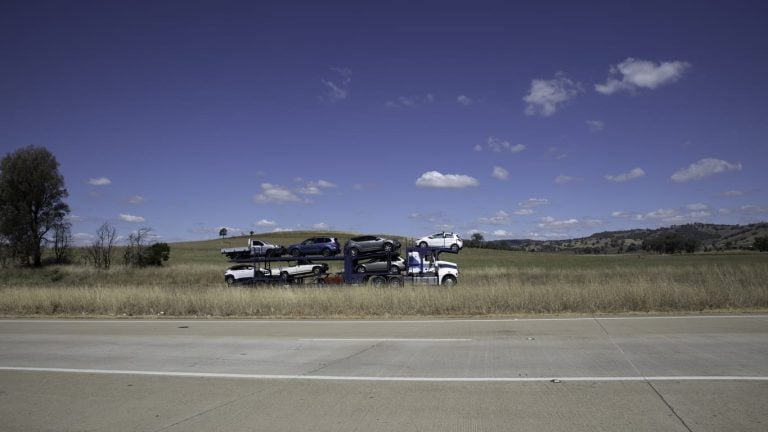
An engine is not vehicle transport; it is palletized freight, and that single distinction determines everything about how it moves and what it costs. A car hauler cannot take it. It travels on a pallet, usually by LTL freight, and the work that decides whether it arrives intact happens before the driver does, in how it is drained, crated and secured. Get the crate right and the rest is straightforward.
Drain Everything First
Fluids are the first thing a carrier will ask about and the most common reason a shipment is refused.
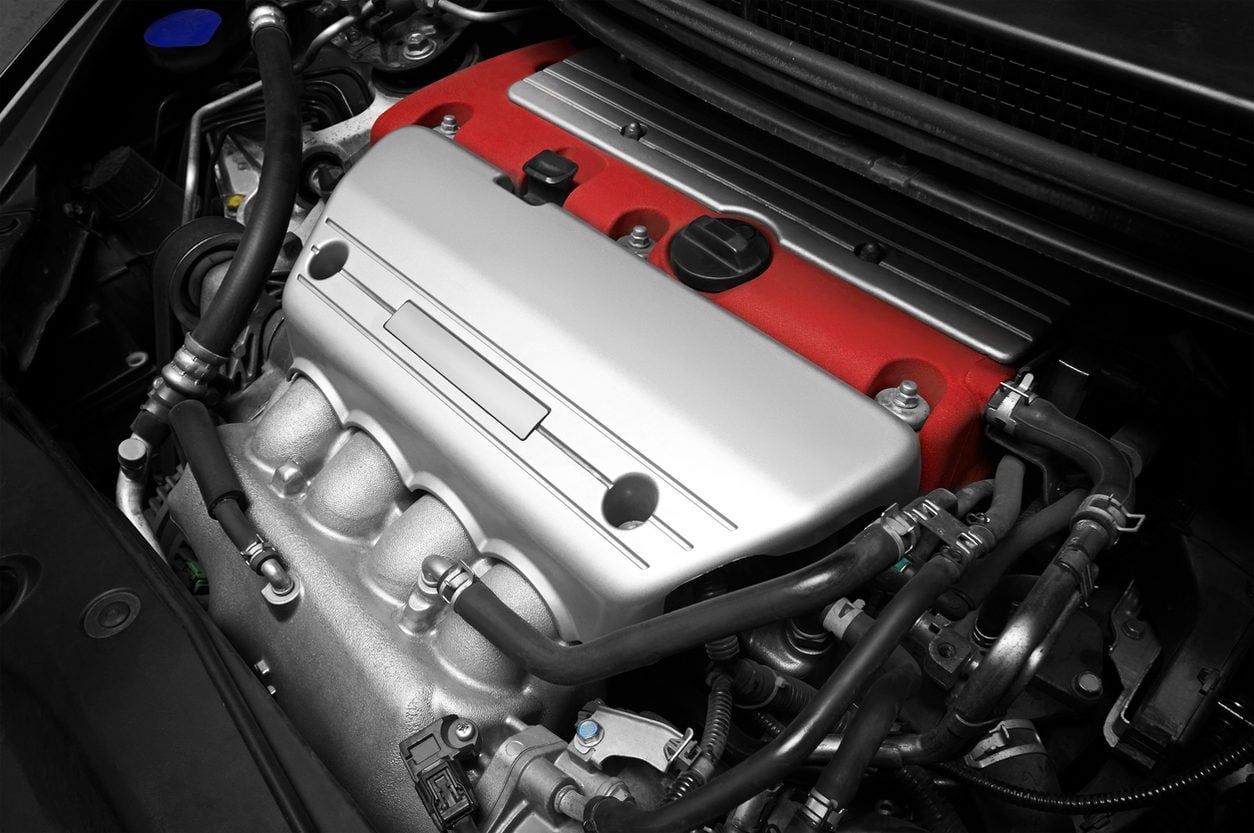
Drain the oil, the coolant and the fuel, and drain the transmission too if it is attached. Then leave it to sit and drain again, because an engine holds more than it appears to and residual fluid finds its way out on a truck. Cap or plug every open port so nothing weeps in transit.
An engine that leaks onto a carrier’s dock or over other freight becomes a contamination problem, and the carrier will treat it as one.
Seal the Openings
Every opening is a route for moisture and debris.
Tape or plug the intake and exhaust ports, the oil filler and dipstick tube, and any coolant or fuel connections. Spray a light preservative oil into the cylinders through the spark plug holes if the engine will be stored for any length of time at the other end.
Remove anything fragile that protrudes and can be shipped separately: sensors, the distributor, the alternator and any exposed wiring loom. These are what get snapped off by a strap or a forklift.
The Crate Is the Job
An engine bolted to a pallet is the standard, and it needs to be bolted rather than strapped.
Use a heavy duty pallet rated well above the engine’s weight, and bolt the engine to it through the mounting points or a purpose built stand. It must not be able to shift, tip or rock, because a 400 to 700 pound object that moves in transit will destroy the pallet and anything near it.
Build a frame or crate around it, secure it with ratchet straps, and add a plastic wrap or cover against moisture. Then check the whole assembly fits within the pallet footprint, since anything overhanging is what a forklift catches.
Mark the crate clearly with the destination and a this way up indication. LTL freight is handled several times between origin and delivery, and each handoff is another chance for it to be set down the wrong way.
How It Travels
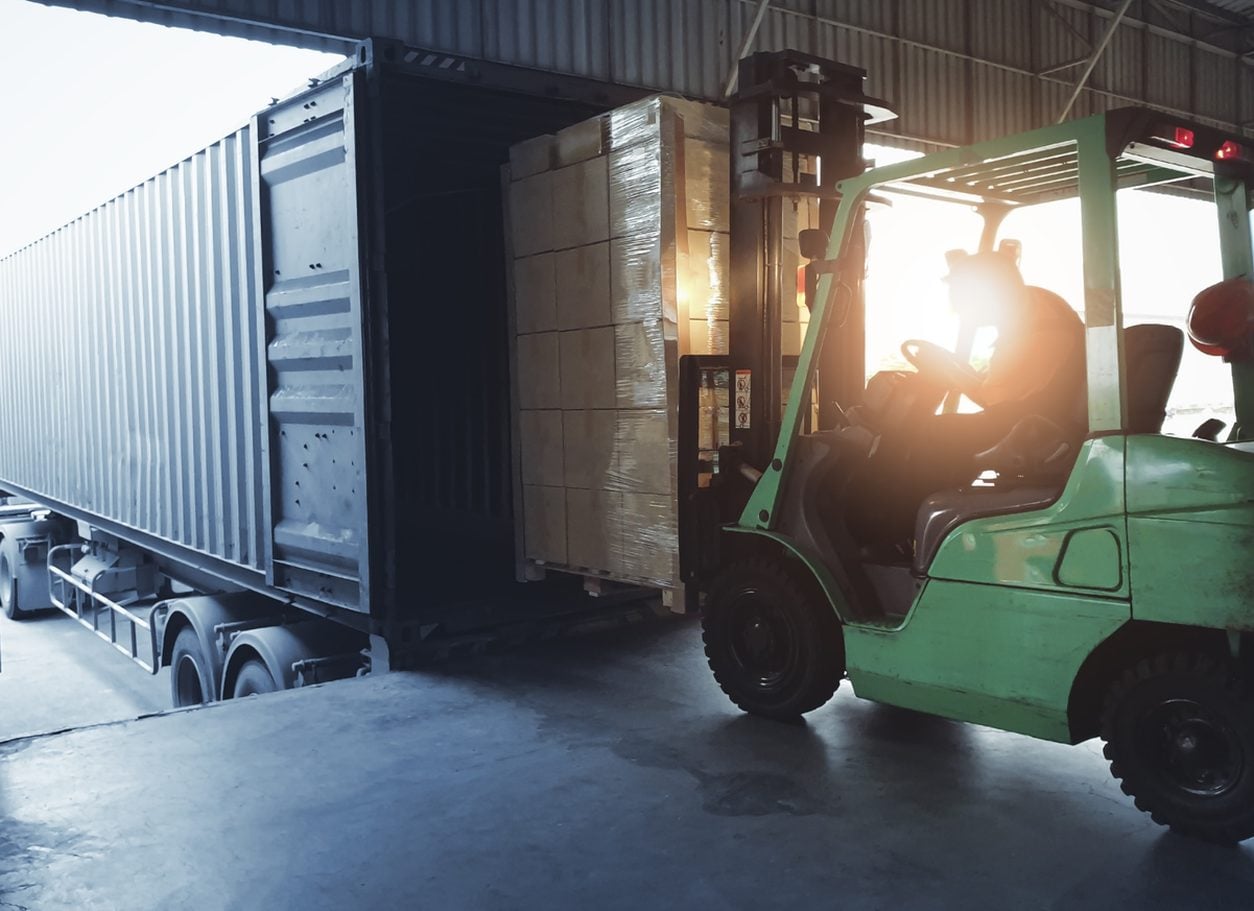
A crated engine ships as LTL freight, sharing a trailer with other palletized goods rather than traveling alone.
That is why it is priced on weight, dimensions and freight class rather than on the mileage the way a car is. It is also why transit times are longer than a direct move: the shipment moves through terminals and gets consolidated along the way.
Liftgate service is worth arranging at both ends unless there is a loading dock or a forklift available. Without it, a 600 pound crate arrives on a truck with no way to get it to the ground.
Weight and Class
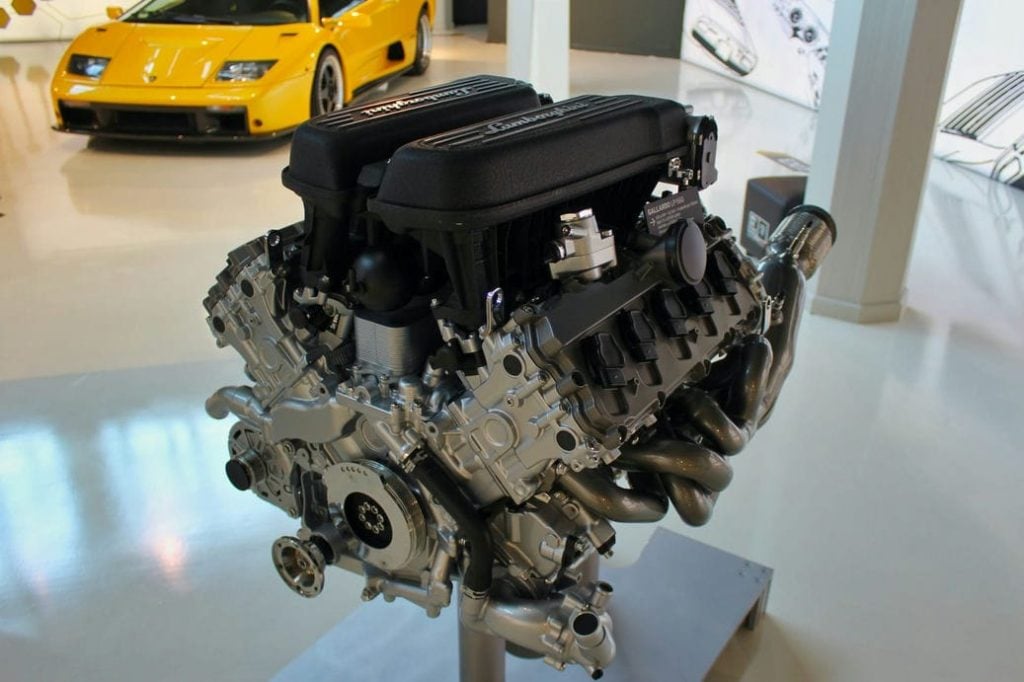
A bare four cylinder engine typically runs 200 to 350 pounds; a V8 with accessories can reach 600 to 700, and a complete engine and transmission assembly more again.
Weigh it crated rather than estimating, because freight is priced on the actual figure and a correction after collection costs more than getting it right. Give the crated dimensions too, since dimensional weight can exceed actual weight on a bulky crate.
Documentation and Insurance
Photograph the engine before crating, during crating and once the crate is sealed.
Standard freight liability is limited and calculated by weight, which on a valuable rebuilt engine is far below its worth. If the engine is worth more than that, declare the value and arrange cover to match rather than assuming the default protects you.
At delivery, inspect the crate before signing. Damage noted on the delivery receipt is a claim; damage discovered after signing usually is not.
Common Questions
Can an engine go on a car carrier? No. It ships as palletized LTL freight, not as vehicle transport.
Do I have to drain the fluids? Yes, all of them, and cap the ports. A leaking engine will be refused.
Strapped or bolted to the pallet? Bolted. It must not be able to shift, tip or rock in transit.
What does an engine weigh? Roughly 200 to 350 pounds for a four cylinder, up to 700 for a V8 with accessories.
Do I need a liftgate? Unless there is a dock or forklift at both ends, yes. Arrange it at booking.
Get a Quote
Call Ship A Car, Inc. at (866) 452-3657 for freight and specialized transport, with the crated weight and dimensions and whether a liftgate is needed at either end.