
Moving to Hawaii: Should You Ship Your Car or Sell It and Rebuy?
Every mainland family moving to Hawaii hits the same fork in the road: put the car on a ship, or sell it and buy again on the island. Both answers are right for different people, and the wrong choice costs thousands. Here is the honest decision framework we walk movers through, from the transport side of the business.
The Case for Shipping the Car You Own
You know your car. A vehicle you have maintained for years, with a service history you trust, is worth more to you than its trade-in value. The used car you would buy in Honolulu is a stranger.
Island prices run higher. Hawaii’s used market carries a real premium: inventory arrives by ship, selection is thinner, and demand is steady. The same money buys less car in Honolulu than it did at home, and the gap widens for popular island vehicles like compact SUVs and trucks.
The math usually favors shipping a car you would keep anyway. Ocean transport from the West Coast is a known, one-time cost. Selling a good car at mainland trade-in value and rebuying at island retail means paying the dealer spread twice, and that double spread frequently exceeds the freight.
The Case for Selling and Rebuying
The wrong car for the island. Salt air is relentless on vehicles, and Hawaii’s rust reality punishes cars that already have corrosion started. Big mainland vehicles also fit island life poorly: tight parking, short distances, and gas prices among the highest in the country all argue for something small and efficient. If your car is large, thirsty, older, or rust-prone, the move is the natural time to let it go.
Financed cars add a step. Shipping a financed vehicle requires the lienholder’s written permission, and some lenders refuse ocean moves. If your lender is one of them, selling can be the simpler path.
Short stays change the math. A two-year contract posting is a different decision from a permanent move. For short stays, many families ship nothing and buy a cheap island car, accepting its quirks as part of the adventure.
What Shipping Actually Involves
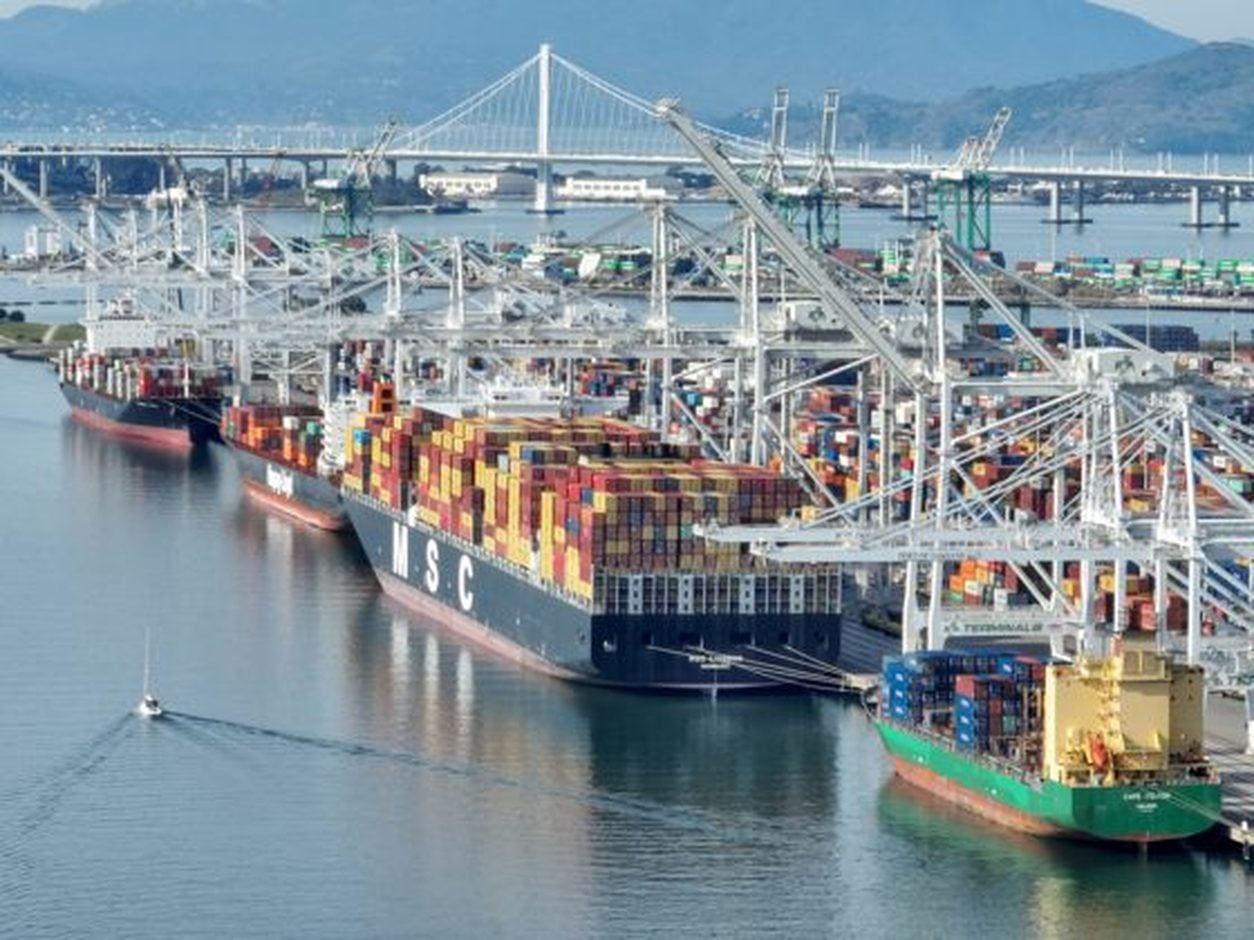
Cars reach Hawaii by ocean carrier from West Coast ports, primarily in the roll-on roll-off service that treats your car like ferry cargo, explained fully in our roll-on roll-off guide. If you live inland, a truck brings the car to the port first, which is the leg we coordinate so the whole move is one booking rather than two.
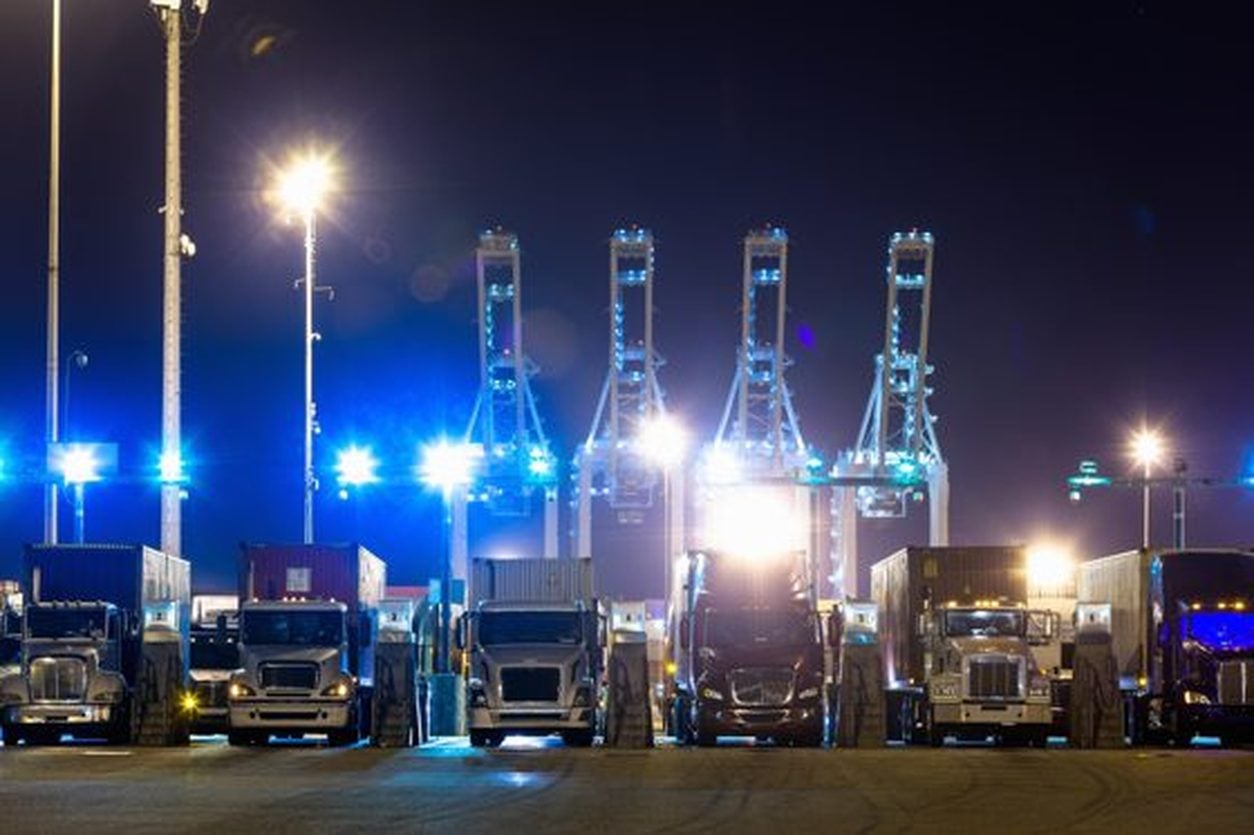
The rules are stricter than mainland transport and they are enforced: the car ships nearly empty of personal items, cleaned inside and out, with roughly a quarter tank of fuel, and the paperwork must match exactly, including that lienholder letter on financed vehicles. Plan the timeline with honesty too: port sailing schedules plus the trucking leg mean the car is in transit for a stretch measured in weeks, covered in detail in our guide to how long shipping to Hawaii takes. Arrange island transportation for the gap rather than hoping.
Once the car lands, Hawaii asks two things of newcomers: an out-of-state permit or registration transfer, and the state safety inspection. Neither is difficult; both go smoother when the car arrives with its paperwork organized.
Which Island Changes the Price
Honolulu is the main gateway and the least expensive destination, with the most sailings and the simplest routing. Maui, Kona, Hilo and Kauai typically add an inter-island leg or a less frequent direct sailing, which adds both cost and calendar time. If your move is to a neighbor island, get the quote for the actual island, not the Oahu number a generic calculator shows, and build the extra transit days into your plan.
The return trip deserves a line too: cars ship back from Hawaii to the mainland every day, usually at a somewhat friendlier rate because of how the traffic balances. If your move might reverse in a few years, that round-trip reality belongs in the ship-or-sell math: a good car shipped over and back can still beat selling twice and buying twice.
The Two-Car Family Question
Households moving with two vehicles usually land on a split decision: ship the newer, smaller, better-maintained car and sell the other. It halves the freight, keeps the car worth keeping, and funds the island runabout with the sale proceeds. The full mechanics of the move itself, ports, booking and prep, live in our complete guide to getting your car to Hawaii.
A Decision Checklist
Ship it when the car is paid off or your lender approves, it is compact or efficient, rust-free, well maintained, and you plan to stay two years or more.
Sell and rebuy when the car is large or thirsty, has rust or looming repairs, your lender blocks the move, or your stay is short.
Split the difference when you own two: ship the keeper, sell the other, land with cash for island life.

One more honest note from years of these moves: the families who regret their choice are almost always the ones who decided by feel in the last week before the move. Price both paths early, with a real Honolulu transport quote and a real look at Honolulu used listings for your replacement car, and the numbers usually make the decision for you.
Common Questions
Is it cheaper to ship a car to Hawaii or buy one there? For a car you would keep anyway, shipping usually wins: island used prices carry a premium, and selling low to rebuy high costs the dealer spread twice.
Can I ship a financed car to Hawaii? Only with the lienholder’s written permission, and some lenders decline. Ask your lender before you plan around shipping.
What kind of car suits Hawaii best? Small, efficient, and rust-free. Parking is tight, distances are short, and fuel is expensive.
Can I pack belongings in the car? No. Vehicles ship essentially empty on the Hawaii route, and the rule is enforced at the port.
How far ahead should I book? Weeks ahead of your sailing window, longer in the summer moving season, so the trucking leg and the port schedule line up with your flight.
Get a Quote
Call Ship A Car, Inc. at (866) 821-4555 with your zip code, island destination and dates, or price the move with the instant calculator.