American Motorcycle Brands: Who Actually Builds in the USA
Ask who makes an American motorcycle and most people can name one brand. The real answer runs a dozen deep: two giants, a wave of electric builders, and a handful of small shops hand-assembling machines in Indiana barns and California workshops. Knowing who actually builds here, and what “built here” really means, changes how you shop.
This guide covers the brands making motorcycles in America today, the famous names that did not survive, and the practical side nobody writes about: what your brand choice means for dealers, parts, resale, and getting the bike to your driveway.
What American-Made Actually Means
Three different claims hide inside the phrase. A brand can be American-owned, its bikes can be assembled in America, and its parts can be sourced from America, and almost no motorcycle checks all three boxes. Global supply chains mean even the most patriotic machines roll on internationally sourced suspension, electronics, and rubber.
The honest standard most riders settle on is final assembly: where the machine comes together and gets its quality control. By that standard, the list below is the real American industry.
The Big Two
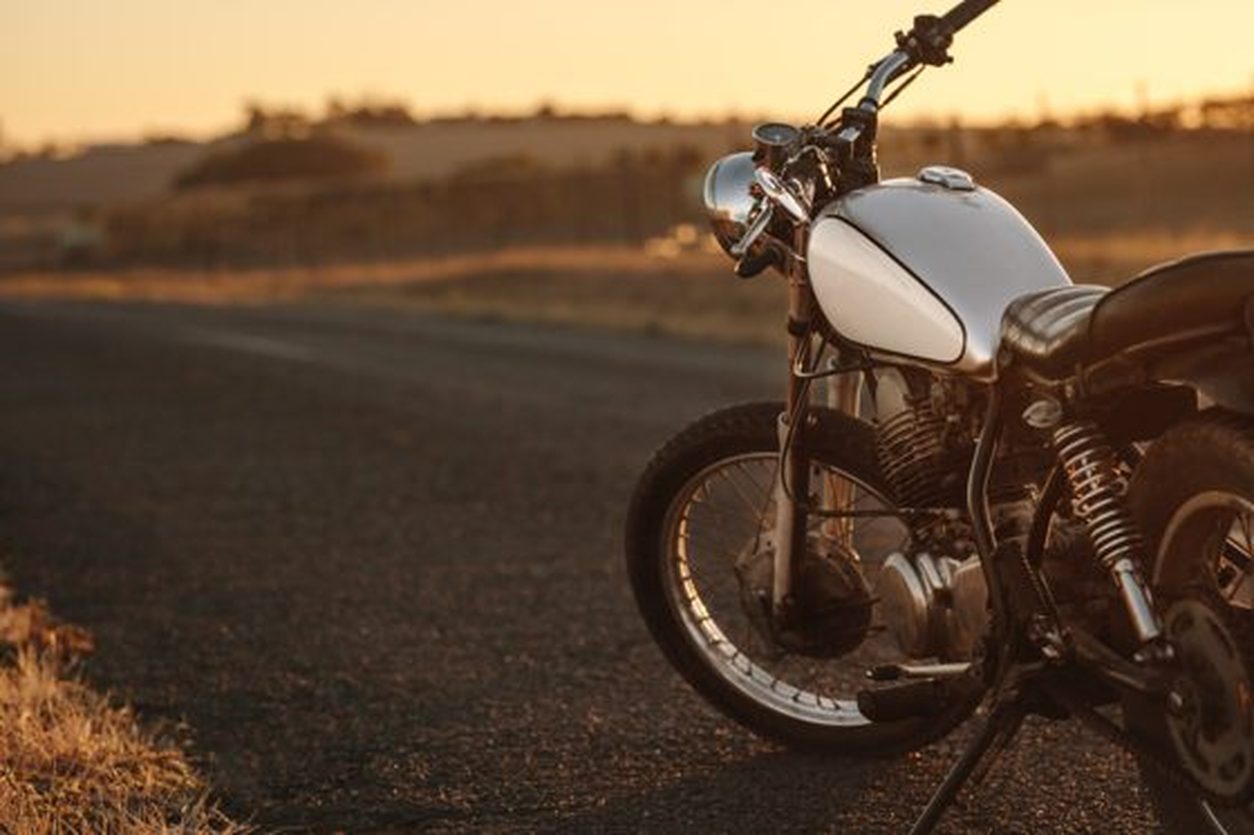
Harley-Davidson is the one continuous American major: Milwaukee headquarters since 1903, engines built in Wisconsin, final assembly in York, Pennsylvania. Whatever you think of the bar-and-shield, it operates the largest dealer and parts network on this list by a wide margin, and that network is a real ownership benefit, not a marketing line.
Indian Motorcycle holds the oldest American name in the business, born in Springfield, Massachusetts in 1901, and after decades of false restarts it came back properly under Polaris, which builds Indians in Spirit Lake, Iowa. The Scout and the big Thunderstroke tourers gave Harley its first serious domestic competition in generations, and the dealer network has grown to match.
The Electric Americans
Zero Motorcycles has built electric motorcycles in Scotts Valley, California since 2006, longer than most people realize, and remains the volume leader among American electrics. LiveWire spun out of Harley-Davidson as its own electric brand, carrying Milwaukee engineering into a market that skews younger and urban. Curtiss Motorcycles in Alabama builds low-volume electric machines that price like sculpture, which is essentially what they are.
For buyers, American electrics carry a specific quirk: service networks are thinner, so distance to a dealer or the brand’s mobile support matters more than it does with a Harley dealer in every mid-size city.
The Hand-Built Boutiques
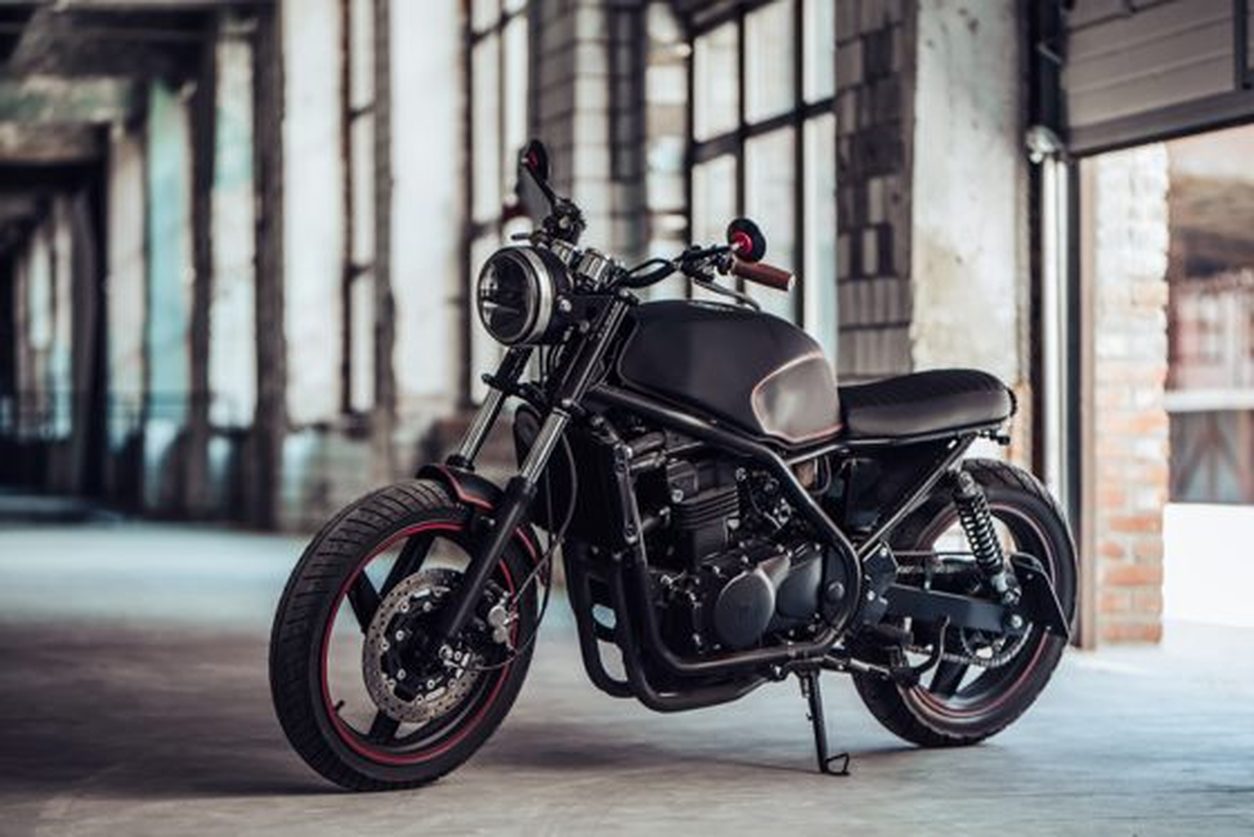
Janus Motorcycles of Goshen, Indiana builds small-displacement machines with 1920s looks, by hand, sold factory-direct with a build slot and a wait. Arch Motorcycle, co-founded by Keanu Reeves in Hawthorne, California, machines bespoke performance cruisers in the five-figure-and-up range. Boss Hoss in Dyersburg, Tennessee has spent decades doing the most American thing imaginable: putting Chevrolet V8 engines in motorcycle frames. And Rokon of Rochester, New Hampshire builds the two-wheel-drive Trail-Breaker, a machine closer to a mountain goat than a road bike, largely unchanged for decades because hunters and ranchers will not let them change it.
Boutique ownership flips the usual logic. There is no dealer network; there is a relationship with the factory. Parts come by mail, service is your local independent shop with factory phone support, and delivery is a shipment, not a showroom handshake.
Gone but Not Forgotten
Victory was Polaris’s first swing at Harley, built from 1998 until 2017, when Polaris retired it to focus everything on Indian. Victories remain common on the used market and parts support has been maintained, which makes a clean used Victory one of the quiet bargains in American cruising. Buell has lived several lives: Erik Buell’s sportbikes built around Harley engines, a shutdown, a racing rebirth, and a revived company producing limited runs. The used examples reward research, because model-to-model differences are real.
Three Wheels, Still American
The Polaris Slingshot, built in Huntsville, Alabama, leads the American three-wheel category. Legally most states class it as an autocycle, which often means car-license rules rather than a motorcycle endorsement, but the classification varies by state and is worth checking before you buy one at a distance. Harley and Indian trikes round out the category for riders who want three wheels with traditional styling.
What Brand Choice Means When You Buy
Dealer density decides ownership convenience. Harley’s network means service and parts in every region; Indian is close behind and closing. Zero and LiveWire ask you to plan around fewer locations. Boutiques ask you to be your own service manager, with the factory a phone call away.
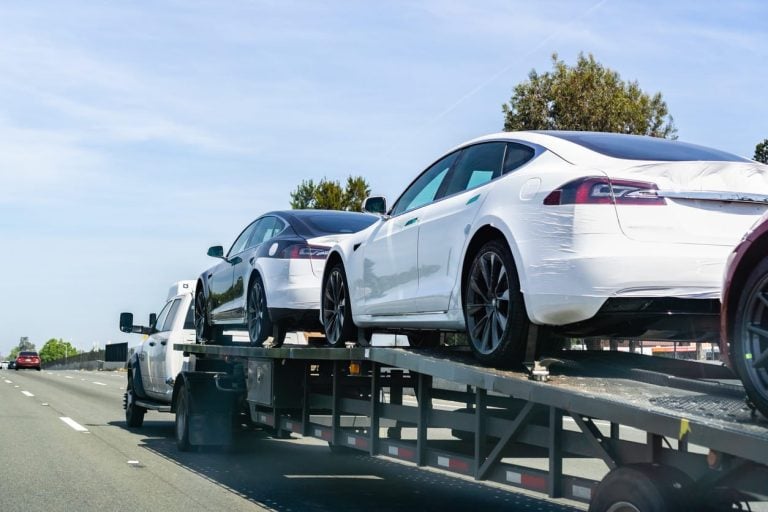
Resale follows liquidity. Harleys and Indians sell fast almost anywhere. Boutique and electric machines find their buyers nationally, not locally, which means selling one often ends with a transport truck in front of your house, and buying one usually starts the same way.
Waitlists are part of boutique life. A Janus or an Arch is ordered, built, and delivered on the maker’s timeline. The delivery leg is a scheduled vehicle shipment, and the factories are accustomed to coordinating with transport companies.
Buying American at a Distance
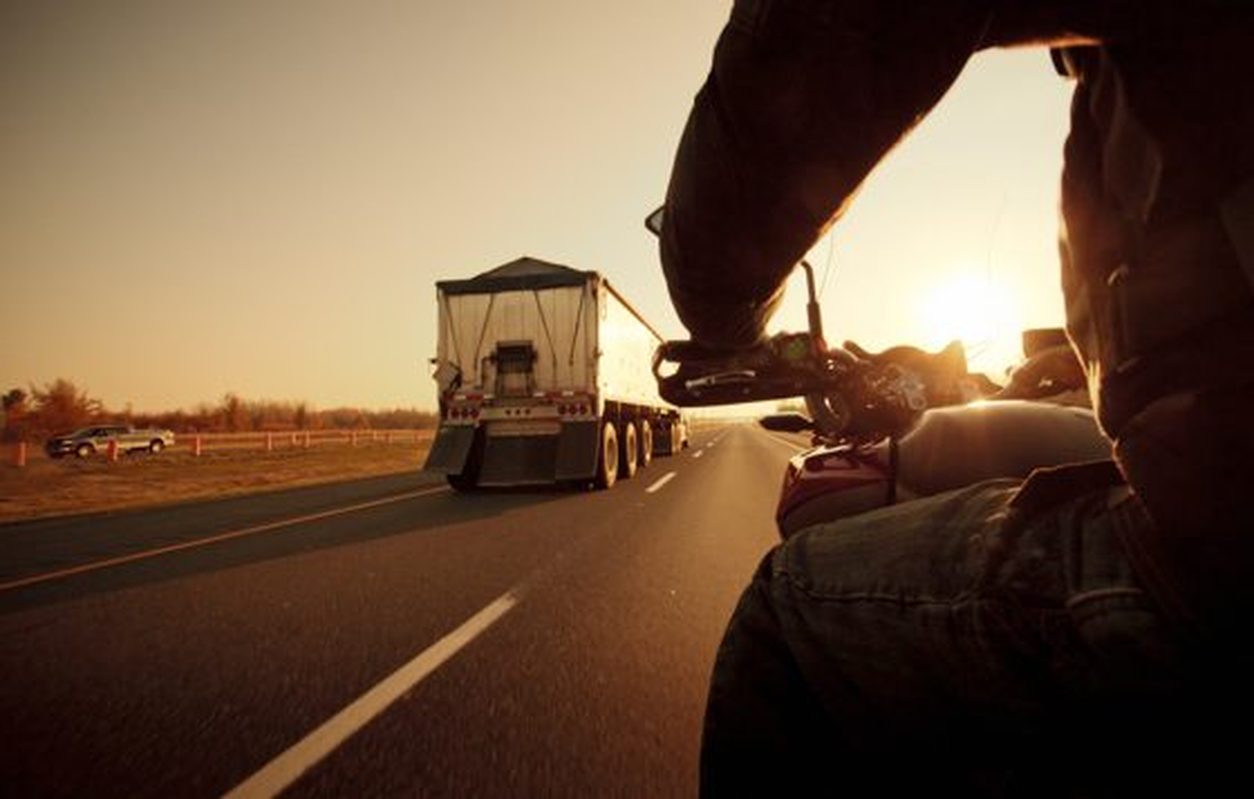
Here is the pattern we see from the transport side: the American motorcycle market is national. The right used Indian is in Arizona while its buyer is in Ohio; the Janus factory is in Indiana and its customers are everywhere; the clean low-mile Victory worth buying is two time zones away, because that is always where the good one is.
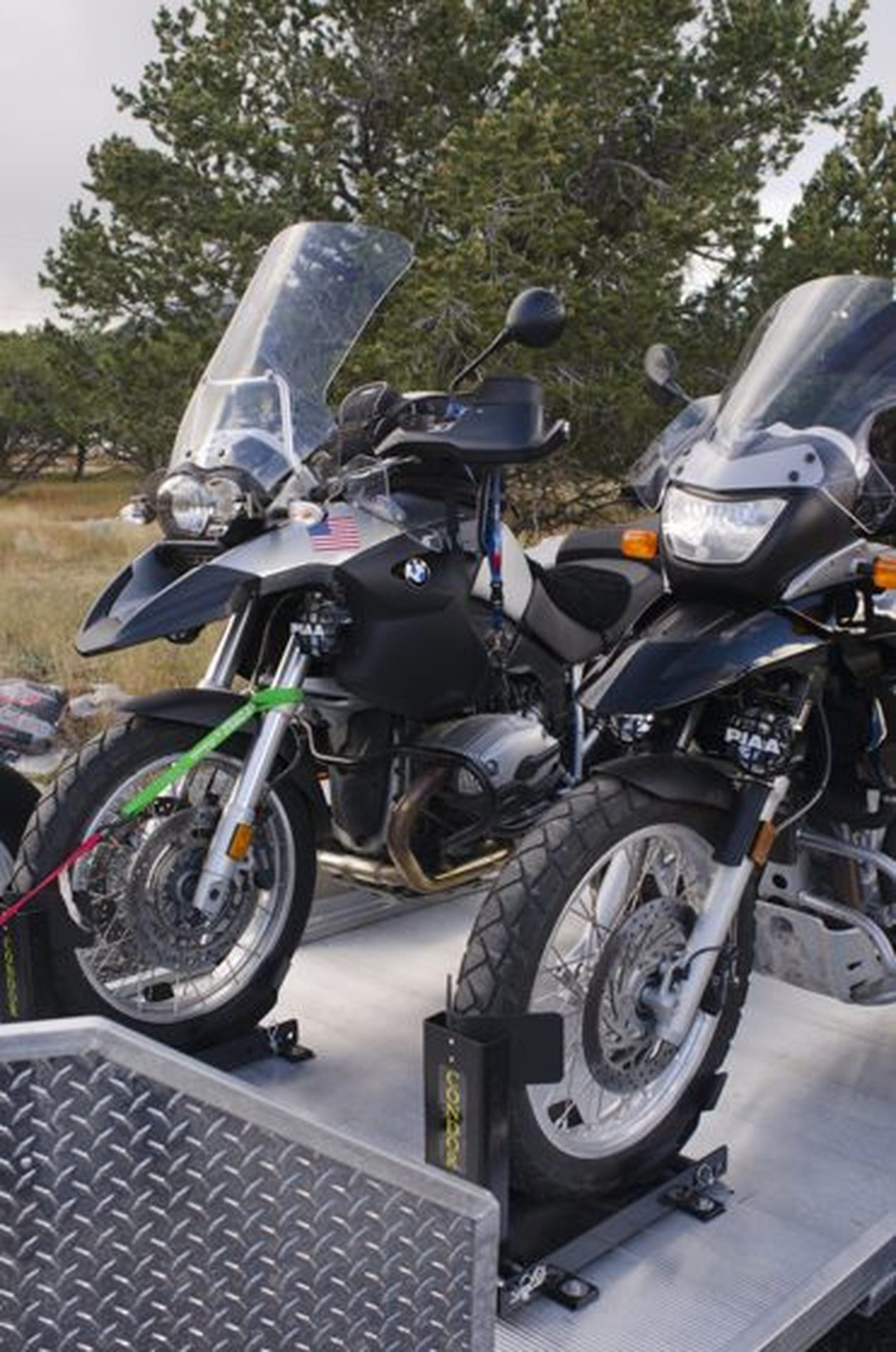
Shipping closes that gap for less than most riders expect. A motorcycle travels crated or wheel-chocked in an enclosed trailer, strapped by the frame and triple clamp with soft loops, never by the bars or painted parts. The full method breakdown lives in our guide to the best way to ship a motorcycle, and Harley owners get their own brand-specific walkthrough in our Harley-Davidson shipping guide. When you are ready to price a move, our motorcycle shipping service handles everything from a single cruiser to a collection.
One buying tip from years of moving these machines: factor transport into the deal math from the start. A bike priced 800 dollars under market three states away is still a bargain after shipping, and sellers of boutique and collector machines expect a transport truck, not a buyer with a borrowed trailer and a long weekend.
Common Questions
Which motorcycle brands are actually made in America? Harley-Davidson (Pennsylvania assembly), Indian (Iowa), Zero (California), LiveWire, Boss Hoss (Tennessee), Rokon (New Hampshire), Janus (Indiana), Arch (California), and Curtiss (Alabama), with the Polaris Slingshot built in Alabama on the three-wheel side.
Is Indian older than Harley-Davidson? By two years. Indian began in 1901, Harley-Davidson in 1903. Harley’s production has been continuous; Indian’s history includes long gaps before the Polaris era.
Are any American motorcycles fully American-made? No motorcycle is one hundred percent domestically sourced. Final assembly location is the honest standard, and every brand above assembles here.
What happened to Victory? Polaris built it from 1998 to 2017, then retired it to concentrate on Indian. Used Victories remain well supported and are often strong value.
How do boutique motorcycles reach buyers? Factory-direct, by scheduled vehicle transport. The same national shipping network moves used bikes between private buyers and sellers every day. And if the bike is headed where so many end up, our motorcycle shipping to Florida guide covers the costs and the rally-week timing.
Get a Quote
Call Ship A Car, Inc. at (866) 821-4555 with the bike, both zip codes and your dates, or price the move with the instant calculator.