What Mobilization Actually Costs, and Where the Money Goes
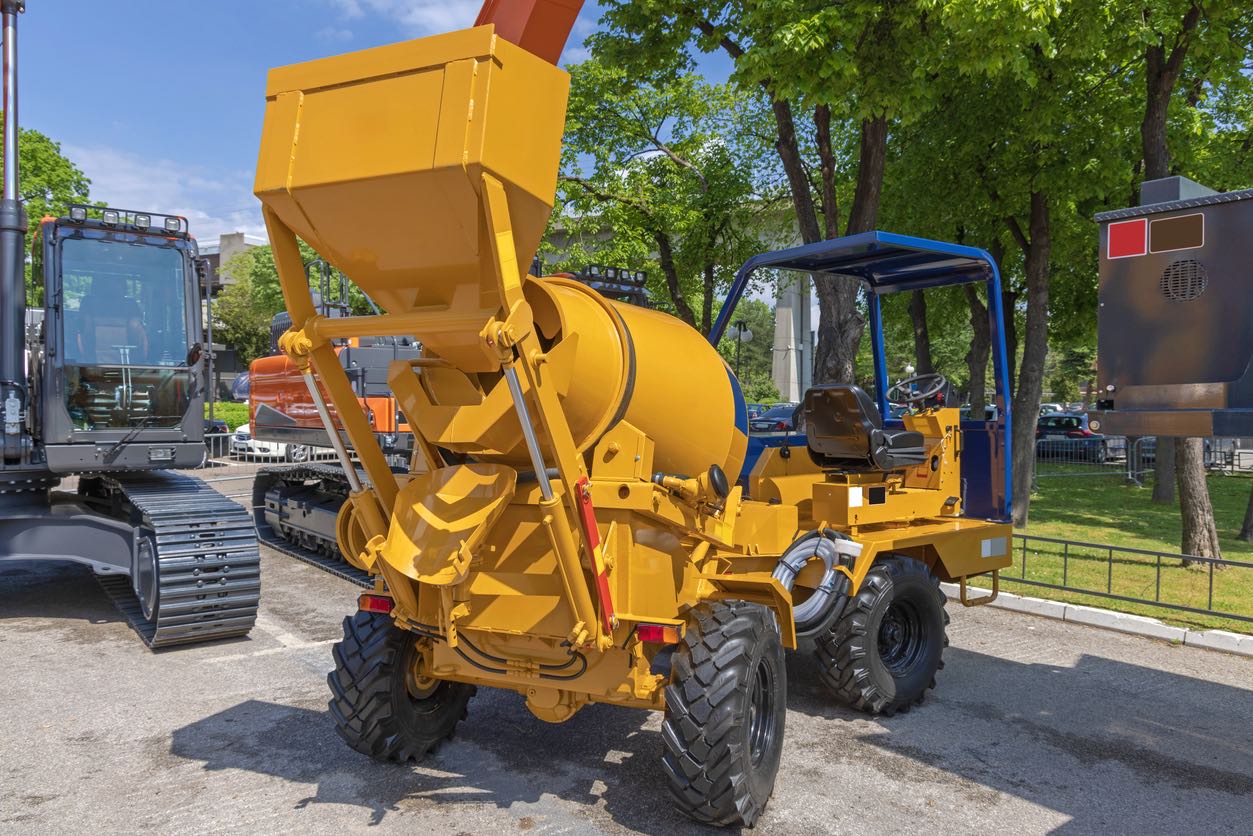
Mobilization is everything it takes to get a project ready to build before real work begins: moving equipment and crews to the site, setting up facilities, and clearing the administrative runway. On the pay application it is usually a single line item, but inside that line live several very different kinds of spending, and the projects that control mobilization cost are the ones that manage each kind on purpose. As a general guide, mobilization commonly runs in the low single digits as a percentage of contract value, climbing higher on remote sites, heavy-civil work, and any job that moves big iron long distances.
The categories that make up the number:
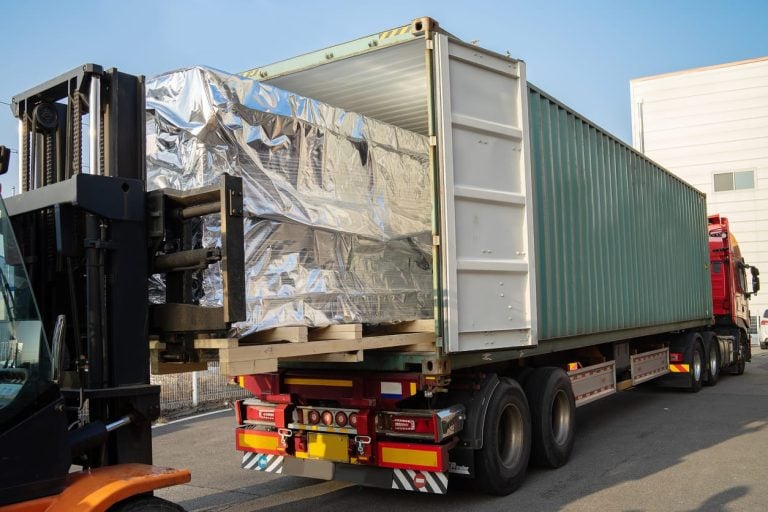
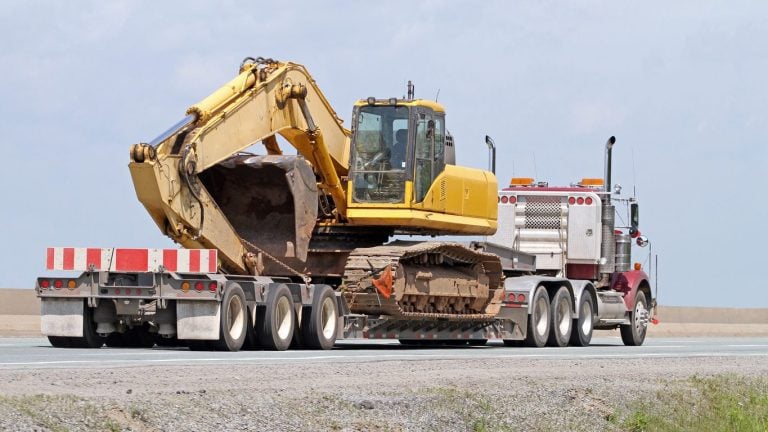
- Equipment transport. Hauling excavators, dozers, cranes, and support equipment to the site, usually the largest and most controllable piece, and the one covered in depth below.
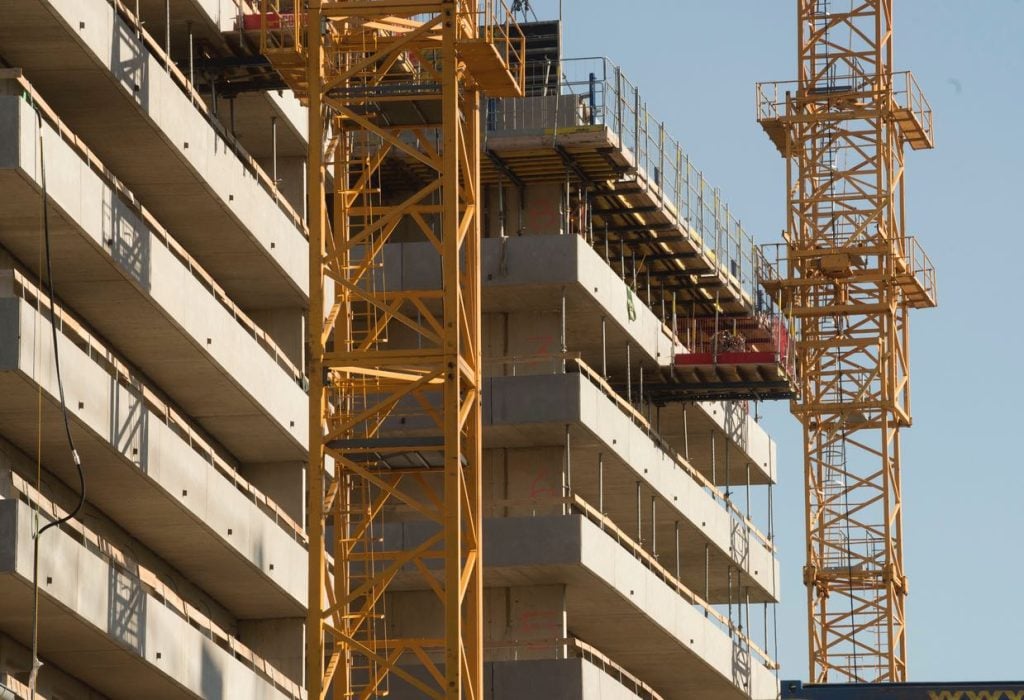
- Site setup. Temporary utilities, access roads and crane pads, offices and sanitation, fencing, signage, and erosion controls.
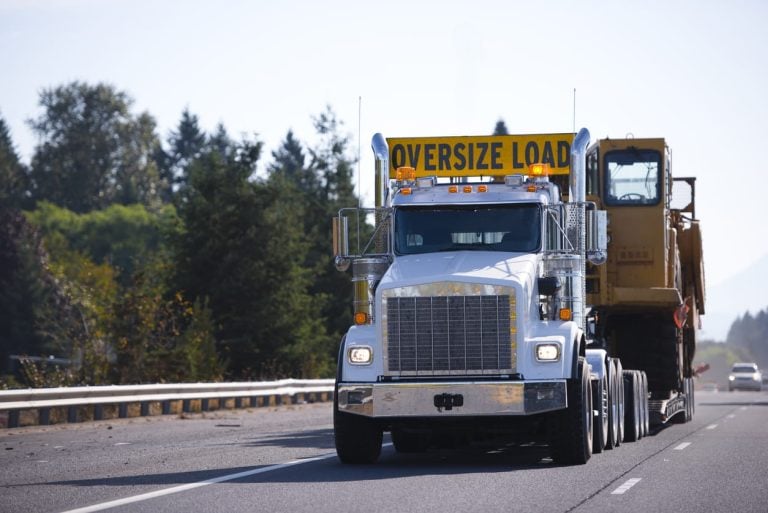
- Administrative runway. Permits, oversize and overweight transport permits, bonds, insurance certificates, and utility coordination.
- People. Travel, lodging or per diems, and the unbillable hours between arrival and productive work.
- Demobilization. The same movie in reverse at project end, which is part of mobilization planning whether the schedule admits it or not.
How Mobilization Gets Paid, and Why It Shapes Cash Flow
Most public and many private contracts carry a mobilization pay item so the contractor recovers startup spending early instead of financing it across the job. Owners cap or scrutinize that line because overloading it (front-loading) shifts risk onto them. The practical rules: price mobilization from a real logistics plan rather than a percentage habit; keep the backup documentation for every haul, permit, and setup cost; and know your contract’s rules for partial mobilization payments, since many specifications release the line in stages tied to equipment arrival and site readiness. A defensible mobilization line gets paid without argument; a padded one invites an audit of the whole schedule of values.
Equipment Transport: The Biggest Lever You Control
You cannot negotiate the price of a building permit, but you can absolutely change what it costs to move your fleet. Seven tactics that consistently shrink the transport line:
- Move iron when the schedule needs it, not when the yard is convenient. Equipment that arrives weeks early ties up capital and often re-handles; equipment that arrives late buys standby time for entire crews. Sequence deliveries against the actual construction schedule.
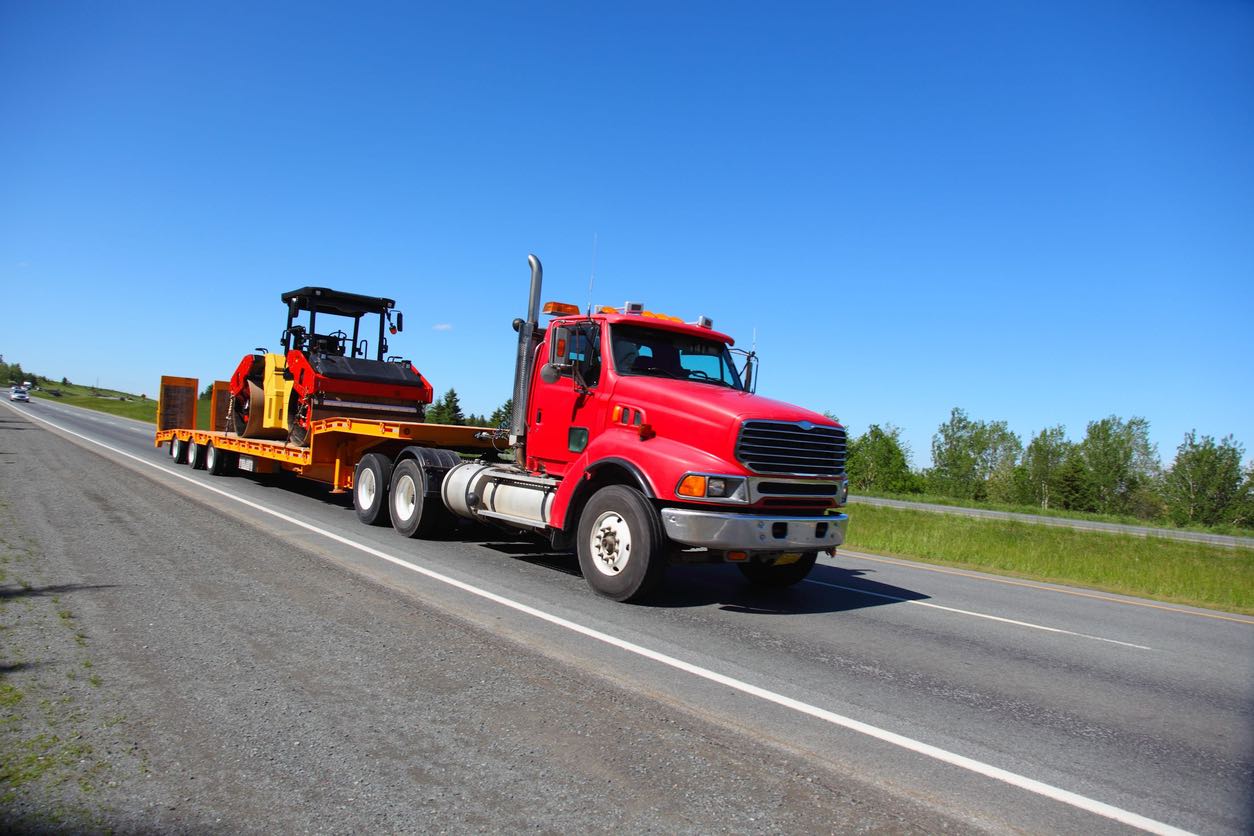
- Match every machine to the right trailer. A machine that fits legally on a step deck should not ride an RGN at RGN rates; a machine that needs a lowboy should not be dismantled to avoid one unless the math truly says so. The right equipment class per load is the quietest saving in the whole budget.
- Combine loads. Attachments, buckets, mats, and small support gear can often ride with a primary machine or consolidate onto one flatbed instead of trickling to the site over multiple partial loads.
- Respect permit lead times. Oversize and overweight permits, escort requirements, and route surveys have real lead times that vary by state. A permit that arrives late idles a paid truck and driver; build permit timelines into the mobilization schedule from day one.
- Source locally when renting makes sense. For commodity equipment, compare the round-trip haul on owned iron against local rental at the destination. Long deadhead miles on a low-utilization machine are a classic mobilization leak.
- Plan demobilization in the same breath. Backhauls are cheaper than fresh dispatches. A transport partner who knows your end date can pair your outbound move with the return trip instead of pricing two one-way hauls.
- Use one freight coordinator for the whole fleet move. Piecemealing loads to whoever answers the phone produces piecemeal pricing and no accountability. A single coordinator sequencing the entire mobilization gets carrier commitments, tracks the permits, and answers for the schedule.
Budgeting Mobilization Without Guesswork
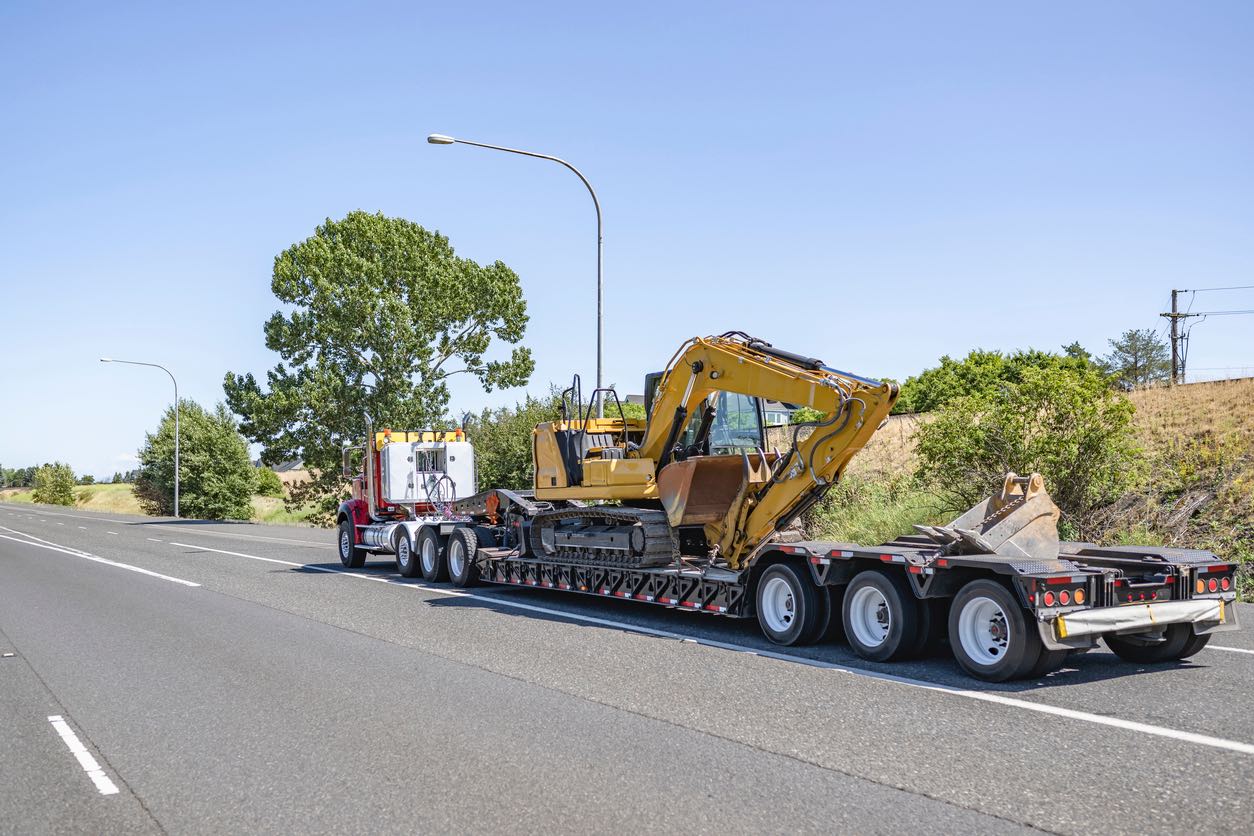
The estimating discipline is simple to describe and rare in practice: build the transport plan before pricing the line. List every machine with weight and dimensions, assign each a trailer class, map origins to the site, flag which loads go oversize, and get real quotes on the heavy lanes instead of averaging last year’s numbers. Then add site setup and administrative items from the project specifics rather than a flat factor. Estimators who do this once discover their historical percentage was wrong in both directions: too high on easy jobs, dangerously low on the remote and heavy ones.
Quick Answers
What is included in construction mobilization costs?
Everything required to make a site ready to build: transporting equipment and crews, temporary facilities and utilities, permits and bonds, and the administrative work of starting up, plus demobilization at the end.
What percentage of a contract is mobilization?
There is no universal number. As a general guide it commonly lands in the low single digits of contract value, with remote locations, heavy-civil scopes, and long equipment hauls pushing it higher. Price it from a logistics plan, not a rule of thumb.
Is mobilization paid up front?
Contracts with a mobilization pay item typically release it early, sometimes in stages tied to equipment arrival. Documentation is what makes that payment smooth.

The Transport Partner for the Whole Fleet Move
Ship A Car, Inc. coordinates construction mobilization freight nationwide: oversized and heavy equipment on the right trailer class, equipment shipping for the support fleet, permit-aware routing for overweight loads, and one coordinator sequencing every load against your schedule. Price a lane in minutes with the freight shipping cost calculator or call (866) 452-3657 to walk a mobilization plan with a freight coordinator.