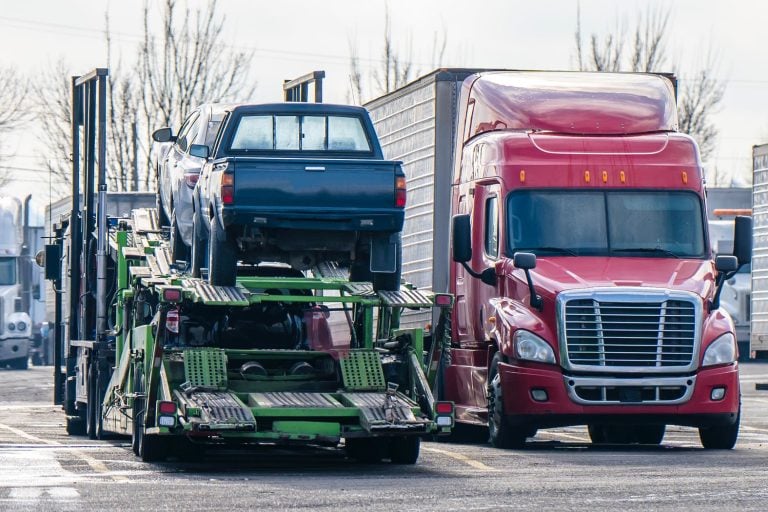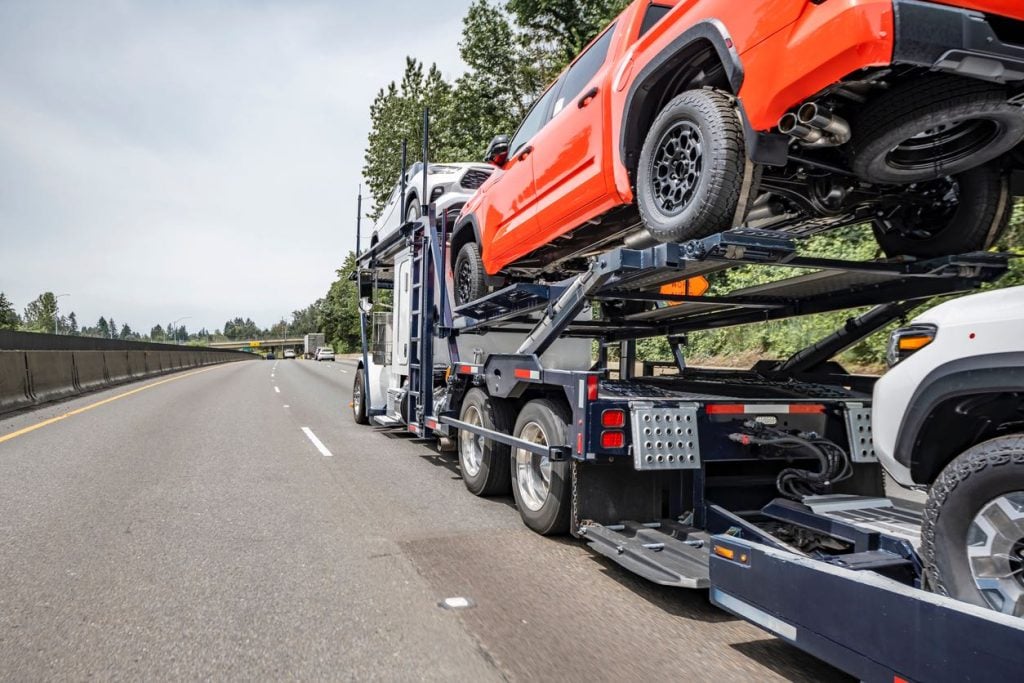
Understanding the Intricacies of Car Shipping in the U.S.
It is now necessary, not a luxury, to be mobile in the interconnected world of today. The need for efficient and trustworthy vehicle shipping services has been steadily increasing, whether you’re moving for employment, buying or selling your car, or just delivering a gift across the country. But shipping a car isn’t quite as simple as delivering a package. The entire process is complex and impacted by a wide range of factors, including the type of vehicle, the route taken, and even the season. For individuals wishing to move their vehicles across states or coasts, this has raised a number of questions and concerns.
Car shipping may appear worrisome to those who are not familiar with it. Making an educated choice might be overwhelming due to the abundance of alternatives available, ranging from door-to-door to terminal-based services and from open to covered transit. External variables that might unpredictably prolong delivery periods, such as bad weather, busy shipping seasons, or unforeseen road conditions, further complicate issues. It is therefore essential to comprehend the subtleties and complexities of the business to guarantee that one’s vehicle arrives at its destination swiftly, safely, and without any problems.
With its easy-to-read sections, this comprehensive guide seeks to provide light on the complete vehicle shipping process in the United States. We can help you with anything from comprehending the usual timelines and the variables that affect them to offering doable solutions to speed up shipment. We also explore why Ship A Car, Inc., with its outstanding reputation and unmatched service, is the top option for many Americans in search of the best in the car shipping business. Take an in-depth look and arm yourself with the information required to confidently navigate the world of car shipping.
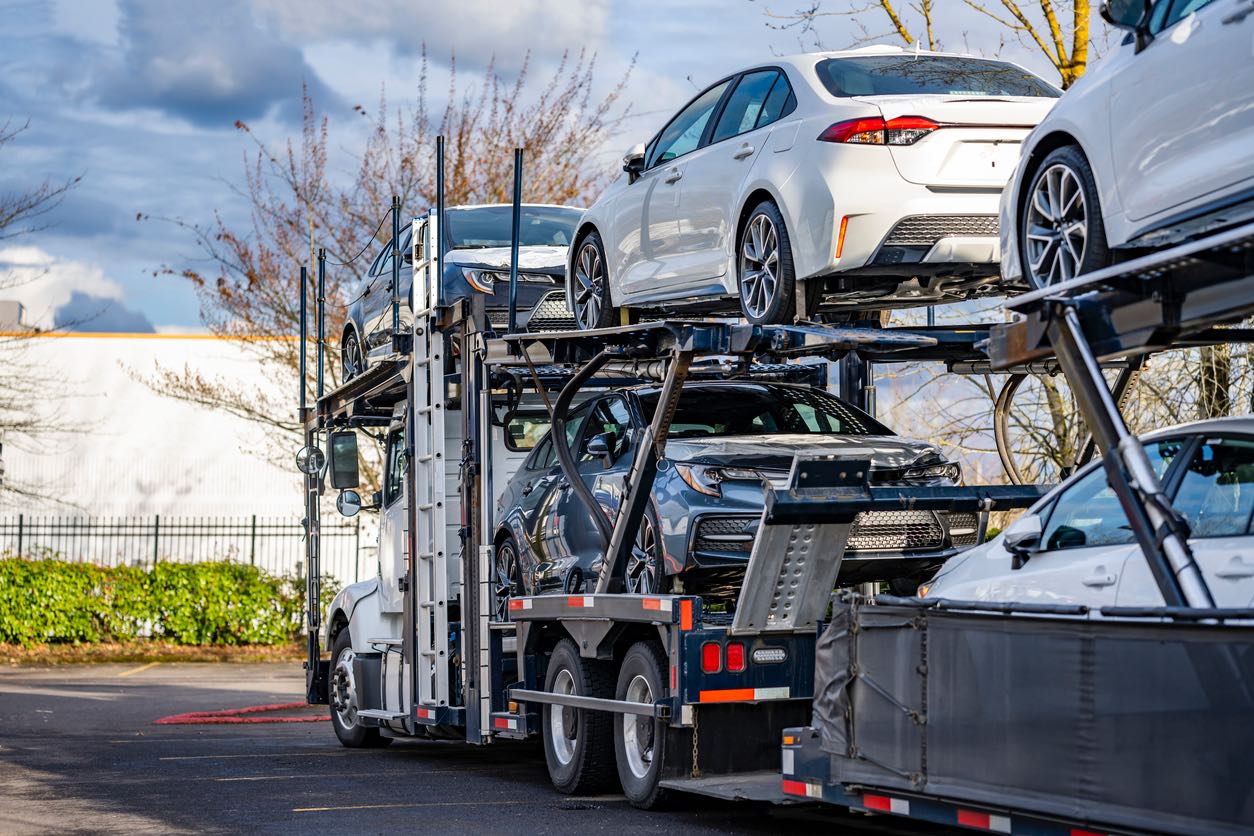
Car Shipping Timelines Explained: What You Need to Know
“How long will it take to ship my car?” is one of the most frequently asked questions clients ask in the complex world of car shipping. There is no standard time for shipping a vehicle; it depends on a number of variables, including the distance traveled and the particular logistics required. The broad timelines you can expect are broken down in this part to help you plan more effectively and have reasonable expectations. It is essential to comprehend these timescales whether you are moving your vehicle across town or across the nation.
The General Timeframe: There is no one solution that works for everyone when it comes to shipping a car. It might take as little as a few days or as long as two weeks to complete. There is such a large variation in the time required for shipping cars since each car’s shipping experience is different and depends on a number of fundamental elements. It’s critical to keep in mind that, even with estimations, there is always potential for variation. * Due to the near impossibility of providing time guarantees, the majority of respectable car shipping companies provide you windows of time for pickup and delivery.
Short Distances: Shorter distances-a few hundred miles or less-usually result in a quicker turnaround time for auto transportation. Such a trip may take around a day to complete under perfect circumstances and without any unplanned complications. Nevertheless, always account for any delays, such as heavy traffic or bad weather, as they might extend the shipment time by several hours or perhaps a day.
Cross-Country Transports: Considering a cross-country transport, the dynamics are very different. It usually takes more than a week to ship a vehicle coast to coast, for example, from the bright beaches of California to the busy streets of New York. These long travel times are caused by the large distance traveled, the need for drivers to take breaks, and the difficulties presented by various weather patterns and terrains. It’s an extensive process that guarantees your car will reach its destination securely and safely.

Essential Factors Influencing Car Shipping Duration
Comprehending the complexities of car shipping schedules necessitates being aware of the several factors involved. Numerous factors can affect how quickly-or slowly-your automobile gets to its destination. We provide the critical factors that influence auto shipping timeframes in this comprehensive overview, giving you knowledge that will help you decide wisely and maybe speed up the entire car shipping process.
Route Dynamics: It’s critical to select the most effective and efficient route for your car’s travel. Naturally, one of the main considerations is the total distance that the car must travel. Longer routes inherently take longer, especially if they go through less-traveled rural regions. Furthermore, there’s a chance that delivery schedules can get longer if you choose door-to-door services. This is especially true if the destination property is tucked away from main roads for ease of access and convenience. A pro’s hint? If time is of the importance, you may want to choose for routes that stay closer to metropolitan areas or think about terminal-to-terminal choices.
Vehicle Type: The type of car that you’re shipping may have unforeseen effects on how long it takes to ship. Due to their widespread use, standard vehicles often locate carriers more quickly and easily. Specialized vehicles, on the other hand, such ATVs, golf carts, boats, motorcycles, or even some types of RVs, may present significant difficulties because of their unique requirements and the requirement for specialized carriers. In addition, be prepared for possible delays if you are the proud owner of a luxury or classic / vintage vehicle that requires enclosed transportation for increased protection. Because covered transport is less prevalent than open choices, there may be a delay because of restricted availability. These vehicles frequently require specialized vehicle shipping services.
Seasonal Variations: Seasons have an impact on the vehicle transportation industry just like they do on many other businesses. Although shipping a car in the dead of winter can seem like a simple process, you run the danger of delays when you take into account the possibility of snowstorms. But winter isn’t the only offender. Remarkably, the sun-drenched summer months and the early months of January are generally the busiest shipping seasons. Haulers may have to play catch-up at these times due to backlogs caused by spikes in demand. To ensure a flawless shipping experience, it’s a good idea to keep up with seasonal patterns and adjust your plans appropriately.

Effective Strategies for Faster Car Shipping
It might be difficult to navigate the car shipping process, particularly if you’re pressed for time. When moving their most valuable item, everyone wants a mix of price, safety, and timeliness. But speeding up the car shipping process doesn’t always imply sacrificing security or quality. We’ll go into more detail in this section about some cost-effective methods to speed up the automobile shipping process so your vehicle arrives at its destination on schedule.
Proactive Planning: Being proactive is one of the most effective ways to guarantee a quick car shipping process. A few weeks’ notice allows shipping businesses to schedule their services in accordance with the most cost-effective choices for transportation. This minimizes the possibility of last-minute glitches or delays that might lengthen the shipment timeline in addition to guaranteeing that your automobile is handled by the best in the industry.
Open Transport Preference: While there are multiple transport options readily accessible, open transport continues to be the most preferred option among vehicle owners. The main reason for this is that open car carriers are more widely accessible in the transportation industry than covered ones. By selecting open transport, you can identify a carrier who is more likely to be ready to move your car sooner, which cuts down on waiting time. Though it’s frequently quicker and less expensive, keep in mind that this approach exposes your ride to the weather and other potential road debris. Consider the benefits and drawbacks based on your personal preferences and the value of your vehicle.
Terminal-to-Terminal Over Door-to-Door: Terminal-to-terminal shipping is becoming more and more popular among consumers seeking for quicker and frequently less expensive choices. Instead of being delivered to individual locations, cars are picked up and dropped off at central terminals using this strategy. For carriers, this streamlines the process and enables them to operate on predetermined routes without straying into potentially difficult-to-navigate locations. Even though you would have to plan your transportation to and from the terminal, there could be substantial cost and efficiency benefits.
Expedited Shipping: There are instances when quick action is required. Fast shipping is the answer if you’re in a hurry and need your car delivered virtually right away. With this premium service, you can be confident that your car will be sent on the next available transport or by a specialized carrier, giving it priority. It is without a doubt the fastest alternative, but the cost is higher as well. But for those in a hurry, the extra money could be a fair exchange considering the ease and quickness it offers.
You may tailor the car shipping process to your needs in terms of timing and cost by being aware of and utilizing these tactics. Remember that a seamless and quick transition for your car depends on having good contact with the shipping company of your choice.

Mastering the Art of Car Shipping: A Step-by-Step Guide
Car shipping might seem like a difficult undertaking at first, but with the correct advice and knowledge, it can go smoothly. Understanding the nuances of car shipping may save you time, money, and possible difficulties when you’re moving, buying a car from a far-off place, or delivering a vehicle to a loved one. This section goes into great detail on the important decisions and actions that come with shipping your car, so you’ll be well-prepared to make wise choices. Let’s simplify the process into manageable phases that will both make it clearer and provide tips on how to make the most of your shipping experience.
Selecting the Right Provider: Selecting the best shipping company is essential to guaranteeing your car will arrive safely and on schedule. Check to see if the provider has an FMCSA (Federal Motor Carrier Safety Administration) license first. This license provides proof of the business’s reliability and compliance with safety regulations. Their offering of shipping insurance and working with carriers that also have all appropriate insurance is equally significant. Having a substantial insurance policy gives you some peace of mind since it covers any potential damages that may occur during transit. Spend some time comparing quotations online after you’ve narrowed down your selection of possible companies. This aids in not just locating affordable prices but also evaluations and comments from previous clients regarding the company’s offerings.
Choosing Transportation Methods: The safety of your car, the cost of shipping, and the time it takes to arrive are all greatly impacted by the method you choose, so it’s important to understand and choose wisely. Essentially, you may pick between open transport, where vehicles are loaded onto open trailers, and enclosed transport, a method that offers added protection by shipping cars inside sealed containers or merely enclosed carriers. The latter is advised for luxury or antique automobiles that require additional protection from the weather, even if the former is often less expensive. Think about how you want your car delivered and picked up as well. When the vehicle is delivered to the designated address after being picked up from your location, door-to-door service provides unparalleled convenience. However, terminal-to-terminal service necessitates that you drop off and pick up the vehicle at predetermined places even though it is frequently less expensive.
The Booking Process: Now that you’ve selected the car shipping company and mode of transportation, it’s time to complete the reservation. This means settling on the dates of transportation, reaching a price, and being aware of any possible circumstances that might influence the delivery. It’s important to remember that although the majority of businesses offer an anticipated delivery date, delays can occasionally occur due to unforeseen circumstances like bad weather, obstacles, or mechanical problems. Setting reasonable expectations is aided by awareness of this. In order to be aware of any potential fees or provisions that may be used in the event of unanticipated events, you should also think about reading the small print in your agreement. Being meticulous now might help avoid future disagreements or surprises.
In Summary: If you approach vehicle shipping with the appropriate information, it may go from being a difficult undertaking to a piece of cake. A seamless shipping experience for your valuable car may be guaranteed by carefully selecting your service provider, being informed about the available modes of transportation, and being diligent while making your reservation.
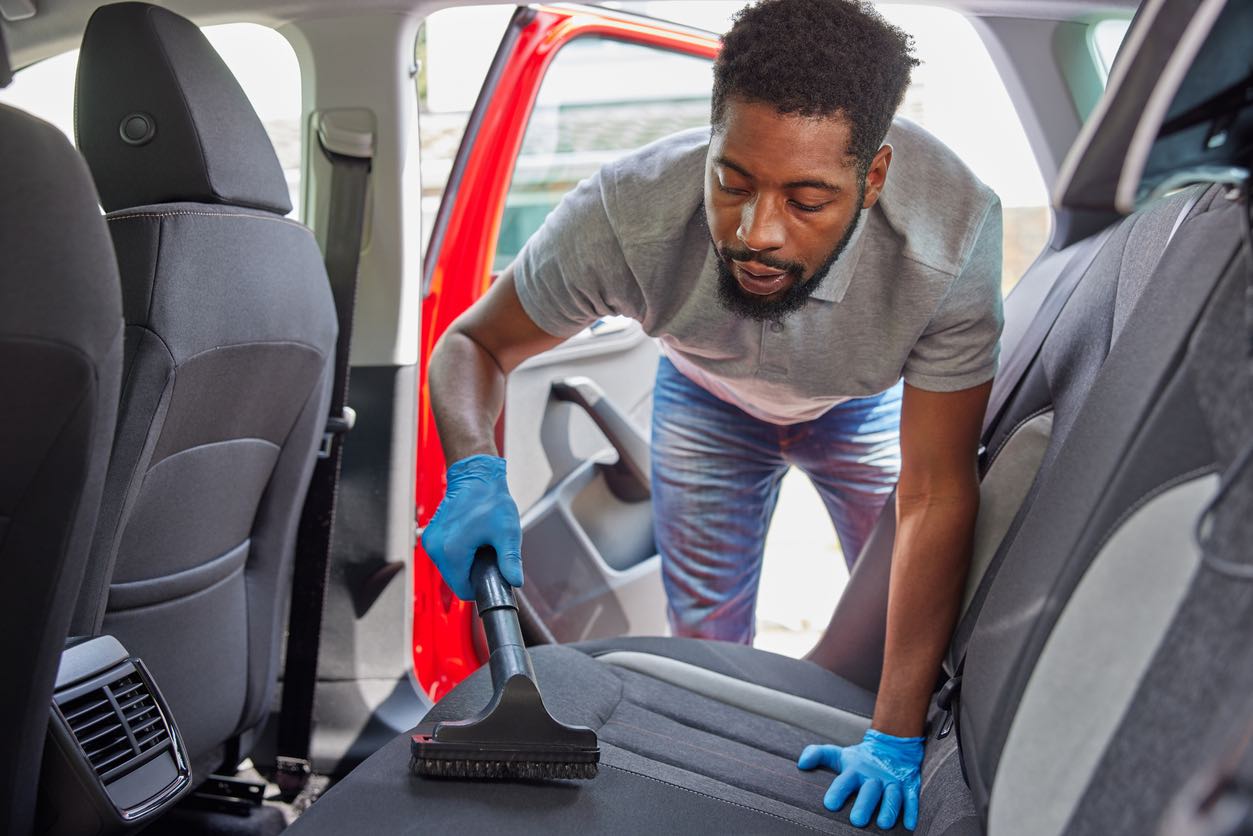
Essential Steps for Preparing Your Car for Shipping
Pre-shipment preparation is an important but sometimes ignored step in the car shipping process. This stage makes sure your car is ready for travel, which lowers the possibility of problems and makes the whole experience go more smoothly. Following these instructions is essential whether you’re an experienced shipper or this is your first time. It ensures open communication between you and the shipping company in addition to protecting your car. We go into further detail about the crucial actions you need to take in order to ship your car below.
Vehicle Preparation: The first thing to do is to prepare your car for the trip. First things first, make sure nothing personal is left inside the vehicle. Personal belongings may move around while being transported, sometimes resulting in internal damage or increasing weight. It is advised to have about a quarter of a tank of gas. This helps the carrier save gasoline because it’s plenty for loading and unloading while lowering the overall weight of the truck.
Initial Documentation: To make sure that everyone is in agreement on the state of the car, documentation is an essential first step. There will be a comprehensive examination done in front of you when your car is picked up. This is the moment to draw attention to any previous dents, scrapes, or damages. Make sure all the features are evident in the clear photos you take of your car from different perspectives. These images function as a point of reference in the event that any differences surface after shipping, together with the paperwork that was supplied by the carrier. It all comes down to making things clear and making sure the transaction is transparent.
Pro Tip: See Ship A Car’s comprehensive vehicle shipping checklist to learn what you need to do to get your automobile ready for transport.

The Ultimate Guide to Vehicle Tracking and Successful Receipt
It’s critical to keep informed and comprehend the receiving process throughout the latter phases of car shipping. Vehicle tracking and communication systems provide clients with greater transparency than ever before thanks to technological advancements. Even with the greatest technology, though, you may still feel secure by being aware of the subtleties of the automobile delivery process. We’ll go into further detail in this part on how to track your shipped vehicle efficiently and what to do when it arrives at its destination to ensure a hassle-free completion.
Staying Informed with Modern Tracking: In the era of digital transformation, a lot of auto carrier companies have included GPS monitoring devices, which let clients know exactly where their car is at all times. But regardless of whether your chosen provider lacks this tech perk, the car shipping company your chose will likely have dedicated customer service lines. You may obtain quick information on the status of your car’s transit and any modifications to the expected delivery schedule by phoning these helplines. By using these resources, you may be sure that you’ll always be aware of your car’s whereabouts.
Completion Formalities: Your Roadmap to a Smooth Finish: When the vehicle gets to its new residence, that is when the real deal happens. To make sure everything is in working condition, there are several crucial things to do before you start driving. Start by giving the car a thorough check. Keep an eye out for any indications of potential damage sustained during shipment. Any differences you discover should be documented; pictures are very helpful in this regard. Once the inspection is complete, it’s time to complete the relevant documentation. Usually, this entails approving paperwork such as the bill of lading, which verifies the state of the vehicle upon delivery. Lastly, make sure you settle any outstanding balances. Following these guidelines will ensure a seamless transition and safeguard you in the event of any post-delivery problems.
In Summary: The whole process of tracking and receiving a car doesn’t have to be difficult. You may make this last stage of auto shipment easy and stress-free by being knowledgeable through the resources that are available to you and comprehending the necessary post-delivery inspections and procedures. Keep in mind that the strongest defenses against an unsuccessful auto shipping experience are preparation and expertise.

Your Ultimate Guide to Vehicle Shipping: Concluding with Ship A Car, Inc.
Closing Thoughts on U.S. Vehicle Shipping: It takes more than simply getting a car from point A to point B when shipping it across the United States. It’s an intricate process with many steps, options, and possible dangers. Two essential elements are necessary for a car shipping experience to be successful: your level of comprehension and the skill of the service provider you select. Your car’s voyage may be safe and easy if you have thorough information, pay close attention to details, and work with the finest in the industry.
Why Ship A Car, Inc. Leads the Way: Established more than a decade ago, Ship A Car, Inc. has solidified its standing as a prominent player in the car shipping industry in the United States. Their steadfast dedication to quality is shown in their A+ BBB rating, which is more than just a pretty feather in their crown. Ship A Car, Inc. provides a full range of vehicle shipping services to meet the demands of both individual clients and corporate clients. Their core competency is their all-American in house staff, which guarantees that each and every client receives understanding, clear communication, and a customized experience that meets their needs.
Taking Your Next Step with Ship A Car, Inc.: Wouldn’t you want to leave your car shipping plans to the top professionals in the field? When you work with Ship A Car, Inc., you’re not just receiving a service-you’re starting a hassle-free trip with knowledgeable guidance. They are the best option for all of your vehicle shipping needs because of their established track record and commitment to client satisfaction. When you can have the greatest, don’t settle for anything less. Act immediately to ensure a seamless transfer for your car. To start your automobile shipping trip and for more information, get in touch with Ship A Car, Inc. Call them at (866) 821-4555 to get a first-hand look at shipping excellence.
FAQ Section
Q1: What is the Estimated Timeframe for Car Transportation?
A1: Car shipping times might differ depending on a number of factors, including the model of the vehicle, the shipping route used, and even the time of year. A vehicle may take around a week to move across the United States on average. On the other hand, delivery across shorter distances might be accomplished in a few days.
Q2: What Factors Contribute to Extended Car Shipping Durations?
A2: It may seem time-consuming to ship a vehicle for a number of reasons. Long travel distances, erratic weather, the possibility of traffic jams, and times of high demand are some of the contributing factors. It is advisable to plan the shipment well in advance, ideally when premium shipping services have plenty of availability, to guarantee a quick delivery process.
Q3: How Much Time is Needed for Domestic Car Shipments in the U.S.?
A3: It may take around two days to send a vehicle small distances inside the United States, such a few hundred miles. A week is a typical estimate, though, for lengthy cross-country transfers. The shipping time may likely rise if you’re thinking about going to places like Hawaii, Alaska, or even beyond.
Q4: How can I ensure a quicker car shipping process?
A4: You may speed up the process by making advance plans, using open transit, and thinking about terminal-to-terminal shipment.
Q5: Why choose Ship A Car, Inc. over other providers?
A5: Ship A Car, Inc. provides unrivaled dependability and service thanks to its A+ rating from the Better Business Bureau (BBB), its decade-long track record, and its entirely U.S.-based workforce in the office.