How Much Does It Cost to Ship a Lawn Mower?
The honest answer starts with what kind of mower you mean. A push mower, a riding mower, a zero-turn and a commercial fleet unit are four different shipments with four different price logics, and the spread between them is wide enough that generic answers mislead. Here is how mower shipping is actually priced, from the freight side of the business, and when shipping is worth it at all.
The Four Tiers of Mower Shipping
Push and walk-behind mowers are the honest exception: they are usually not worth professional freight on their own. Drained of fuel and oil, a push mower can travel with a household move or in a pickup bed, and when neither works, replacing it at the destination often costs less than shipping it. Freight makes sense only when the mower is part of a larger equipment shipment.
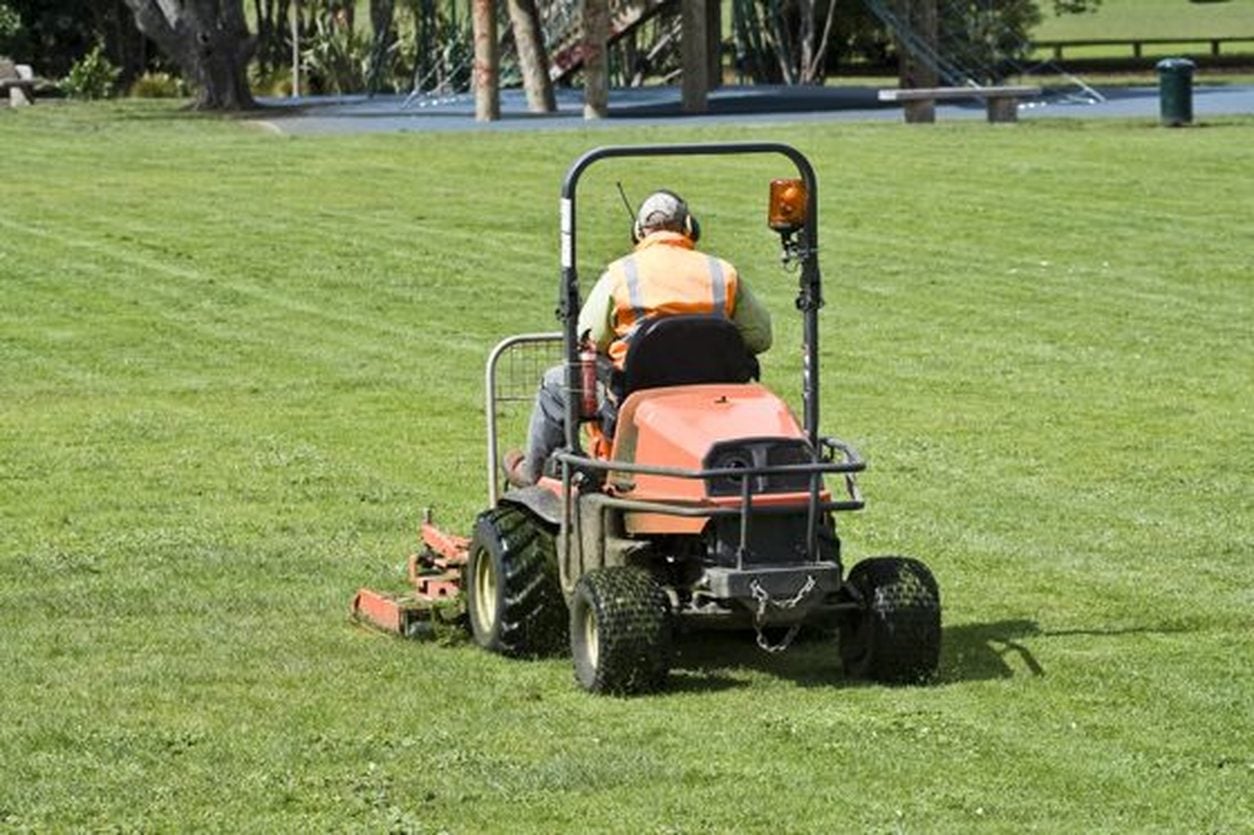
Riding mowers and garden tractors are the sweet spot of this question and the machine most people are asking about. They move as palletized or strapped freight, and the price is driven far more by distance and route than by the machine itself.
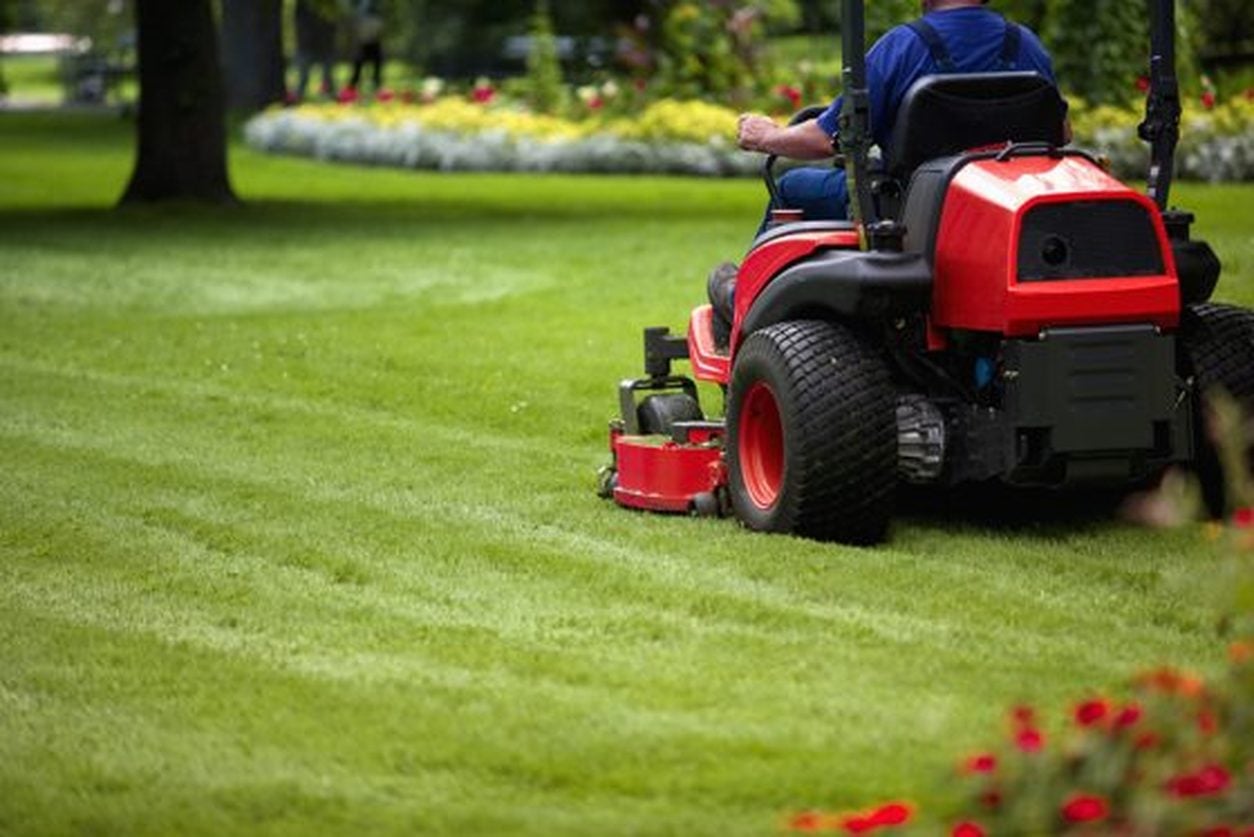
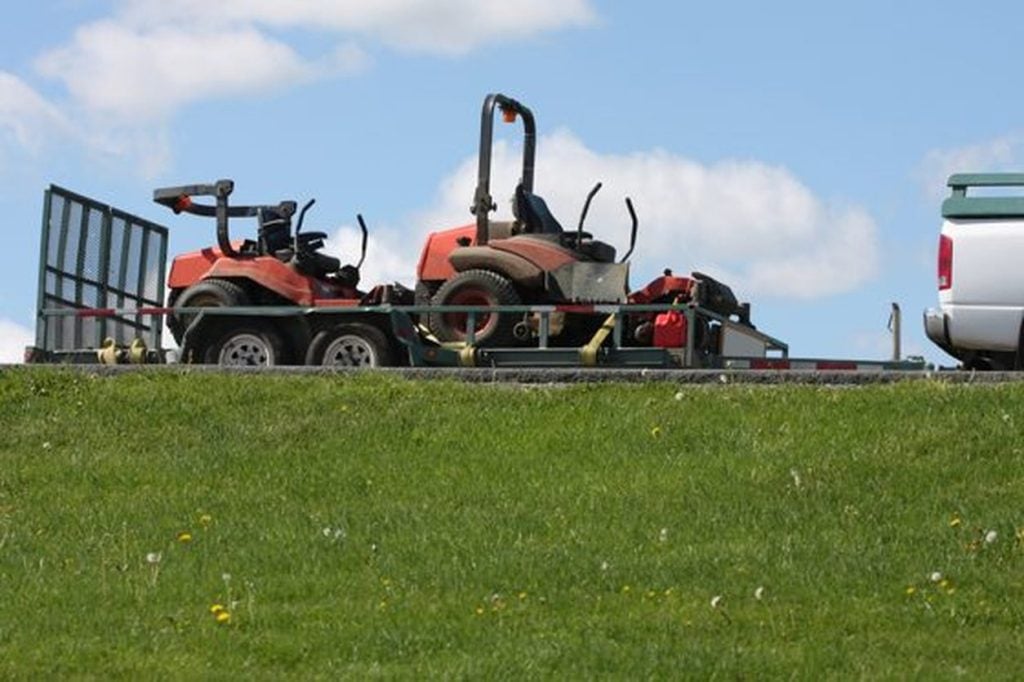
Zero-turns ship the same way but ask for more care: they are heavier than they look, their decks are wide, and their hydrostatic drives mean they should be rolled and secured properly rather than shoved. Wheel-strapped on a trailer or banded to an oversized pallet, they travel well.
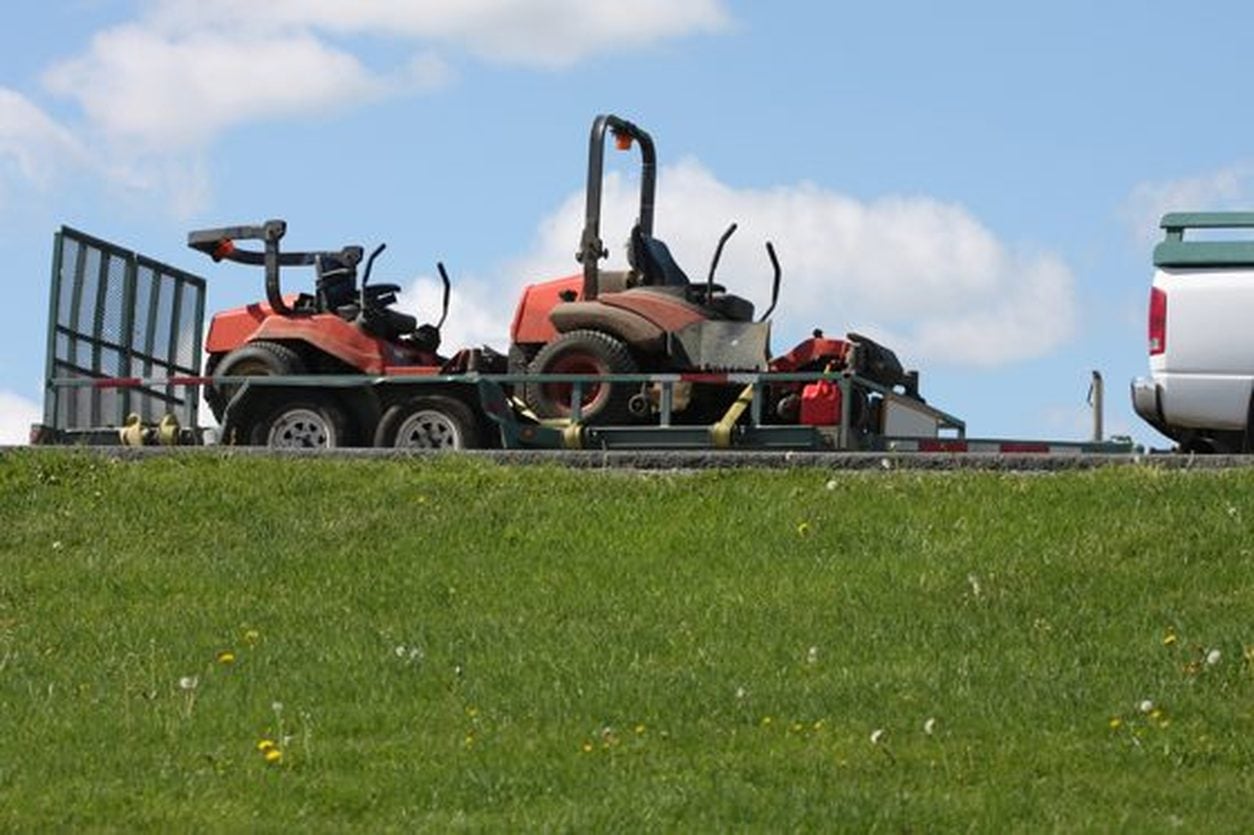
Commercial units and fleets move like the small equipment they are, on hotshot and step deck trailers, often several machines at once. At this tier the pricing follows equipment freight logic: dimensions, weight, distance and loading arrangements at each end.
What Actually Drives the Price
Distance and route, more than the mower. A riding mower going two states rides a shared trailer on a lane trucks already run; the same mower to a remote address pays for the detour. Metro-to-metro is always the friendlier quote.
How it is presented. A mower strapped to a pallet with the deck secured loads in minutes and prices like clean freight. A loose machine that needs ramps, pushing and improvisation prices like a project. Palletizing a riding mower is the single best thing a seller or buyer can do for the quote.
Season. Spring moves the most mowers and the most competing freight. Fall and winter quotes on the same lane routinely come in friendlier, which matters if you are buying a used machine at the end of the season, which is exactly when the good deals list.
Working or not. A running mower loads under its own power. A dead one needs a liftgate or a loading dock at both ends, and that equipment requirement shows up in the price.
Why People Ship Mowers at All
Three scenarios cover nearly every mower we move. The distant deal: the used zero-turn market is a marketplace market, and the right machine at the right price is reliably a few counties away; freight closes the gap and still beats local retail. The long move: a household relocating across the country with a garden tractor they trust, where the mover either will not take it or prices it badly. The equipment buyer: landscapers and property managers buying at auction or from dealers out of state, where a mower rides along with other machines and the freight spreads across the load.
In all three, the math is the same discipline we preach for every machine: get the freight number before you commit, add it to the purchase price, and compare the delivered cost against buying locally. When the distant machine is meaningfully better or cheaper, freight is a rounding line. When it is not, the local dealer just won honestly.
Preparing a Mower for Transport
Drain the fuel or run it near empty, and disconnect the battery. Fold or remove the ROPS bar if the machine has one, drop the deck to its lowest setting, and remove loose attachments like baggers and carts, which travel better boxed. Photograph the machine in daylight from all sides before pickup. If it is going on a pallet, strap through the frame, not over the hood, and chock the wheels. The full step-by-step, including loading options when there is no dock or ramp, lives in our guide to how to ship a riding lawn mower.
The Attachments Question
Riding mowers rarely travel alone. Baggers, snow blades, carts, sweepers and spare blades all want to come along, and how they travel changes the quote. Small attachments box up and ride strapped to the same pallet at little or no extra cost. A snow blade or a tow-behind cart is its own piece of freight with its own footprint, and pricing it as a surprise on pickup day is the most common way a clean mower quote goes sideways. List every attachment when you ask for the number, and box what fits in a box. The same honesty applies to the machine itself: a bent deck or a seized wheel changes the loading plan, and carriers handle disclosed problems gracefully and undisclosed ones expensively.
Getting a Real Number
Because mower pricing is dimension-and-lane pricing, the useful quote comes from the machine’s actual details: make and model, deck size, rough weight, whether it runs, both zip codes, and how it will be loaded at each end. With those in hand, a quote takes minutes, and our equipment shipping service handles everything from a single garden tractor to a landscaper’s full trailer of machines.
Common Questions
Is it worth shipping a push mower? Rarely on its own. With a household move or equipment load, yes; as standalone freight, replacement usually wins.
How do riding mowers ship? As palletized or strapped small freight on shared trailers, priced mainly by distance, dimensions and loading arrangements.
Does the mower need to be drained? Fuel near empty and battery disconnected is the standard, and it keeps the shipment inside every carrier’s rules.
Can I ship a mower that does not run? Yes, with liftgate or dock loading arranged in advance. Say so when quoting; surprising the driver never ends well.
When is the cheapest time to ship a mower? Off season. Fall and winter lanes are friendlier than the spring rush, and used prices are better then too.
Get a Quote
Call Ship A Car, Inc. at (866) 452-3657 with the mower’s details and both zip codes, or price the move with the specialized transport calculator.