Consignor vs. Consignee: The Difference in Freight Shipping
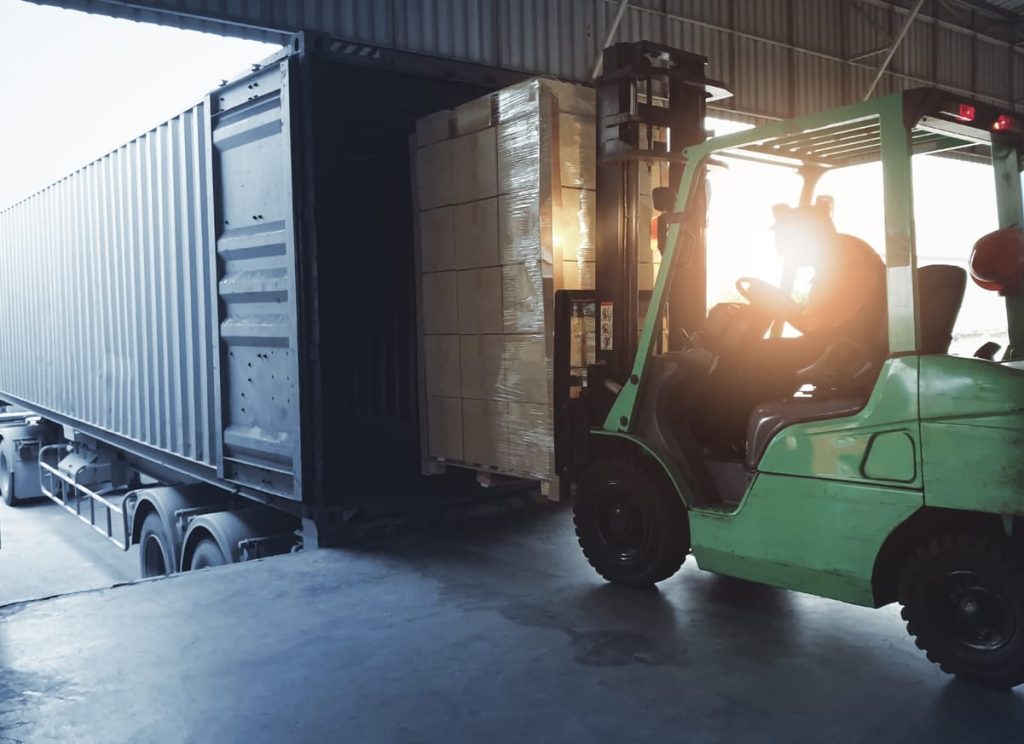
The difference is simple: the consignor is the party that sends the goods, and the consignee is the party that receives them. On every freight document, the consignor is the shipper of record (typically the seller, exporter, or owner at origin) and the consignee is the named receiver (typically the buyer or importer at destination). Every consignment moving by road, rail, air, or sea names both parties on its bill of lading, and knowing which role you play determines what you sign, when ownership transfers, and who files a claim if something goes wrong.
Below is what each term means in practice, the key differences, and how the bill of lading ties the two roles together.

Consignor Definition
The consignor is the sender: the seller or owner of the shipment, not the shipping company that hauls it. The pickup point can be a factory, a distribution center, or a drop-ship origin. In international freight, the consignor is the exporter of record. The industry uses “consignor” rather than “shipper” because many commercial shipments move on a consignment basis: the consignor hands the goods to the carrier while retaining ownership until the terms of the sale are fulfilled.
Consignee Definition
The consignee is the named receiver: the customer, buyer, or ultimate owner of the goods at destination. In international shipping, the consignee is the importer of record. The consignee’s signature at delivery is what closes the shipment: it confirms the goods arrived as described on the bill of lading, and in a consignment arrangement it marks where ownership finally transfers.
The Differences between a Consignor and a Consignee
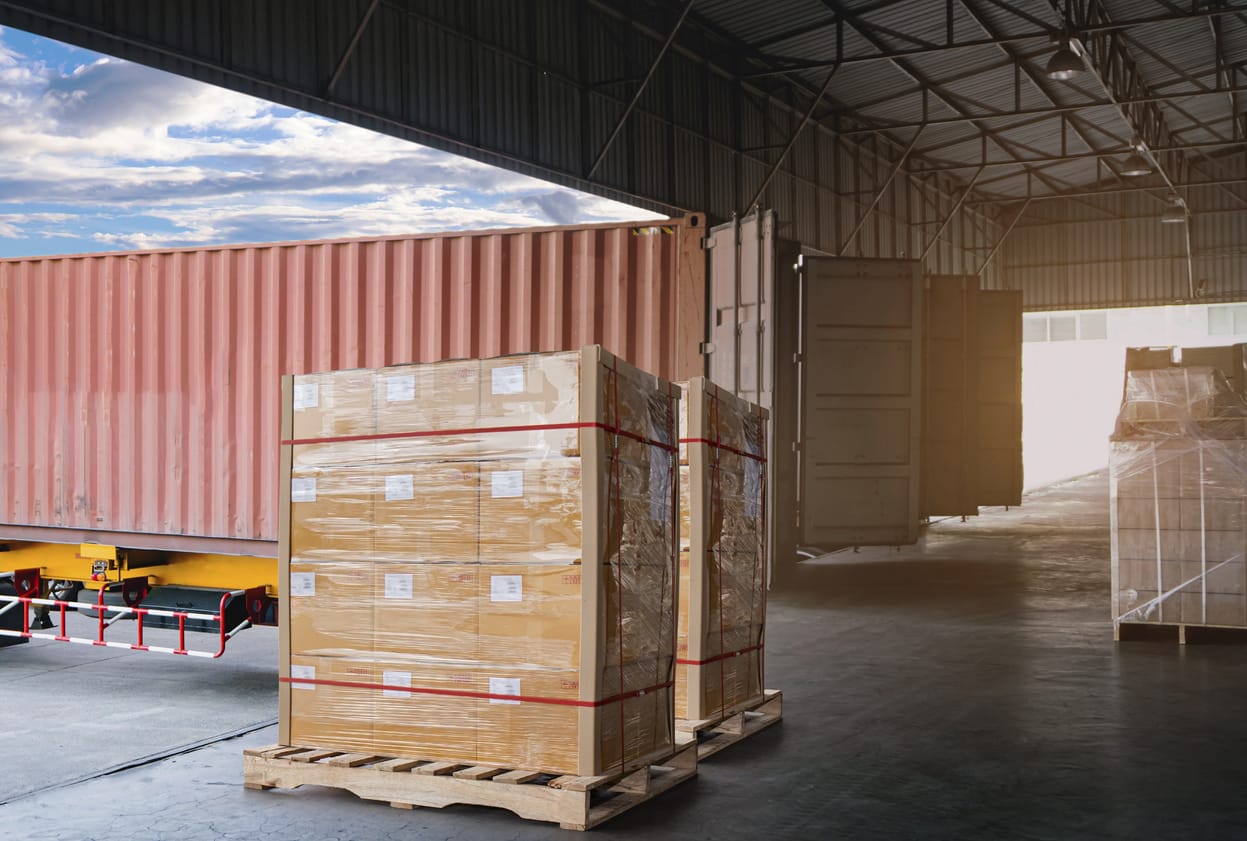
Every consignment names both parties on the carrier’s paperwork. The distinctions that matter:
- The consignor sends; the consignee receives. On international moves that is exporter versus importer.
- Ownership stays with the consignor until the terms of sale are met, commonly when the consignee pays in full or signs at delivery.
- A consignee is not always the final buyer: it can be an agent, a dealer, or a warehouse receiving on the buyer’s behalf.
- Claims follow the paperwork: whichever party holds ownership at the time of loss or damage is the one with standing to file.
The document that binds the two roles is the bill of lading, issued before the goods move and signed when they arrive.
Bill of Lading
A Bill of Lading (BL or BOL) is the legal contract of carriage the transportation company issues to the shipper. It travels with the freight by road, rail, air, or water, and the consignee’s signature on it at delivery is the legal record that the goods arrived. If you have ever shipped a vehicle, you have seen the same instrument at work: the pickup and delivery inspections on a car transport are recorded on a bill of lading too. A complete BOL contains:
- The shipper’s (consignor’s) name and address
- The consignee’s name and address
- The reference number
- Pick-up date
- The order description: the goods’ quantity, nature, and dimensions
- Any special instructions
- The packaging details, such as crates, drums, or pallets
- The gross weight of the items
The Types of BOL
The document takes different forms depending on how the consignment moves:
- Rail Waybill: Used for rail freight; the shipping company prepares it from the consignor’s instructions.
- Air Waybill: The standard non-negotiable contract for air cargo, in the format distributed by the International Air Transport Association (IATA).
- Road Waybill: The carrier document for road freight; forwarders and drivers use the international consignment version when goods cross borders by truck.

Conclusion
Consignor sends, consignee receives, and the bill of lading binds the two. Get those three pieces right and freight paperwork stops being confusing: you know what you are signing, when ownership changes hands, and who calls the carrier if something arrives wrong. Ship A Car, Inc. works as a licensed freight and vehicle transport broker (USDOT 2303542, MC 784930), handling the carrier vetting, dispatch, and paperwork for freight and vehicle moves nationwide. For a shipment priced on your actual route, use the quote calculator or call (866) 452-3657.