Heavy Construction Equipment and What It Takes to Move It
Every machine on a job site belongs to one of a handful of families, and the family it belongs to tells you most of what a transport quote will say. Tracked machines cannot travel on their own tracks and need a low deck. Wheeled machines can often drive on and off. Tall machines run into the 13 foot 6 inch height limit. Once you know which category a machine sits in, the trailer, the permit and the price follow almost automatically.
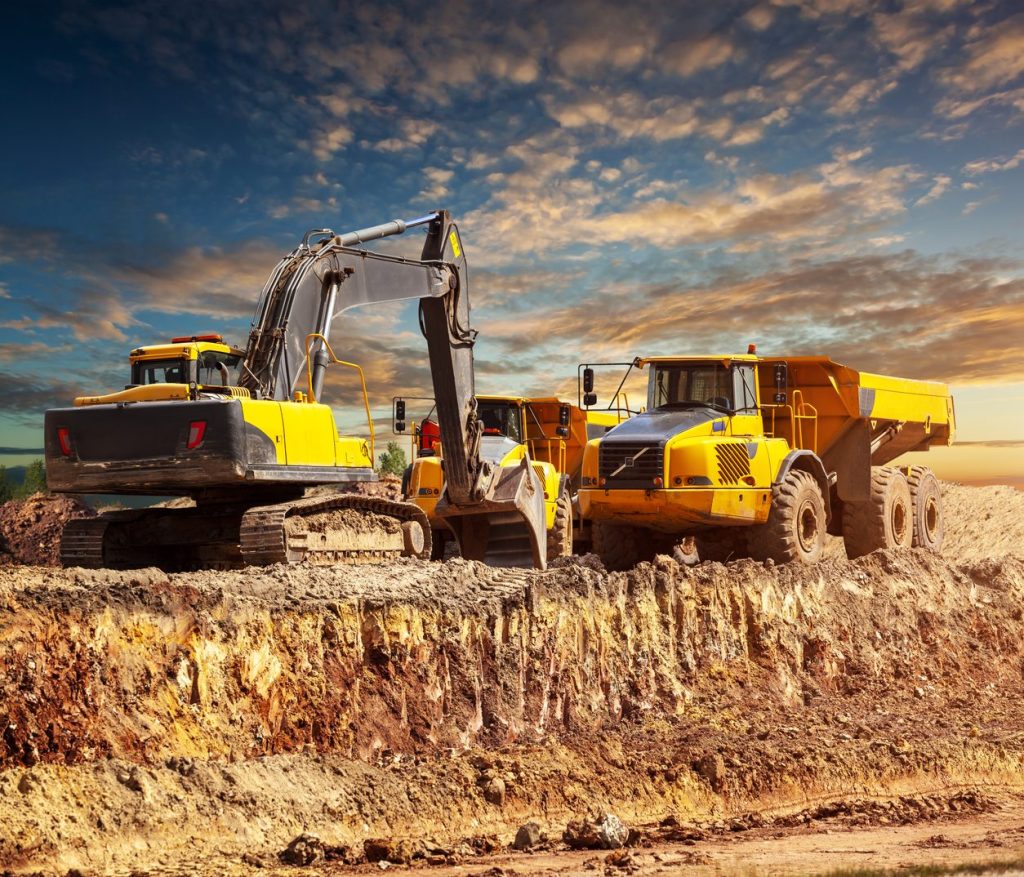
Excavators
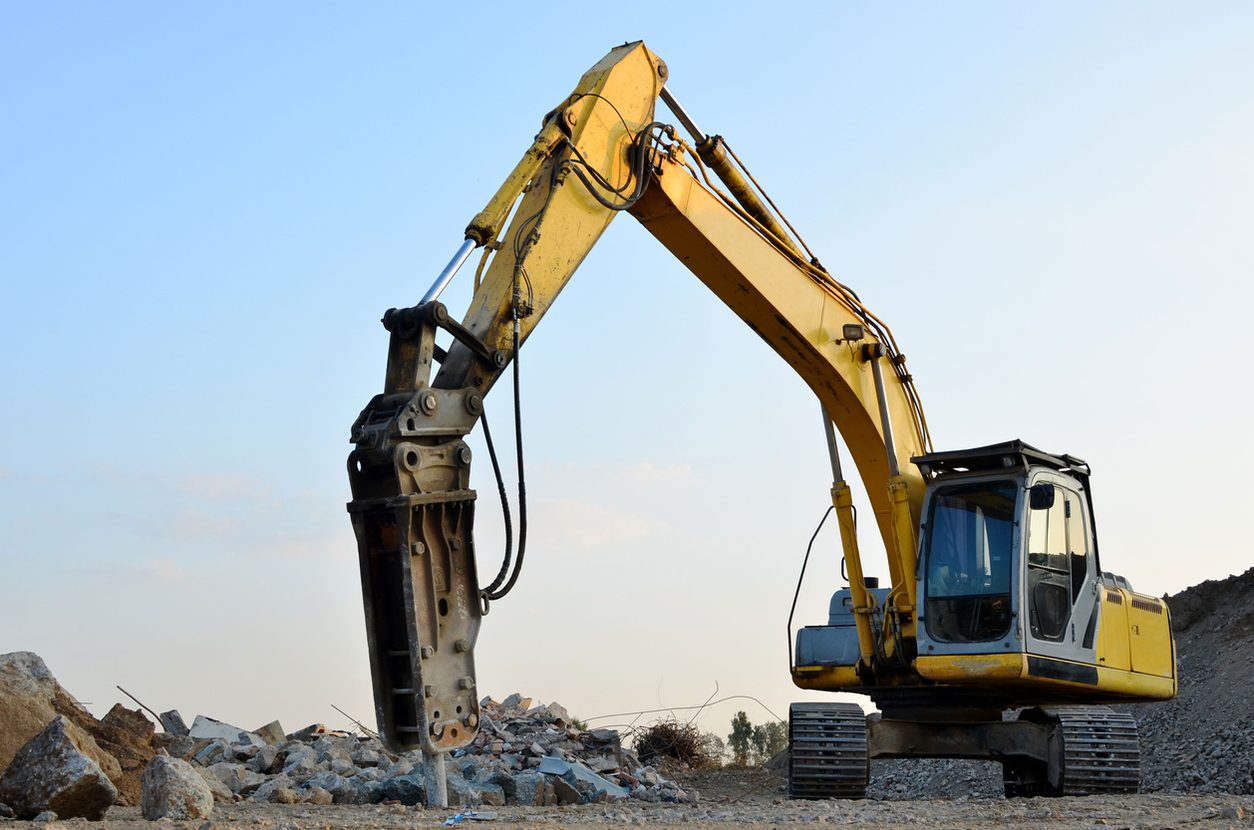
The most common machine on any site, and the one we move most often.
A compact excavator under about 10,000 pounds fits on a heavy duty trailer behind a suitable truck. A mid size machine in the 20,000 to 50,000 pound range normally travels on a lowboy. Large machines are broken down, with the bucket and sometimes the boom removed and shipped separately, because the assembled machine exceeds legal width or height.
The two things that catch people out are the boom, which adds length, and the counterweight, which adds weight at the back. Both usually come off, and taking them off frequently drops a load out of permit territory.
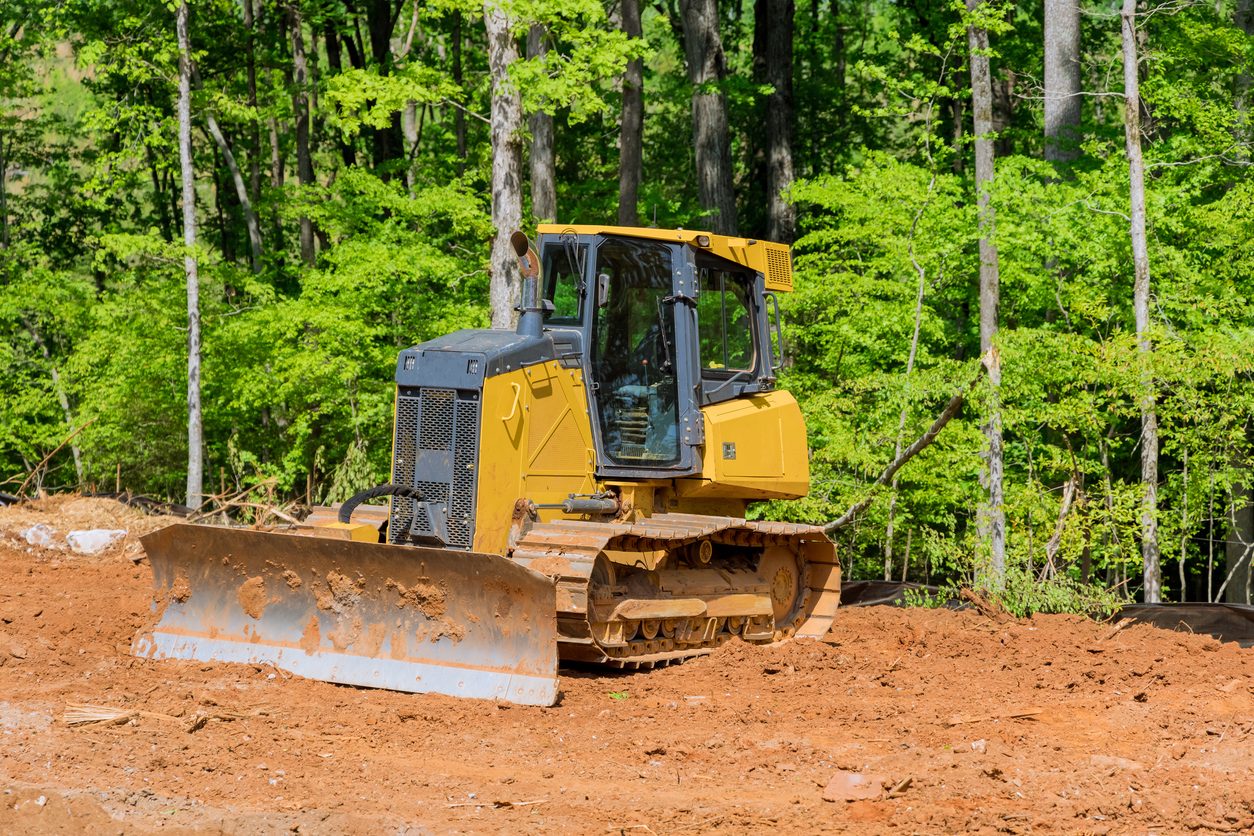
Dozers
Tracked, heavy for their size, and wide because of the blade.
A small dozer runs around 20,000 pounds, and the large production machines reach well over 100,000. The blade is the constraint: it is almost always wider than the machine body, and on a mid size dozer it is what pushes the load past 8 feet 6 inches into permit territory.
Blades and ripper shanks generally come off. That is the single highest value twenty minutes of work available on a dozer move.
Wheel Loaders and Backhoes
These are the easy ones, relatively speaking, because they drive.
A wheel loader or a backhoe can usually be driven onto a trailer under its own power, which removes the need for a crane at either end. The bucket comes off or is curled tight to reduce length, and the height is checked because a loader cab can sit taller than people expect.
Larger loaders still need a lowboy, and articulated machines need care in loading because they pivot in the middle.
Cranes and Boom Equipment
Cranes are the most involved category and are rarely moved in one piece.
A mobile crane on a carrier can often drive itself between sites, but the counterweights travel separately, frequently on their own trailer, and the boom may be sectioned. A crawler crane is dismantled entirely: tracks, boom sections and counterweights each become a load of their own, and a single crane move can occupy several trucks.
This is planning work rather than trucking work. The order of assembly at the destination determines the order the components have to arrive in.
Articulated Dump Trucks and Scrapers
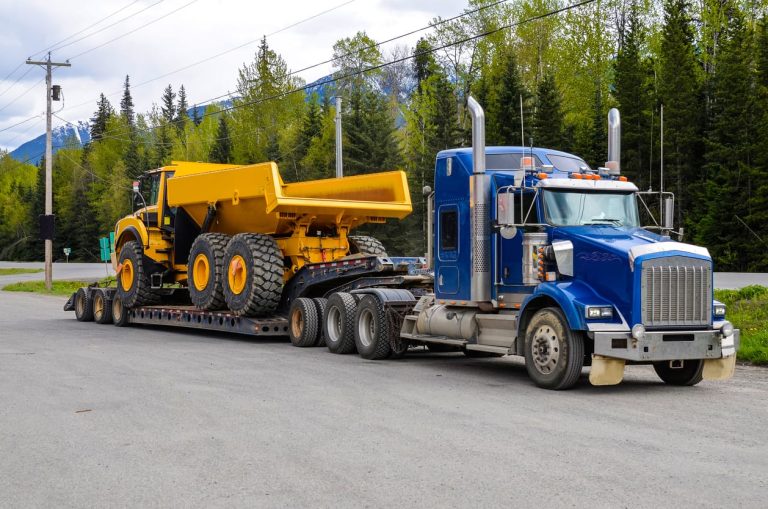
Big, tall, and the ones most likely to need a permit on height rather than weight.
An articulated hauler is a tall machine before you put it on a deck, and on a standard trailer it frequently exceeds 13 feet 6 inches. A lowboy or a double drop is normal. Some are driven between nearby sites instead, though they are not built for road travel and this is a short distance option only.
Drilling Rigs and Pile Drivers
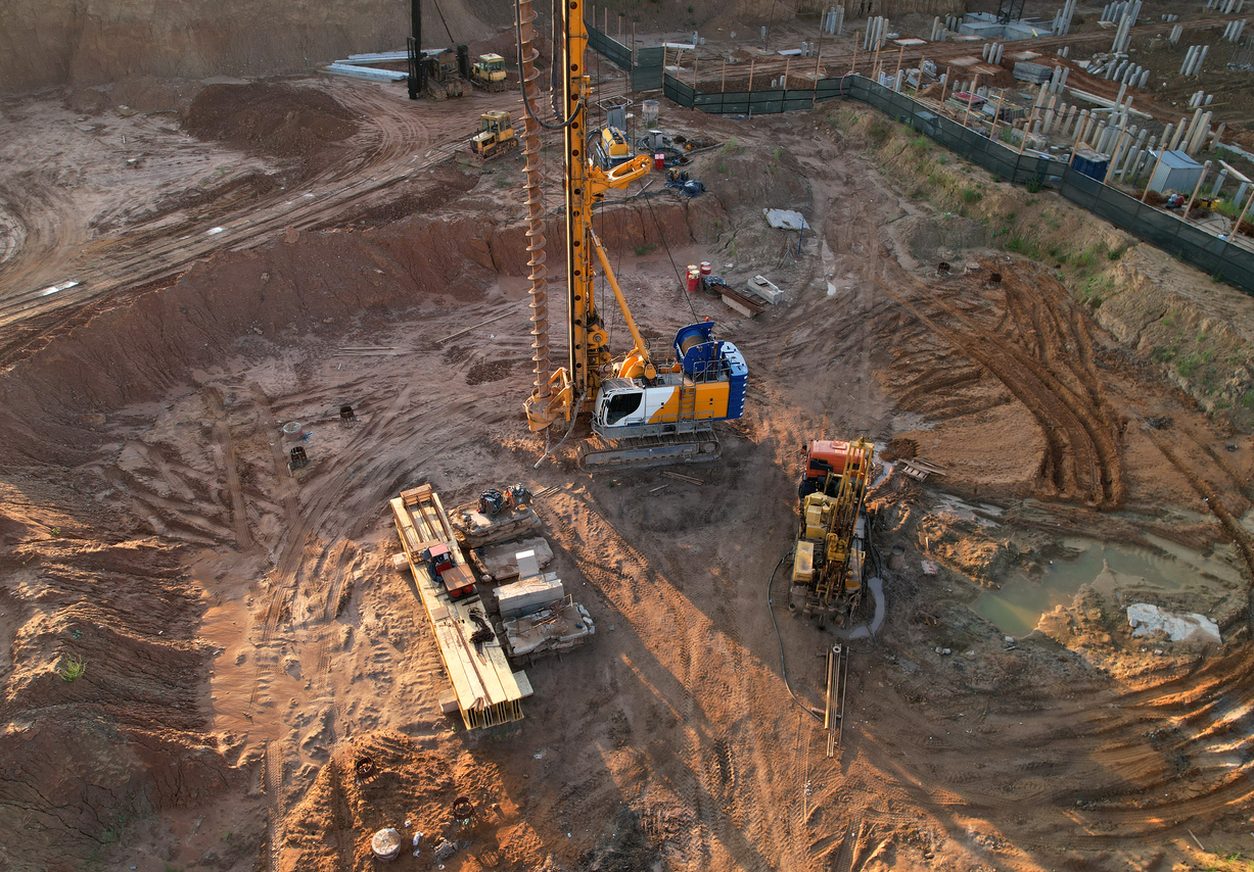
Specialist machines with an obvious problem: the mast.
The mast is the whole point of the machine and it is far too tall to travel raised. Rigs are designed to lower or fold it for transport, and where it will not fold far enough it is removed and shipped separately. Weight distribution matters more here than on most machines, since these carry heavy equipment high up.
Once you know which family your machine belongs to, our step-by-step guide to shipping construction equipment covers measuring, weighing, the trailer choice and the permits.
Permits, Escorts and Route Surveys
Federal limits are 8 feet 6 inches wide, 13 feet 6 inches tall on the Interstate system, and 80,000 pounds gross with 20,000 on a single axle and 34,000 on a tandem. Past any of those the load needs an oversize or overweight permit, issued by each state it crosses against a specific machine, configuration and route.
Routine permits are normally issued quickly, though a multi state move takes longer because every state issues its own and their rules do not match. Wider loads bring escort vehicles into it, with thresholds that vary by state and by road type, and the largest loads require engineering review of the bridges and structures along the way.
Permitted movement is generally daylight only on weekdays with holiday restrictions, which is why a permitted load covers far less ground per day than an ordinary truck. That is a scheduling fact rather than a delay, and it belongs in the plan from the start.
Preparing the Machine and the Site
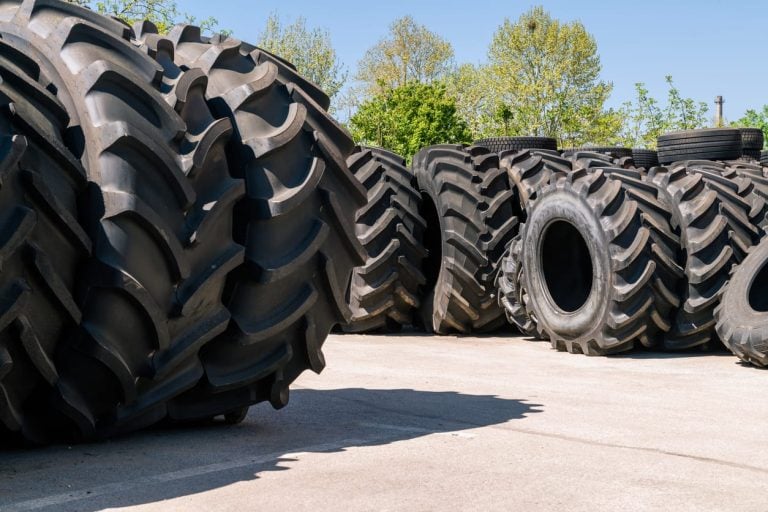
Give an accurate weight from the manufacturer specification or a certified scale, and include everything traveling with the machine. Counterweights, attachments, full tanks and fluid filled tires all add weight that is invisible from outside. Give measured width and height rather than brochure figures, because wide pads and aftermarket fittings change both.
Then reduce the envelope where you can. Removing a bucket, folding an arm, taking off a header or swapping wide pads can bring a load under a threshold and save a permit, an escort and the routing restrictions that come with both. Twenty minutes in the yard routinely saves more than the labor costs.
Clean the tracks and tires properly. Carried soil is weight you are paying to haul, it falls onto the highway in transit, and several states treat it as a violation. Secure or remove loose items, check for leaks, and photograph the machine in daylight from every side including the undercarriage and the hour meter.
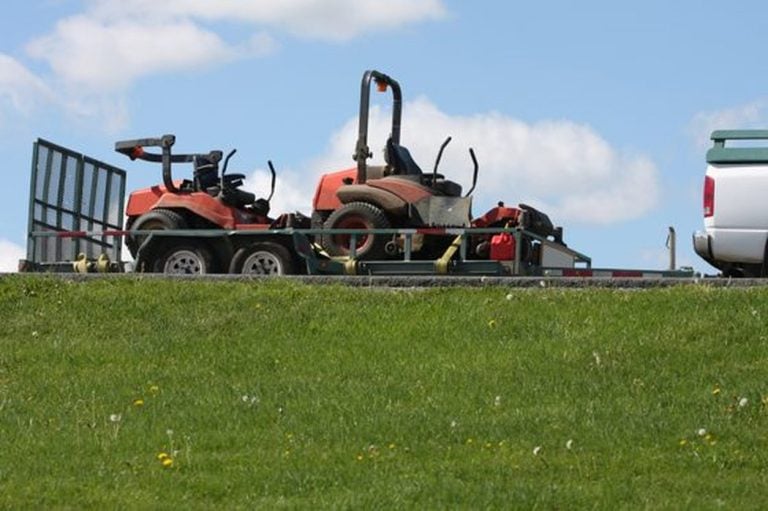
The site matters as much as the machine. A tractor with a lowboy needs firm ground, room to turn and space to load. Soft ground is the usual obstacle: a loaded trailer sinks where a tracked machine walks across without trouble. Low branches, gates, overhead lines and a level loading area all belong in the conversation before the day.
What Decides Your Quote
Regardless of the machine, four numbers do most of the work: measured width, measured height, measured length, and working weight with attachments fitted.
Over 8 feet 6 inches wide, 13 feet 6 inches high or 80,000 pounds gross needs a permit for every state on the route, with escorts commonly required past around 12 feet wide. Height is measured from the road surface, not from the deck, which is the error that stops loads at bridges.
And tell us whether the machine drives and steers under its own power, because that decides whether a crane is needed at both ends. For the full process, see our guide to heavy equipment transport.
Common Questions
Which machines need a lowboy? Tracked machines and anything tall. Wheeled loaders and backhoes often manage on a step deck.
Should I remove attachments? Usually yes. Buckets, blades, counterweights and ripper shanks come off and often drop a load below a permit threshold.
Can a crane be moved in one piece? Rarely. Counterweights travel separately and booms are often sectioned; a crawler crane is dismantled entirely.
What most often triggers a permit? Width from a blade or track pads, and height measured from the road rather than the deck.
Do I need lifting equipment? Only if the machine will not drive on and off. If so, you need it at both ends.
Get a Quote
Call Ship A Car, Inc. at (866) 452-3657 for heavy haul and specialized freight, with the machine make and model, its measured dimensions and both site addresses.