What Does “Top Load” Mean in Car Shipping?
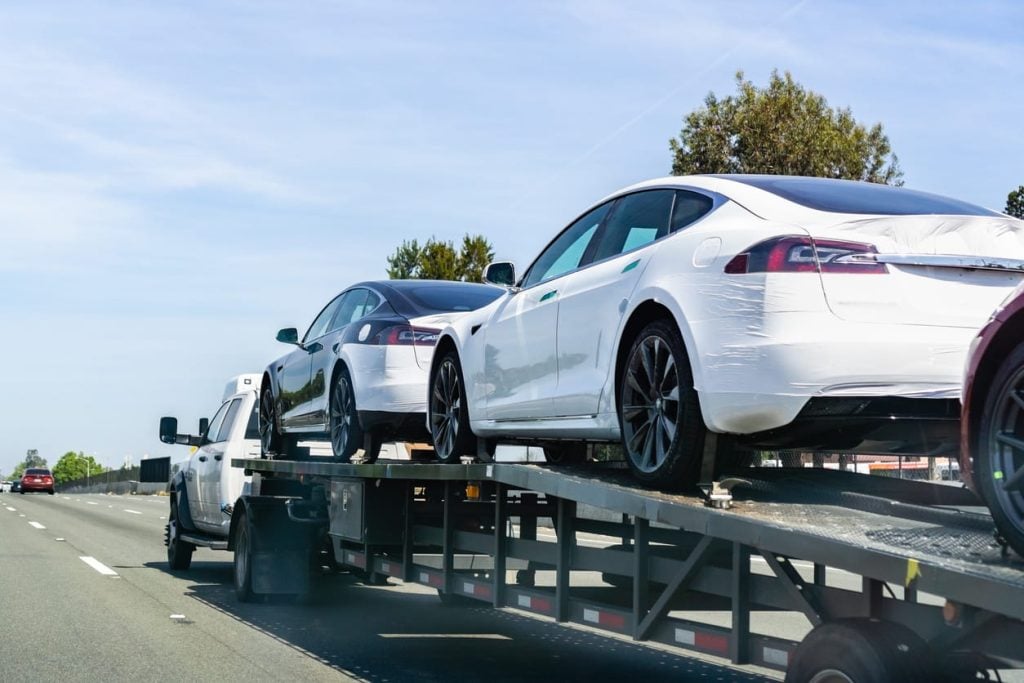
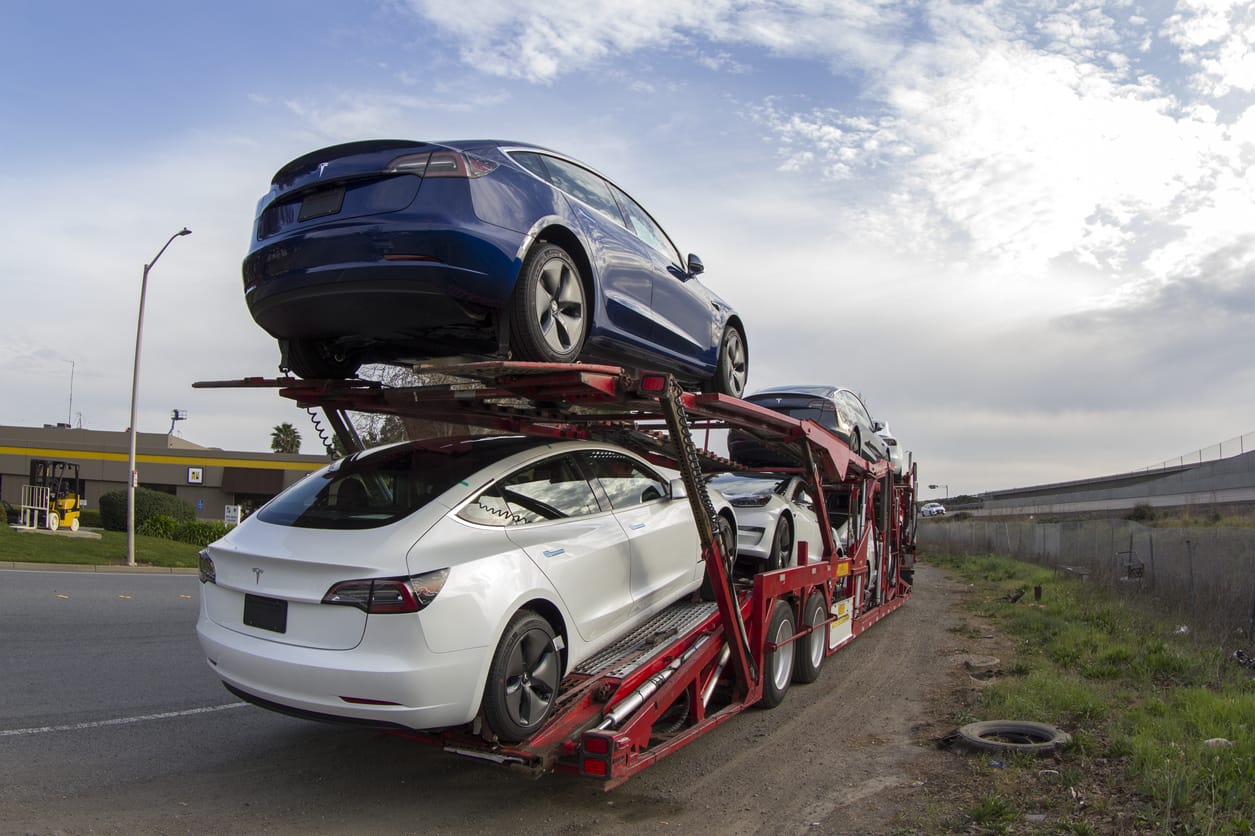
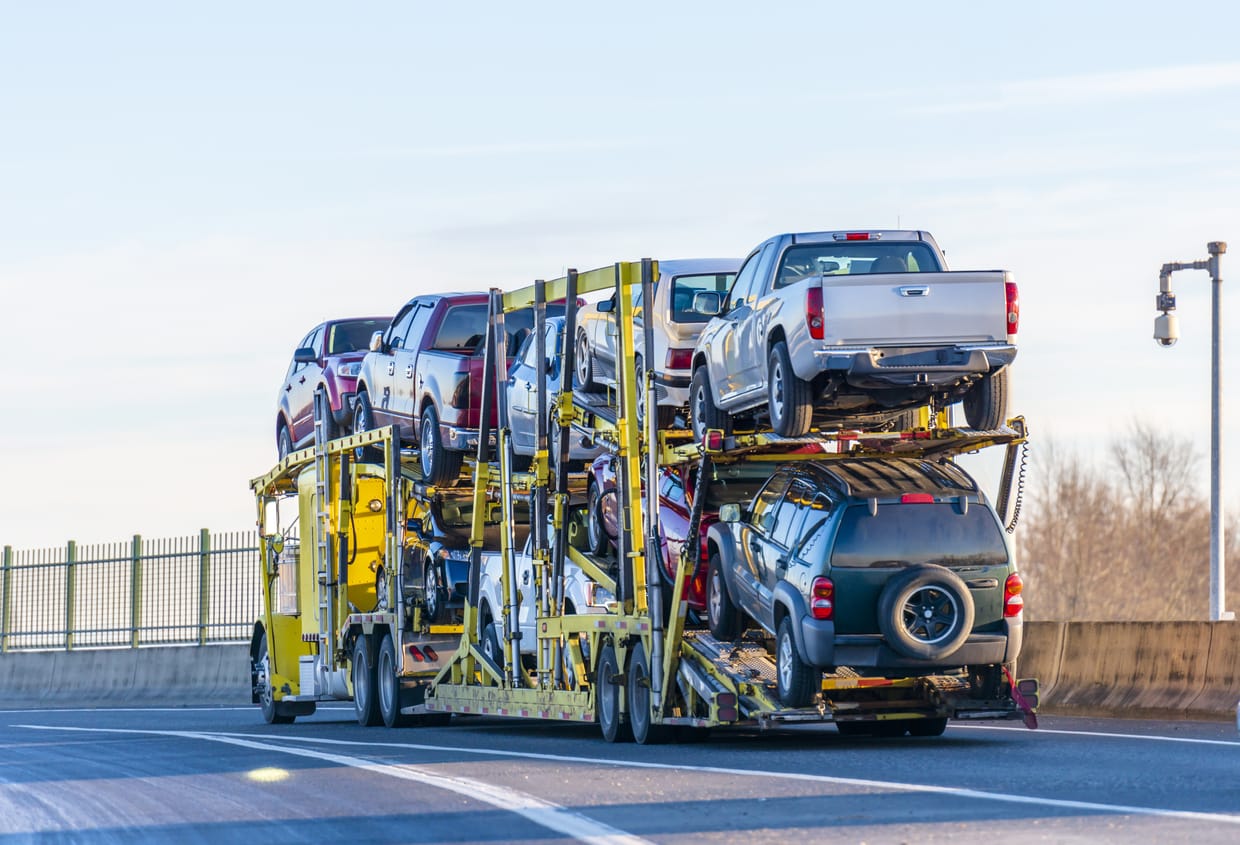
Top load means your vehicle rides on the upper deck of a multi-car open carrier instead of the bottom level. It is a premium placement, usually a modest add-on fee rather than a separate service, and it exists for one reason: the upper deck is simply the cleaner, lower-risk place to ride. Nothing is parked above your car, so no fluids from another vehicle’s engine, transmission, or coolant system can drip onto your paint, and the car sits farther from road spray and loose gravel. Many drivers park their own personal vehicles on the top deck, which tells you everything about where the good spots are.
If you are weighing it: for a standard daily driver, bottom load is perfectly safe and is how most cars ship. For a vehicle whose paint and finish matter more than average, the top-load fee is cheap insurance.
Top Load vs. Bottom Load
- Top load: upper deck. No vehicles overhead, so no drip risk; farther from road debris kicked up by traffic. Costs extra and depends on space being available on the upper deck.
- Bottom load: lower deck. Standard placement at the standard price. Rides closer to road spray, and vehicles above it can in rare cases drip fluids. Easier to load for low-clearance cars on some trailers, and often the only option for taller vehicles.
Note that both placements are on an open carrier, so both are exposed to weather. If you want full protection from weather and road elements, that is enclosed auto transport, a different service tier entirely.
What Does “Top Load Only” Mean?
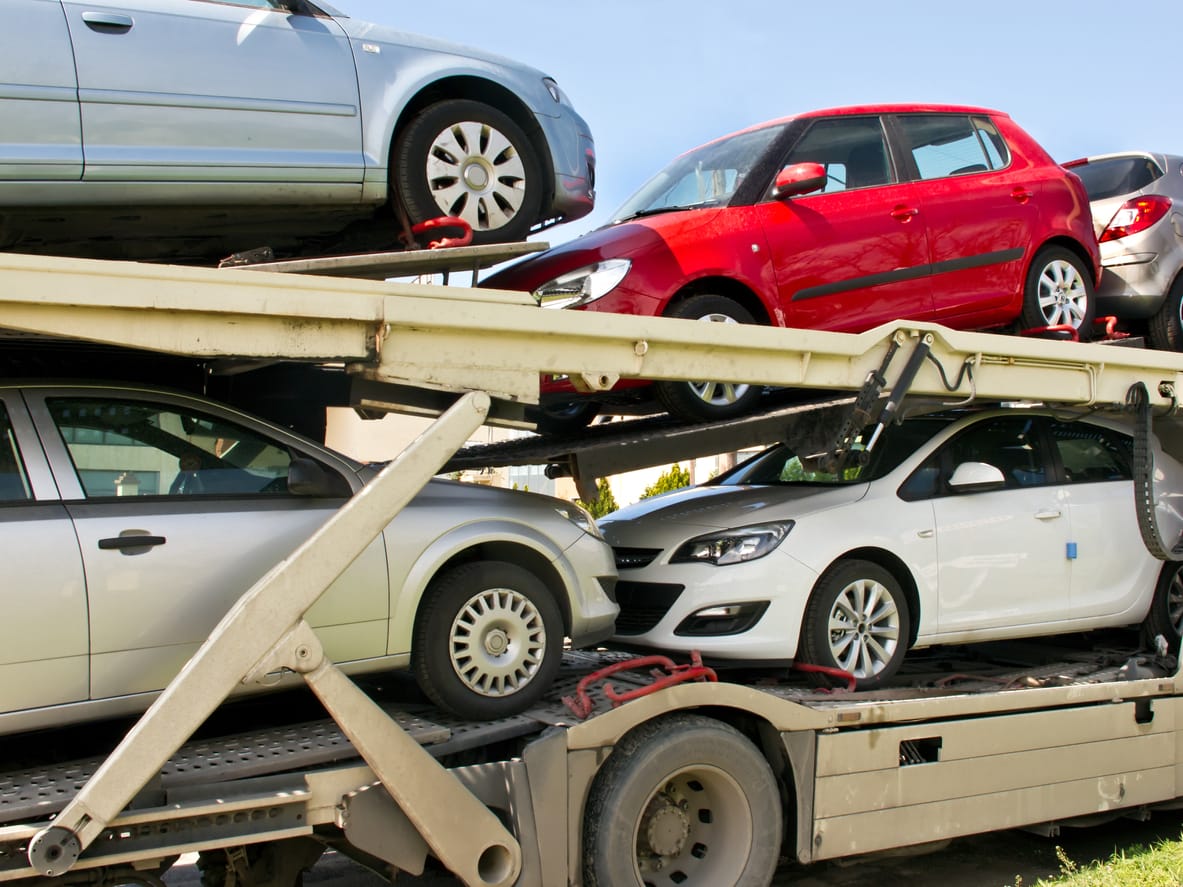
“Top load only” is a dispatch instruction: the customer (or broker) has specified that the vehicle may only be transported in an upper-deck spot, and the load offer is refused if none is open. You will see the phrase on load boards and dispatch sheets. Requesting top load only can add a little time to pickup scheduling, since the carrier must have the right spot open, so build some flexibility into your dates.
What Does “Do Not Top Load” Mean?
You may also see the opposite instruction in general freight: “do not top load” on a pallet or crate means do not stack other freight on top of it. In vehicle transport the equivalent request is bottom-load-only, which some customers ask for when a vehicle is too tall for upper-deck clearance or when they prefer the easier lower-deck loading angle for a low car. Same grammar, different industries; if you see it on car shipping paperwork, ask your coordinator what is intended.
When Top Load Is Worth Requesting
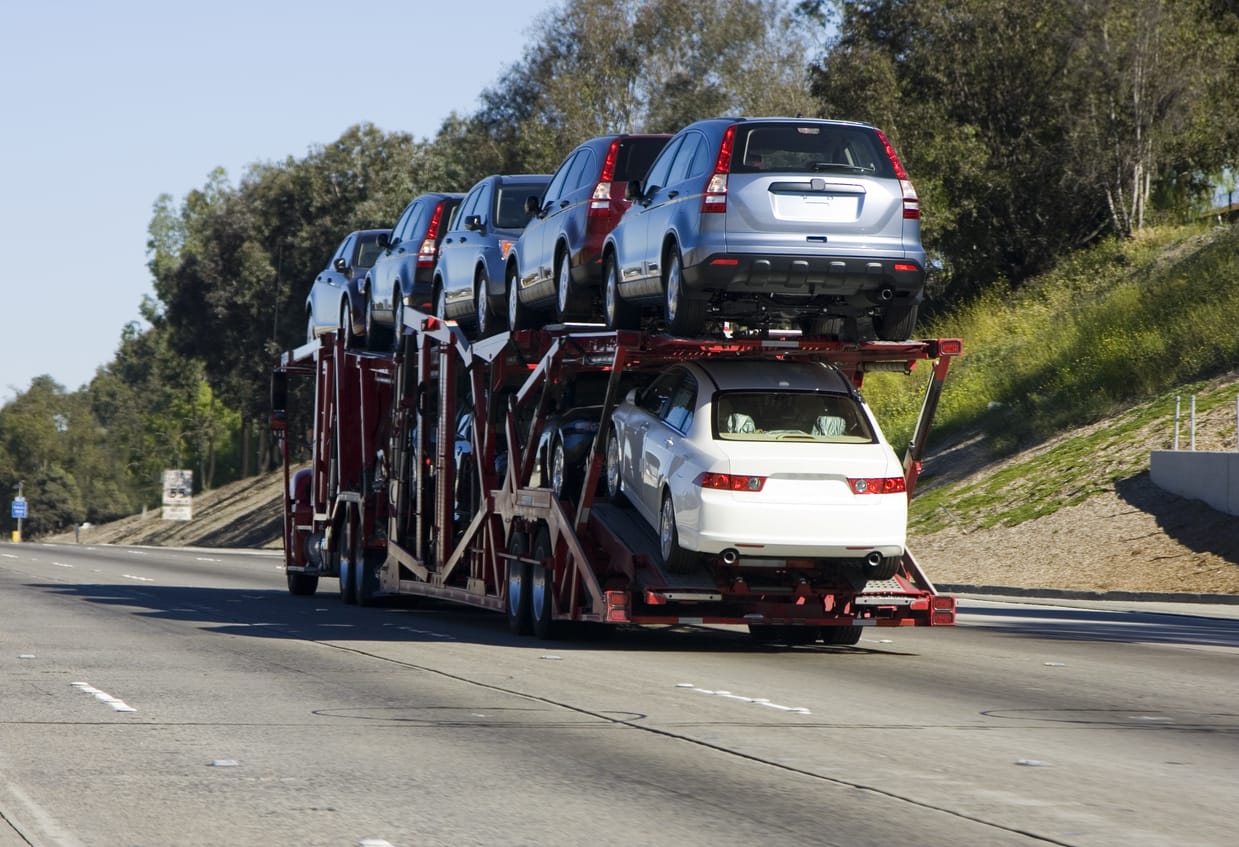
- Luxury and high-value vehicles: the drip-free, debris-reduced spot protects paint and finish.
- Classic and vintage cars: original finishes and hard-to-replace trim justify the small premium (though many classics ship enclosed instead).
- Fresh paint or ceramic coating: anything you would not want a stray drip on.
- A standard commuter car: honestly, you can skip it. Bottom load is how the majority of vehicles ship, safely, every day.
Availability and Cost
An upper deck has a limited number of spots and some fit only certain vehicle sizes, so top load is subject to availability: book early, especially in peak season, and expect taller vehicles like SUVs and trucks to be harder to place up top. On cost, treat top load as a placement upgrade priced as an add-on to your open-transport quote; the exact figure varies by route, vehicle size, and season, so ask for it as a line item when you book. Your total still scales with the usual factors: distance, vehicle size and weight, and time of year.
How to Request It
Tell your shipping coordinator you want top load when you get your quote, before dispatch. Provide the vehicle’s make, model, and year so they can confirm it fits an upper-deck spot, and get the placement noted in writing on your order. Everything else about the shipment runs normally: pickup inspection, transport, and a final inspection at delivery before you sign the bill of lading. Keep in mind that placement requests interact with scheduling; our guide to car shipping delivery dates explains how pickup and delivery windows work.
Frequently Asked Questions
Is top load safer than bottom load?
It carries a lower risk of cosmetic damage from fluid drips and road debris. Both placements are equally secured with straps and driven by the same carrier, so the difference is exposure, not handling.
Does top load protect against weather?
No. Top load is still open transport. For weather protection you want an enclosed carrier.
How much extra does top load cost?
It is typically priced as a modest add-on to the open-transport rate. Ask for the exact figure on your quote, since it varies by route and season.
Is top load the same as enclosed shipping?
No. Top load is a placement on an open carrier. Enclosed shipping is a separate service where the vehicle rides inside a fully covered trailer.

The Bottom Line
Top load is a small upgrade that buys the best spot on an open carrier: no vehicles overhead, less exposure to what the road throws up. Request it for vehicles whose finish matters; skip it for the family commuter. Ship A Car, Inc. arranges top-load placement on request, and if your vehicle deserves more than a good spot, we can quote enclosed transport side by side. Price your shipment with the auto transport calculator or call (866) 821-4555.