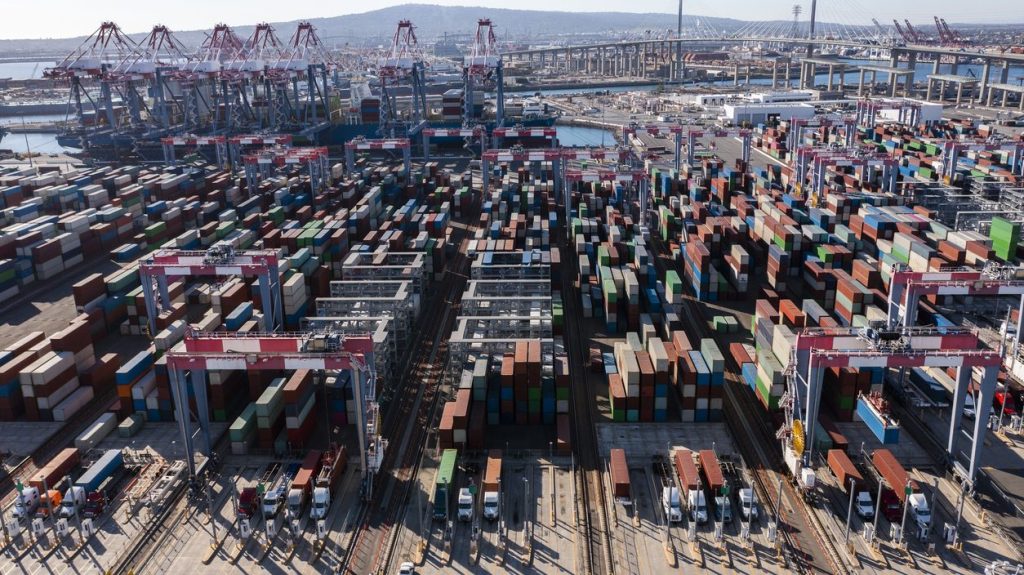
Can a Car Be Shipped in a Container?
Yes, and for an overseas move it is usually the better of the two options. A container encloses the vehicle completely, which removes the weather and handling exposure an open vessel deck carries. What it costs you is flexibility on size and, if you take a container to yourself, money.
Here is what fits, how the car is actually secured inside, and what delays sailings.

Container or Roll On Roll Off
Two ways a car crosses an ocean, priced and handled differently.
Roll on roll off means the car is driven onto a purpose built vessel and parked on a deck, like an enormous floating parking garage. Generally cheaper, higher volume, and the vehicle must be operable to be driven aboard. Nothing may be left inside it.
Container means the car is loaded into a steel box, secured, and the box is sealed. It costs more, it protects better, and it accepts a non running vehicle, because the car can be winched in rather than driven.
The honest rule: roll on roll off for an ordinary running car where cost leads, container for anything valuable, non running, or where you want the vehicle sealed away from handling.
What Fits, and Why Width Decides
The constraint is interior width, not length, and it catches people out.
A standard twenty foot container gives roughly 7 feet 8 inches of usable interior width and about 19 feet of length. A forty foot doubles the length at the same width. High cube versions add roughly a foot of interior height, which matters for tall SUVs and vans.
Most passenger cars, sedans and mid size SUVs fit a twenty foot container comfortably. What does not fit is anything wide: dual rear wheel pickups, some full size American SUVs with the mirrors extended, and modified vehicles. Measure the vehicle at its widest point with the mirrors folded rather than trusting a specification sheet.
Check height separately. A lifted truck or a van with a roof rack can exceed the door aperture even when the width is fine, because the door opening is smaller than the interior.
Sole Use or Shared
The decision that most affects the price.
Sole use gives you the whole container. Your car is the only thing inside and you control the loading. More expensive, lower risk.

Shared or consolidated puts two or more vehicles in a forty foot container, or your car alongside other cargo. Considerably cheaper per vehicle. The trade is that departure waits for the container to fill, and someone else’s cargo is secured next to your car. If you take it, ask specifically what else is going in and how the load is separated.
How the Car Is Actually Loaded and Secured
This is where a container’s advantage is either realized or thrown away, so it is worth understanding in detail.
The container is set at ground level or tilted, and the car goes in one of two ways. A running vehicle is driven in slowly, with inches of clearance either side and a spotter guiding. A non running vehicle is winched in on a cable, which is one of the container’s real advantages over roll on roll off.
Once positioned, the securing follows a sequence. Wheel chocks front and rear so the car cannot roll. Soft lashings from the container’s built in lashing points to the wheels or designated tie down points, never over bodywork and never through suspension components. The suspension is compressed slightly so the car cannot bounce on a moving ship, but not bottomed out.
Then the details that separate a careful load from a careless one. Parking brake set and the transmission in gear or park. Battery disconnected in most cases, which is a shipping line requirement rather than a preference. Fuel run down to roughly a quarter tank, because fuel is both weight and a hazard classification question. And protective material between any strap and a painted or chromed surface.
The container is then closed with a numbered seal, and that number appears on your paperwork. Note it. An intact seal at the far end is evidence nobody opened the box in transit.
Is the Car Secure in Transit?
The genuine answer is that the securing matters more than the container does.
A vessel rolls and pitches for days, so the forces on a car inside a container are sustained rather than momentary. A car properly chocked and lashed is fine. A car resting on its own weight with a token strap is not, and a vehicle shifting inside a steel box does worse damage than an open deck ever would have.
So ask about method rather than about the box: how many lashing points, straps rather than chains, and whether the loader has done cars specifically. A container packed by someone who normally loads pallets is the actual risk.

Preparation and Paperwork
Wash the car so existing marks show, then photograph every panel, both bumpers, the wheels, the roof and the odometer in daylight, with close detail on existing damage. Photograph the car inside the container before the doors close if you are present, and record the seal number.
Empty the interior completely. Personal items in a shipped vehicle are prohibited on most international routes rather than merely uninsured, and customs treats undeclared contents as your problem rather than the carrier’s.
On documentation you need the title, or a lienholder authorization letter if the vehicle is financed, current registration, photo identification and the bill of lading. The lienholder letter takes time to obtain and is a common cause of a missed sailing, so start it early. Export filing applies on international moves and the vehicle usually has to be at the port several days before departure, so ask for the exact cut off rather than assuming it is the sailing date.
The Land Legs
A container move has a truck at each end, priced like ordinary trucking.
The container travels on a chassis, and chassis availability is a real constraint that periodically dominates cost and timing regardless of trucking capacity. At the destination the box has to be lifted or tilted to unload, which needs equipment booked in advance, firm level ground and room to maneuver.
If the vehicle is only moving domestically, a container is usually the wrong tool and a car hauler is cheaper and faster. What sets that price is in our page on what determines the cost of shipping a car, and the domestic container economics in what drives the cost of moving a container.
Common Questions
Can a car be shipped in a container? Yes, and for overseas moves it protects better than roll on roll off. It also accepts a non running vehicle, which can be winched in.
What size container do I need? Interior width is the constraint, roughly 7 feet 8 inches. Most cars and mid size SUVs fit a twenty foot container; wide pickups and modified vehicles often do not.
Is sharing a container safe? It is cheaper, and departure waits for the container to fill. Ask what else is going in and how the load is separated.
How is the car held in place? Wheel chocks front and rear, soft lashings to the wheels from the container’s lashing points, suspension slightly compressed, brake set, battery usually disconnected.
Can I leave belongings inside? No. On most international routes personal items are prohibited, not merely uninsured.
Get a Quote
Call Ship A Car, Inc. at (866) 821-4555 with both locations, the vehicle’s width and height, and whether it runs, or request an estimate for the move through the quote calculator.