
Payment on Delivery in Vehicle Transport: How It Works
The standard structure: a deposit when your shipment is booked and a carrier is assigned, then the balance paid to the driver on delivery. The deposit secures the arrangement; the balance is what the carrier collects for having moved the vehicle. Understanding who is paid at which point explains most of what otherwise looks confusing about auto transport billing.
Who Is Actually Being Paid
Two parties are usually involved. The broker arranges the shipment, vets the carrier, and handles coordination. The carrier owns the truck and moves the vehicle. Your deposit generally covers the broker’s arrangement fee; the balance generally goes to the carrier at delivery.
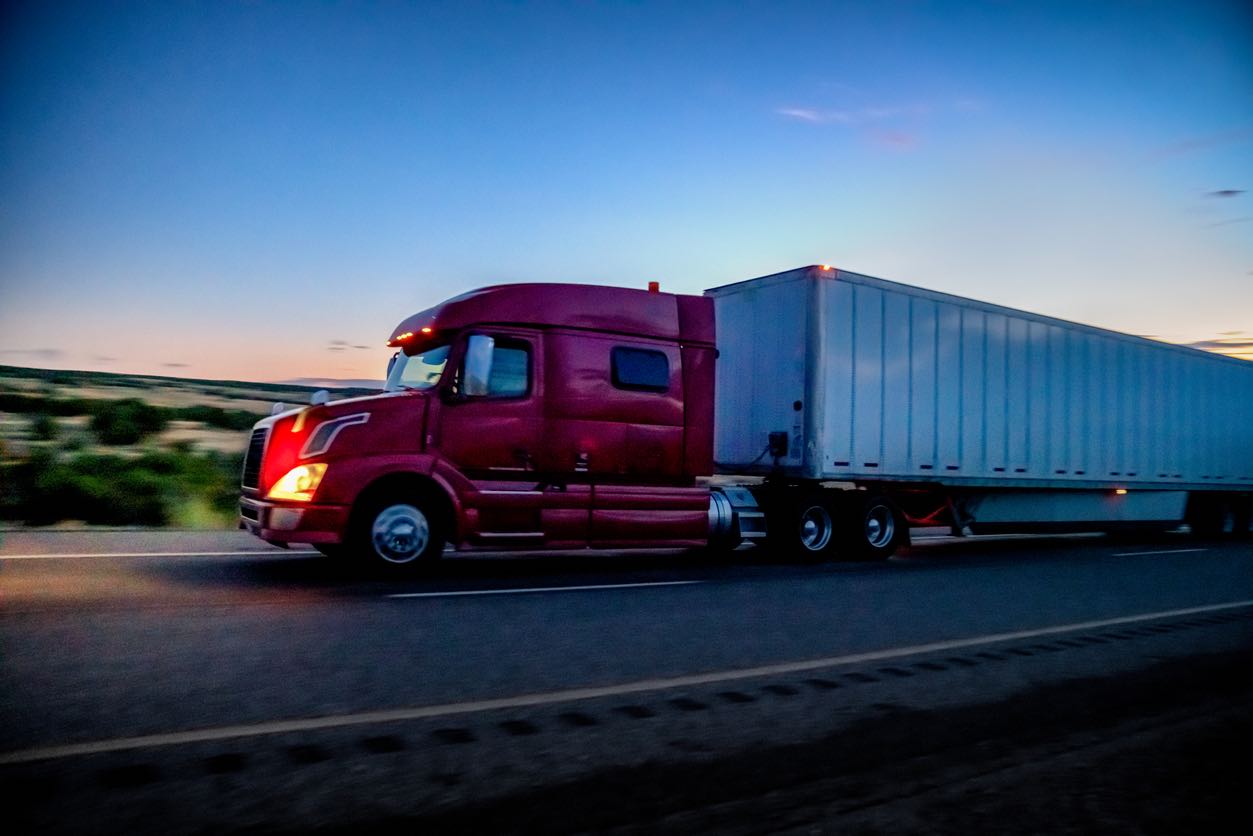
That split is why a driver may not accept a personal check, and why the balance amount is fixed at dispatch rather than negotiable at the curb.
When Payment Changes Hands
What to Confirm Before the Truck Arrives
Delivery-day friction is almost always a payment-method surprise. Ask at booking:
- Exactly what the balance will be. It should be a fixed figure stated at dispatch, not calculated on arrival.
- Which methods the assigned carrier accepts. Many take cash or a cashier check only. Some accept cards; do not assume.
- Whether a receipt is issued at delivery. It should be.
- Who can pay if you are not the person receiving the vehicle.
If the answer is cash and you are receiving a coast-to-coast shipment, that is a bank visit to plan rather than an errand to discover on the day.
Why Payment on Delivery Protects You
It aligns the incentives sensibly. The carrier is paid when the vehicle actually arrives, which is a stronger guarantee than any promise, and you retain the balance until you have had the chance to inspect the vehicle against the pickup condition report.
Use that leverage properly: inspect before you sign and before you hand over payment. Note any exception on the bill of lading while the driver is present. Once you have signed a clean bill of lading, you have acknowledged that the vehicle arrived undamaged, and a later claim becomes very difficult.
Payment Structures to Be Wary Of
- Full payment demanded before a carrier is assigned. You are paying for something not yet arranged.
- Wire transfer or irreversible payment apps requested for a deposit. Standard practice is a card.
- A balance that increases on delivery day. Unless you changed the vehicle or the address, the figure set at dispatch is the figure.
- No written confirmation of the deposit amount, balance, and accepted methods.
Common Questions
Can I pay the whole amount by card? Sometimes, if the carrier accepts cards for the balance. Ask at booking; it varies by carrier rather than by broker.
What if I am not there for delivery? Name someone on the order who can inspect, sign, and pay. Arrange the payment method with them in advance.
Is the deposit refundable? Depends on the company’s terms and on timing. Get the cancellation policy in writing before you pay, particularly what applies if no carrier accepts the load within your window.
Does paying more get the car picked up faster? A rate at or above the going market for the lane materially improves the odds, because carriers select loads by rate against route. It does not guarantee a specific date.
Should I tip the driver? Not expected. Drivers appreciate it and it is entirely optional.
Deposits: What Is Reasonable
Deposit practice varies but the pattern is consistent. A deposit is usually a modest percentage of the total, taken when a carrier is assigned rather than when you first enquire. Some companies take nothing until dispatch, which is the most customer-friendly structure and worth asking about.
What you want in writing is three things: the deposit amount, what it applies against, and the cancellation terms including what happens if the company fails to assign a carrier inside your window. That last point is the one that protects you, and it is the one most often left vague.
Business and Fleet Billing
Commercial shipments frequently do not fit the deposit-plus-balance structure. Dealer groups, relocation departments, and fleet operators commonly need invoicing on account, consolidated billing across multiple vehicles, and paperwork that matches an internal purchase order.
All of that is arrangeable, but it must be set up at booking rather than reconstructed afterward. Tell the coordinator you need company invoicing and provide the billing contact and any PO reference up front.
Disputes and How to Avoid Them
Nearly every payment dispute in auto transport traces back to one of three things: the vehicle was described inaccurately at quote stage, the accepted payment method was never confirmed, or the customer signed a clean bill of lading and raised a condition issue afterward.
All three are avoidable in a few minutes. Describe the vehicle honestly including modifications and whether it runs. Confirm in writing what the driver will accept. And inspect the vehicle carefully before signing anything, noting exceptions on the bill of lading while the driver is still present.
Get a Quote
Call Ship A Car, Inc. at (866) 821-4555 and the coordinator will confirm the deposit, the balance, and the accepted payment methods in writing. Or start with the instant calculator.