Do You Need Insurance to Ship a Car? And Is It Safe?
Yes. Millions of vehicles move by carrier every year in the United States and the overwhelming majority arrive exactly as they left. Auto transport is a regulated industry, carriers are federally registered and required to carry cargo insurance, and the physical trip is the least risky part of the process. Where people actually get hurt is at the two ends: choosing a company that cannot deliver what it quoted, and failing to document the vehicle’s condition. Both are entirely within your control, and this is how to handle them.
Do you need insurance to ship a car? No, not a separate policy. The carrier’s cargo insurance covers your vehicle while it is on the truck and your own auto policy stays in force throughout, so the only insurance job on your side is to confirm the assigned carrier’s coverage before pickup and photograph the car when it loads. What that cargo cover does and does not pay for is below.
What Actually Protects You
Three things do the work, and none of them are marketing claims you have to take on trust. You can verify all of them before you pay anything.
Federal registration. Any company moving vehicles across state lines must be registered with the Federal Motor Carrier Safety Administration and carry a USDOT number. Brokers hold a motor carrier number as well and are required to maintain a surety bond. Ask for the number and look it up yourself on the FMCSA SAFER system, where you can see the company’s operating authority, insurance on file and safety record.
Cargo insurance. The carrier that physically hauls your car must carry cargo coverage. Ask to see the certificate, and check the per vehicle limit rather than the headline figure, because a policy covering a full load of nine cars is not the same as the amount available for yours.
The condition report. Also called the bill of lading, this is the document that records what the vehicle looked like at pickup. It is signed by you and the driver at both ends, and it is the evidence any claim rests on. This is the single most valuable protection you have and it costs nothing.
What Insurance Does and Does Not Cover
Worth understanding before you need it rather than after, because the gaps surprise people.
One more point people miss: with a broker, the surety bond covers financial failure, not damage to your vehicle. The policy that matters is the assigned carrier’s, so ask which carrier was assigned and what their coverage is. Our guide to carriers and brokers explains the distinction.
The Real Risk Is the Booking, Not the Road
This is the part that produces almost every bad story you will read, and it has nothing to do with driving.
Most consumer auto transport is arranged by brokers who post your vehicle to a national load board where carriers choose what to haul. A quote is a prediction of what a carrier will accept. If a company quotes far below the market to win your booking, no carrier takes the load, and your car sits unassigned while your dates pass. A week before you move you are told the price has to rise to get a truck, and by then you have no time to shop.
Nothing was stolen and nothing was damaged. You simply lost a week and paid more than an honest quote would have cost. That is the common failure mode, and the defense is to judge quotes on plausibility rather than picking the lowest number.

Red Flags Worth Walking Away From
- A large deposit demanded up front. Normal practice is a modest deposit, or nothing at all until a carrier is actually assigned.
- No USDOT or motor carrier number offered. A legitimate company gives it without hesitation. If you have to prise it out of them, stop.
- A quote far below every other quote. The market is competitive and margins are thin. A number well under the others is not a bargain, it is a load that will not move.
- No written contract or terms. You should receive the cancellation policy, the payment terms and what happens if pickup slips, in writing.
- Pressure to book immediately. Genuine capacity does not evaporate in an hour.
- Only cash or wire accepted. Reputable companies take traceable payment.
How Damage Actually Happens When It Happens
Rarely, and usually not on the highway. Loading and unloading is where most incidents occur, because that is when the vehicle is being maneuvered on ramps in a confined space. Securement is the other one, which is why straps at manufacturer designated points matter, particularly on a lowered car or one with an unusual suspension.
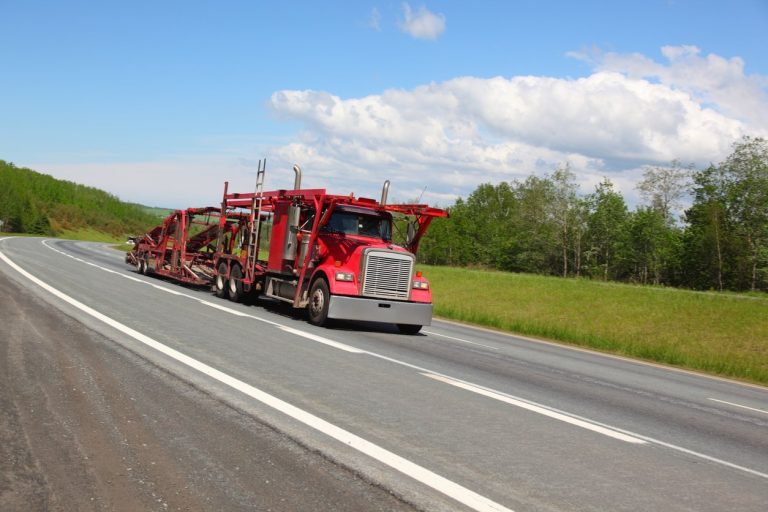
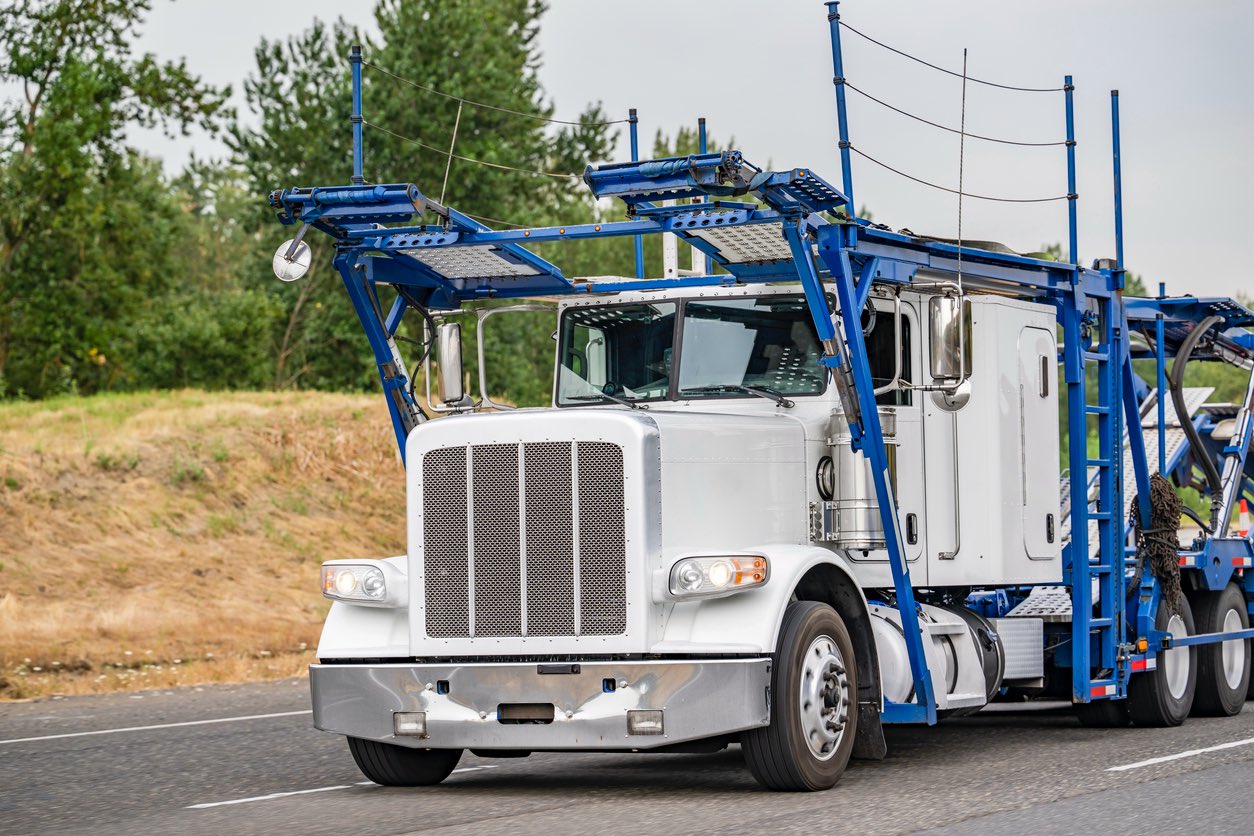
On open transport the car is outdoors, so it arrives dirty and can occasionally pick up a stone chip. That is the honest trade for open being the standard, and it is the same service that delivers new cars to dealerships. Enclosed transport removes that exposure and costs about a third more, which is worth it for fresh paint or a collectible and unnecessary for an ordinary vehicle.
What You Should Do at Each End
Ten minutes of care at pickup is worth more than any policy document.
Wash the car so existing marks are visible, then photograph every panel in daylight including the roof, wheels and odometer. Empty the vehicle completely, since personal items are not covered and add weight. Walk the car with the driver, make sure existing damage is written on the condition report, and keep your copy.
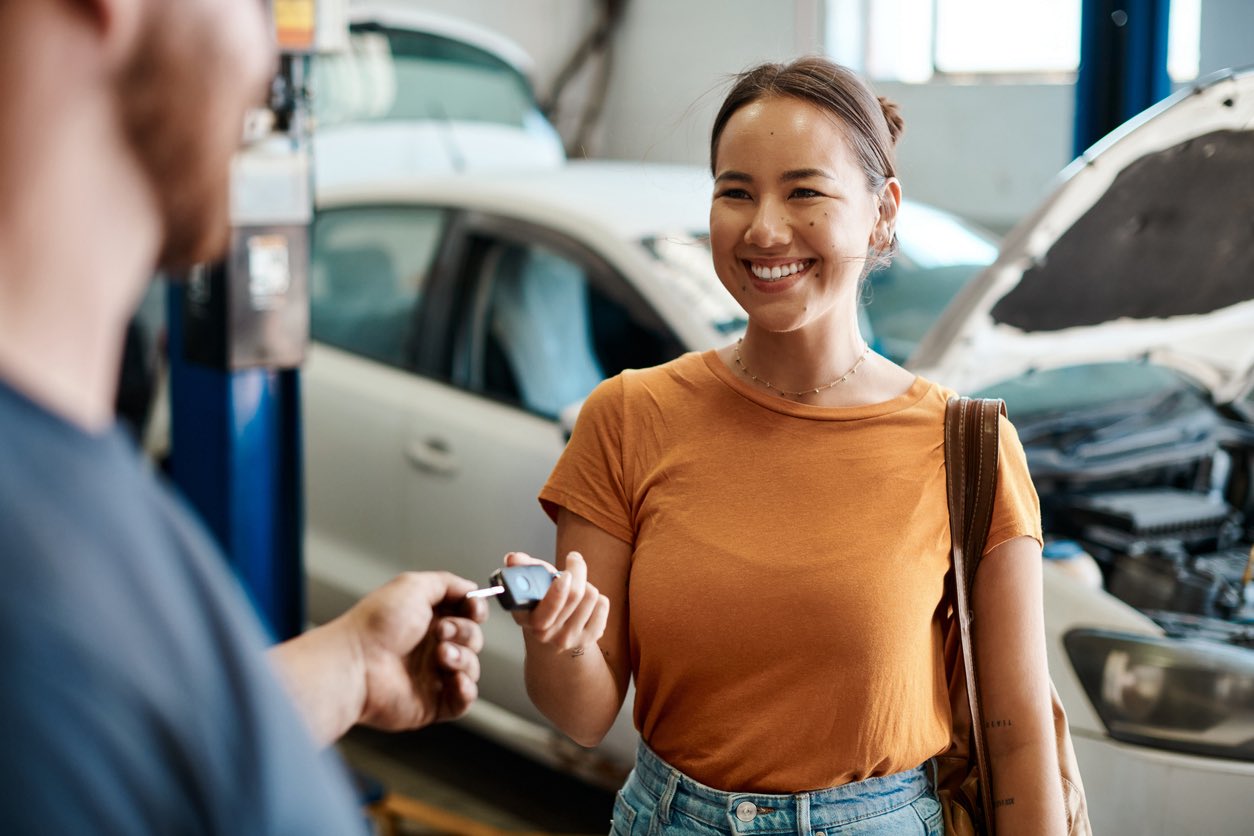
At delivery, inspect before you sign, not after. Compare the car against your photographs and the pickup report, check the roof and lower panels where damage hides, and start the engine. If something is wrong, note it on the bill of lading while the driver is still present. Signing a clean report is a formal statement that the vehicle arrived undamaged, and it is very difficult to revisit afterwards.
If you will not be there, arrange for someone who will. A friend, relative or neighbor can act provided the carrier knows in advance who it will be, and send them your pickup photographs so they have something to compare against.
Common Questions
Is car shipping actually safe? Yes. It is regulated, insured and routine, and the great majority of shipments arrive without incident. The risks worth managing are choosing the company and documenting condition.
How do I check a company is legitimate? Ask for the USDOT number and look it up on the FMCSA SAFER system, then ask to see the cargo insurance certificate.
Is my car insured during transport? The carrier’s cargo policy covers transit damage. Personal items are not covered, and weather damage is often excluded. Ask for the specific limits.
Should I use my own insurance too? Tell your insurer the car is being transported and ask what your policy does during transit. It costs nothing to know.
Is open transport risky? No. It is the industry standard and how new cars reach dealerships. The car is outdoors, which is cosmetic rather than dangerous.
What if my car is damaged? Note it on the bill of lading before signing, photograph it immediately, and file the claim through the transport company with your pickup photographs attached.
Get a Quote
Call Ship A Car, Inc. at (866) 821-4555 and ask us anything on this page, or price your move with the instant calculator.