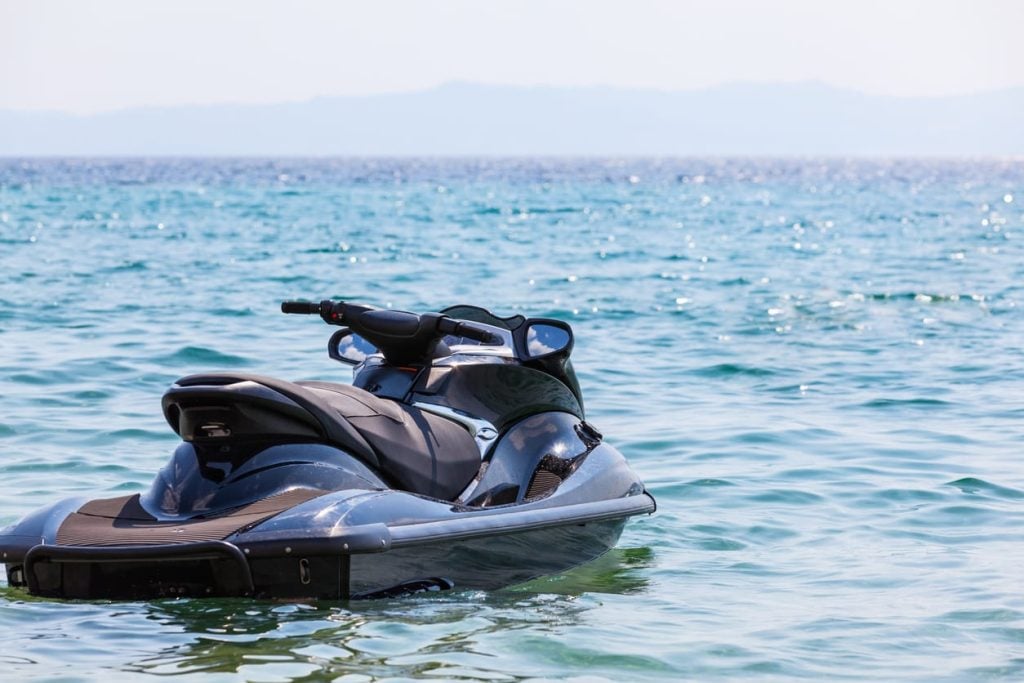
Jet Ski Shipping: How to Ship a Jet Ski or WaveRunner
Jet ski shipping is simple and unforgiving at the same time: a personal watercraft is one of the easiest tows in the country and one of the easiest things to damage in transit, and both facts come from the same place: it was built to sit in water, not to bounce down an interstate.
Here is how they actually move, what the trailer decides, and the preparation that prevents the two problems that actually happen: water damage from the inside, and hull damage from a bad strap.
The Trailer Decides the Method
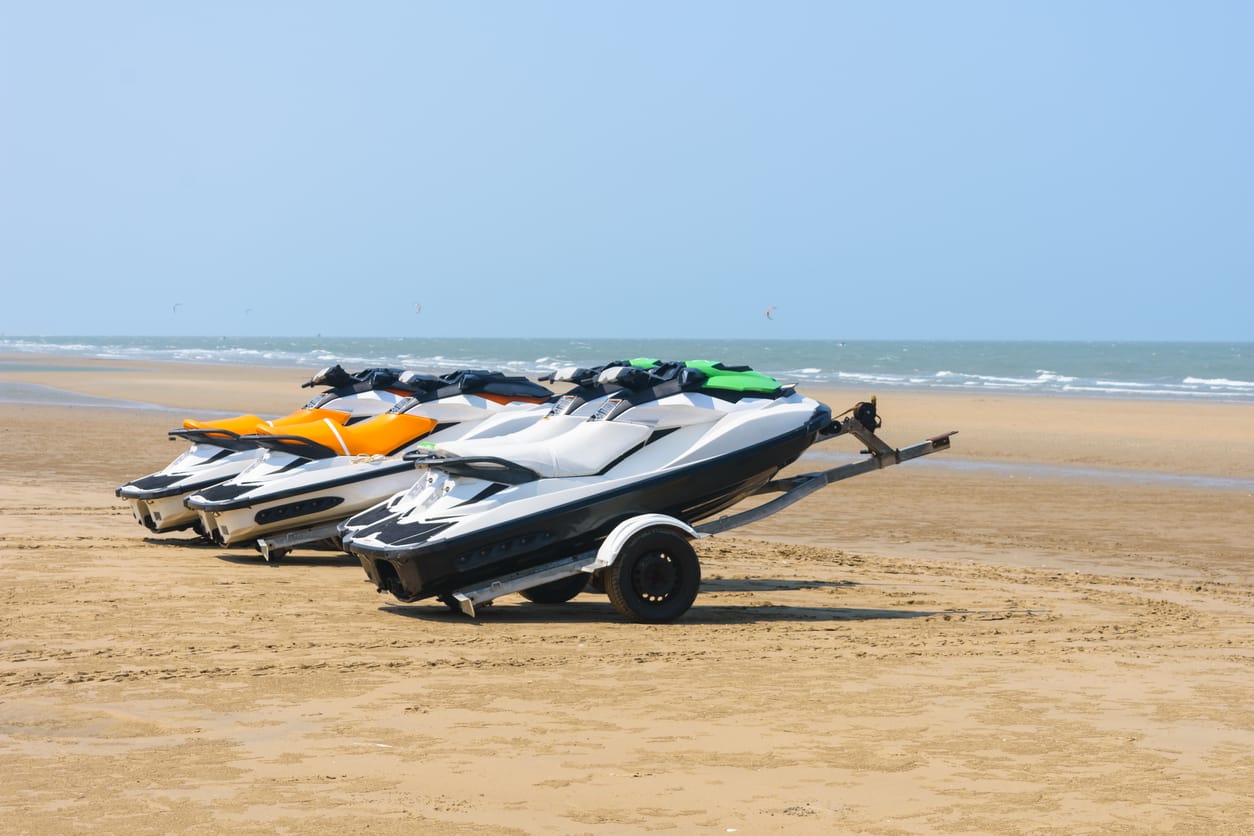
Nearly every jet ski move comes down to one question: does it sit on a roadworthy trailer?
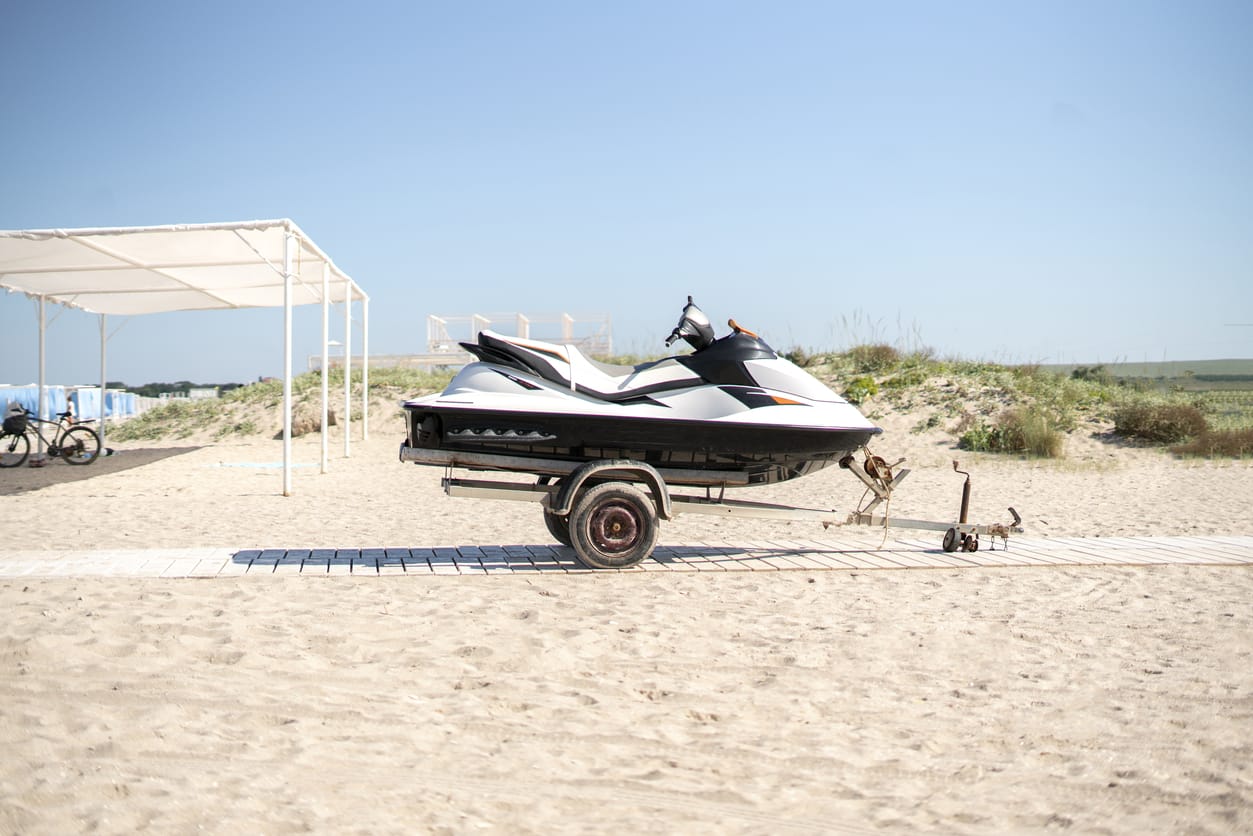
On its own trailer is the cheapest and most common way. The carrier tows it, and you are paying for a tow rather than for deck space. The trailer has to be genuinely roadworthy: registered where your state requires it, tires with real tread holding pressure, working lights, and bearings that have been serviced sometime this decade. Carriers refuse unsafe trailers, and a seized bearing at highway speed is why.
On a carrier’s equipment if there is no trailer: the craft is loaded onto a flatbed or into an enclosed trailer on a cradle or stand. This costs more, needs lifting at both ends, and is how craft without trailers and higher-value machines usually travel.
Crated for long distance or overseas moves, which adds protection and cost, and is rarely necessary domestically.
Unlike boats, width is almost never the problem. A PWC on a trailer sits well inside legal road width, so there are no permits, no escorts and no oversize surcharges. That is why shipping a jet ski costs a fraction of shipping even a small boat.
Water Is the Enemy, and It Is Already Inside
The most common transit damage to a PWC has nothing to do with the road. It is water left in the machine.
Drain everything. Pull the drain plugs and let the hull drain completely, then leave the plugs OUT for transport and put them somewhere you will find them, ideally taped to the seat with a note. A hull that takes on rain through the intake with the plugs in carries that water for a thousand miles.
Clear the intake and pump of debris, and if the move happens in or through freezing temperatures, the cooling system needs to be blown out or treated exactly as you would for winterizing. Ice inside a pump housing cracks it.
Run the fuel low, a quarter tank or less. Vented tanks tilted for days find a way out.
Disconnect the battery and make sure it is secured in its tray.
Securing: Bow Eye and Stern, Never the Handlebars
Worth knowing what correct looks like so you can recognize it at pickup.
The craft is held to its trailer at the bow eye, the metal fitting at the nose, with a strap or the winch line, and at the stern with straps over or through the designated points. The hull sits on the trailer bunks, which carry the weight.
What should never carry load: the handlebars, the mirrors, the seat strap, or anything plastic. A ratchet strap cranked over the seat or bars will crease the hull or snap a fitting long before the road gets a chance to.
Remove or secure everything loose: the cover if it cannot be strapped drum-tight (a flapping cover sandblasts the finish), mirrors if they fold, registration flags, and anything in the storage compartments, which are not insured and will be opened by nobody until you find your own sunglasses in Nevada.
Photograph It Like You Mean It
Wash the craft, then photograph it in daylight: both sides of the hull, the bow, the stern, the top deck, the seat, and the hour meter if it has one. Shoot close detail on every existing scratch and gelcoat chip, and photograph the trailer too, including the tires and the coupler.
The driver completes a condition report at pickup. Read it, disagree at the time if it misses something, and keep your copy. At delivery, inspect before signing, in daylight if you can. Gelcoat scratches are exactly the kind of damage that gets disputed, and your photographs are the whole case.
What It Costs, and What Moves the Number
The variables are the same as any transport, weighted differently.
Distance and route lead. Whether it is on its own trailer is the biggest single price factor after that, since a tow is cheaper than deck space plus lifting. Season matters more than people expect: demand peaks in early summer and again in fall as craft migrate to and from winter storage, and lake and coastal corridors firm up accordingly.
Two or three craft together ship meaningfully cheaper per unit than one, which matters because jet skis travel in pairs more than any other vehicle. If you are moving two, say so at booking, and if the pair sits on one double trailer, the whole thing moves as a single tow.
Access at both ends works like every other move: a 75 foot combination cannot use a narrow lake road, and meeting at a boat ramp or a large lot nearby is standard practice that costs nothing.

Paperwork Is Lighter Than a Boat’s
Most states title or register PWCs like boats, so have the registration or title available, and a bill of sale if it just changed hands. The carrier needs the hull identification number, a description, and clear authorization from whoever releases it, particularly at a marina or dealer with its own release process.
If the craft is going to or from a marina, confirm their requirements and hours before the truck is dispatched. A gate that will not open is the most common cause of a wasted trip on any waterfront pickup.
For anything bigger than a PWC, the rules change with the beam, and that is covered in our page on how to transport a boat. What sets transport pricing generally is in what determines the cost of shipping a car.
Common Questions
What is the cheapest way to ship a jet ski? On its own roadworthy trailer, as a tow. No permits or escorts apply, because a PWC sits well inside legal road width.
Do I drain it first? Completely, and leave the drain plugs out for transport. Water carried inside the hull is the most common transit damage.
How should it be strapped? At the bow eye and stern points, with the hull on the bunks. Never load the handlebars, seat or anything plastic.
Can I ship two together? Yes, and it is meaningfully cheaper per craft. A pair on one double trailer moves as a single tow.
What about winter? If the route crosses freezing temperatures, winterize the cooling system first. Ice inside the pump cracks housings.
Get a Quote
Call Ship A Car, Inc. at (866) 821-4555 with both zip codes, your date range and whether the craft has a roadworthy trailer, or request an estimate for the move through the quote calculator.