Does the Carrier Need My Keys to Ship My Vehicle?
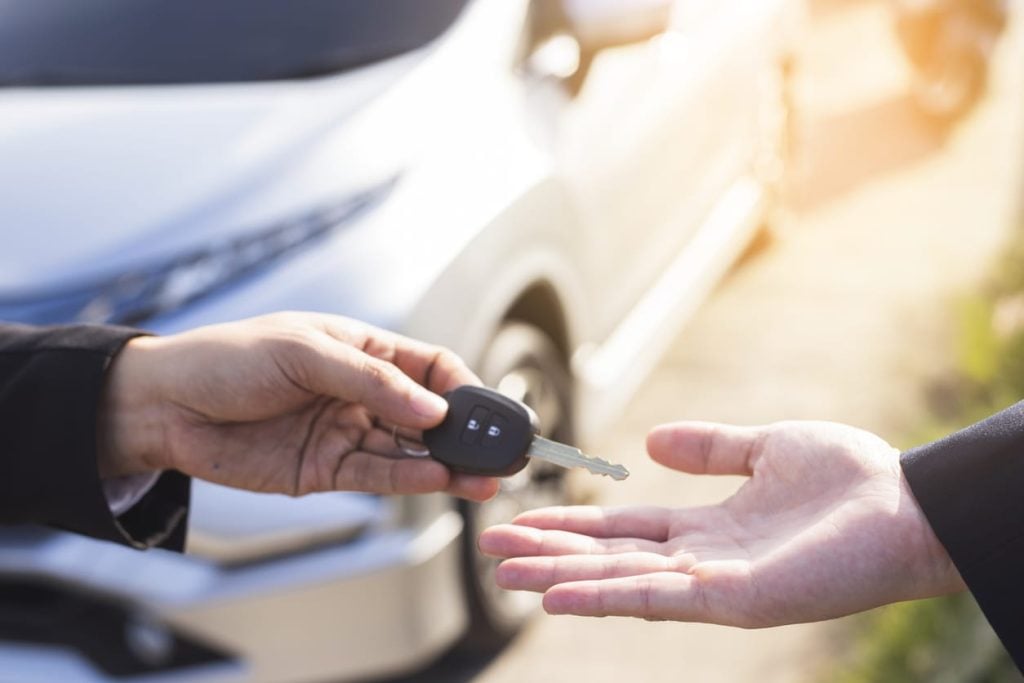
Yes. The driver needs one working key to your car when shipping it, and you should keep any spare sets with you. The key stays with the carrier for the duration of the trip because your vehicle has to be driven on and off the trailer and repositioned between stops. If your vehicle is inoperable or the keys are missing entirely, it can usually still be shipped, since carriers can load it with a winch; just tell your transport company in advance so the right equipment is on the truck.
Here is exactly why a key is necessary:
- Loading and unloading: your vehicle must be moved on and off the transport carrier at pickup, at delivery, and sometimes between them. That requires the steering, brakes, and transmission, which means a key.
- Safety and security: once loaded, cars are strapped down to the carrier. The driver keeps the key so every vehicle on the load can be repositioned and properly secured at each stage of the trip.
- Emergencies: in the unlikely event of a breakdown or accident, the carrier needs to be able to move your vehicle promptly.

Worried Your Keys May Get Lost?
A reasonable concern, and an easy one to manage:
- Hand over a spare, not your primary set: have a duplicate key made for the shipping process and keep your main keys, fobs, and house keys with you. This is the single best practice.
- Tag the key: a brightly colored tag or lanyard with your name keeps it visible and impossible to mix up with other keys on the load.
- Say it out loud: tell your coordinator any concerns before pickup. A reputable company will walk you through exactly who holds the key and when.
- Consider a tracker: a small key-tracking tile on the ring adds an extra layer of reassurance during transport.
Preparing Your Vehicle for Pickup
With the key question settled, run through this short list before the truck arrives (the full version is in our shipping checklist):
- Remove personal items: belongings add weight and are generally not covered by the carrier’s insurance.
- Wash the car: a clean exterior makes the pickup inspection accurate.
- Document the condition: photograph all four sides, close and wide, before pickup.
- Check fluids and tire pressure: the car needs to roll, steer, and brake for loading.
- Disable alarms and antitheft devices: an alarm that triggers mid-route is a problem the driver cannot always solve.

Frequently Asked Questions
Can a car be shipped without any keys?
Usually yes. Carriers can winch a keyless or inoperable vehicle onto the trailer, but this requires the right equipment, so disclose it when you book. Expect a modest surcharge for inoperable loading.
Should I mail the keys separately instead of giving them to the driver?
No. Mailing keys risks the key and the schedule arriving out of sync. The industry-standard practice is to hand one working key to the driver at pickup and receive it back at delivery.
Does the driver keep my keys for the whole trip?
Yes. The key travels with the carrier so the vehicle can be moved and re-secured at every stop, then it is returned to you at delivery along with the final inspection.
Do I need to give them my key fob too?
If the car will not start or shift without it, yes, provide a working fob. Keep your spare fob with you.

Ship With a Team That Treats Your Keys Like Their Own
Handing over a key is an act of trust, and it is one Ship A Car, Inc. takes seriously on every load. If you are still planning the move itself, note that pickup and delivery run on windows rather than fixed dates; our guide to car shipping delivery dates explains how to plan around them. For a free, no-obligation quote, call (866) 821-4555 or use the auto transport calculator.