Car Damage During Shipping: Your Rights and the Claims Process
Car damage during shipping is rare, and when it happens your leverage is in the first ten minutes. If your car arrives damaged, do these three things before the truck leaves: note every issue on the bill of lading before signing, photograph the damage with the driver present, and do not let anyone talk you into “sorting it out later” off the record. Transit damage is rare, and it is covered by the carrier’s cargo insurance, but your leverage lives in those first ten minutes at delivery. Here is the full sequence of your rights and options, from the delivery inspection through claim, settlement, and (rarely) legal action.
1. Document the Damage
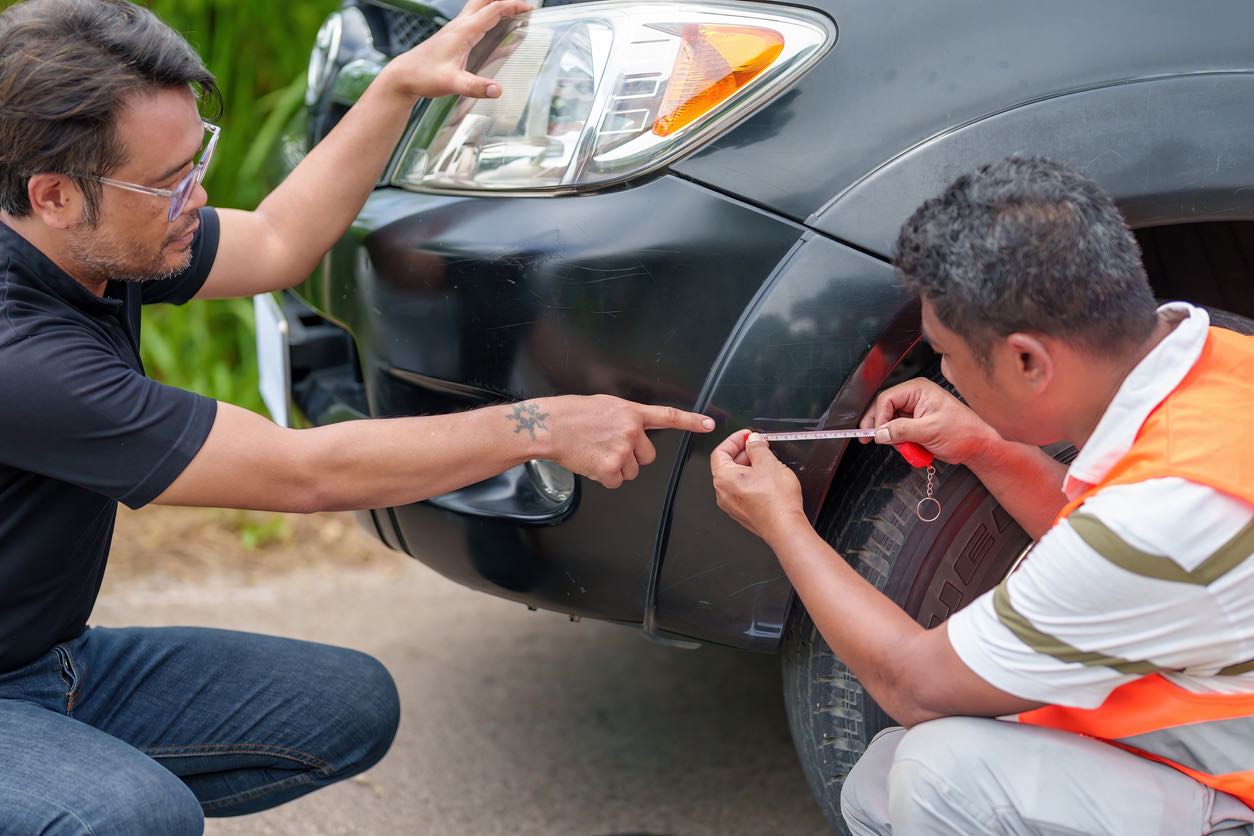
Inspect the car thoroughly the moment it arrives, before final payment and before the driver leaves. Walk every panel, check the roof and lower sills, and photograph and video anything you find from multiple angles with the driver present. Note every issue on the bill of lading itself, no matter how minor; an unnoted “small” scratch is a scratch that officially did not happen in transit.
You will compare this against the pickup bill of lading completed before shipping. The BOL matters because:
- A bill of lading acts like a legally binding contract that outlines the shipment’s terms and conditions, thus protecting your rights and setting expectations for both parties involved.
- It provides proof of the car’s condition before shipment, making it easier to identify any damages that occur during transit.
- A BOL may not provide insurance coverage for your car, but it can serve as a shipment record.
- With a properly documented shipment, holding the carrier accountable for transit damage becomes straightforward instead of contested.
- A formal record at both ends is what turns a damage claim from an argument into paperwork.
2. Review Your Shipping Contract
Before proceeding with a claim, review the transport agreement you signed. Pay close attention to the liability and damage clauses, the claim deadline, and the claims procedure. Companies differ on compensation terms, which is exactly why reading these clauses belongs at booking time, not discovery time; either way, knowing the terms tells you what you are owed and on what schedule.

3. Contact the Shipping Company
Report the damage promptly with a detailed description and your evidence. If you booked through a broker, your coordinator walks you through the process and connects you with the carrier’s claims contact; reputable companies have a defined claims path and use it routinely.
4. File a Claim
Follow the specific claims procedure: typically a formal written claim with your photographs, both bills of lading, and repair documentation attached. Under 49 CFR Part 370 a claim must be in writing, identify the vehicle, assert the carrier’s liability and state a specific amount, and the carrier must acknowledge it within 30 days and pay, decline or make a settlement offer within 120 days. Watch the deadlines in your contract closely, because missing a filing window can jeopardize an otherwise clean claim.

5. Obtain Repair Estimates
Support the claim with repair estimates from reputable shops or dealerships; two or three independent estimates carry more weight than one. Keep copies of every quote and invoice as part of your claim documentation.
6. Insurance Coverage
The carrier’s cargo insurance is the primary coverage for transit damage. Your own auto policy may also apply depending on its terms, so report the damage to your insurer and ask; in some cases your insurer pays and recovers from the carrier’s insurer directly, which can be faster for you.
7. Wait for the Investigation
Once you’ve filed, the carrier or its insurer investigates to determine liability. They may request additional documentation or an independent assessment. Investigations take time; your dated photos and noted BOL are what keep the process moving in your favor.

8. Negotiate a Settlement
The claim ends in acceptance or denial, and acceptance comes with a settlement offer. Review it against your repair estimates before agreeing, and negotiate if it falls short of the true repair or replacement cost; a documented counter with estimates attached is usually all that is needed.
9. Legal Action
If the carrier or its insurer denies a documented claim unjustly or offers an unreasonable settlement, legal action is the backstop. Consult an attorney experienced in transportation law; for smaller amounts, small claims court is often the practical venue, and your BOL-plus-photos record is exactly the evidence that wins there.
10. Prevention for Future Shipments
The best claim is the one you never file. Choose a company whose credentials you can verify (FMCSA registration; Ship A Car, Inc. is USDOT 2303542, MC 784930), whose carrier insurance is confirmed before dispatch, and whose reviews show how it behaves when something goes wrong. Then document the car at pickup like it matters, because it does.

Conclusion
Transit damage is rare, and when it happens the system works if your paperwork does: inspect before signing, note everything on the bill of lading, file within the deadlines, and negotiate from documented estimates.
Ship A Car, Inc. verifies every carrier’s cargo insurance before dispatch and assists customers through the claims process when it is ever needed. To ship with a company that treats the inspection as seriously as you do, call (866) 821-4555 or request an estimate for your move through the quote calculator.