How to Ship Large Items
Once an item is too big for a parcel carrier, the question is no longer how to box it but which of four transport modes it belongs in, and the answer turns on dimensions and weight rather than on what the thing is. A 400 pound machine, a hot tub and a marble table top are the same problem to a carrier: something that has to be palletized or crated, lifted at both ends, and secured for a journey it cannot brace itself against.
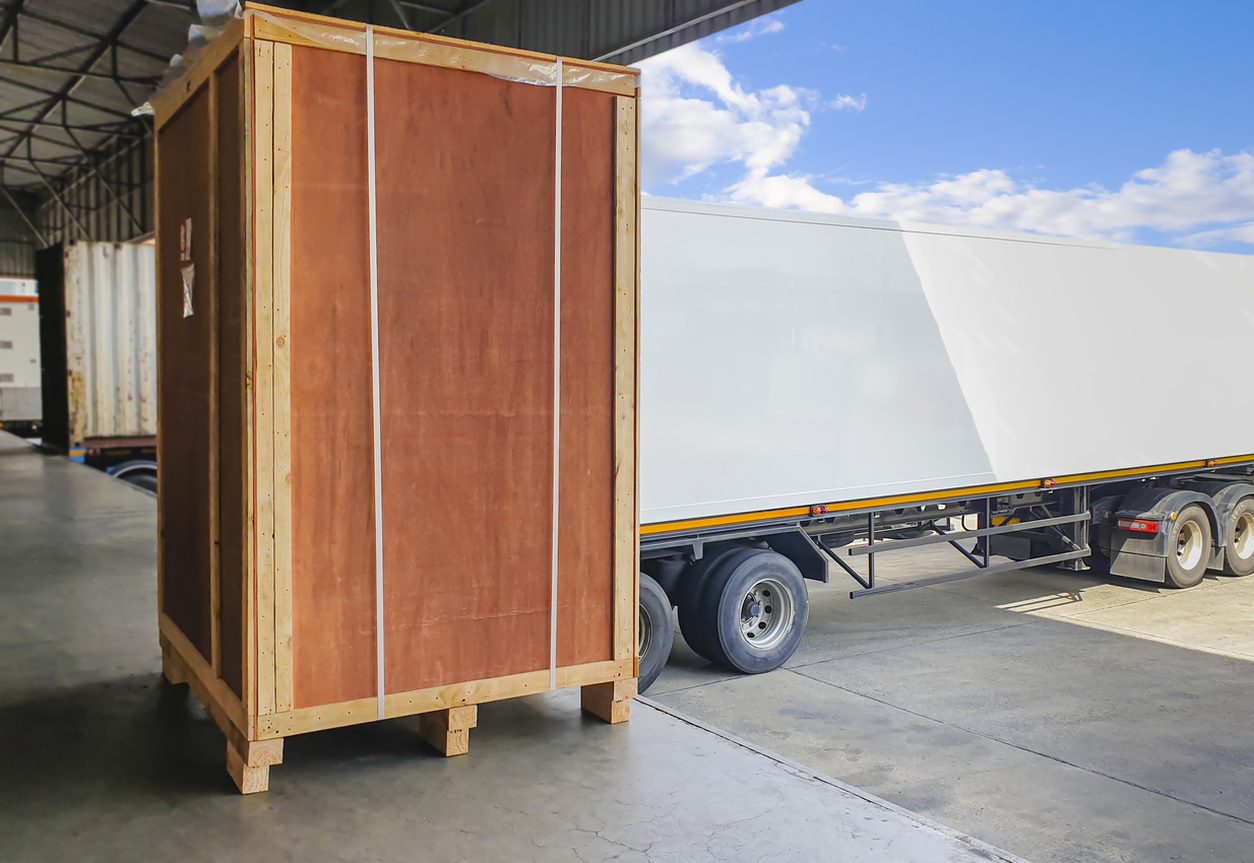
Which Mode It Belongs In
Four tiers, and each has a range where it is clearly right.
Parcel handles single items under about 150 pounds within normal dimensional limits, though oversize surcharges start biting well before that ceiling.
Less than truckload, or LTL, covers palletized freight from roughly 150 to 15,000 pounds, sharing a trailer with other shippers’ goods and moving through terminals along the way.
Full truckload makes sense above roughly 15,000 pounds, when the item fills a trailer, or when it is fragile enough to be worth traveling alone with no terminal handling.
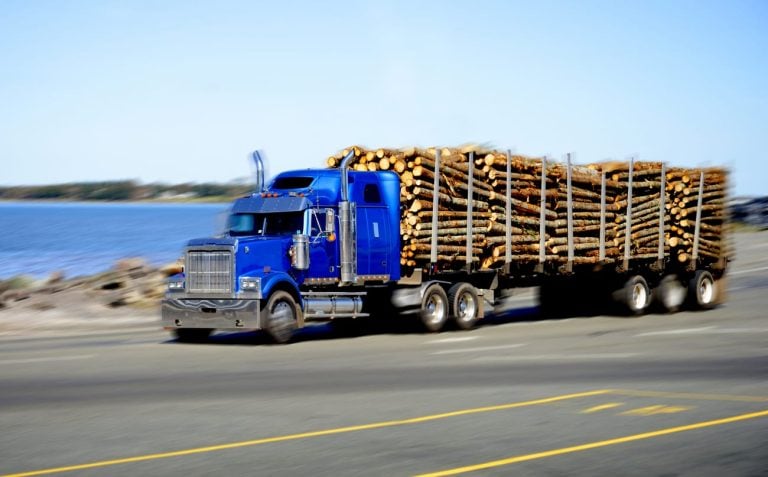
Flatbed or specialized transport is for anything that cannot go inside a trailer at all: too tall, too wide, or needing crane loading. Past 8 feet 6 inches wide or 13 feet 6 inches high measured from the road, it becomes a permitted load.
Measure It Properly
Measure the item as it will actually ship, crated and on its pallet, at its widest, tallest and longest points.
Include everything that protrudes. Handles, feet, brackets and overhang all count, and an item that measures 47 inches on the specification sheet but 52 inches crated is quoted on the 52. Weigh it crated too, since the pallet and the crate add real weight.
Then work out the density, because LTL is priced on it: length times width times height in inches, divided by 1,728, then the weight divided by that. Our guide to freight class explains what the resulting number does to your rate.
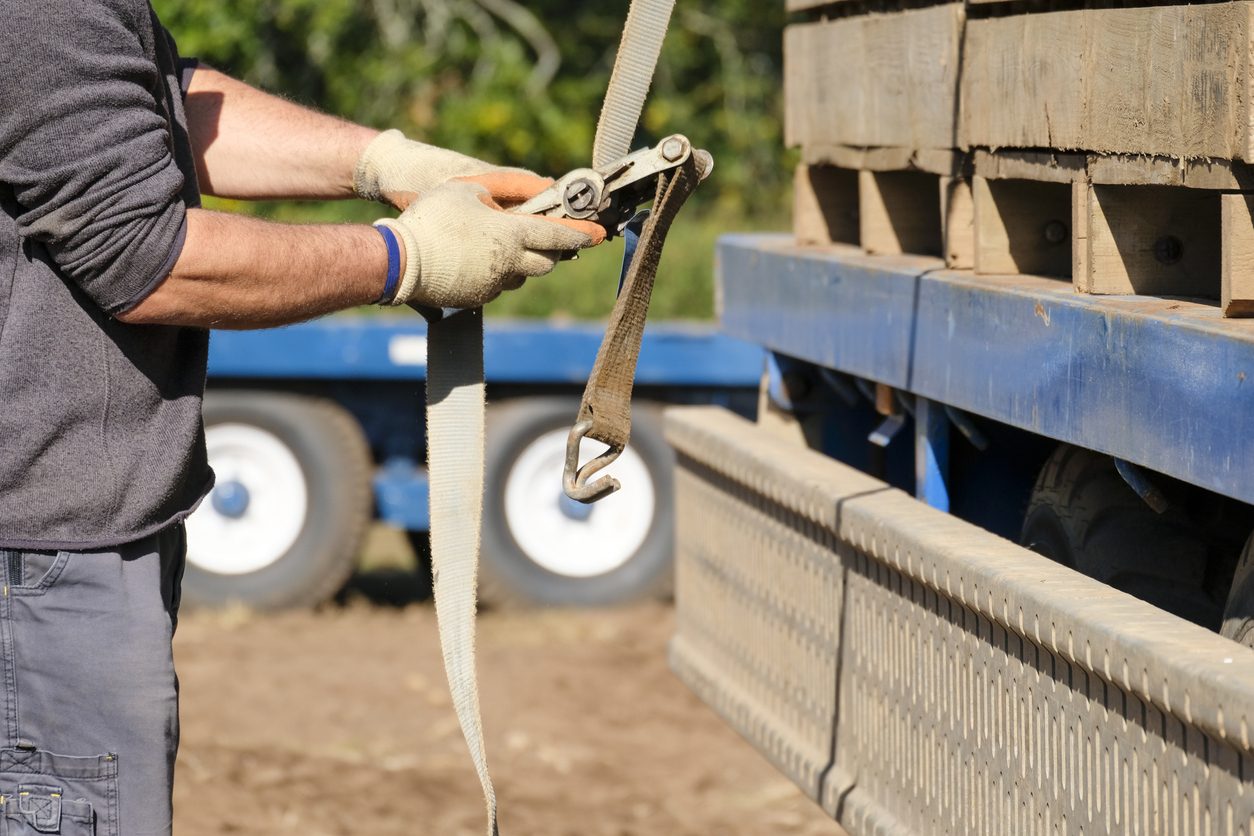
Crate It or Palletize It
An item on a pallet survives handling. An item loose does not.
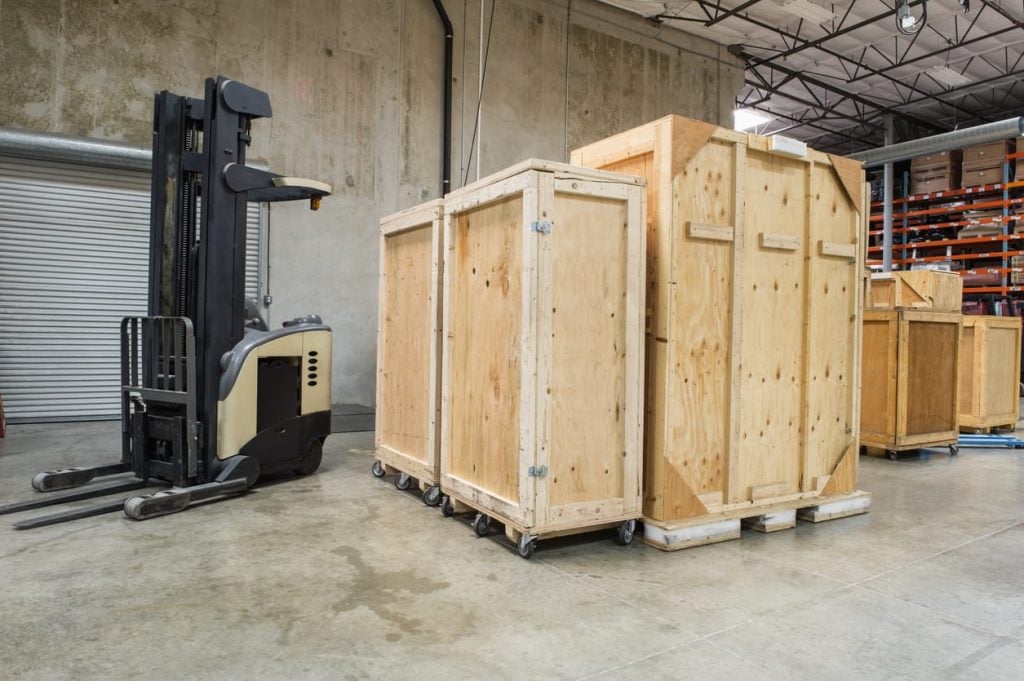
For most large freight, bolt or band the item to a pallet rated well above its weight, keep everything within the pallet footprint, and stretch wrap thoroughly. Overhang is what forklifts catch and what neighboring freight crushes.
Build a full crate when the item is fragile, has an exposed finish, or is valuable enough that a claim would hurt. A crate also gives the carrier something square to handle, which on an awkwardly shaped item is worth the cost on its own.
Mark the crate with the destination and orientation. Freight is set down whichever way is convenient unless you say otherwise.
Lifting at Both Ends
This is the step people arrange last and should arrange first.
Anything past a couple of hundred pounds needs a forklift, a pallet jack on a level surface, or a liftgate. A liftgate is charged as an accessorial and is needed at any end without a dock or a forklift. Genuinely heavy or awkward items need a crane, and a crane at one end only stops the move halfway.
Say what you have at each end when you book. A driver arriving at a residential address with a 900 pound crate and no liftgate cannot deliver, and the redelivery is charged.
The Charges That Are Not in the Base Rate
Most surprise invoices come from accessorials rather than from the freight rate.
Liftgate service, residential delivery, inside delivery past the threshold, limited access locations such as schools, farms, construction sites and storage facilities, and appointment delivery are all charged separately. Declare every one that applies when you get the quote, because discovered on the day they are added at a worse rate.
Insurance, and What It Actually Covers
Standard carrier liability is limited and calculated by weight and freight class, not by what the item is worth.
On a light, valuable item that limit can be a small fraction of its value. If the item is worth materially more, declare the value and arrange cover to match. Then photograph it before crating, during crating and sealed, because a claim without evidence of condition at pickup is very hard to win.
At delivery, inspect before signing. Damage noted on the delivery receipt is a claim; damage found after signing usually is not.
Common Questions
When do I stop using a parcel carrier? Around 150 pounds, or as soon as the item needs a pallet.
Do I need a crate or just a pallet? A pallet suits sturdy items. Crate anything fragile, finished or valuable, or awkwardly shaped.
Do I need a liftgate? If either end lacks a dock or forklift, yes. Declare it at quoting rather than at delivery.
How is the rate calculated? On freight class, which is mostly density, plus distance and any accessorial services.
Is my item insured? Only to the carrier’s liability limit, set by weight and class. Declare a higher value separately.
Get a Quote
Call Ship A Car, Inc. at (866) 452-3657 for freight and specialized transport, with the crated dimensions and weight and what equipment is available at each end.