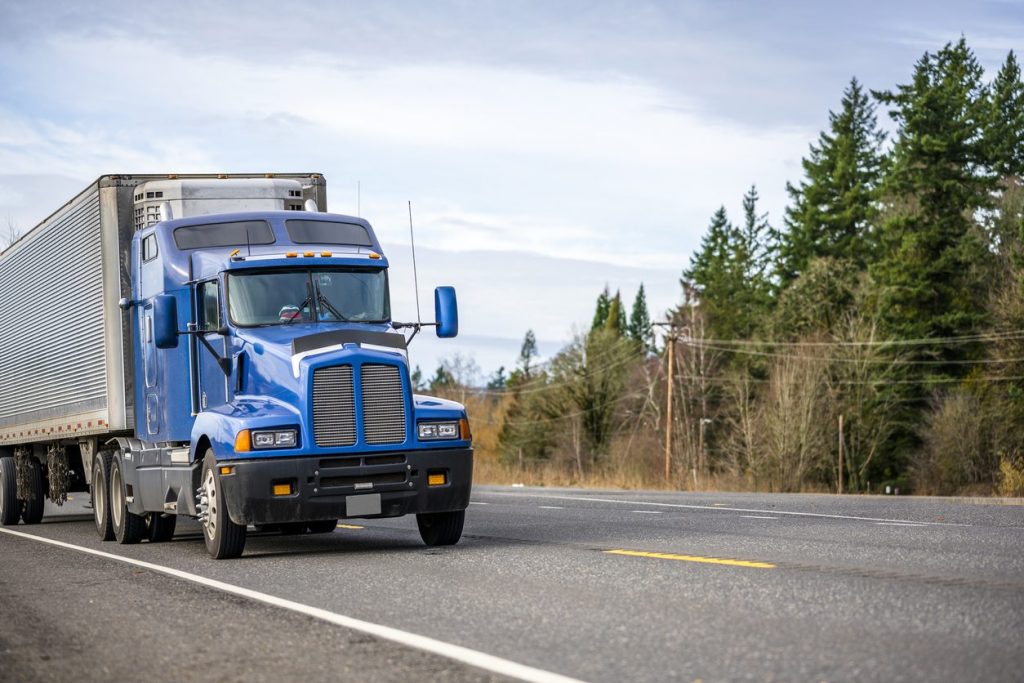
What Is a Freight Class?
Freight class is a number from 50 to 500 that prices your shipment, and it is mostly a measure of density: pounds per cubic foot. Dense freight gets a low class and a cheap rate. Light, bulky freight gets a high class and an expensive one. A pallet of bricks and a pallet of pillows occupy the same trailer space and weigh nothing alike, and the classification system exists so the carrier can charge for the space rather than only for the weight.
Work Out Your Density
Density is the calculation that drives everything else, and it takes two minutes.
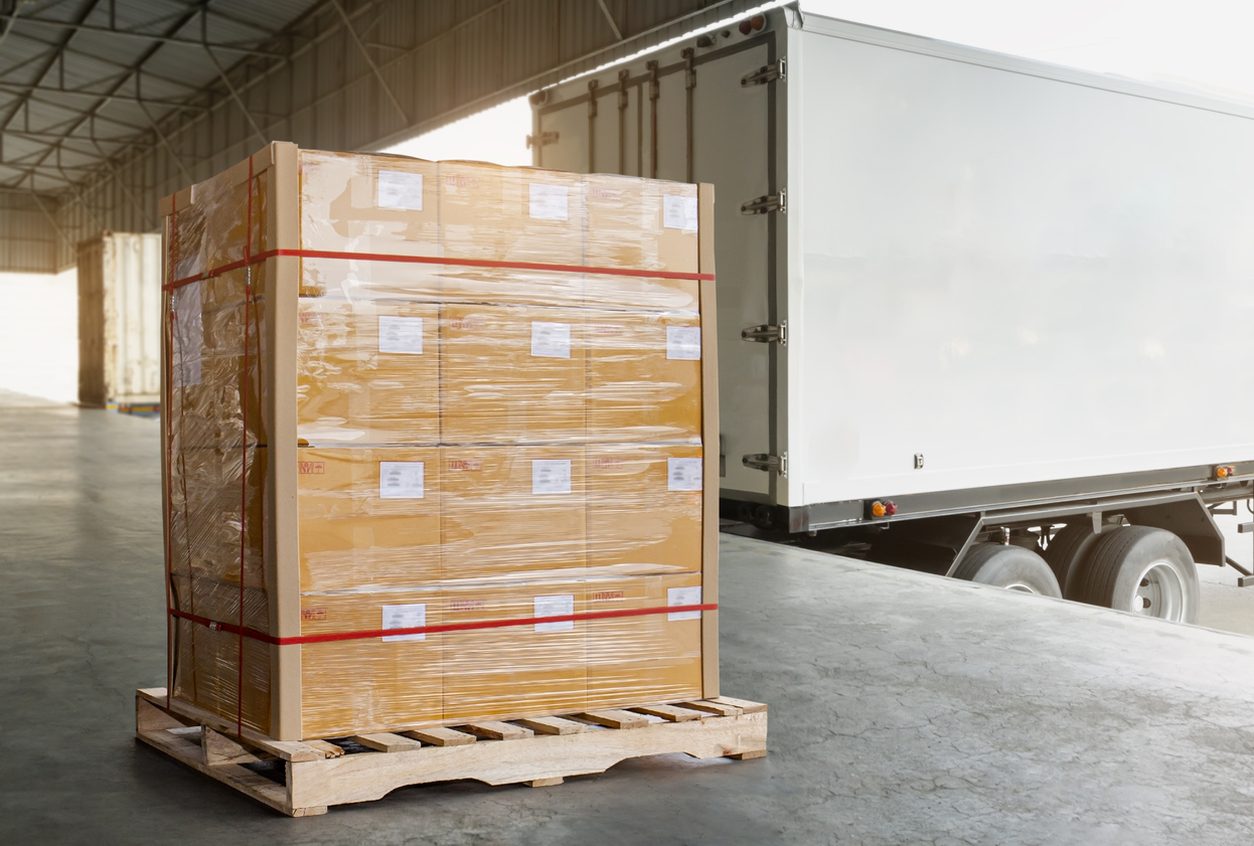
Measure the shipment at its extremes, including the pallet and any overhang, in inches. Multiply length by width by height to get cubic inches, then divide by 1,728 to get cubic feet. Divide the total weight in pounds by that figure, and the result is your density in pounds per cubic foot.
Roughly, 30 pounds per cubic foot and above lands around class 60 to 70. Around 15 lands near class 100. Around 6 lands near class 150. Below about 1 pound per cubic foot you are at the top of the scale, in the 400s. The bands are more precise than that in the published tariff, but the shape is what matters when you are deciding how to pack.
The Three Other Factors
Density does most of the work, but the classification also accounts for three other things.
Stowability is whether the freight loads well alongside other freight. Something oddly shaped, excessively long, or that cannot be stacked wastes space around it and classes higher. Hazardous materials that cannot travel with certain other goods class higher for the same reason.
Handling is whether it needs special care. Fragile items, anything requiring particular orientation, and awkward shapes that a forklift cannot take cleanly all raise the class.
Liability is the risk the carrier takes on. High value goods, anything prone to theft, and perishable or hazardous freight class higher because a claim is more likely and more expensive.

Density Based and Fixed Classes
Not every commodity is classed on density, and knowing which yours is changes what you can do about it.
Many commodities have a fixed class in the published tariff regardless of how you pack them. Others are density based, meaning the class moves with the figure you calculated above. For a density based commodity, packing tighter directly lowers your rate; for a fixed class commodity it does not, though it may still reduce the number of pallets you pay for.
If you ship the same goods repeatedly, it is worth establishing which category they fall into once and working from that.
The NMFC Number
Alongside the class, most commodities carry an NMFC number, and the two are not the same thing.
The class is the pricing band. The NMFC number identifies what the commodity actually is within the published classification, and it is what a carrier’s inspector checks against when they open a trailer and look at your freight. A shipment described accurately with the right NMFC number is far less likely to be reclassified than one described loosely.
Put both on the bill of lading, along with an honest description of the goods. “Machine parts” invites an inspection; a specific description with the matching NMFC number does not. If you ship the same product regularly, look its number up once and reuse it.
Getting the Class Wrong
Carriers reweigh and reinspect freight, and a mismatch results in a reclassification.
The invoice is then corrected, usually upward, and often with an inspection fee attached. This is one of the most common sources of an unexpected freight bill, and it is entirely avoidable.
Measure and weigh the shipment as it will actually ship, palletized and wrapped, rather than working from the product specification. Include the pallet in both figures. If you are uncertain between two classes, say so when you book rather than guessing low.
How to Lower It
For density based freight there are real levers.
Pack tighter, so the same goods occupy less cube. Consolidate onto fewer pallets, since air between boxes is space you are paying for. Avoid overhang, which adds to the measured dimensions without adding weight. And use a pallet appropriate to the load rather than an oversized one.
None of this is exotic, and on a light bulky product it can move you a class or two, which is a meaningful proportion of the rate. Our guide to shipping goods for a small business covers where LTL fits against parcel and truckload.
Common Questions
What is freight class? A number from 50 to 500 used to price LTL shipments, driven mainly by density.
How do I calculate density? Length times width times height in inches, divided by 1,728, then divide the weight in pounds by that.
Is it only about density? No. Stowability, handling and liability also count, though density does most of the work.
What if I declare the wrong class? The carrier reweighs, reclassifies and corrects the invoice upward, often with an inspection fee.
Can I lower my class? On density based freight, yes. Pack tighter, consolidate pallets and avoid overhang.
Get a Quote
Call Ship A Car, Inc. at (866) 452-3657 for freight and specialized transport, with the palletized dimensions and weight and what the commodity is.