Wide Load Shipping: Wide vs Oversize
In wide load shipping, “wide load” describes one dimension; “oversize load” describes any load past a legal limit in any dimension, which makes wide load a subset of oversize rather than an alternative to it. The distinction matters because the signage, the permit and the escort requirement are triggered by which limit you exceed. A load can be oversize on height and perfectly legal on width, and it will still need a permit for every state on the route. For the load itself, see our oversized and heavy equipment shipping page for permits, escorts and the right trailer.
The Federal Baseline
Three numbers define legal, and exceeding any one of them puts you in permit territory.
Width is 8 feet 6 inches, the 102 inch limit the Federal Highway Administration applies on the National Network, where no state may set it higher or lower. Height is 13 feet 6 inches in most states, with 14 feet permitted in some western states; there is no federal height limit, so the figure is always the state’s. Gross weight is 80,000 pounds, subject to the federal bridge formula that governs how that weight is distributed across axles.
Length limits apply to the trailer rather than the combination on the interstate system, commonly 48 to 53 feet for a semitrailer, and states set their own overall combination limits.
Anything past these is oversize, overweight, or both. The two are separate categories, and a load can be one without being the other; a compact machine well inside every dimension can still be overweight, and a light but very wide item can be oversize while weighing nothing much.
Where the Wide Load Thresholds Sit
Width is the dimension with the most graduated set of consequences, which is why it gets its own vocabulary.
Past 8 feet 6 inches you need a permit and OVERSIZE LOAD signage. Somewhere around 12 feet, depending on the state and the road, you need a pilot car. Wider again, commonly around 14 to 16 feet, and you need two, plus route restrictions on which roads you may use at all. Past roughly 16 feet many states require a route survey before they will issue anything.
Every one of those thresholds is set by the state, not federally, so the escort count on a multi state run can change at a border. The permit for each state states its own requirement.
Height Is the One People Get Wrong
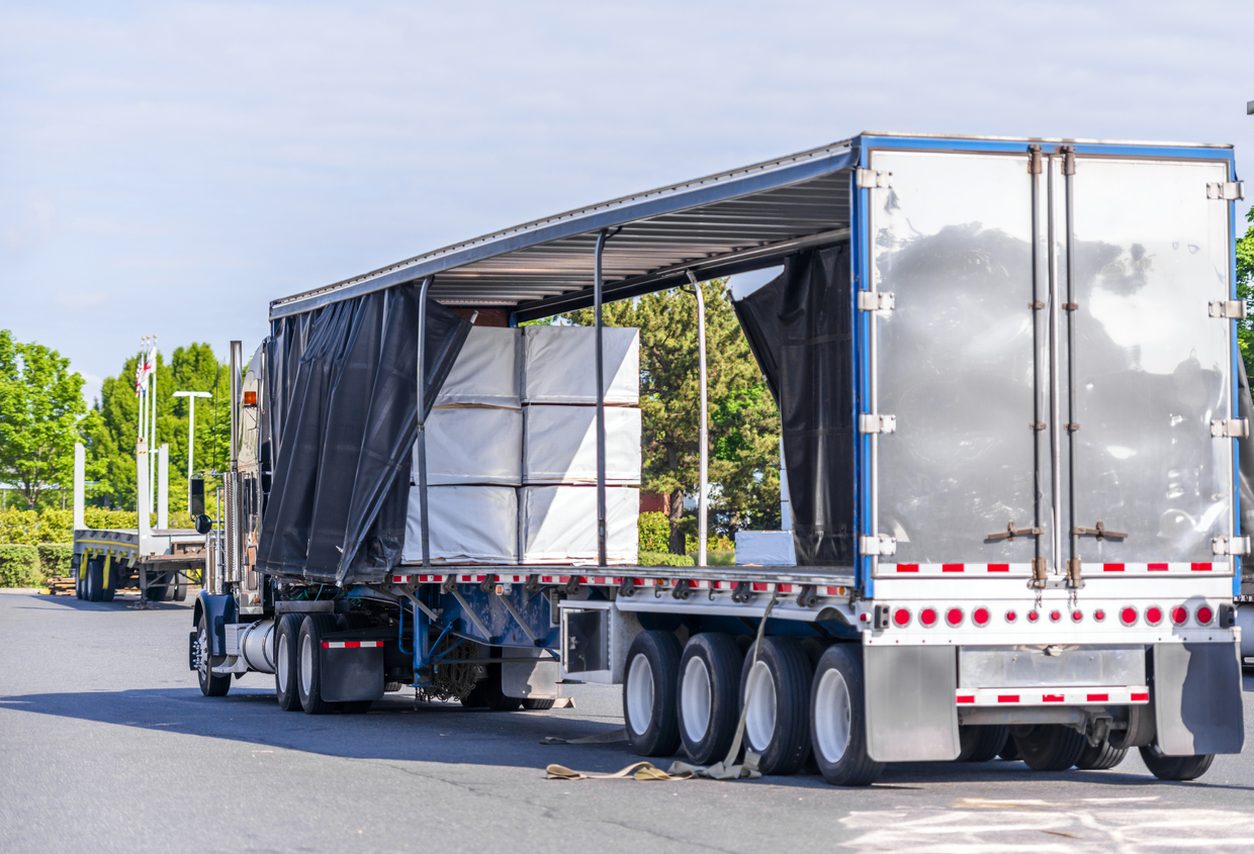
Height is measured from the road surface to the highest point of the load, not from the deck.
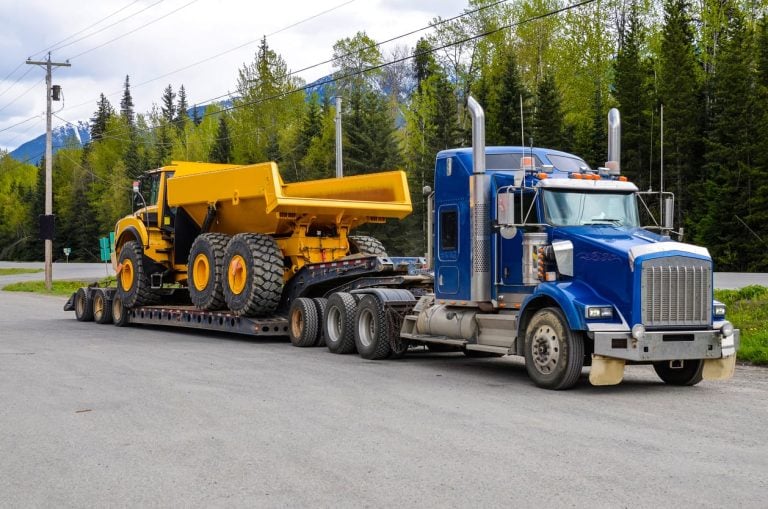
That sounds obvious written down and it is the most common error in the industry. A flatbed deck sits around 5 feet off the road, so a 9 foot machine on a flatbed is 14 feet total and already over. A step deck buys roughly a foot; a lowboy buys considerably more.
Anything that unbolts and can travel separately is worth removing, because a foot of height frequently decides whether you need a permit at all. Beam clearance on the route is checked against the measured figure, and a load that arrives at a bridge taller than its permit says is stopped there.
Overweight Is a Different Permit
Weight permits work on a different logic from dimension permits.
The constraint is not just the gross figure but how the weight sits on the axles, governed by the bridge formula. Past 80,000 pounds gross the load moves onto multi axle configurations that spread weight across more axles, and the permit is issued against that specific configuration.
Superload is the category above that, and thresholds vary by state. Superload permits take considerably longer to obtain, sometimes weeks, and may require an engineering review of specific bridges on the route before anything is issued.
Signage, Flags and Lights
The requirements are specific and an inspection will check them.
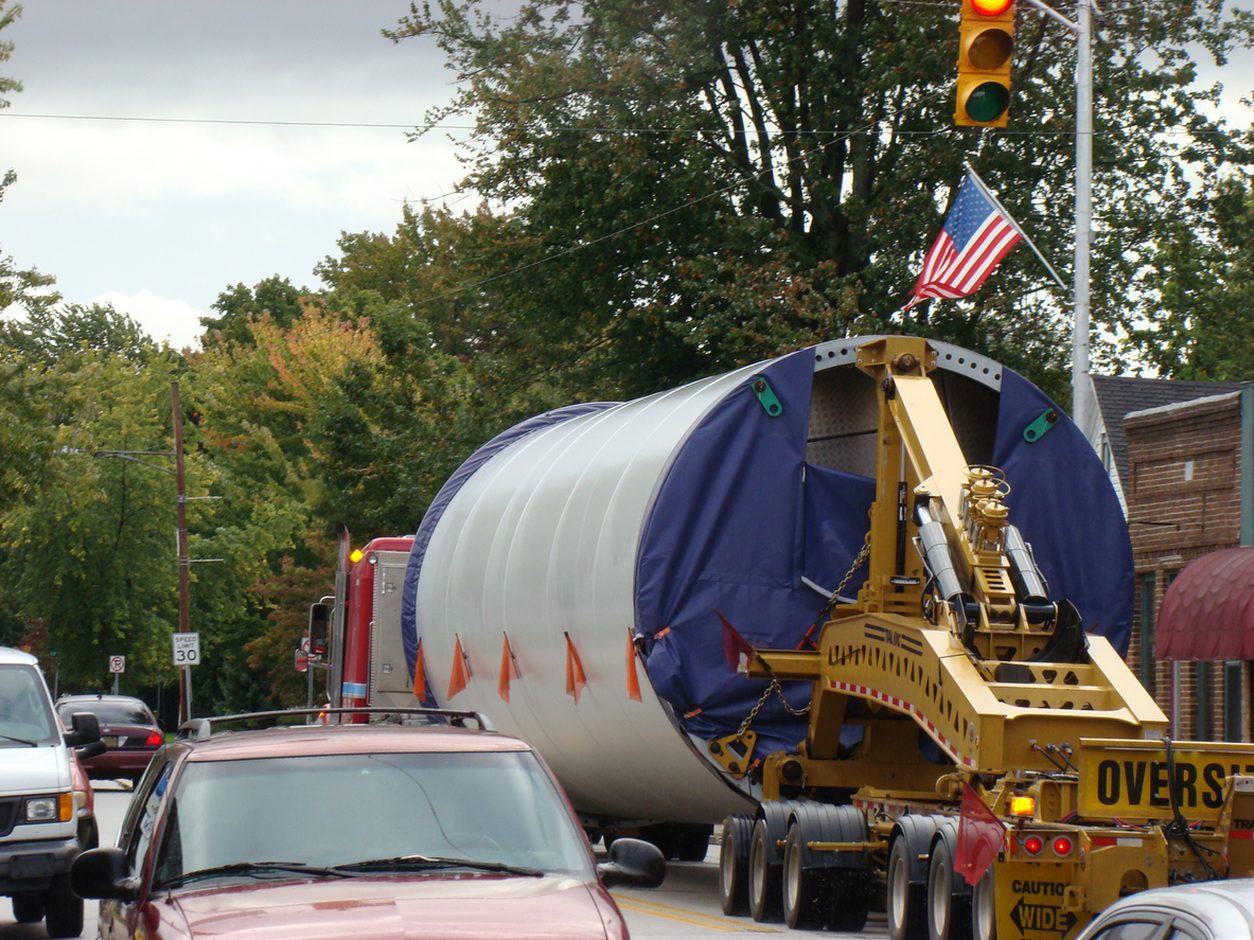
An OVERSIZE LOAD banner of a specified size and color is required, positioned front and rear. Red or orange flags mark the widest points and the extremities of any overhang. Amber warning lights are required on the vehicle and on escorts. Rear overhang past a certain length needs its own marking.
These are not decorative. A missing flag on the widest point is a genuine reason for a stop, and a stopped permitted load may not be able to resume until its travel window reopens.
When You May Travel
Permitted loads generally move in daylight, on weekdays, outside peak hours.
Night movement is usually prohibited. Many states close permitted movement over major holiday periods. Metro areas add peak hour restrictions, and some reverse the rule entirely and confine oversize movement to overnight windows. Weather stops movement too, since permitted loads do not run in high wind or poor visibility.
On most oversize moves the legal travel windows, rather than the mileage, set the schedule. Our guides to pilot cars and heavy equipment transport go further into each.
Common Questions
What is the difference between wide load and oversize load? Wide load refers to width specifically. Oversize covers any dimension past a legal limit, so wide load is a subset of it.
What are the legal limits? 8 feet 6 inches wide, 13 feet 6 inches high in most states, and 80,000 pounds gross.
When do I need escorts? Commonly around 12 feet wide for one and 14 to 16 feet for two, but the trigger is set by each state.
Is overweight the same as oversize? No. They are separate categories with separate permits, and a load can be one without being the other.
How is height measured? From the road surface to the highest point, not from the trailer deck.
Get a Quote
Call Ship A Car, Inc. at (866) 452-3657 for heavy haul and specialized freight, with the measured width, height, length and weight of the load and both addresses.