Mid-Size Pickup Trucks: The Segment, and What Shipping One Involves
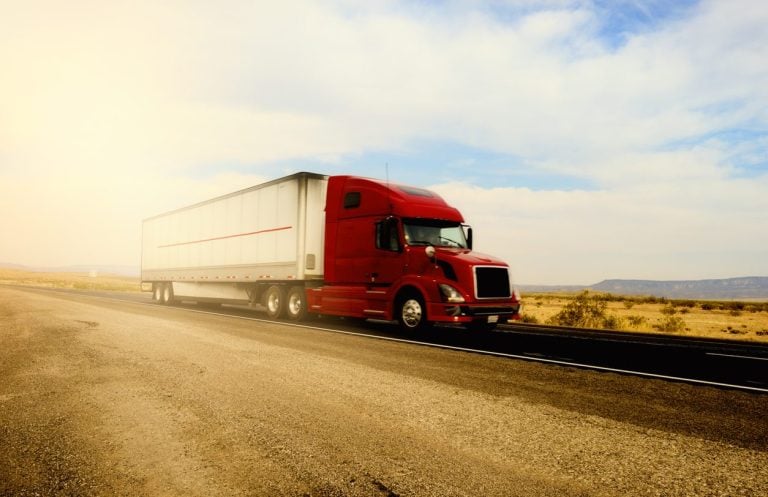
The mid-size pickup exists because a full-size truck is more vehicle than most people need and a crossover is not enough. That is the whole segment in one sentence, and it explains both why it has grown and why these trucks are so often the vehicle people ship when they relocate. If you are moving one, the things that decide the price are height, length and whatever has been bolted to it.
What Is Actually in the Segment
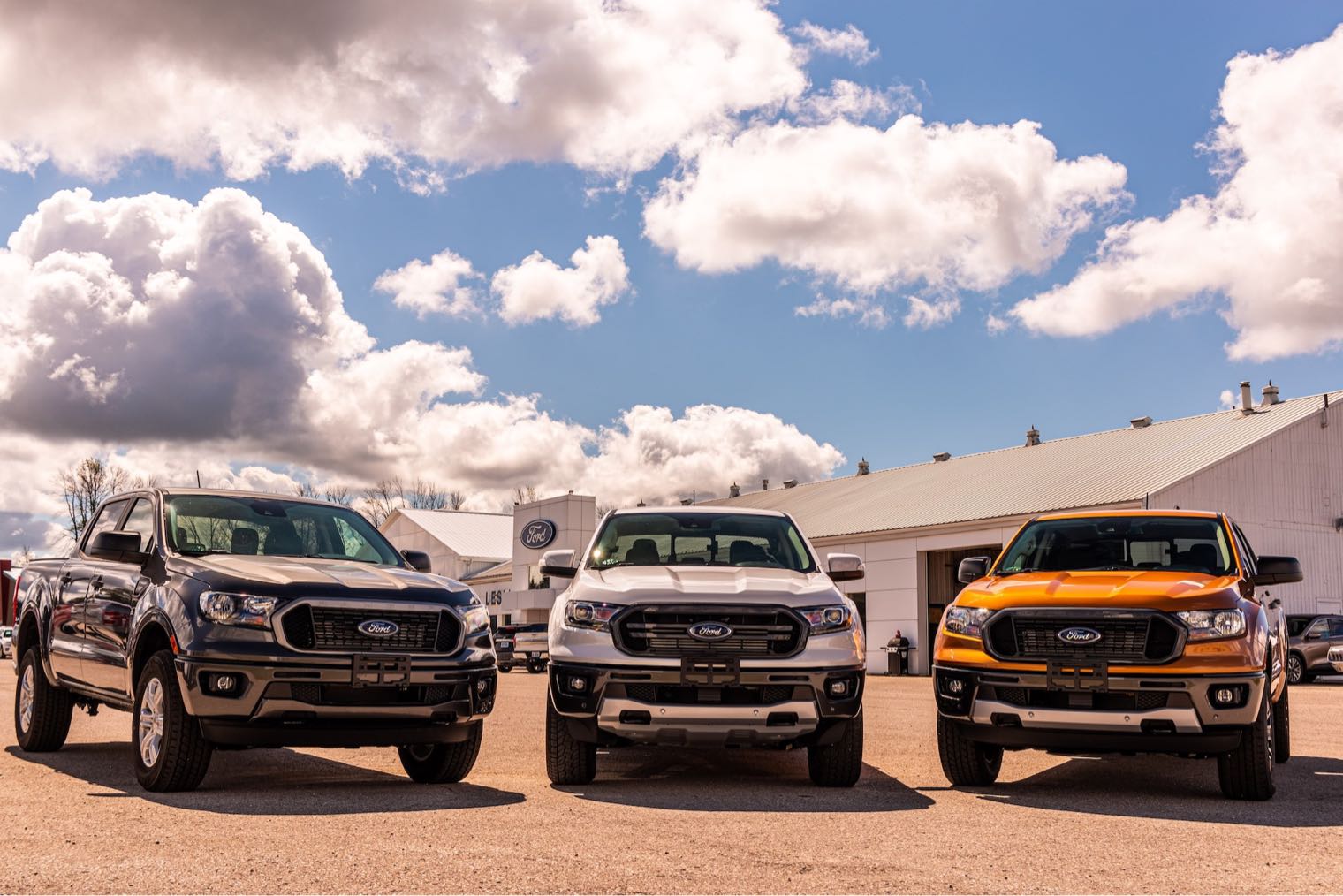
Five nameplates account for nearly all of it, and they split into two clear groups.
The Toyota Tacoma is the volume leader and has been for a long time, on a reputation for resale value and durability rather than on refinement. The Ford Ranger and Chevrolet Colorado, along with its GMC Canyon twin, are the mainstream alternatives, generally more comfortable on road and closely matched on capability. The Nissan Frontier rounds out the traditional group.
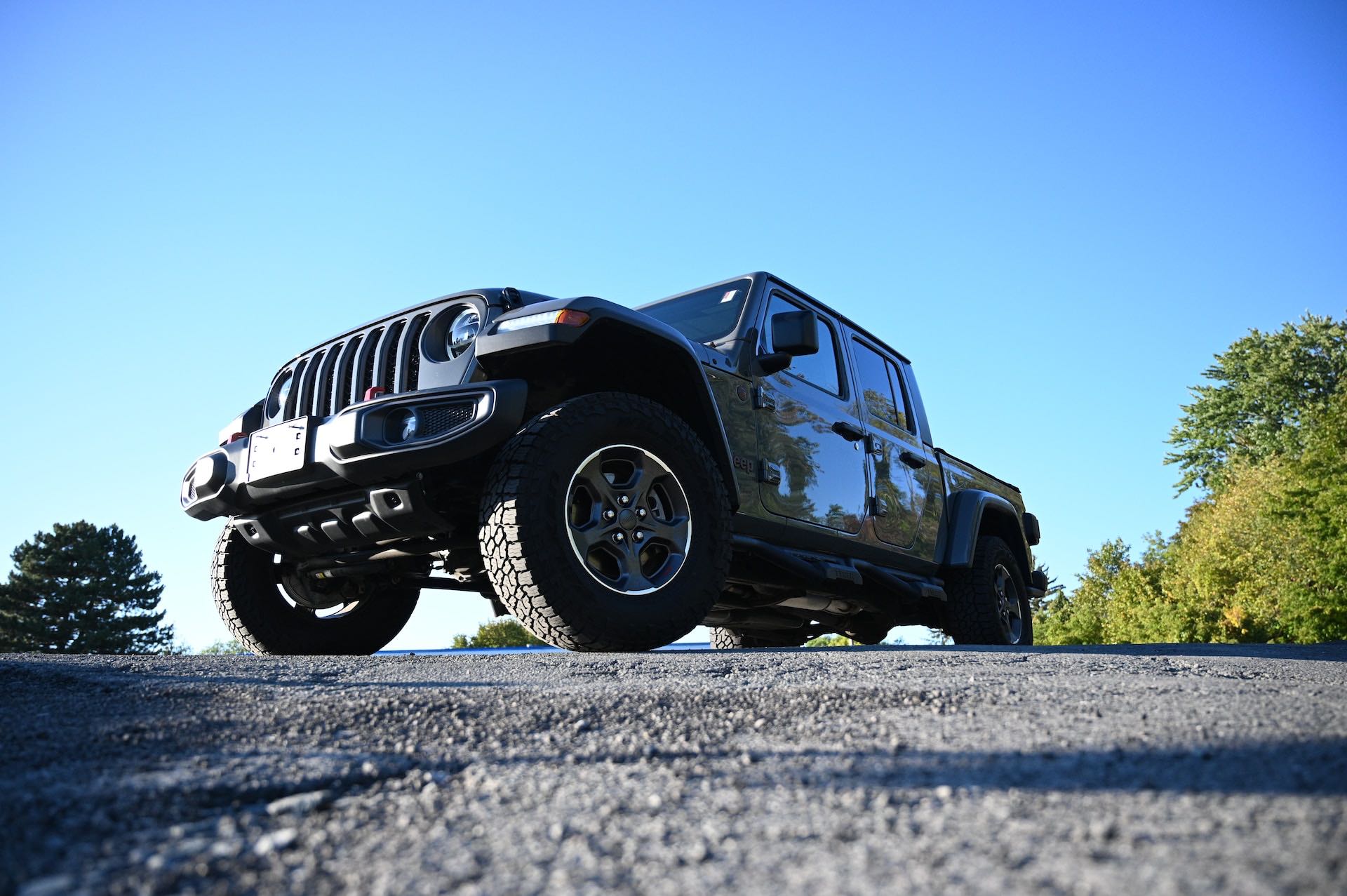
Then there is the Jeep Gladiator, which is a different animal: a Wrangler with a bed, with removable doors and roof, genuine off-road hardware and a shape that does not behave like the others on a trailer.
Below all of these sits a smaller unibody group, the Ford Maverick and Hyundai Santa Cruz, which are car-based and closer to a crossover in size and in how they ship.
Why Mid-Size Trucks Cost More to Ship Than Cars
A car hauler is limited by weight and by the space each vehicle occupies, and a pickup uses more of both than a sedan.
A crew cab mid-size truck runs around 17 to 18 feet long and 4,500 to 5,000 pounds. That is not extreme, but a trailer that fits nine sedans may only take seven or eight of these. The carrier prices the space, not the vehicle category, which is why quotes move with the actual truck rather than the word “pickup”.
Height is the other factor. Stock, these trucks fit on either deck without difficulty. Lifted, they frequently do not fit the upper deck at all, which limits them to the bottom row and reduces what else the carrier can load.
Modifications Are the Real Variable
This is where a routine quote turns into a different one, and it is worth being straight about when you book.
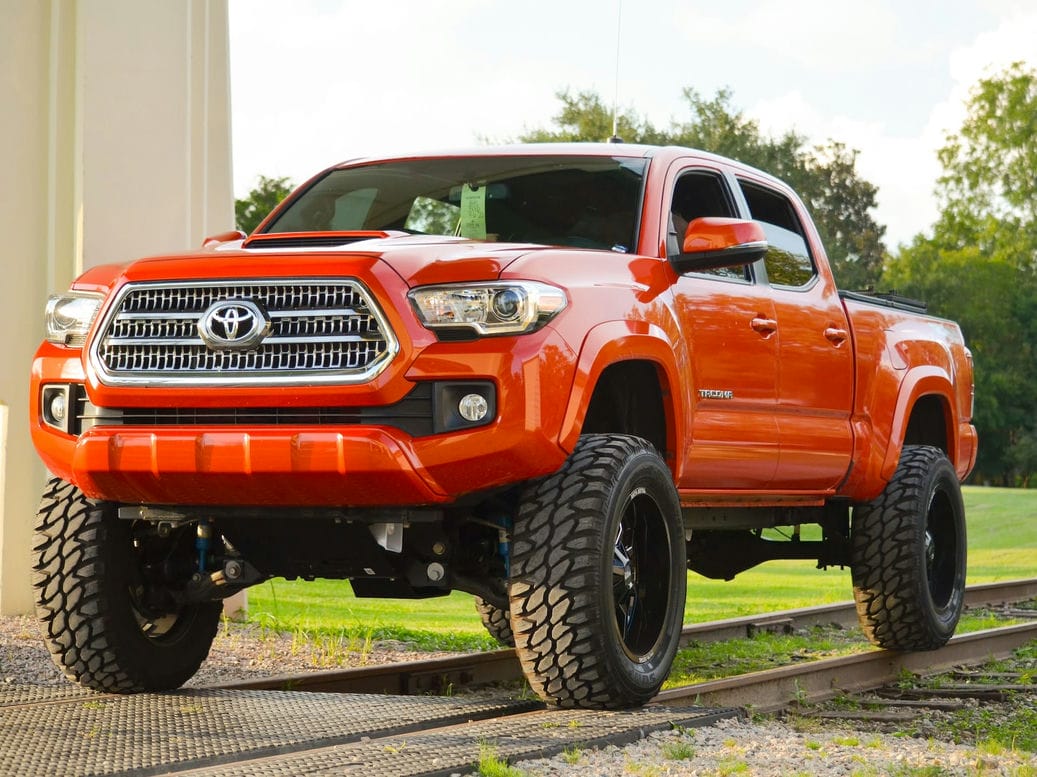
A lift kit and oversized tires change both the height and the way the truck has to be secured. A camper shell or a bed rack adds height. Roof racks, light bars, snorkels and aftermarket bumpers all add dimensions that the specification sheet does not know about. A winch adds weight over the front axle.
Measure the truck as it actually stands, at its tallest point, and give that number. A carrier who arrives expecting a stock Tacoma and finds a six-inch lift on 35s either declines the load or renegotiates on the spot, and both outcomes cost you a day.
The same applies to a Gladiator with the roof and doors removed. Put them back on, or say clearly that they are off, because an open cab changes how the vehicle is protected and secured.
What Travels in the Bed
Nothing, and this catches pickup owners more than anyone else.
The temptation to fill the bed is understandable, since it is right there and it is empty. Personal items are not covered by cargo insurance, they add weight the carrier has not accounted for, and anything loose becomes a hazard on the highway. Some carriers allow a small amount of secured, covered cargo by prior agreement, but that is an exception you arrange in advance rather than assume.
A tonneau cover should be closed and latched. Anything mounted in the bed that can be removed easily is better removed.
Open or Enclosed
Open transport carries nearly every mid-size pickup and it is the right choice for a work truck or a daily driver.
Enclosed is worth the premium of about a third on a truck with fresh paint, a wrap, or serious money in modifications, and on a winter move north where road salt is the concern. There is one practical caveat: a lifted truck may exceed the interior height of some enclosed trailers, so confirm the trailer’s clear height before assuming enclosed is available.
Buying One Out of State
Mid-size trucks are one of the most commonly shipped vehicle types for a specific reason: the good ones do not sit on lots, and buyers widen their search until they find the configuration they want.
A Tacoma in a particular trim, a manual Gladiator, a diesel Colorado, a truck without a lift on it: these are the searches that end three states away. Shipping the truck instead of flying out and driving it back is frequently cheaper once you count the airfare, a night somewhere, fuel and two or three days of your own time, and it puts no miles on a vehicle you have just bought.
Two practical points if you do this. Arrange the transport after the sale is agreed but before you pay in full, because a vehicle that turns out not to match its description is far easier to walk away from before it is on a truck. And ask the seller to be present at pickup rather than leaving the key in a lockbox, since the bill of lading signed at collection is the record of what condition the truck left in.
Preparing the Truck
Wash it so existing marks are visible, then photograph every panel in daylight, including the wheels, the lower bumpers, the rocker panels and the bed. Photograph the underside of a lifted truck too, since that is what a ramp catches.
Leave about a quarter tank of fuel. Empty the cabin and the bed. Fold the mirrors, retract or remove an antenna, disable a motion sensitive alarm, remove a toll transponder and hand over a key.
If the truck has an air suspension or a load-leveling setting, note how it should be left. At delivery, inspect before signing and note anything unexpected on the bill of lading while the driver is present. Our guide to shipping a Ford F-Series truck covers the full-size side.
Common Questions
Does a pickup cost more to ship than a car? Usually, because it takes more space and weight on the trailer. The size of the difference depends on the specific truck.
Does a lift kit matter? A great deal. A lifted truck often cannot go on the upper deck, which limits the carrier’s load and raises the price. Give the real measured height.
Can I put anything in the bed? Not by default. Personal items are not insured, add weight and can come loose. Ask first if you need an exception.
What about a Gladiator with the doors off? Refit them if you can, and say so if you cannot, because an open cab changes how it is secured and protected.
Should I choose enclosed? For a work truck, no. For fresh paint, a wrap or expensive modifications, yes, but check the trailer’s clear height if the truck is lifted.
Get a Quote
Call Ship A Car, Inc. at (866) 821-4555 with both zip codes, the year, make and model, and the measured height if the truck is lifted or carries a rack, or request an estimate for the move through the quote calculator.