Shipping a Motorcycle Across the Country
Where the straps go decides whether your bike arrives in the condition it left, and it is the one thing most owners never think to ask about. A motorcycle strapped by the handlebars, with the forks compressed hard for two thousand miles, can arrive with bent bars or weeping fork seals. Strapped correctly, through the frame or triple clamp with the suspension only lightly loaded, the same bike travels fine. Everything else about shipping a motorcycle is straightforward; this part is worth being specific about.
How a Bike Should Be Secured
A motorcycle has far fewer safe tie down points than a car, and the wrong ones are the obvious ones.
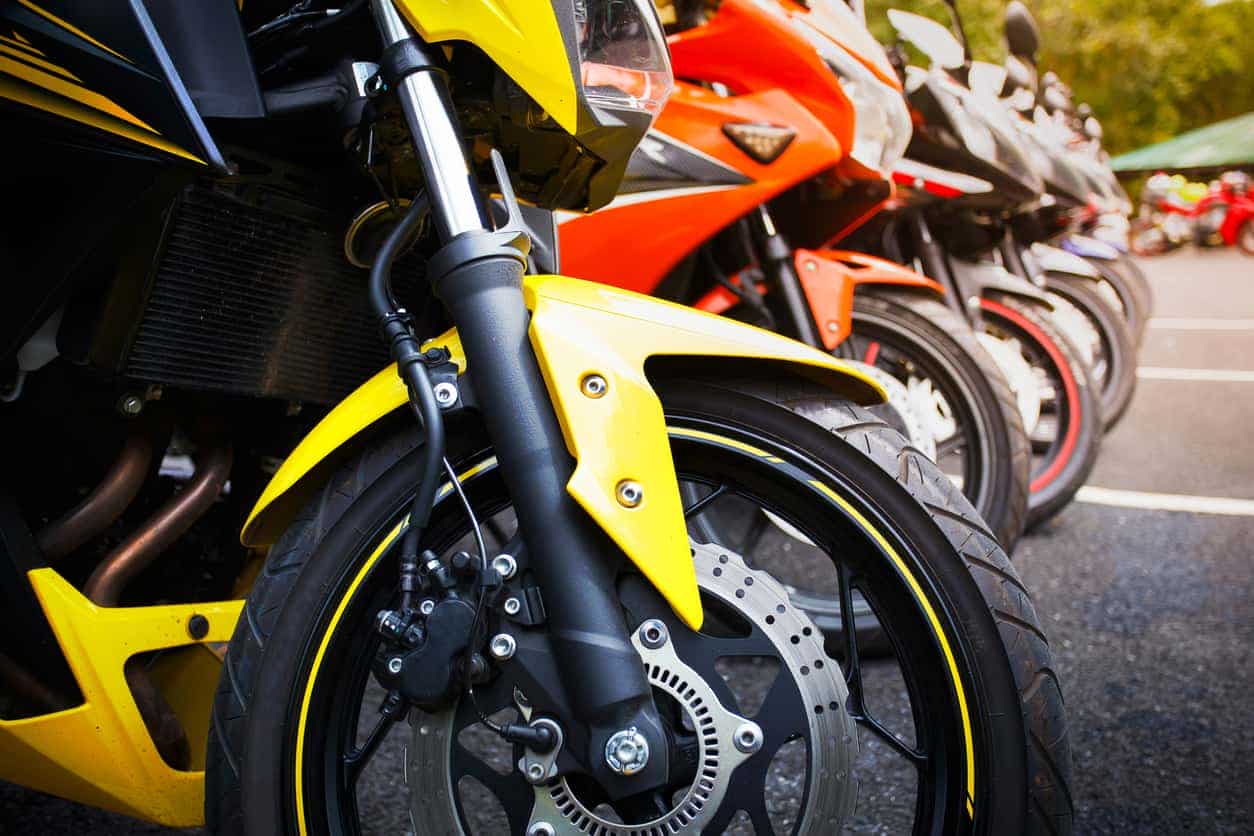
The bike should sit in a wheel chock so it cannot move fore and aft, then be secured through the frame or the triple clamp using soft ties that do not chew paint or chrome. Handlebars are not structural. A strap over the bars pulls against the steering head and the bars themselves, and vibration over a long haul works at that connection continuously.
The suspension should be compressed slightly, enough that the bike cannot bounce, but not bottomed out. Forks held fully compressed for days are being asked to do something they were not designed for, and fork seals are the usual casualty.
If your bike has aftermarket bodywork, crash bars, a lowered rear or an unusual frame, say so when you book. It changes where straps can safely go.
Open, Enclosed or Crated
Three ways a bike travels, and the choice is usually clear.
Open is the cheapest and it is fine for a commuter bike or a machine going for work. It is exposed to weather and road grime for the trip, the same as riding it would be, and it arrives dirty.
Enclosed is what most owners choose for anything they care about. A motorcycle has no bodywork shielding its mechanicals, so road spray and salt reach the chain, the brakes and the electrics directly. The premium over open is modest against that.
Crated is for overseas shipping or something genuinely rare, and it is rarely needed domestically.
If you are moving several bikes, book them together. Multiple machines on one booking is materially cheaper per unit than separate ones.
Rally Season Moves the Price
Motorcycle transport has sharper seasonal peaks than car shipping, and they are driven by events rather than weather.
The weeks around the major rallies tighten capacity hard on the lanes feeding them, in both directions, because every carrier with bike equipment is busy at once. Book three to four weeks out if your dates sit inside one of those windows.
Outside them, one to two weeks is comfortable and rates are noticeably softer. Winter is the cheapest time to move a bike in most of the country, which is worth knowing if you are buying one out of season.
Preparing the Bike
Reduce the fuel to a low level, since it is weight and some carriers require it. Disconnect or tender the battery if the bike will sit at the far end for a while.
Remove anything that unclips: mirrors, screens if they come off easily, luggage, GPS mounts and loose covers. Fold the mirrors if they do not. Note any leaks honestly, because a machine that marks a deck affects other cargo and a carrier will refuse a load rather than take that on.
Photograph everything in daylight before it goes, including the tank, the pipes, the wheels and the underside. Scratches on a bike are easy to miss and easy to dispute later.
What It Costs
A motorcycle costs less to move than a car because it takes less room, but not proportionally less, since the handling work is similar. Expect roughly $300 to $700 for a regional move of a few hundred miles and $900 to $1,500 cross country, with enclosed adding to that. The figures above are planning estimates. In our own book since 2023, the middle half of motorcycle moves ran $650 to $950.
Two things move the number. A bike that does not start has to be pushed or winched rather than ridden on, which takes two people. And a large touring machine with hard luggage takes noticeably more room than a naked bike, so give the make and model rather than just “a motorcycle”.
Common Questions
Where should it be strapped? Through the frame or triple clamp with soft ties, in a wheel chock. Not over the handlebars.
Open or enclosed? Enclosed for anything you care about. There is no bodywork shielding the mechanicals from road spray.
Will the forks be damaged? Not if the suspension is only lightly loaded. Fully compressed forks over a long haul are what harms seals.
Can you ship a bike that does not run? Yes. Say so when booking, because it has to be pushed or winched rather than ridden on.
Can I ship several together? Yes, and it is considerably cheaper per bike than separate bookings.
Get a Quote
Call Ship A Car, Inc. at (866) 821-4555 with the make, model and whether it runs, or read more about motorcycle transport.