Shipping Your Car from Hawaii to the Mainland
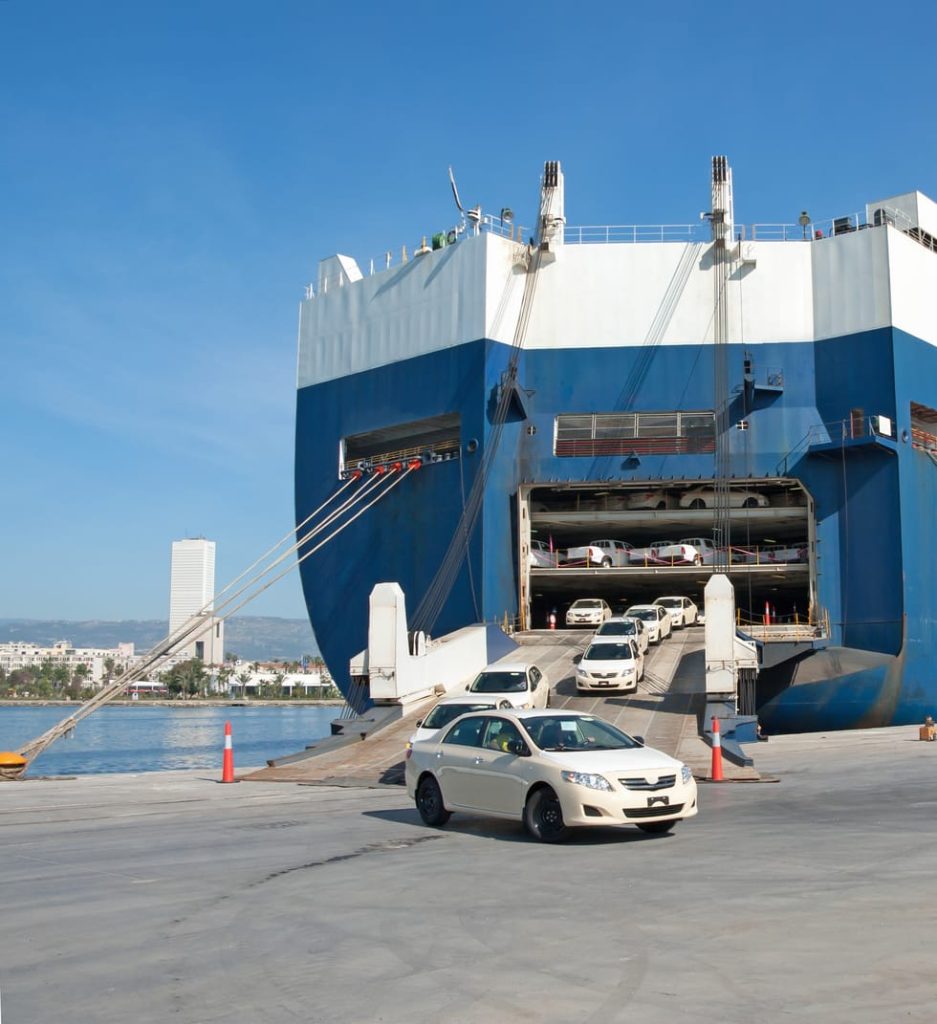
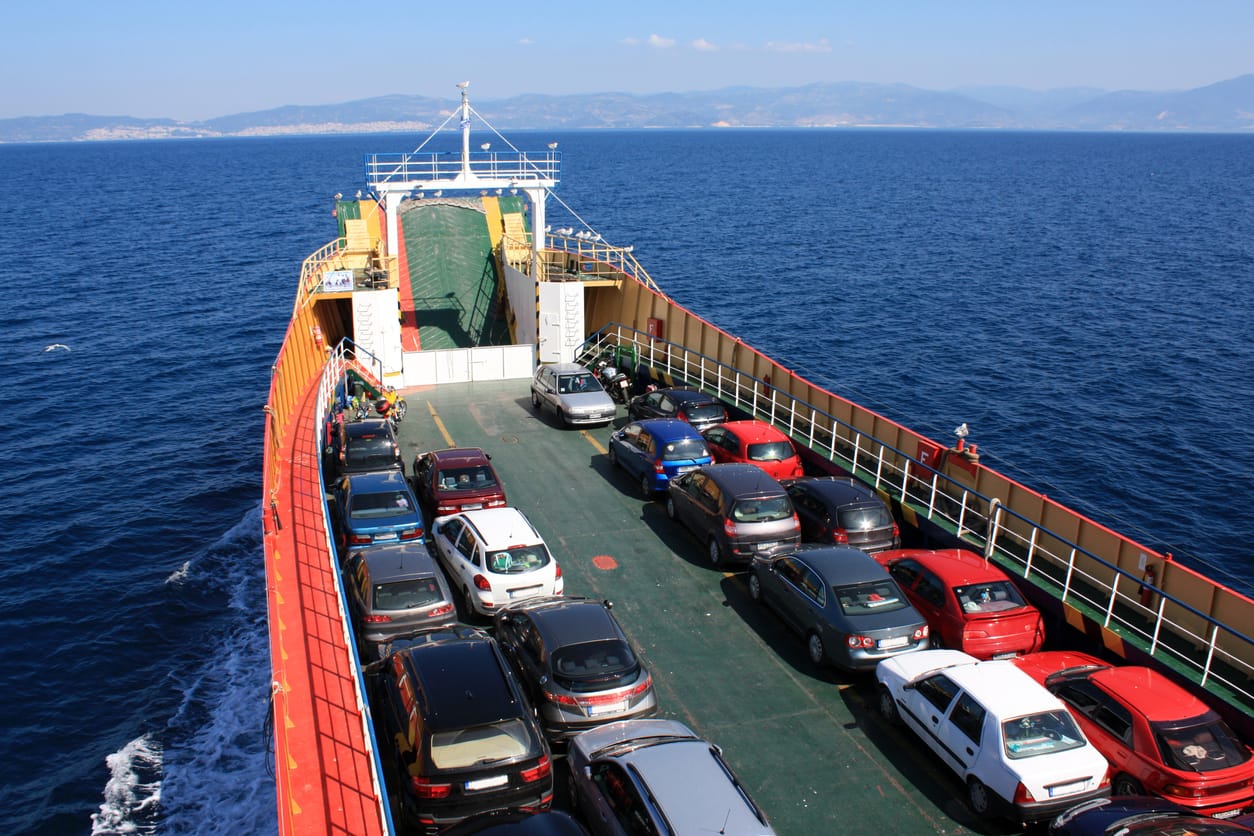
Shipping a car off Hawaii is an ocean freight job with a road move attached at each end, and the ocean leg is the part that sets both the price and the schedule. Vehicles travel on roll-on roll-off vessels between Honolulu and West Coast ports, on published sailing schedules rather than on demand, which makes this move more like booking a flight than hiring a truck.
Here is how it actually works and what to have ready.
The Route and the Timing
The great majority of vehicles leaving Hawaii sail from Honolulu on Oahu. Ports on the neighbor islands handle some traffic, but if your car is on Maui, Kauai or the Big Island, expect an inter island leg first, and it is a long one: Matson publishes 14 to 32 days for that barge sailing.
The main mainland ports are on the West Coast, principally in California and the Pacific Northwest. Sailing time is roughly a week, but that is not the number that matters. Total door to door time is usually two to four weeks once you account for the drop off cut off before sailing, the crossing, terminal processing at the other end, and the road move inland.
Sailings run on a schedule. Miss the cut off for one and you are waiting for the next, which is why booking two to three weeks ahead is the sensible minimum and more in summer, when military moves and university relocations both peak.
What You Have to Provide
Documentation is stricter than a mainland move because a vessel is involved.
You need the original title or, if there is a loan on the vehicle, a written authorization from the lienholder permitting the shipment. A photocopy of a title is not sufficient. You need photo identification matching the name on the title, and if someone else is dropping the car off or collecting it, written authorization for that person.

Registration should be current. Requirements vary and do change, so confirm the current list with the carrier before you drive to the terminal, because arriving without a document means the vehicle does not sail.
Preparing the Car for a Vessel
The rules here are stricter than on a truck, and they are enforced at the terminal.
The fuel tank must be at or below a quarter, which is a safety requirement rather than a weight one. The car has to be completely empty: no personal belongings at all, and unlike road transport this is checked. The battery must be secure, the alarm disabled or the procedure explained, and there must be no fluid leaks, which will get a vehicle rejected outright.
Wash it before delivery. Agricultural inspection applies to vehicles leaving Hawaii and soil or plant material is a genuine problem, so the underside and wheel wells matter as much as the paint. A clean car also makes the condition report accurate, which protects you later.
Photograph everything in daylight before drop off: all four sides and corners, the roof, the wheels, the lower bumpers and the odometer. The terminal produces its own condition report and you should compare it against the car before signing it.
Cost, and Why It Varies
Ocean rates are driven by the vessel space a vehicle occupies, so size matters more here than on a truck. A compact car and a full size pickup differ substantially, and an oversized or lifted vehicle can attract a further charge.
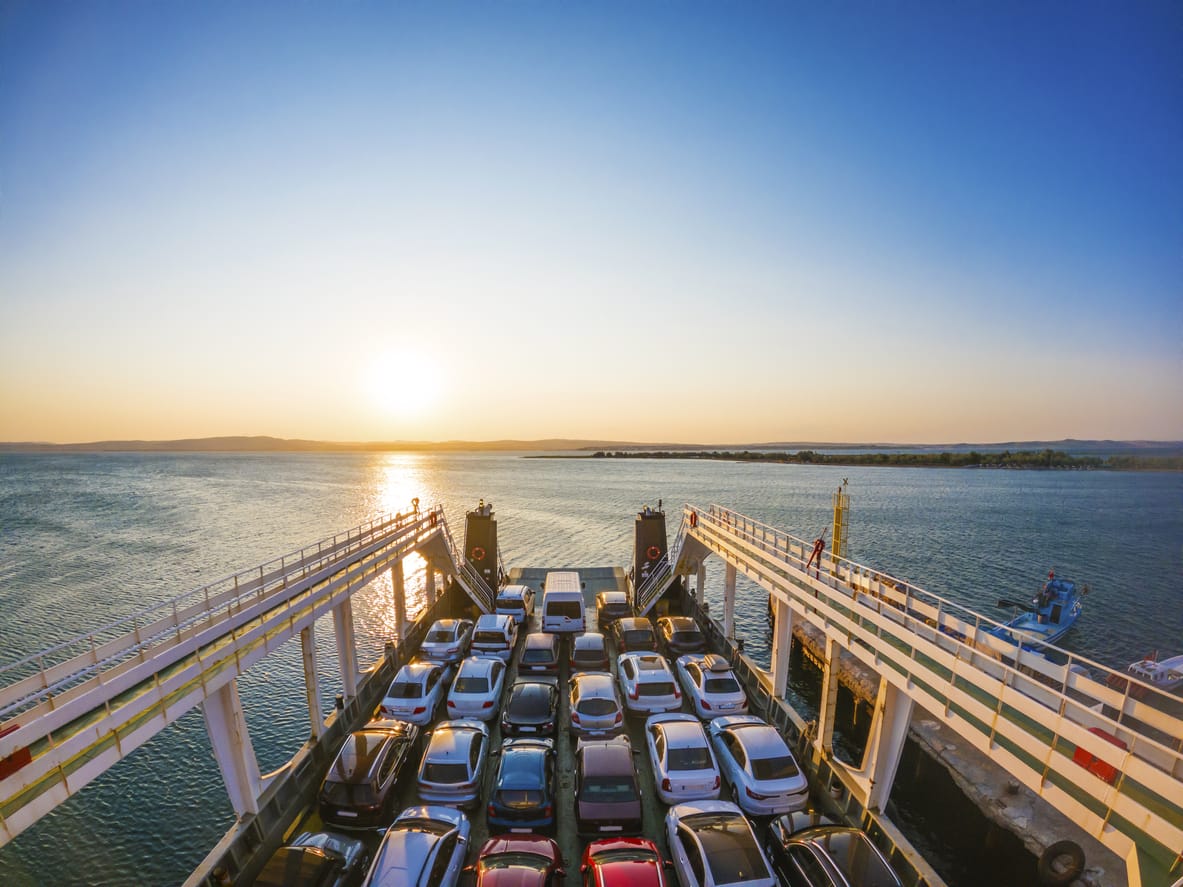
Beyond the ocean leg, the two variables are inter island transport if the car is not already on Oahu, and the road move from the mainland port to wherever the vehicle is actually going. A car landing in California and going to Denver has a substantial road leg on top, and that part prices like any other domestic move.
Insurance is worth asking about specifically. Ocean carriers carry their own coverage with defined limits, which is not the same as full cover for a valuable vehicle. Ask what the limit is and whether supplementary cover is available.
One further variable is worth asking about: whether the quote is port to port or door to door. A port to port price ends at the mainland terminal and leaves the inland leg, the drop off on the Hawaii side, and any inter island move for you to arrange. Door to door bundles all of it. Comparing one against the other is how two quotes for the same car end up looking wildly different.
At the Other End
Vehicles are usually collected from the mainland terminal rather than delivered. You will be notified when the vessel arrives, and there is a window in which to collect before storage charges begin, so plan for that rather than assuming flexibility.
Inspect thoroughly before signing anything, in daylight, and compare against your drop off photographs. Note anything unexpected on the paperwork before you leave the terminal, because once the vehicle is off the premises the position is much harder to argue.
If the car is continuing inland, a road carrier can collect from the port, and arranging that in advance avoids paying storage while you find one. For the wider picture, see our Hawaii car shipping page.
Common Questions
How long does it take? Roughly a week at sea, and two to four weeks door to door if the car starts on Oahu, once cut offs, processing and any inland leg are counted. Starting from Maui, Kauai or the Big Island adds the barge leg first, which runs 14 to 32 days.
What documents do I need? The original title or written lienholder authorization, matching photo identification, and current registration. Copies of a title are not accepted.
Can I leave belongings in the car? No. Vehicles must be empty for ocean transport and it is checked at the terminal.
Why does the car have to be washed? Agricultural inspection applies to vehicles leaving Hawaii, so soil and plant material on the underside are a real issue.
How far ahead should I book? Two to three weeks minimum, and longer over the summer when military and university moves peak.
Get a Quote
Call Ship A Car, Inc. at (866) 821-4555 with the island, the mainland destination and your date range, or price the move with the instant calculator.