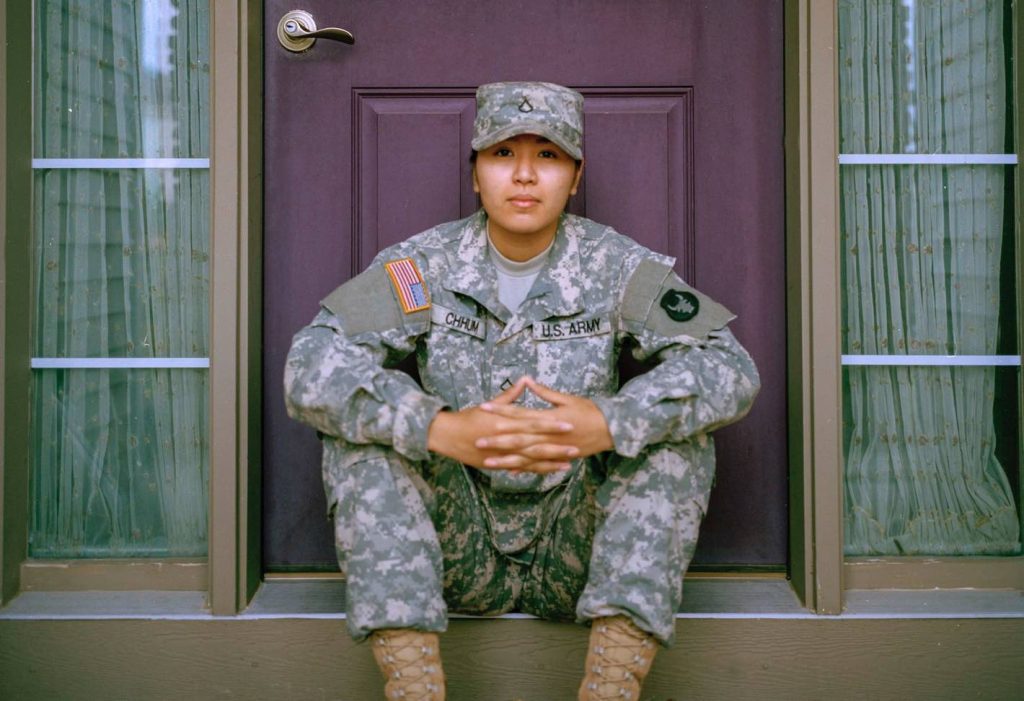
Shipping a Vehicle Overseas on Military Orders
On an overseas PCS the government generally ships one privately owned vehicle at its own expense, and it does so through a Vehicle Processing Center rather than a commercial carrier. That is the part families usually understand. What surprises them is everything around it: getting the car to the VPC in the first place, and what happens to the second vehicle, because most households have two and only one is covered. Those two gaps are where a transport company actually fits.

What the Government Covers
On a permanent change of station to an overseas location, one POV is generally shipped at government expense. The vehicle is turned in at a Vehicle Processing Center, inspected there, and moved by the government’s contracted carrier.
A stateside CONUS move is different. POV shipment is the exception rather than the rule and has to be specifically authorized, so most families arrange and pay for it themselves.
Confirm your specific entitlement against your orders with your transportation office before assuming either way. Entitlements change, and they vary by destination, by service and by the terms of the order itself.
Getting the Car to the VPC
The nearest processing center is frequently nowhere near you, and driving it there is not always practical when you are simultaneously clearing quarters and flying out.
That leg is an ordinary domestic auto transport booking, and it is worth arranging early because it has to land inside your VPC appointment window. Book it to hit that date rather than to arrive at the port sometime, in the same way an ocean move is planned around a sailing.
Bring the vehicle to the VPC meeting their condition requirements, which is where most turn ins run into trouble.
What the VPC Will and Will Not Accept
Processing centers inspect thoroughly and turn vehicles away that do not comply, and a rejected turn in costs you the appointment.
Expect the car to need to be clean inside and out, essentially empty, and carrying no more than about a quarter tank of fuel. Personal belongings are generally not permitted. Spare tire, jack and factory tools are usually acceptable; aftermarket additions and loose items are not. The car must be mechanically sound and free of leaks, and any existing damage is documented at inspection.
Have your orders, identification, registration and title with you. If there is a loan on the vehicle, the lienholder’s written authorization is required, and obtaining that letter is routinely the slowest part of the whole process. Start it weeks ahead.
The Second Vehicle Is Your Problem to Solve
This is the decision most families spend the least time on and should spend the most.
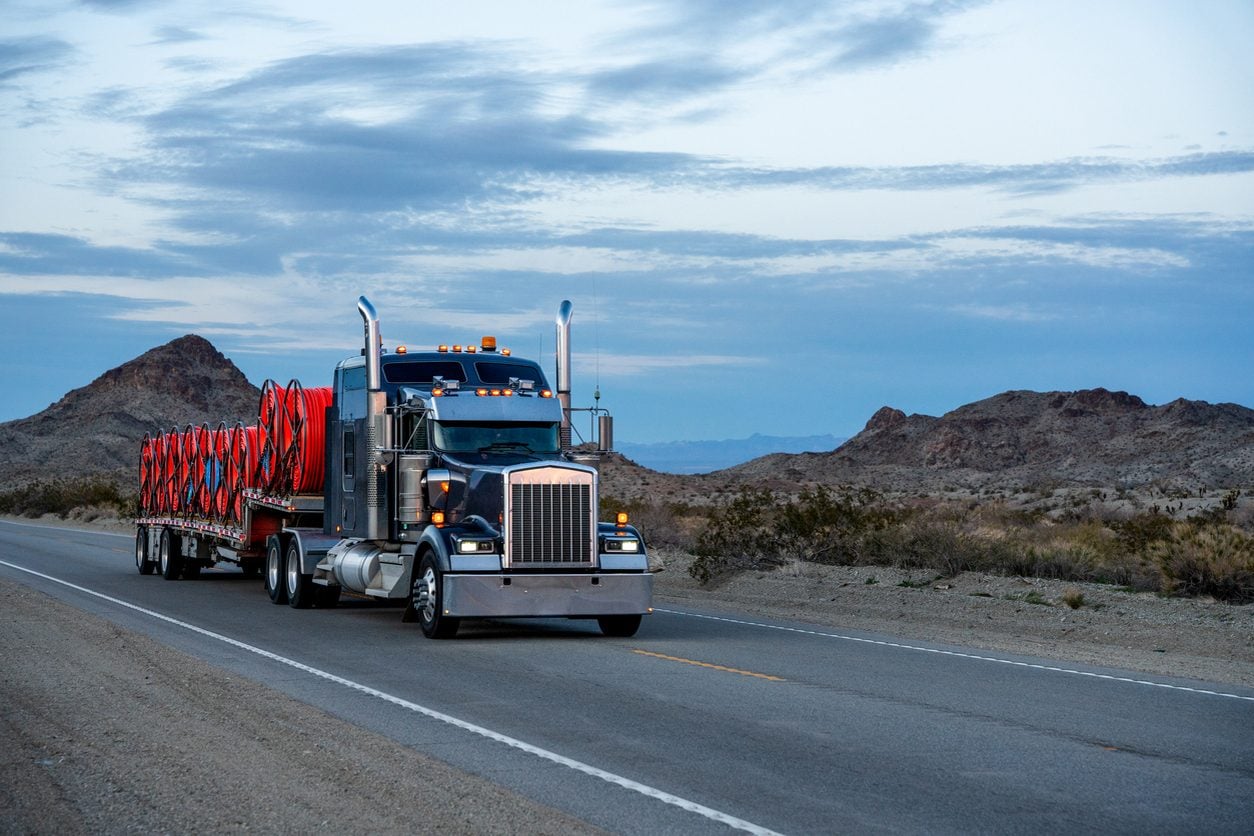
With one POV covered, the second is entirely your arrangement, and there are three realistic options. Sell it before you go, which is clean but often means selling under time pressure. Store it, which may be partly supported depending on your orders and destination, so it is worth asking your transportation office specifically. Or ship it commercially to family, to a storage facility, or to wherever it will sit out the tour.
If you are storing or relocating it, that is a normal domestic transport booking and it should be made at the same time as everything else rather than left until the last fortnight.
Timing Around PCS Season
The summer PCS window compresses an enormous amount of movement into a few months, and it affects VPC appointments and commercial capacity alike.
Book both the VPC appointment and any commercial transport as early as your orders allow. A booking made a month out costs the same as one made a week out and is far more likely to happen on the date you wanted.
Coming Home
The return works the same way in reverse, with the vehicle collected from a processing center at a US port and needing to get from there to wherever you are stationed next.
That final leg is again ordinary domestic transport, and arranging it before you land means the car is not sitting at a port accruing storage while you organize it from overseas.
Common Questions
Does the military ship my car? Generally one POV on an overseas PCS, through a Vehicle Processing Center. A stateside move is the exception and must be authorized.
Can you take my car to the VPC? Yes. That leg is ordinary domestic transport and should be booked to hit your appointment date.
What about our second car? Not covered. Sell it, store it, or ship it commercially. Ask your transportation office about storage support.
Can I leave belongings in the car? Generally no. Processing centers inspect and will refuse a vehicle that does not comply.
What if there is a loan on it? You need the lienholder’s written authorization. Start that weeks ahead of the turn in.
Get a Quote
Call Ship A Car, Inc. at (866) 821-4555 with your dates and the processing center, or read our guide to military car shipping.