The Essential Car Shipping Checklist: 9 Steps Before Pickup
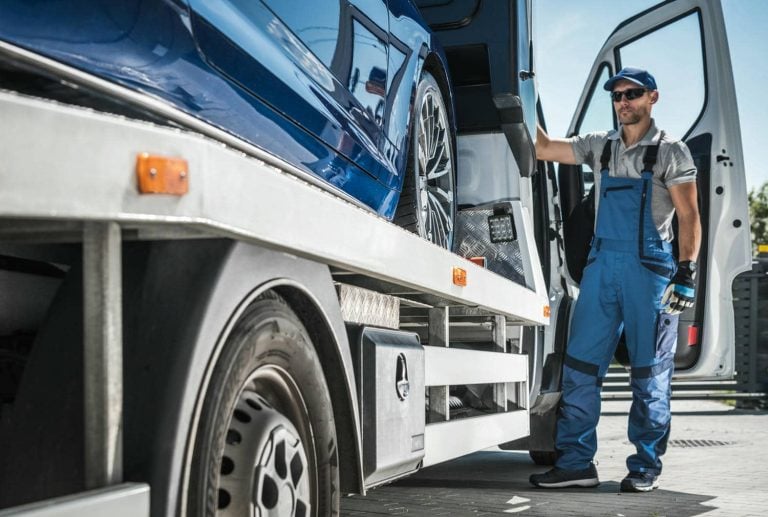
Preparing a car for transport takes about an hour and prevents nearly every common shipping problem. The short version: wash it, empty it, photograph it, check for leaks, leave a quarter tank, disable the alarm, fold the mirrors, pick your transport type, and confirm the booking details. Below is the full checklist we walk every customer through before shipping a car across the country or across the state.
1. Wash Your Car Thoroughly
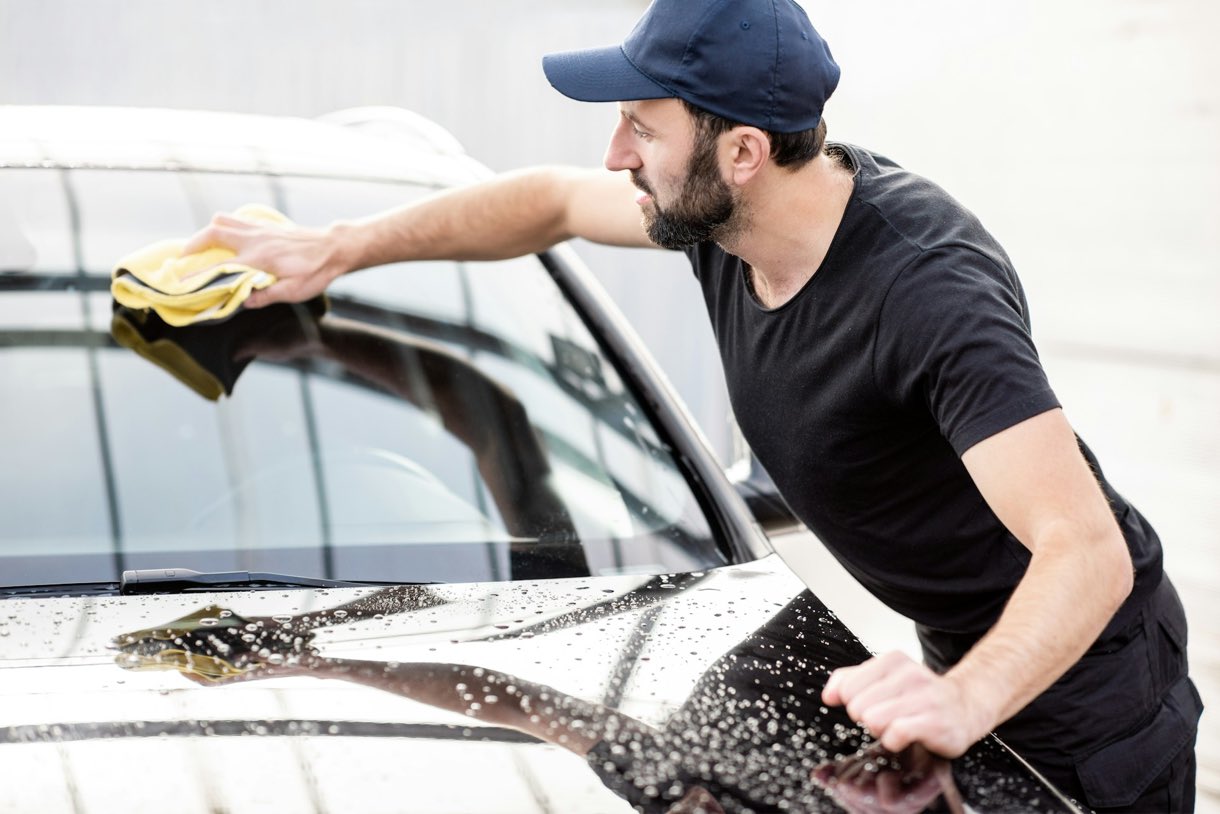
A clean car makes the pickup inspection accurate. Dirt hides scratches and dings, and the inspection on the bill of lading is the baseline your delivery condition is compared against. Wash the exterior, and wipe down the interior while you are at it; the driver walks the car with you at pickup, and a clean panel leaves no room for argument later.
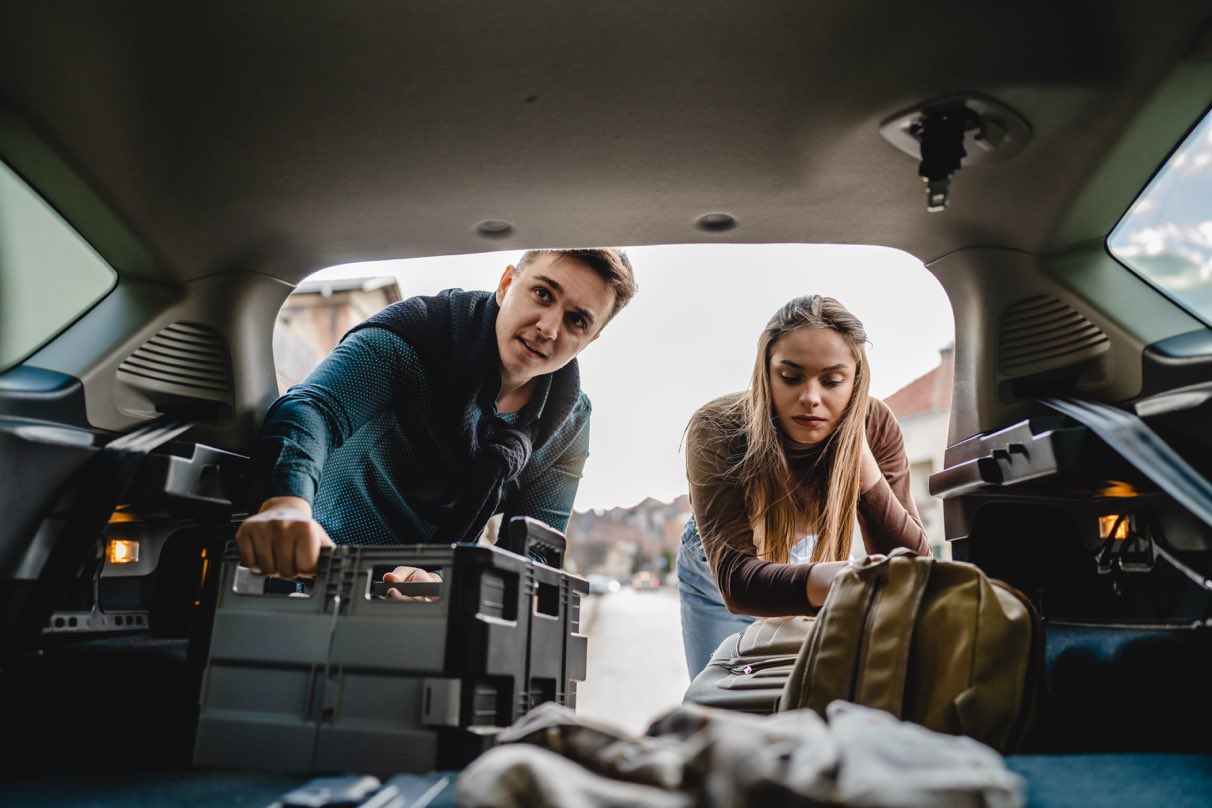
2. Remove Personal Items from the Vehicle
Take out everything that is not bolted down: electronics, documents, chargers, toll transponders, parking passes, and anything in the trunk beyond the spare, jack, and mats. Personal items are not covered by the carrier’s cargo insurance, they can shift and cause damage in transit, and added weight matters on a loaded trailer.

3. Check for Leaks or Mechanical Issues
Look under the car for active leaks and fix what you can before pickup; a dripping vehicle on an upper deck rains on the car below it. Confirm the battery holds a charge and the brakes work, since the car needs to start, steer, and stop to load. If it will not run, that is fine, but say so at booking so a winch-equipped carrier is dispatched.
4. Document the Condition of Your Vehicle
Photograph the car from all four corners plus close-ups of wheels, bumpers, and mirrors, with time stamps. Note existing damage in writing. The driver documents condition on the bill of lading at pickup and again at delivery; your photos back that record, and in the rare event of a claim they are the evidence that settles it quickly.
5. Check Your Fuel Levels
Leave no more than a quarter tank. That is plenty for loading, unloading, and delivery-day driving, and it keeps unnecessary weight off the trailer. A full tank adds real pounds and, in hot weather, unnecessary vapor pressure.
6. Disable the Alarm System
Vibration on a moving trailer triggers alarms, which drains your battery and stops the whole truck. Disable the alarm and any motion-sensitive security features, and tell the driver about kill switches, GPS immobilizers, or app-based access the carrier might encounter.
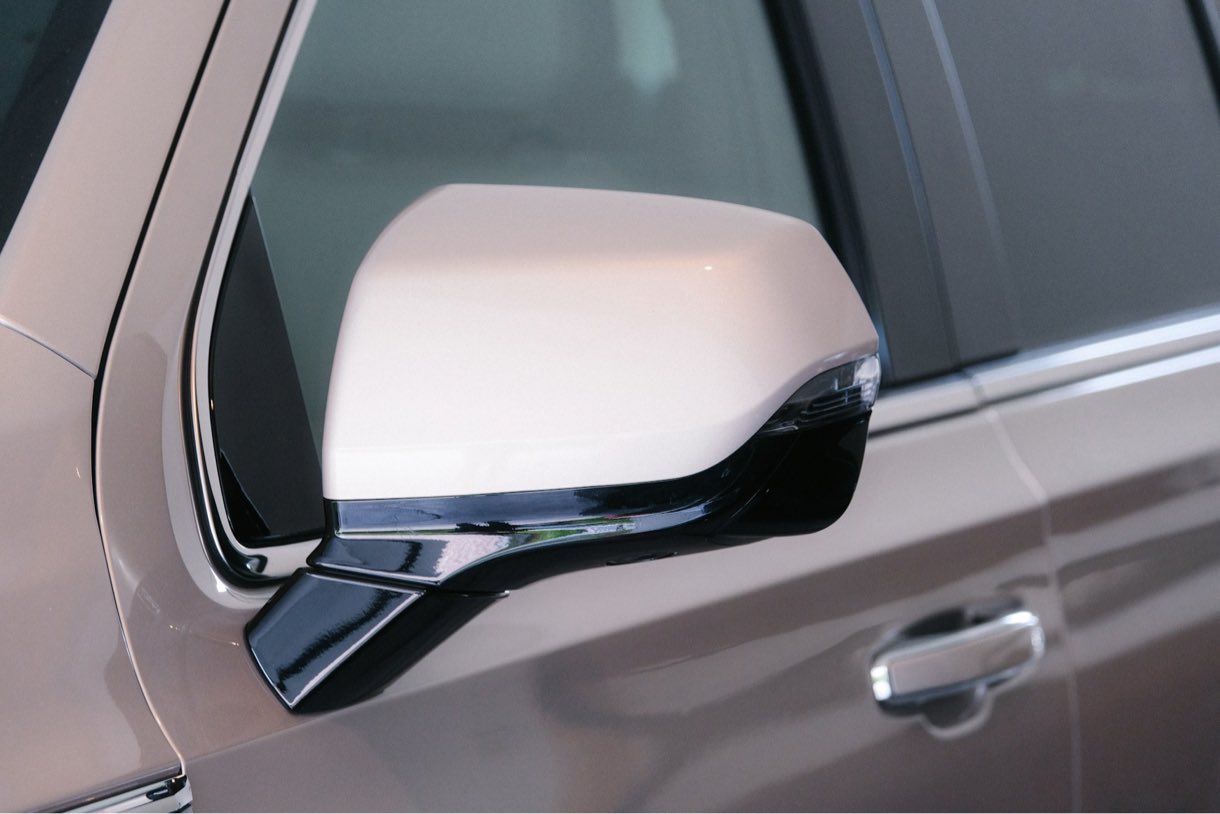
7. Remove or Fold Side Mirrors and Antennas
Fold the mirrors, retract or remove the antenna, and take off aftermarket add-ons like bike racks or spoilers that were not designed for highway wind at trailer height. Anything that protrudes is the first thing to catch a strap or a branch.
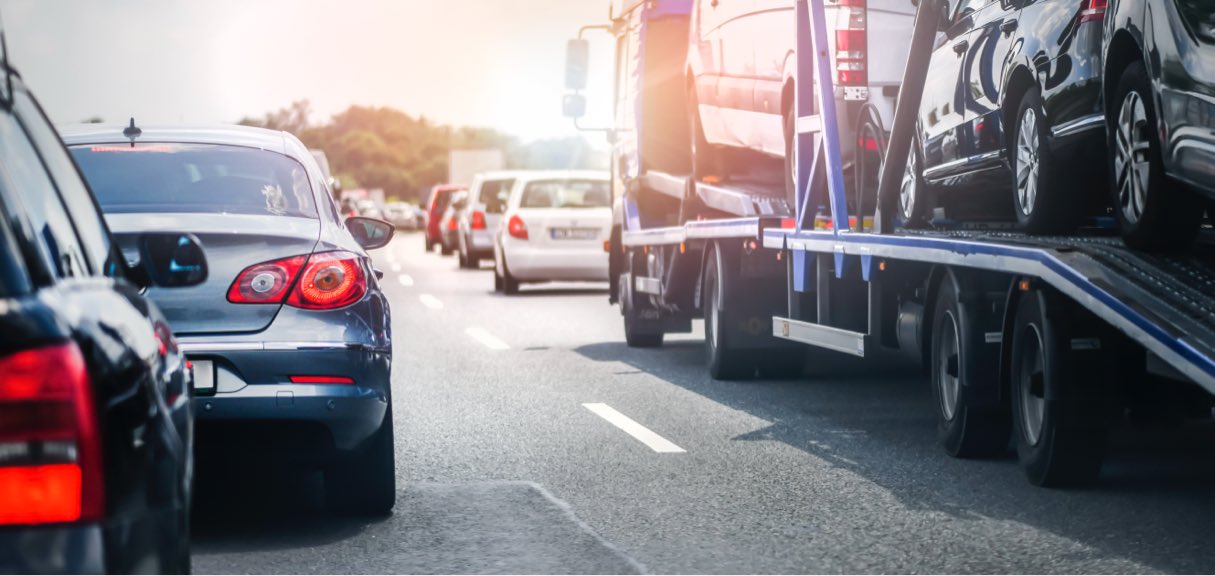
8. Understand the Shipping Options
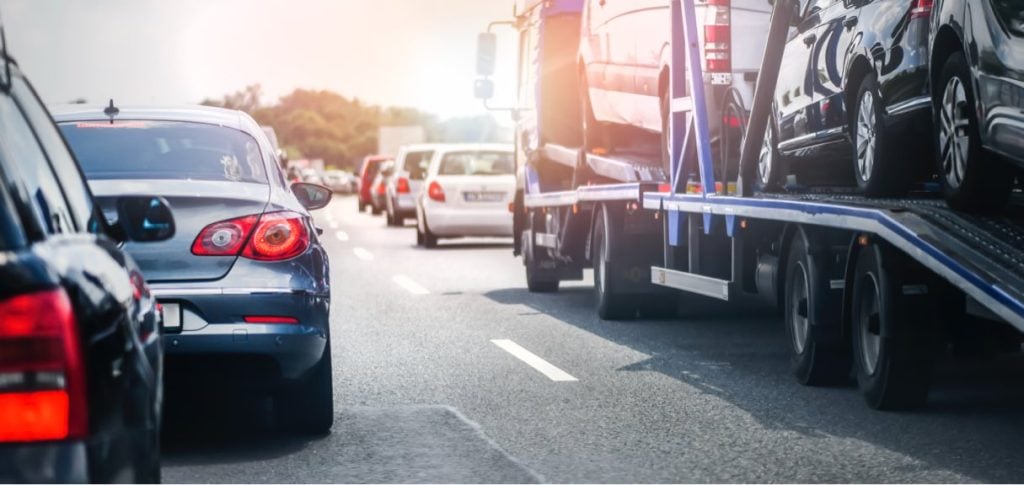
Open transport is the standard and the best value for daily drivers. Enclosed transport costs roughly a third more and is the right call for classics, exotics, and new vehicles that warrant full protection from weather and road debris. Choosing before you book means your quote matches the service you actually want.
9. Verify Your Shipping Details
Before pickup day, confirm the pickup and delivery addresses and contacts, your phone number, and the pickup window. Know your driver’s name and number (provided before arrival), and plan where the truck can safely stop; a wide street or nearby lot beats a tight cul-de-sac. Two minutes of confirmation prevents the delays that actually derail shipments.

Conclusion: Why Ship A Car, Inc. Is the Best Choice for Your Car Shipping Needs
Run this checklist and your car ships the way it should: accurately documented, safely loaded, and delivered in the condition it left. Ship A Car, Inc. handles the rest as a licensed, bonded FMCSA broker (USDOT 2303542, MC 784930): vetted and insured carriers, one coordinator from quote to delivery, and no payment until your carrier is confirmed. Price your move with the auto transport calculator or call (866) 821-4555, and see the full printable version on our shipping checklist page.
Car Shipping Checklist FAQs
Q: How do I prepare my car for shipping?
A: Clean it, remove personal items, check for mechanical issues and leaks, and document its condition with photos. Keep the fuel tank at or below a quarter full and disable the alarm system. For more information, please refer to our car shipping checklist here.
Q: What is the difference between open and enclosed car transport?
A: Open car transport is a cost-effective option where your vehicle is shipped on an open carrier. Enclosed car transport provides additional protection by shipping your vehicle in a fully enclosed carrier, ideal for high-value or classic cars.
Q: How do I track my car during transport?
A: You receive your driver’s name and phone number before pickup, and your Ship A Car coordinator provides updates at key milestones or whenever you ask, so you always know where your vehicle is.
Q: Is it safe to ship my car across the country?
A: Yes. Ship A Car, Inc. works with licensed and insured carriers, your vehicle’s condition is documented at both ends on the bill of lading, and you inspect the car before final payment at delivery.
Q: How much does it cost to ship a car?
A: The cost depends on distance, transport type, and vehicle size; as a general 2026 estimate, open transport runs about $0.84 to $2.05 per mile. Use our auto transport cost calculator or call us at (866) 821-4555 for an accurate quote tailored to your needs.