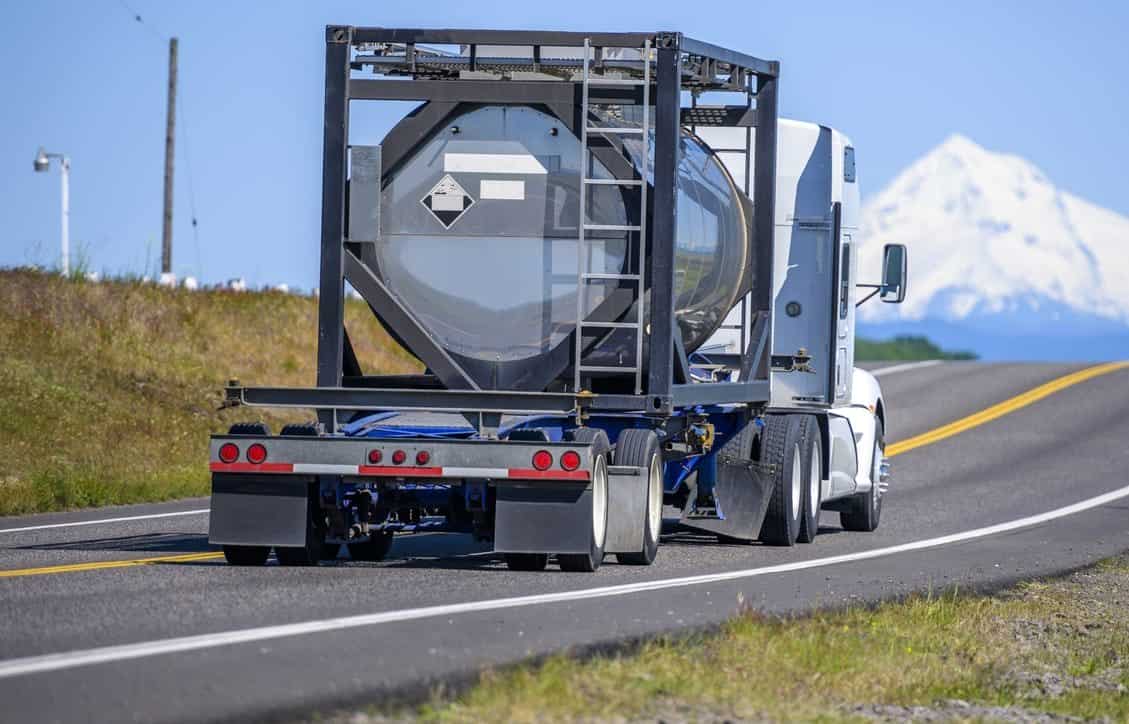
Transport Services for Specialized Freight
Nationwide transportation services for specialized equipment
Heavy Equipment and Freight, Moved Right
Specialized shipping starts with the right trailer. Ship A Car, Inc. arranges flatbed, step deck, double drop, Landoll and removable gooseneck transport for construction, mining and agricultural equipment, plus boats, RVs, containers, commercial trucks and full freight loads, through a freight desk that does nothing else. One coordinator prices the load from its real weight and dimensions, matches it to a vetted carrier, and stays your single point of contact from the first call to the signed delivery.
Oversize Handled End to End
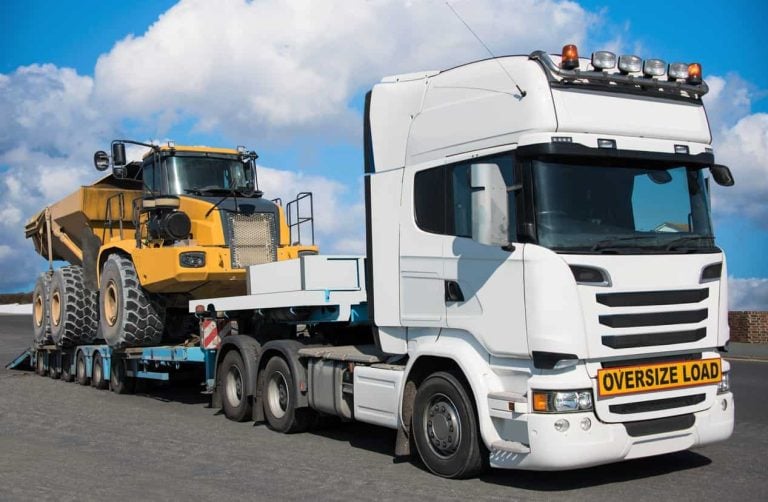
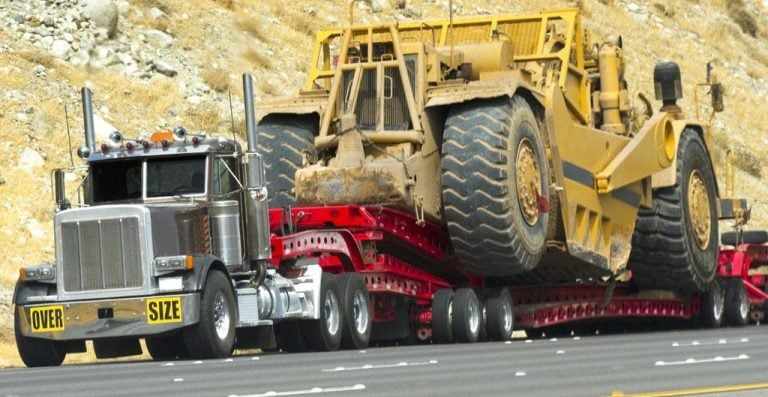
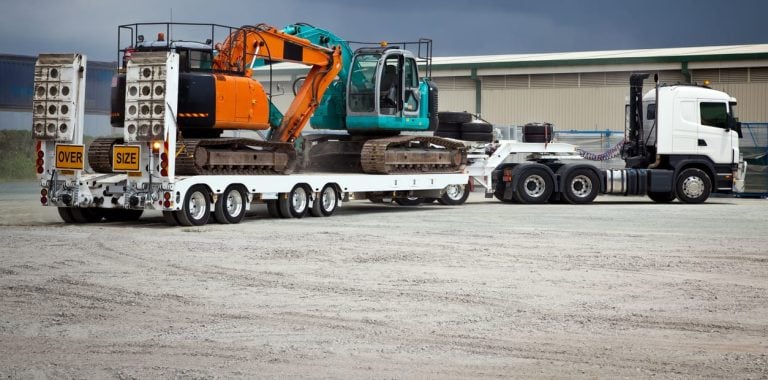
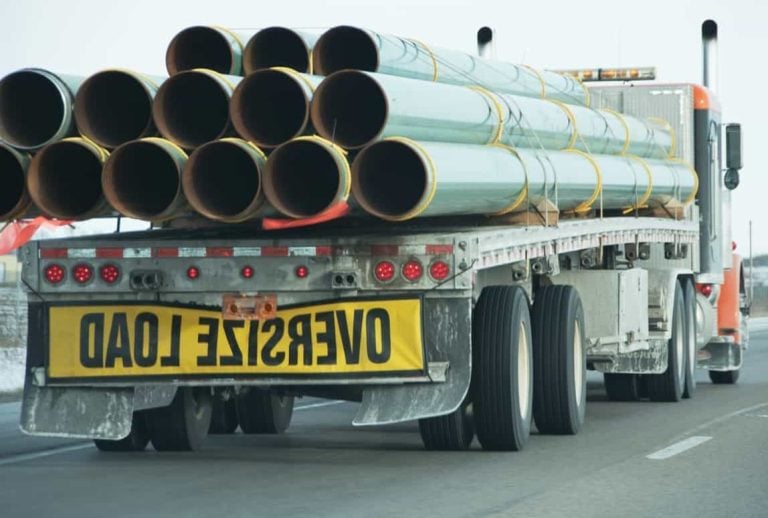
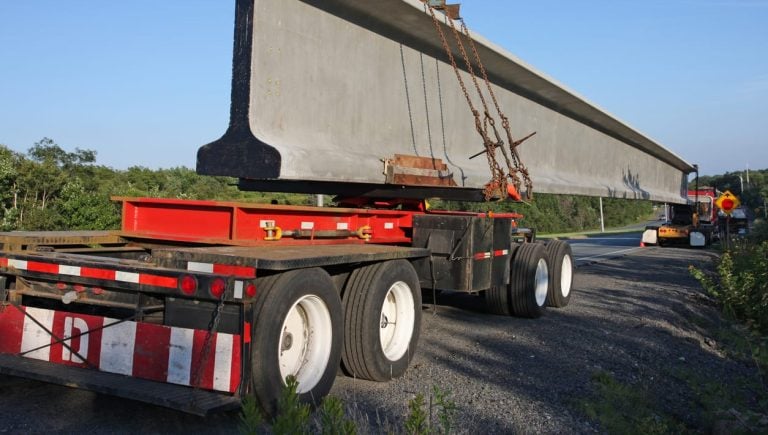
Anything over 8 feet 6 inches wide or 13 feet 6 inches tall is a permitted load, and most machines are. The carriers we place pull the state permits, arrange escort vehicles where a state requires them and plan a route around low bridges and restricted roads before the load rolls, and those costs are in your quote before dispatch. Get an instant estimate with our freight shipping cost calculator or call (866) 452-3657 to spec out your load.
Specialized Shipping Services
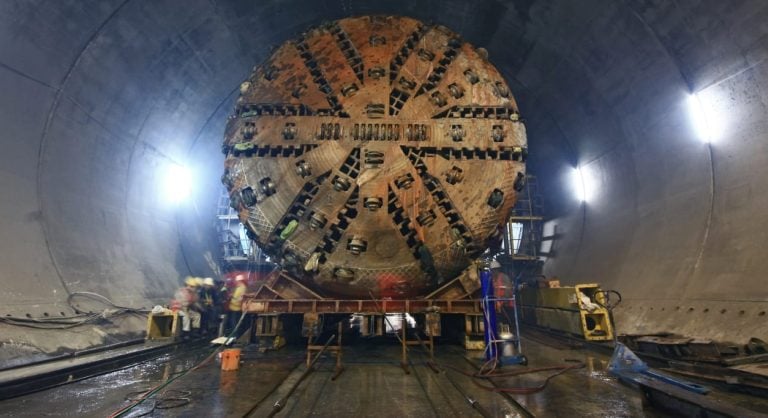
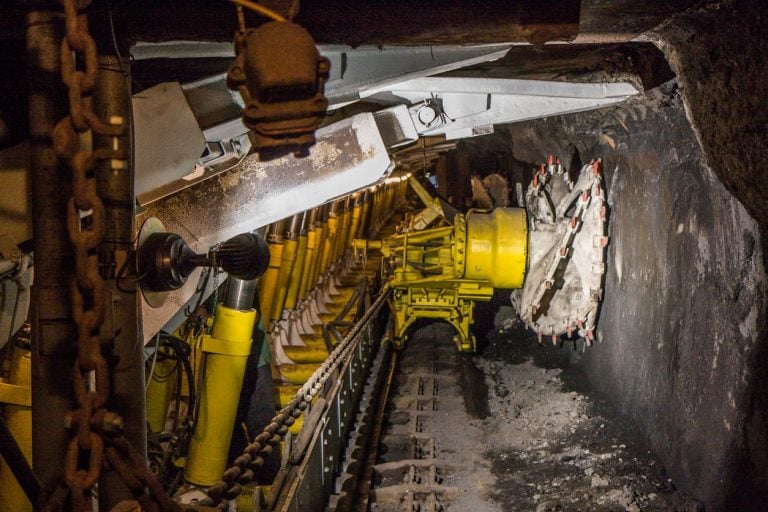
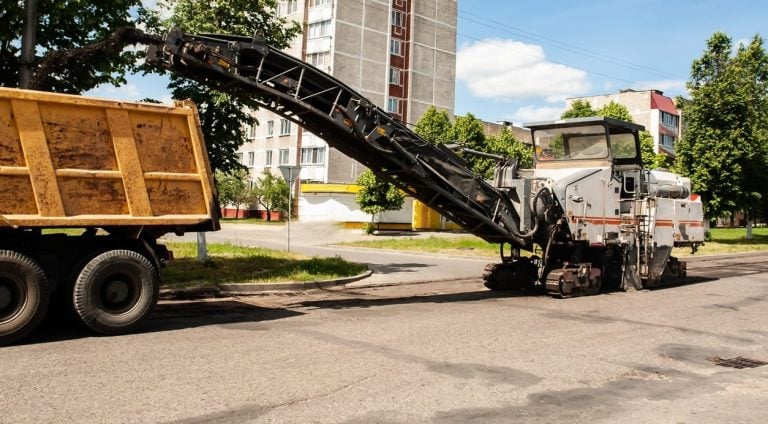
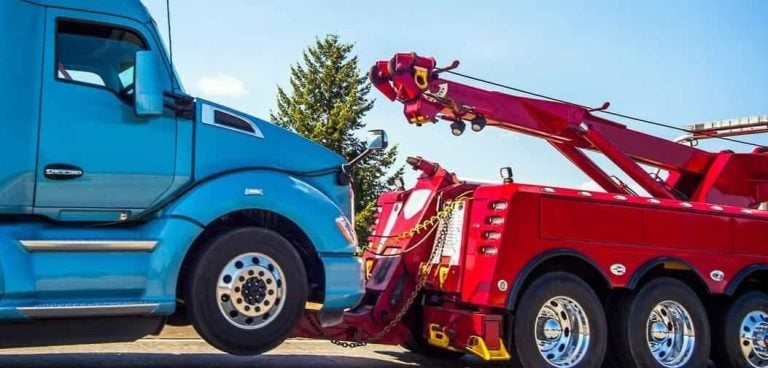
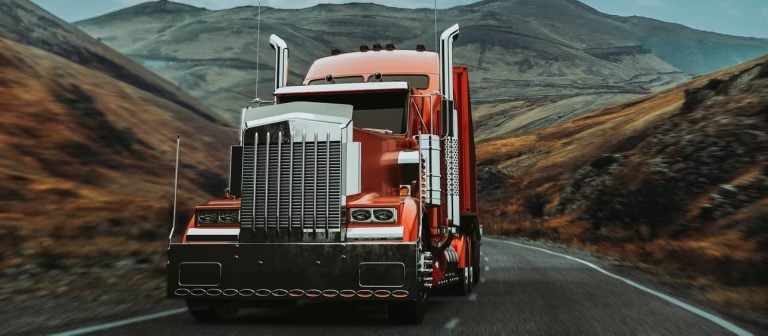
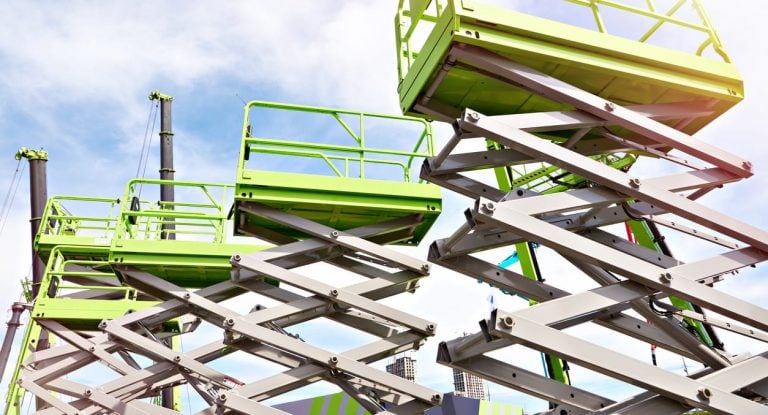
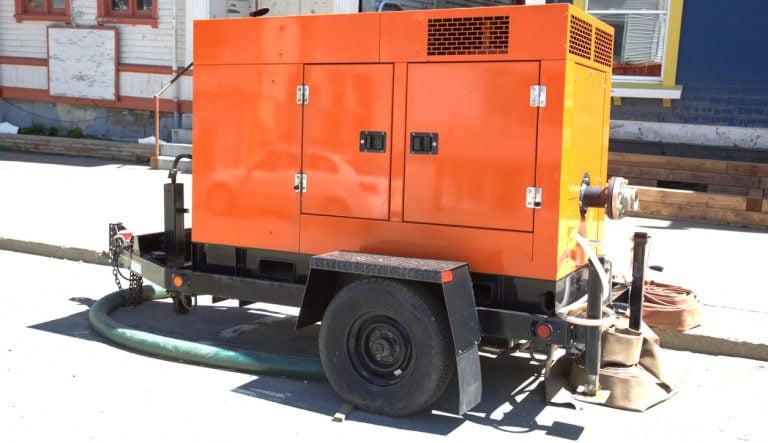
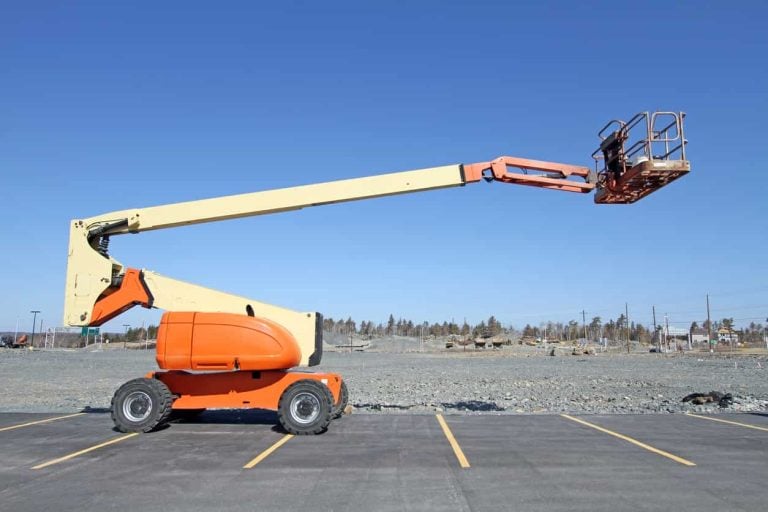
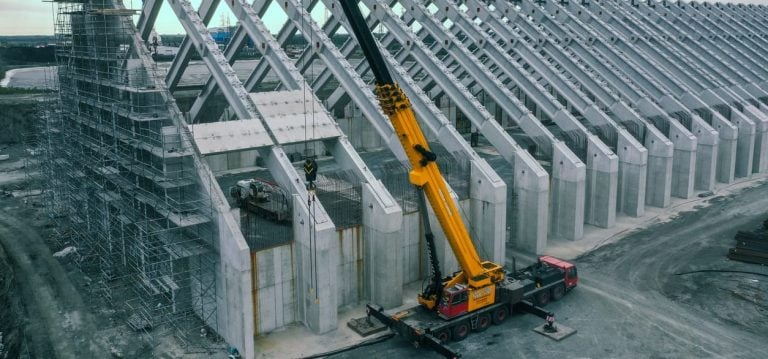
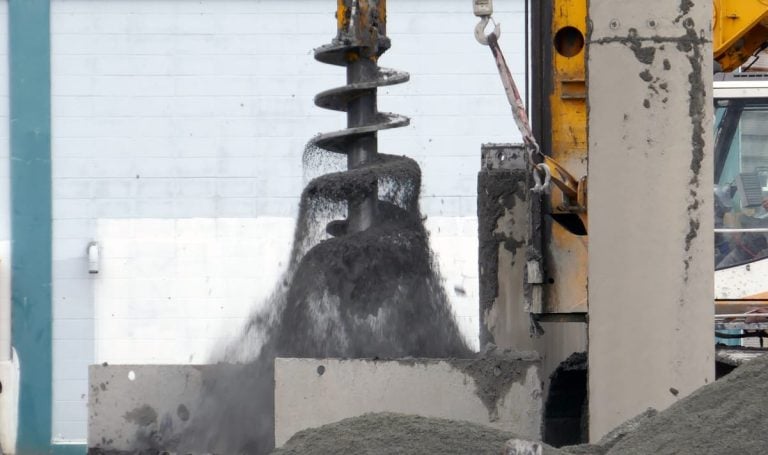
From backhoes to tunnel boring machines, the categories above cover the equipment we ship most, and the list keeps growing. Every load is handled the same way: one coordinator on the freight desk, vetted and fully insured carriers, permits and escorts arranged before dispatch, and no deposit until a carrier is assigned. If your machine or load is not shown, call (866) 452-3657 with the make, model and dimensions; additional services and expanded areas of coverage are available on request.
What We Move Most, and How Each Load Travels
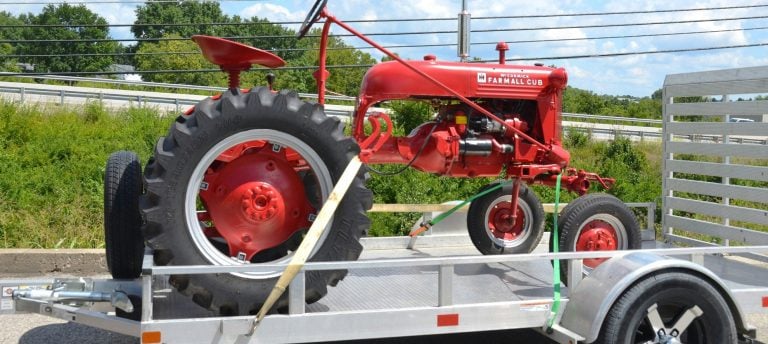
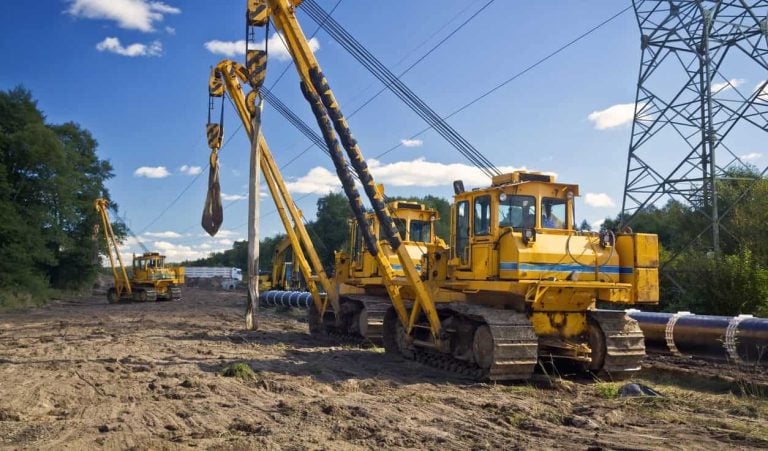
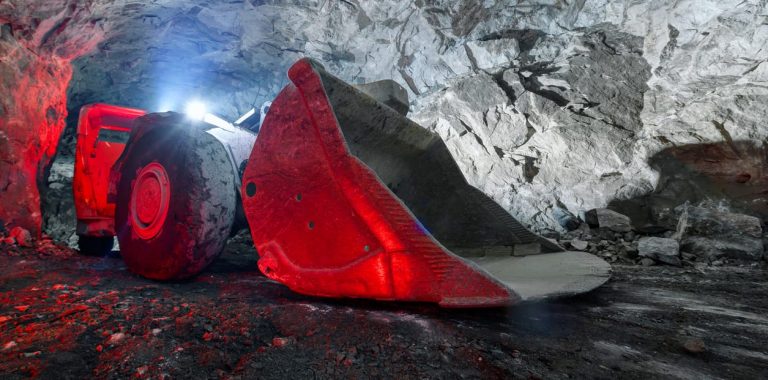
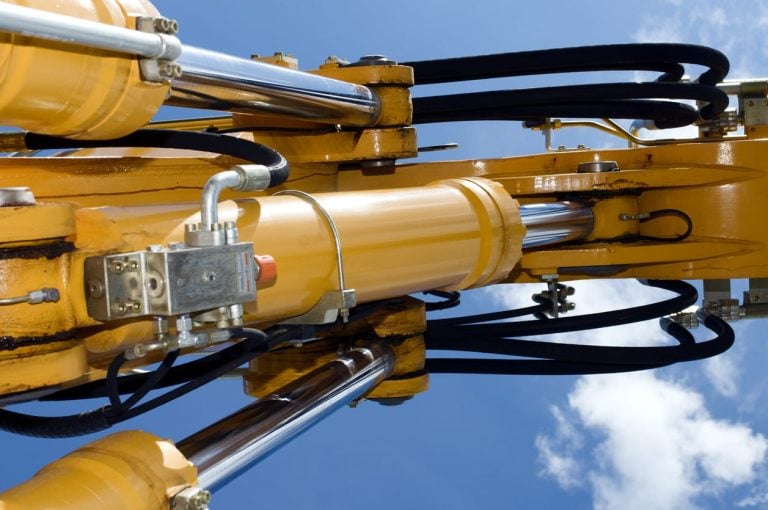
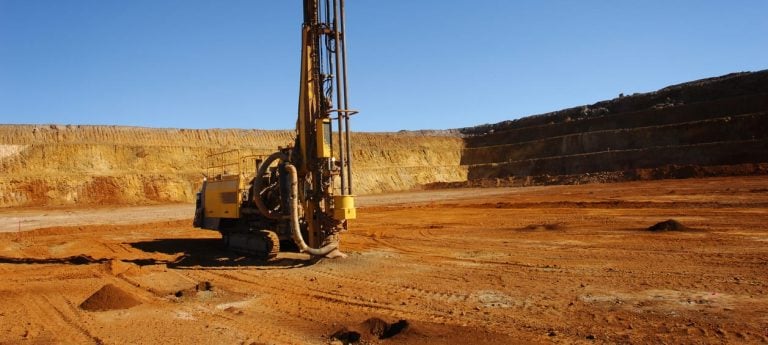
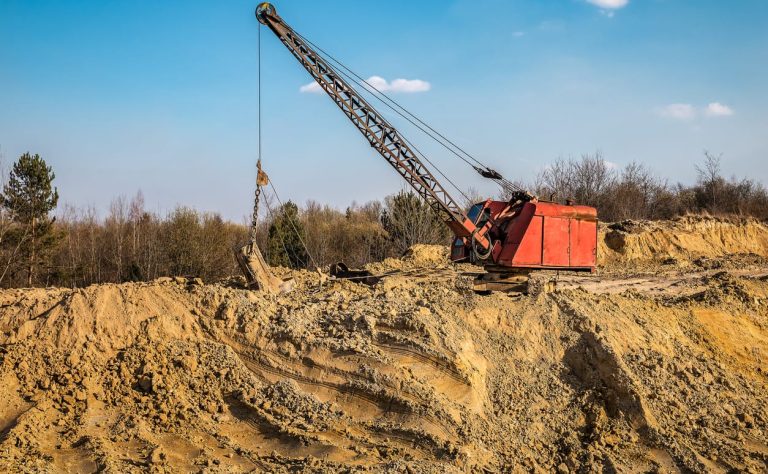
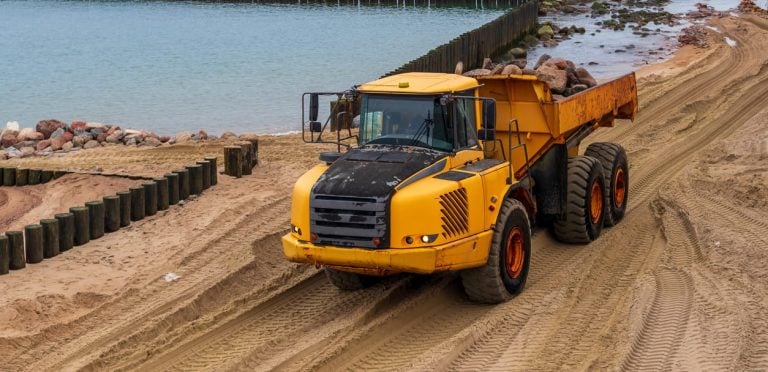
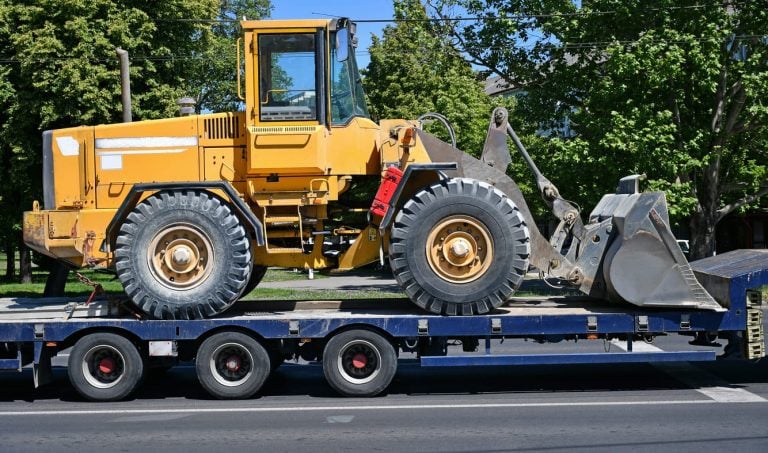
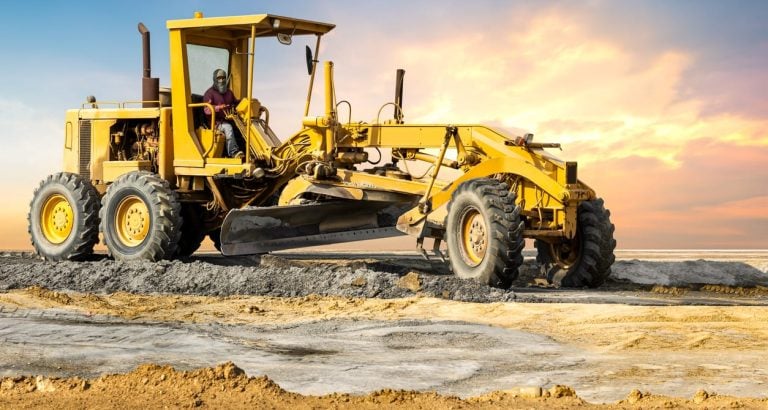
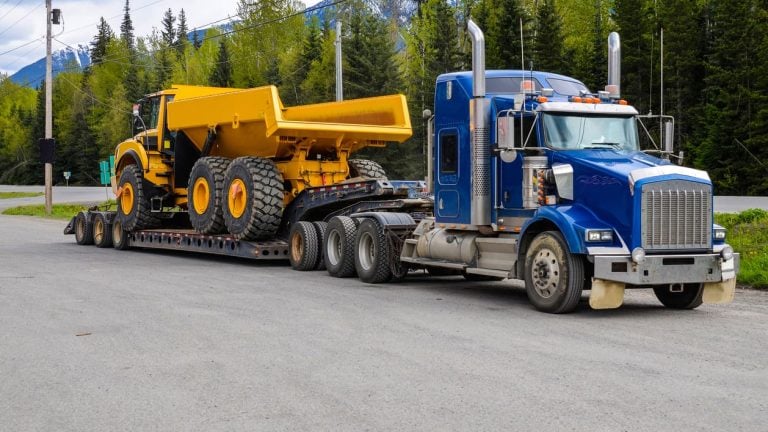
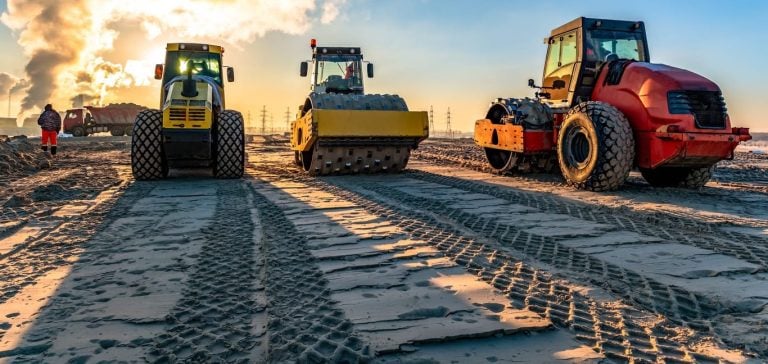
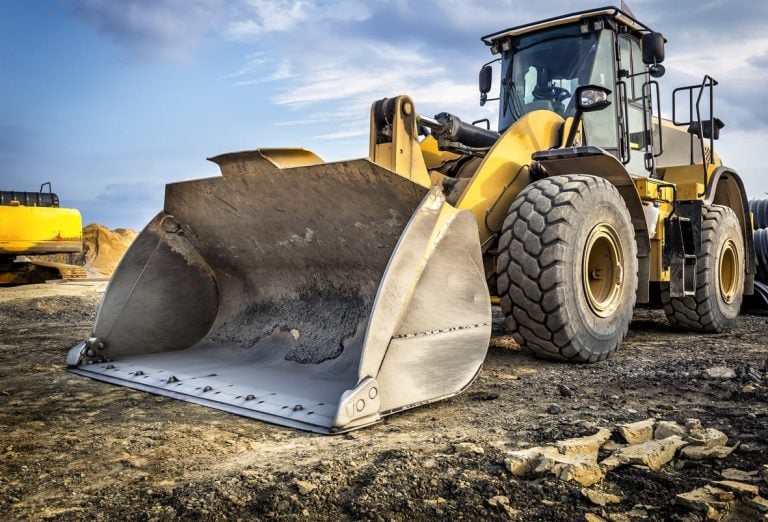
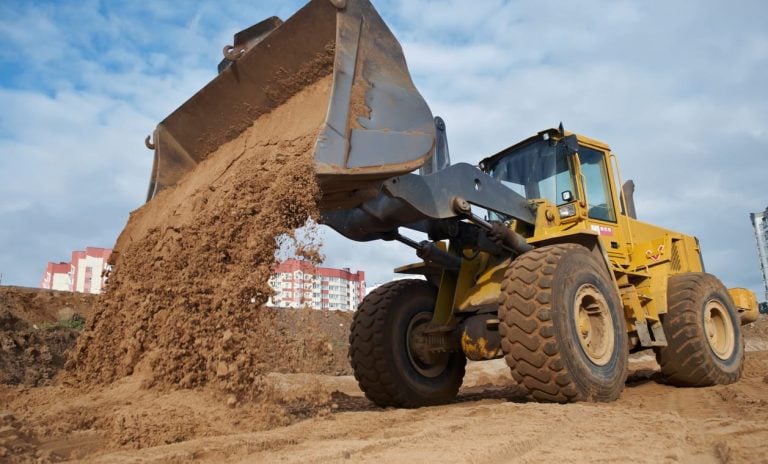
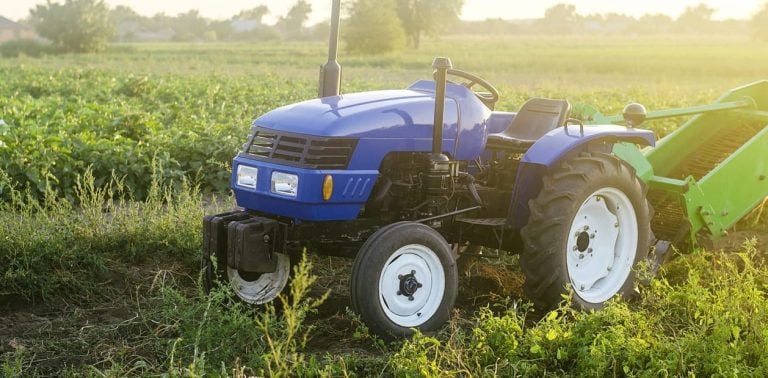
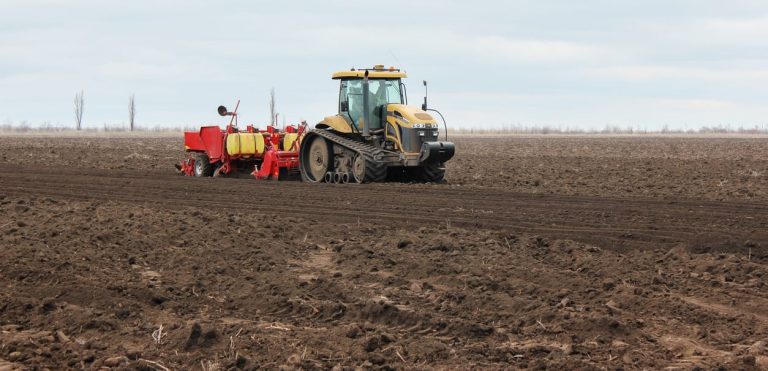
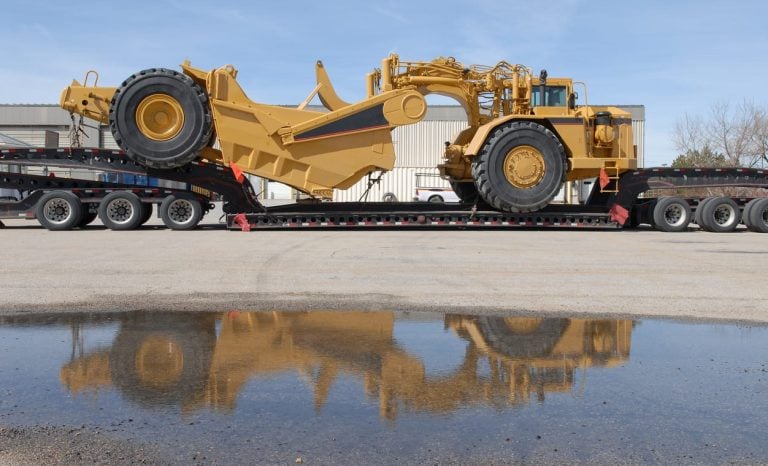
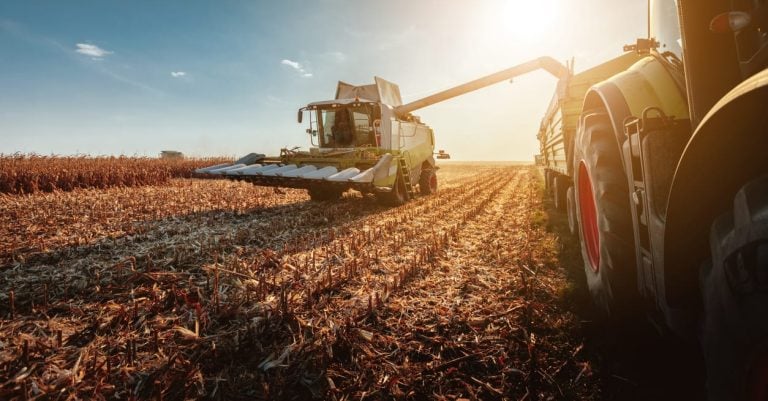
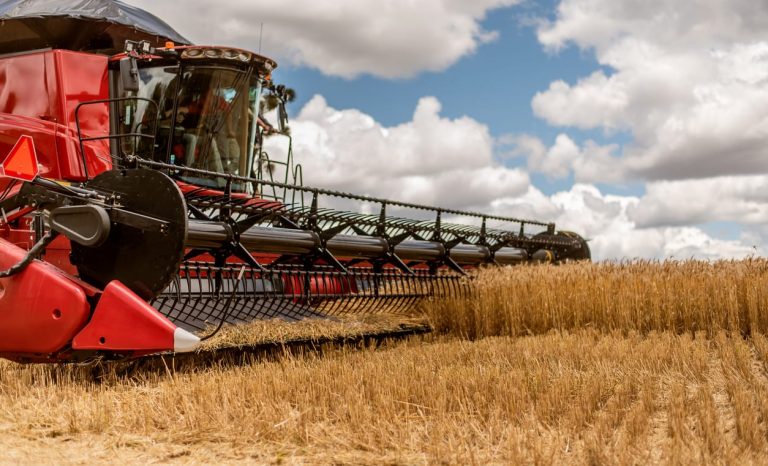
Equipment shipping is the core of the freight book: excavators, dozers, loaders, backhoes and skid steers on step decks, lowboys and removable goosenecks, with permits pulled for the wide ones. Tractors, combines and harvesters follow the crop calendar, with the header planned as its own load.
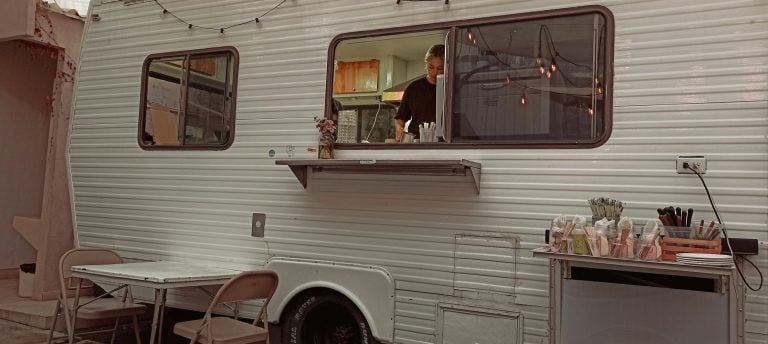
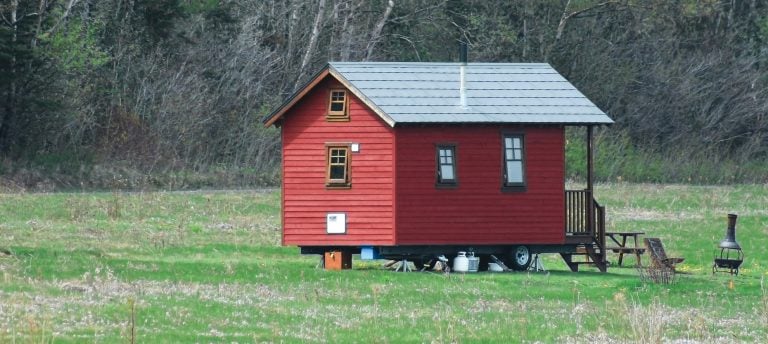
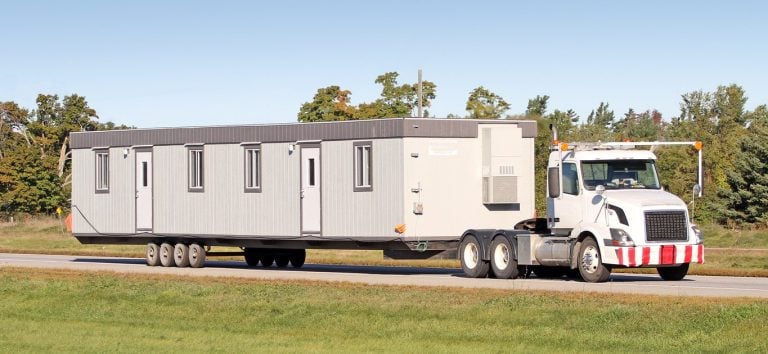
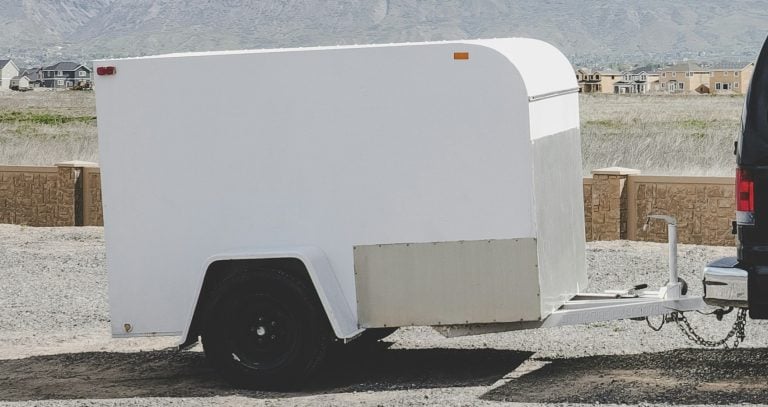
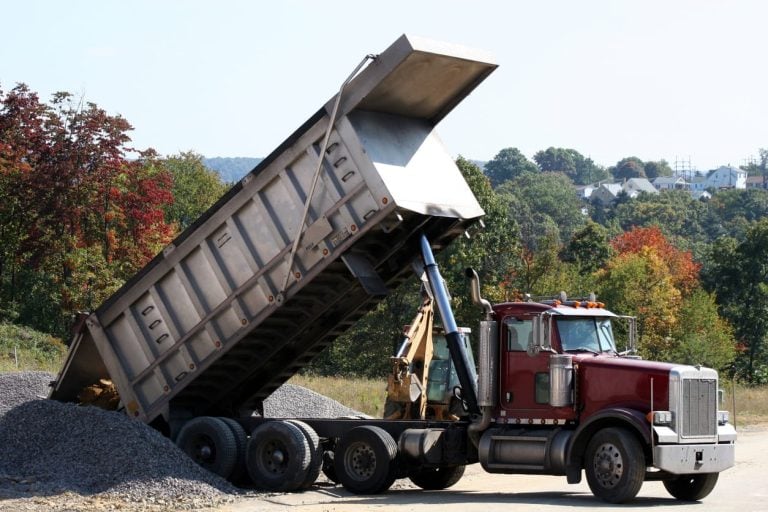
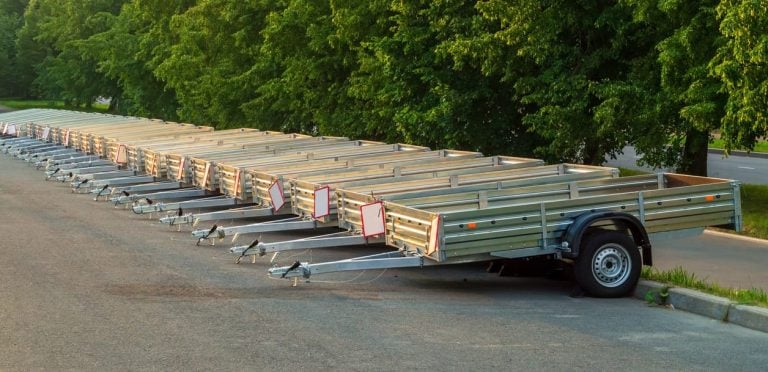
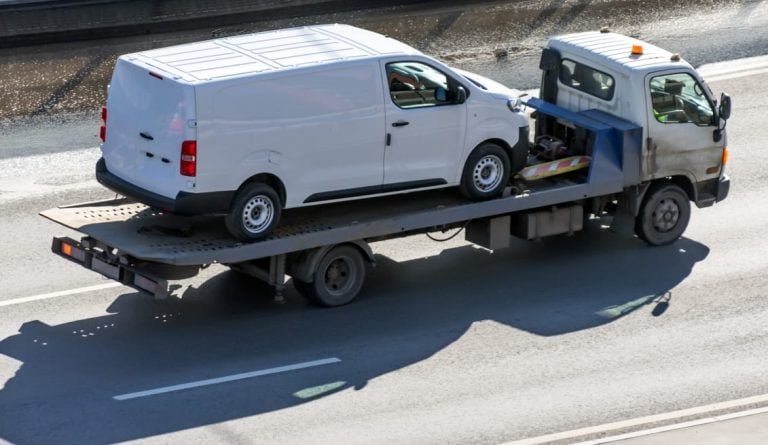
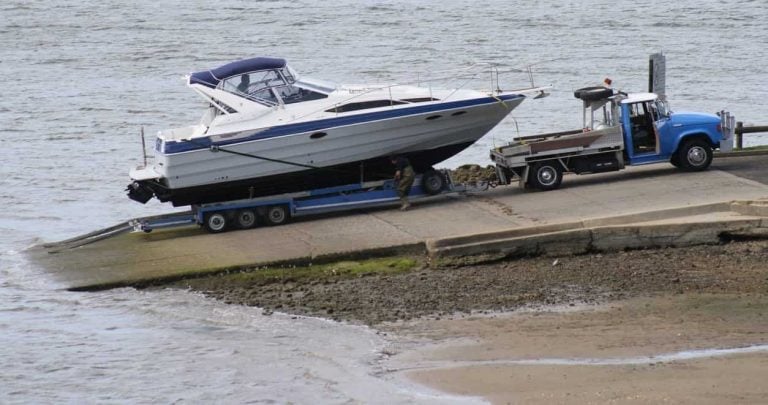
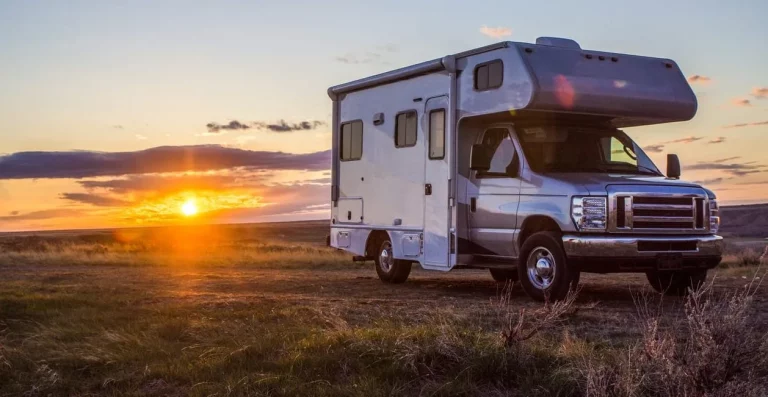
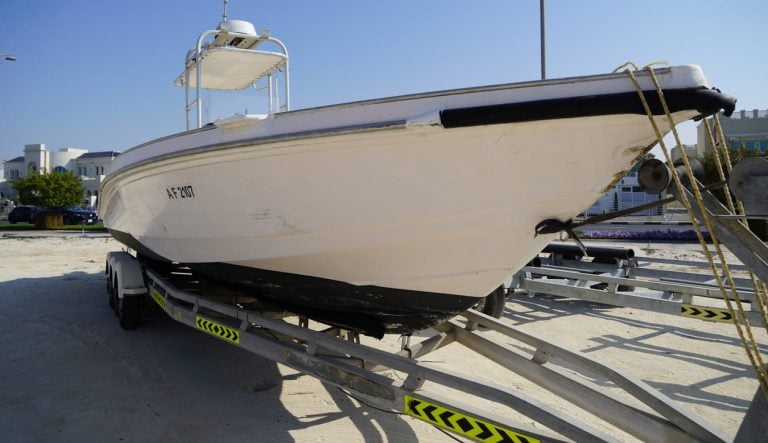
Trailer shipping covers utility, enclosed cargo, dump, horse and boat trailers, decked or towed by an insured driver when they are road legal. Boats and yachts ride their own cradles with the height and beam measured before dispatch, and campers, mobile homes and RVs move by tow, deck or driveaway depending on the unit.
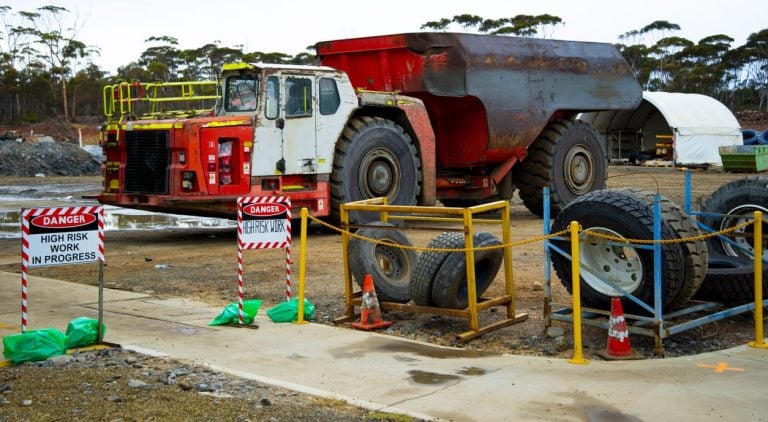
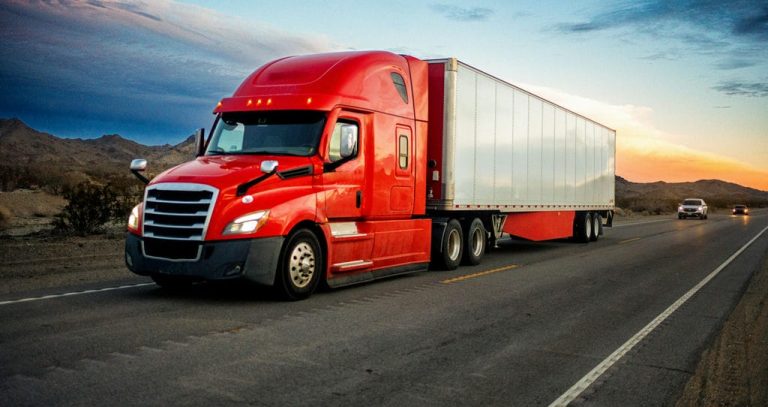
By trailer type, flatbed, step deck, double drop, removable gooseneck and Landoll each have a page explaining what fits and why. Shipping containers land on blocks without a crane, driveaway service puts a licensed driver behind the wheel of a truck that is cheaper to drive than to haul, and oversized and heavy equipment covers the multi load projects. Before you call, our guides to wide vs oversize load rules and moving heavy construction equipment cover the permits, the trailers and what drives the price.
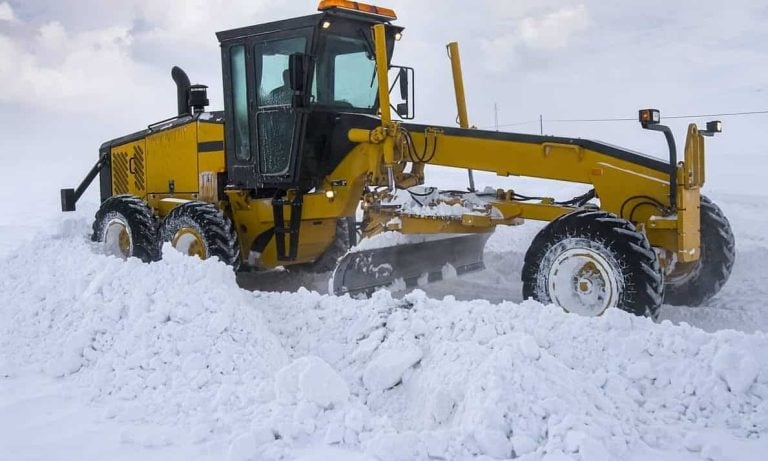
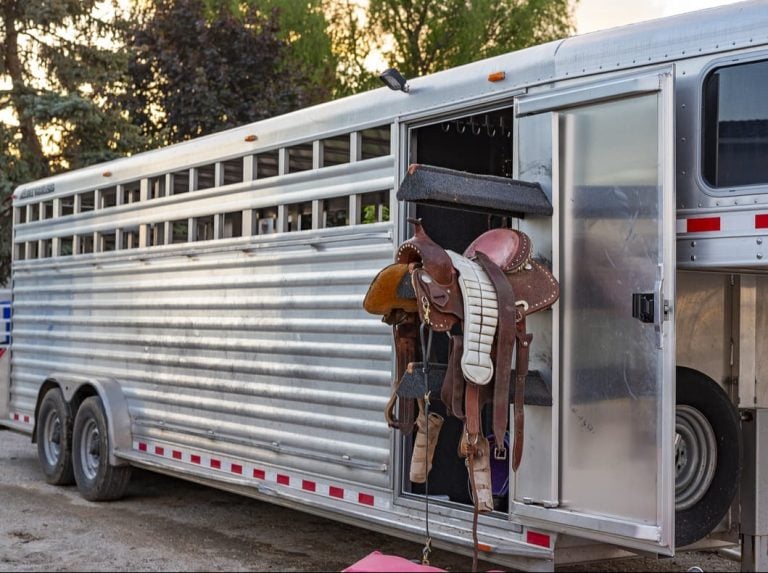
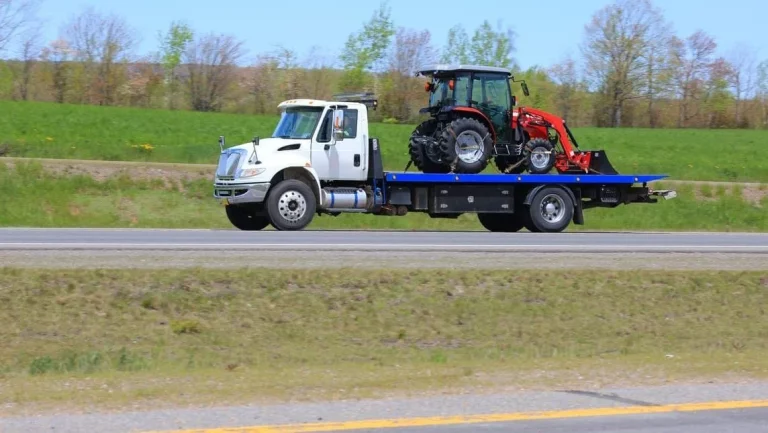
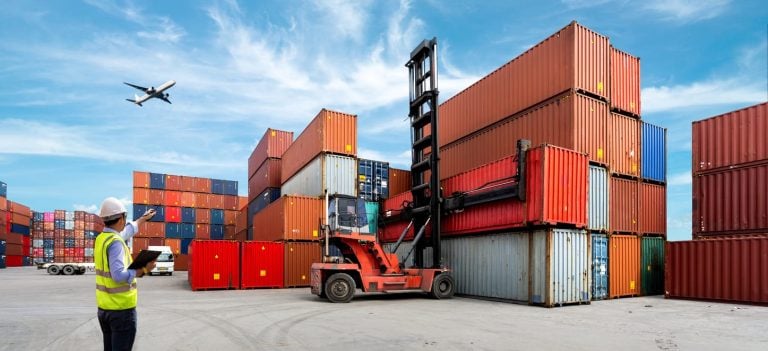

Choosing the Trailer
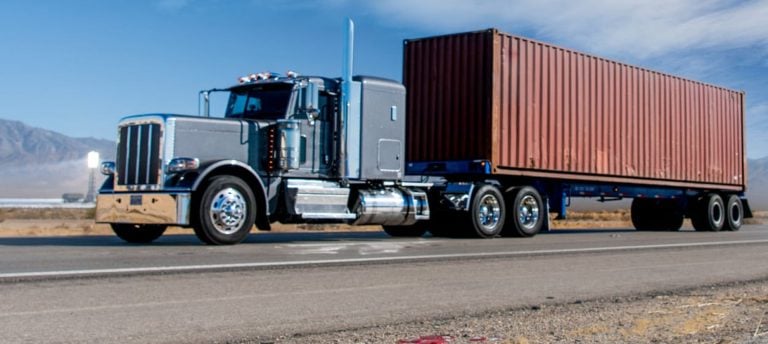
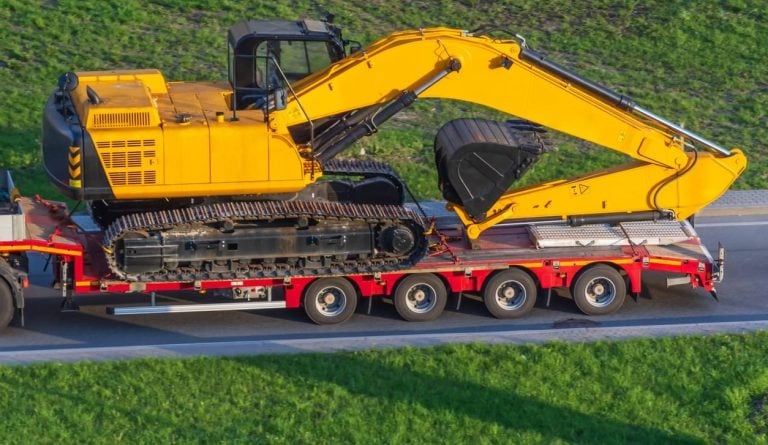
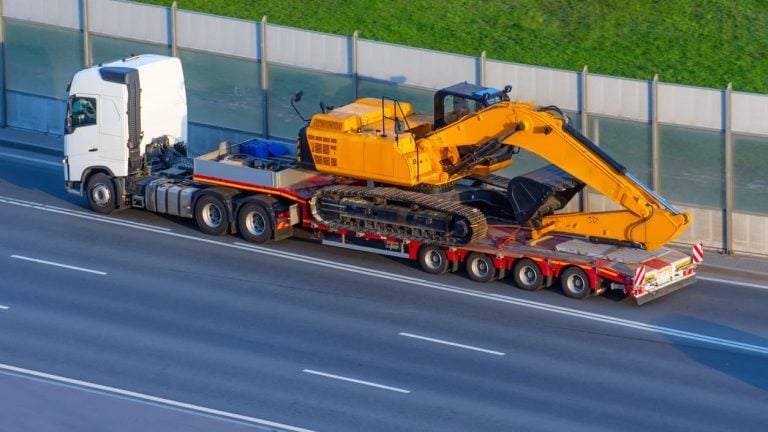
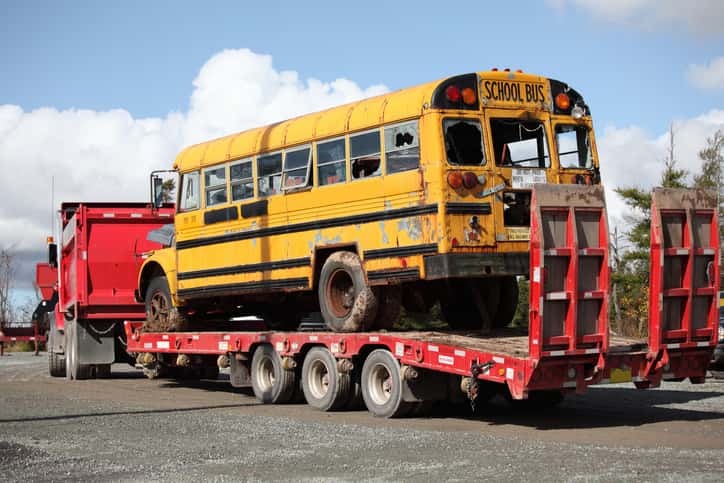
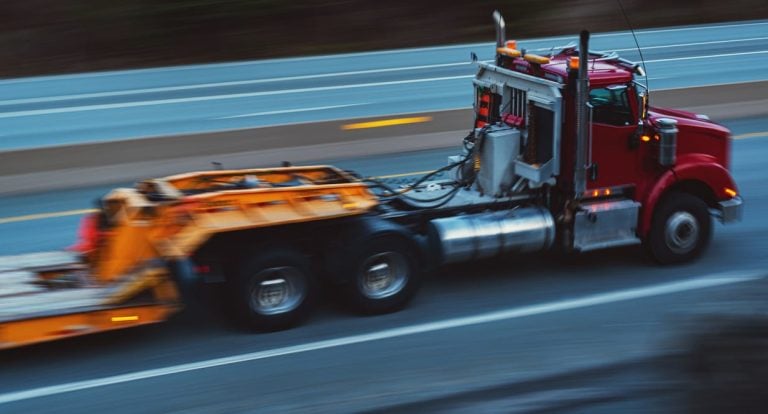
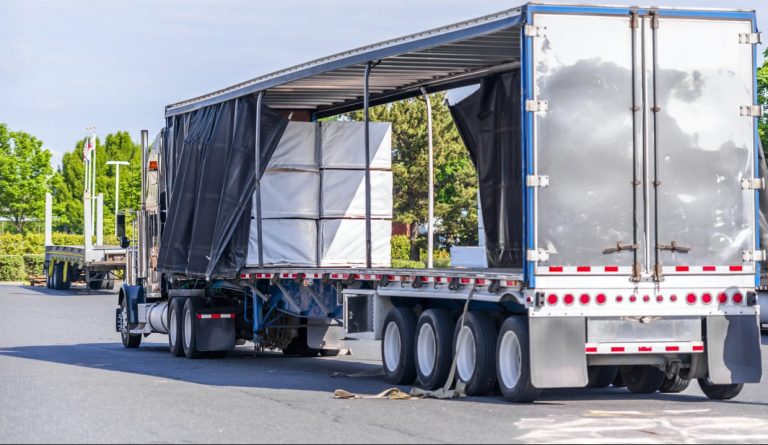
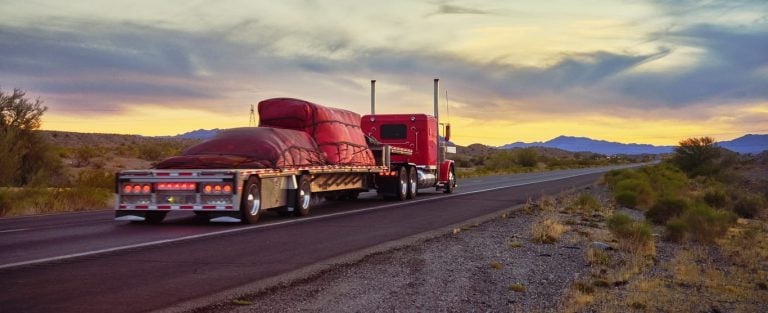
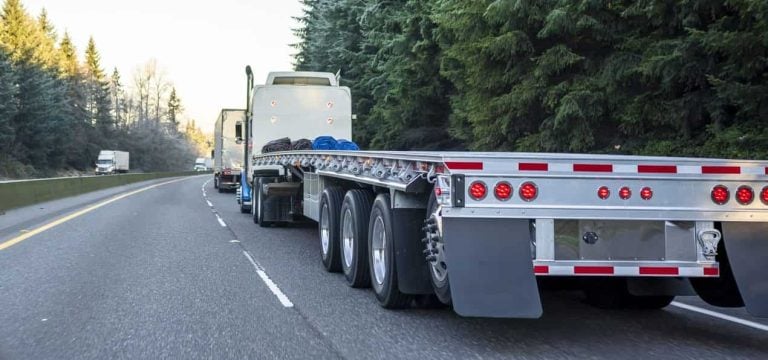
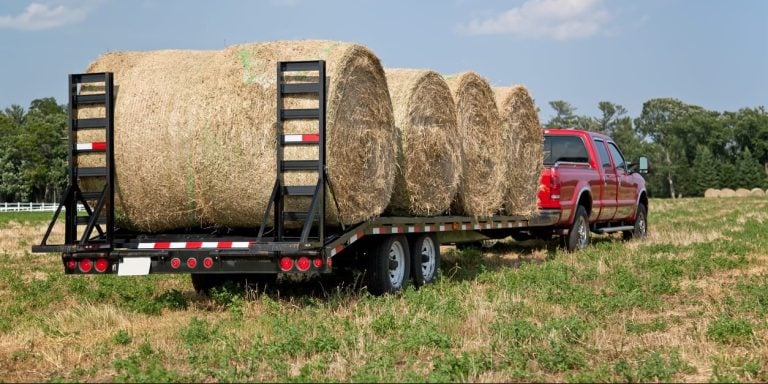
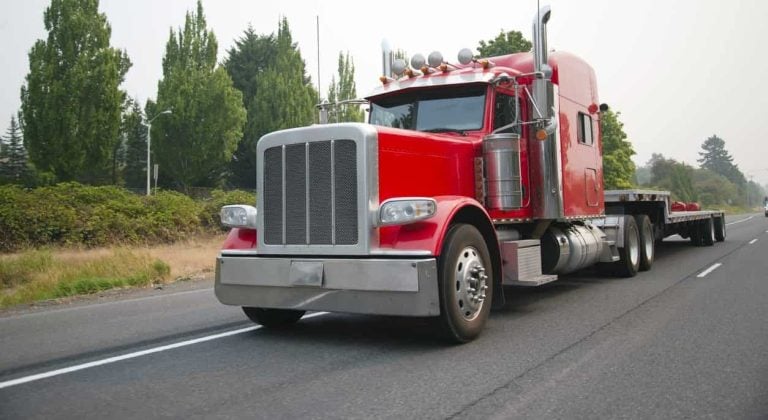
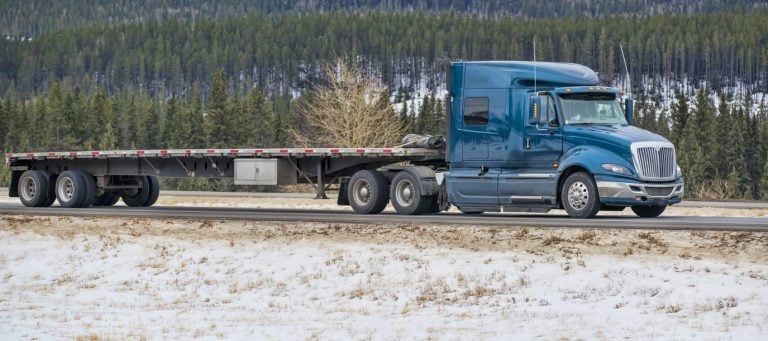
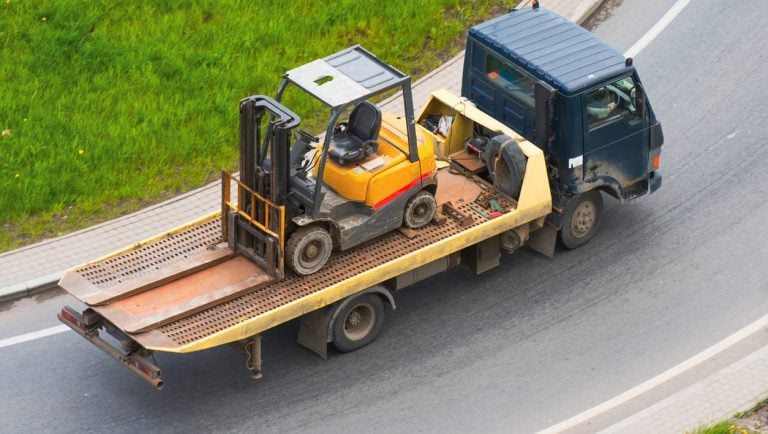
The trailer follows the load, and the choice decides the permits and the price. A flatbed carries legal freight up to about 8 feet 6 inches tall and loads by forklift, crane or ramps. A step deck drops the main deck to about 3 feet 6 inches and carries about 10 feet of legal height, which is why most wheeled equipment and tall crated freight rides there. A double drop puts the load in a well 18 to 24 inches off the pavement for pieces up to about 11 feet 6 inches tall. A removable gooseneck detaches at the front so tracked and heavy machines walk on under their own power, and adds axles as the weight climbs. A Landoll tilts to the ground and winches on containers and dead machines that cannot use ramps. Hot shot goosenecks behind a medium duty truck move a single light machine fast. Your coordinator settles the trailer from the spec sheet on the first call, not on pickup day.
Permits, Escorts and Fifty Rule Books
Every state writes its own oversize rules. Width over 8 feet 6 inches needs a permit everywhere, escort vehicles typically appear somewhere between 12 and 14 feet depending on the state and the road class, and several states add daylight only travel, height poles, or weekend and holiday bans. Weight permits stack on top when the combination passes 80,000 pounds gross. A load crossing three states needs three permits that agree on one route and one set of travel windows, and that coordination is done and confirmed before the truck is dispatched. Some machines are cheaper to move partially dismantled, with the blade, the counterweight or the header on a second flatbed at ordinary rates, and the coordinator runs the numbers both ways.
How a Freight Booking Works
You give us the make and model or the dimensions and weight, whether the machine runs, what loading equipment waits at each end, both addresses and your dates. Your coordinator prices the job, confirms the trailer and the permit plan, and assigns a vetted carrier; no deposit is taken until then. At pickup the driver and your operator load the machine, the driver secures it to the federal cargo rules, and both sign the bill of lading with the condition and the hour meter recorded. At delivery the receiving party inspects against the same document before signing. Machines drive on under their own power, so someone who can operate the equipment has to be at both ends, or the driver has to be cleared to do it.
What Drives a Freight Quote
Weight and dimensions decide the trailer and the axle count. Width, height and gross weight decide the permits and the escorts. The lane decides the miles and how far the carrier travels to reach you. The loading situation at each end decides whether a crane or a rigging crew is part of the job. And the schedule decides how much room your coordinator has to pair the load with a truck already running your route. Freight is quoted per job because every one of those changes with the load; the freight shipping cost calculator gives a starting figure and the coordinator firms it before dispatch, with the permits and escorts included.
Preparing Equipment for Transport
Clean the packed soil out of the undercarriage; it hides wear, adds weight, and several states inspect incoming machines for soil and plant material. Lower blades, buckets and booms to the transport position, fold or pin anything that swings, remove or secure loose attachments, and leave about a quarter tank of fuel for loading and unloading. Photograph every side, the hour meter and the serial plate. Tell the coordinator about a machine that does not run, steel tracks that cannot cross pavement, a battery disconnect or a security lockout, and about soft ground, gates and overhead lines at either end. Every attachment shipping loose is written on the bill of lading so nothing is left behind.
Common Questions About Specialized Freight
Does my machine need a permit? If it is over 8 feet 6 inches wide or 13 feet 6 inches tall on the trailer, or the combination is over 80,000 pounds, yes, and the coordinator prices the permits into the quote.
What if it does not run? A winch equipped trailer, a Landoll or a machine assist at the site loads it, arranged before the truck arrives.
Do I need a crane or a forklift at delivery? For drive on machines, no. For skids, crated freight and containers, either the receiving end supplies it or a Landoll does the job.
Can several machines ship together? Yes, and a fleet move is priced as one job with one coordinator holding every load.
Is the load insured? Yes, by the assigned carrier’s cargo policy, which we verify before dispatch, and the condition on the bill of lading is what a claim is paid on.
Do I pay a deposit? No. No payment is taken until a carrier has been assigned to your load.
Get a Quote
Have the make and model or the dimensions and weight, both addresses and what lifting equipment is at each end, then start with the freight shipping cost calculator or call (866) 452-3657 to reach the freight desk. Cars, pickups and powersports vehicles go through the auto desk at (866) 821-4555. If you would rather write than call, the contact page reaches a coordinator directly. No deposit is taken until your carrier is assigned.
