
October 11, 2023
How to Save Money on Your Car Shipping Costs Without Sacrificing Quality
Pushing a broker below the going rate usually backfires: nobody accepts the load, and days later the price comes back up anyway.
Select category
Pushing a broker below the going rate usually backfires: nobody accepts the load, and days later the price comes back up anyway.

How auto transport payment works: deposits, delivery balances, accepted methods, and inspecting before you sign and pay.

Whether you are relocating to a state across the country or you are just going on vacation, you need to know the proper way to conduct a move over such a long distance. This comprehensive guide will provide you with all you need to know for a smooth, safe, and secure shipping experience.

How to select a commercial delivery vehicle: payload limits, loading efficiency, real running costs, and electric van suitability.
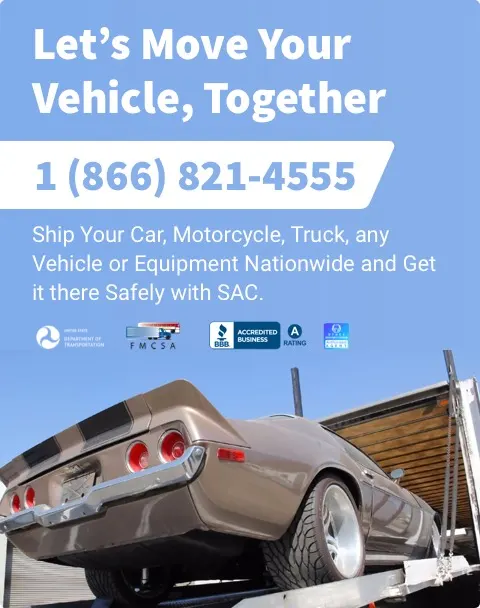

Road trip planning across the US: choosing routes by season, realistic daily mileage, budgeting, and getting the car home afterward.
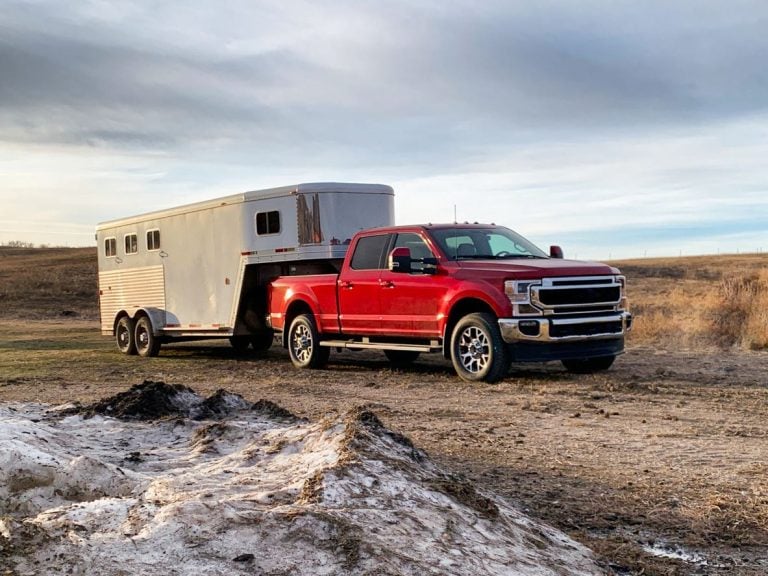
Understanding pickup truck capability numbers, how payload gets consumed, and what changes when you ship a truck.

Tuscaloosa is straightforward eleven months of the year. The pattern that catches people is home football weekends, not August.

Rental fleets are never where they need to be. How the industry corrects the map with auto transport: the four recurring move types, the operational details that matter at volume, and the pricing levers fleets hold.

A carrier only earns on the vehicles it is carrying, so lane density sets the price far more than distance does.

What the IIHS and Consumer Reports criteria actually measure, which used vehicles meet them, and what a safe first car costs today.

How remarketing transport differs from consumer shipping: volume economics, auction deadlines, and why condition reporting is money.

The report has to draw a line between damage that was already there and damage that happened on the truck, and that line cannot be drawn afterwards.

Yes, you can ship a car that does not run: winch-equipped carriers load non-runners daily, typically an estimated $100 to $250 over the running-car price. Equipment options, prep steps, and what to tell your coordinator.
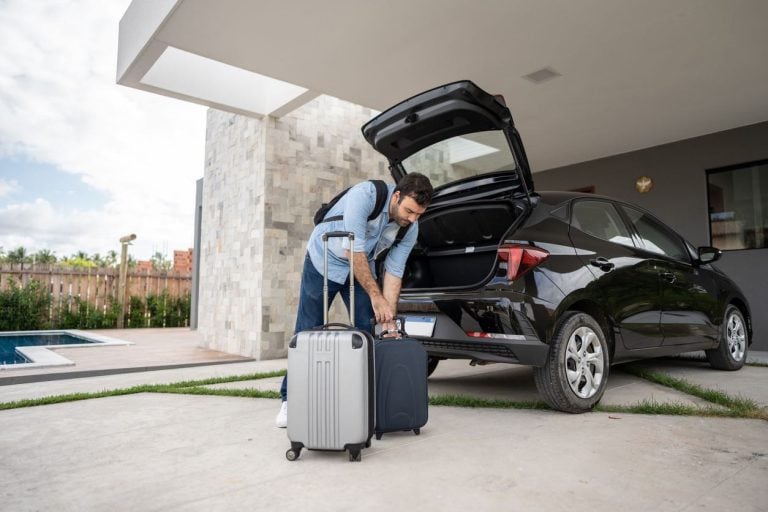
Shipping your car vs renting one for a long-distance move: shipping usually wins one-way trips on cost and wear, renting wins short round trips. The full pros and cons, compared honestly.
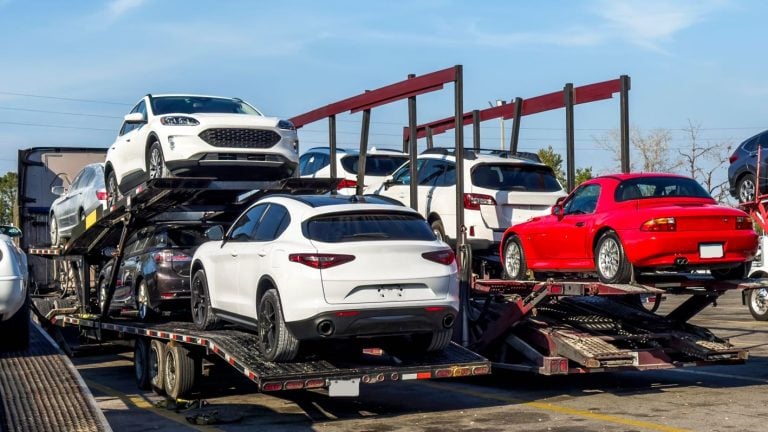
A carrier sells deck space and payload, and your vehicle consumes both. That explains almost every price difference on the same route.