How to Actually Save Money Shipping a Car
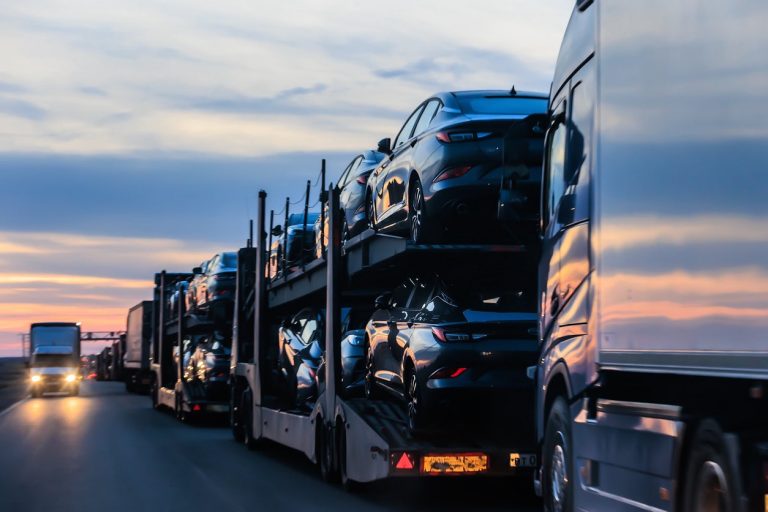
Season and direction save more than negotiation does. Carriers earn by keeping a full deck moving, so the cheapest vehicle to move is the one that is easy to fit into a load already forming. Shipping in the off-peak direction and meeting a truck near a major metro will save more than any amount of haggling, and a three or four day pickup window helps a carrier fit the car in. Pushing a broker below the going rate on your lane usually does the opposite: nobody accepts the load, and days later the price comes back up.

What Actually Works, Ranked
Why Flexibility Is Worth So Much
Transport is not a scheduled service. A carrier assembles seven to ten vehicles heading roughly the same direction, and the economics depend on filling every slot. A car that can go any day this week is easy to place. A car that must go Thursday morning may require pulling a driver off a planned route, and that costs enough that it shows up in your quote as an expedited rate.
You do not need unlimited flexibility. A three or four day window is usually enough to turn your vehicle from a problem into an easy fill.
Ship Against the Seasonal Flow
Lanes are rarely balanced. The clearest example is the East Coast: October through December, vehicles pour south with seasonal residents, so southbound capacity tightens and prices climb while northbound trucks return with empty slots and quote cheaply. April and May reverse it exactly.
The same asymmetry appears around university terms in late August and January, and around the summer military relocation season. If your dates can move at all, asking for a quote in both a peak week and an off-peak one is often a several-hundred-dollar difference on an identical route.
Distance to the Interstate Matters More Than Distance Itself
A rural address two hours off a major highway means a detour the carrier has to price in. Compare a quote to your door against one meeting the truck in the nearest large city, and the saving frequently exceeds what the drive costs you in time and fuel.
This is also the quiet reason some short trips quote higher than longer ones. A thin route with little traffic can cost more than a longer, busier one, because popularity lowers price more reliably than short distance does.
The False Economies
These feel like savings and generally are not:
- Taking the lowest quote. A price below what carriers on your lane accept does not move the car. It sits, the date slips, and the number comes back higher. Ask what the lane is actually running at, and treat a quote well below the others as a warning rather than a win.
- Skipping the credential check. Two minutes verifying an MC number on the FMCSA SAFER system costs nothing and rules out the operators who cause the expensive outcomes.
- Loading the car with belongings. Beyond the carrier’s written allowance, usually around 100 pounds in the trunk, extra weight is uninsured and can put the truck over legal axle limits. Any saving on a moving box is dwarfed by the risk.
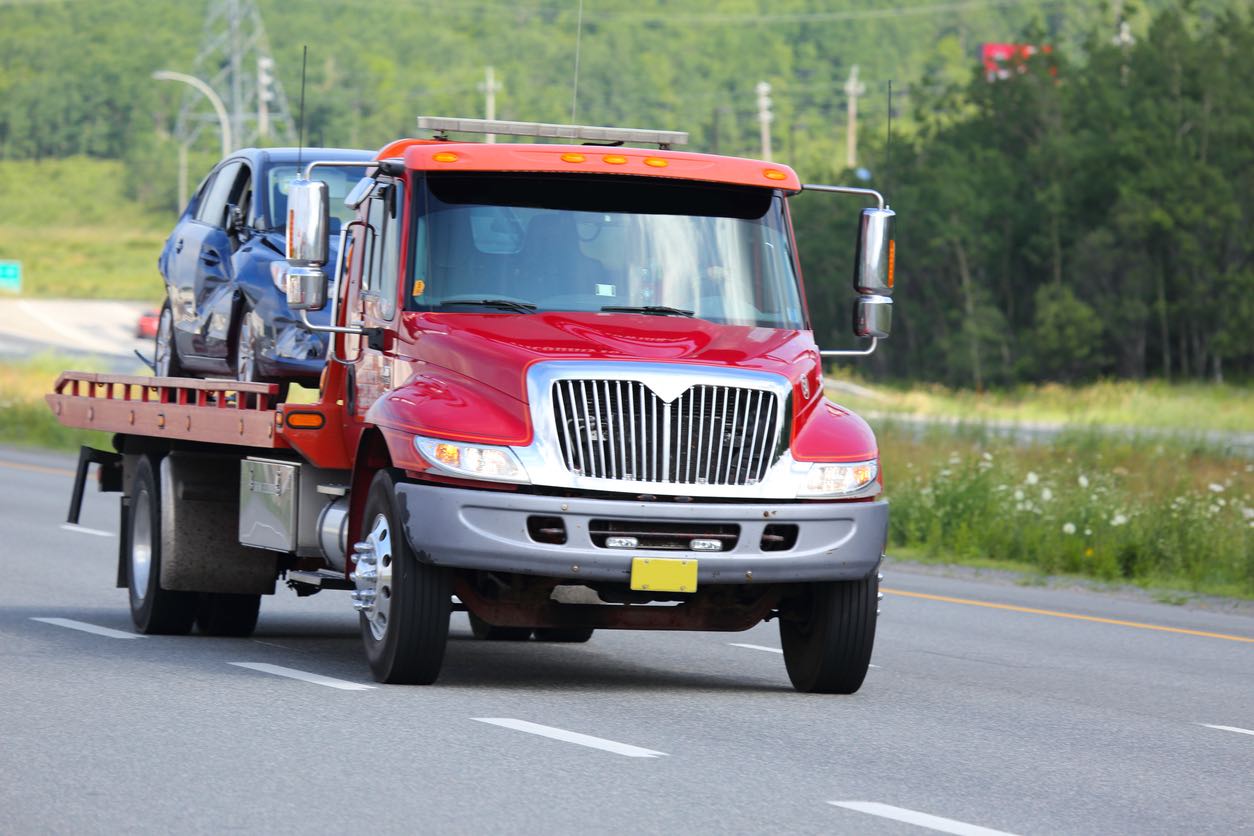
- Not mentioning that the car will not start. It needs a winch, which adds roughly $100 to $250. Disclosed up front it is a line item; discovered on pickup day it is a refused load or a repricing.
- Terminal-to-terminal by default. It occasionally saves money, but it adds storage days and another handling step, so it only makes sense with a genuinely flexible timeline.
Get the Vehicle Details Right
Quotes are built from the vehicle you describe. A wrong trim, an undisclosed roof rack, a lift kit or a curb weight from memory rather than the door jamb all change what a carrier has to plan for, and the correction arrives as a price change later.
The same goes for the addresses. A high-rise, a gated community or a narrow street means a nearby meeting point, and saying so at quote time is free. Discovering it with a truck on site is not.

What Not to Cut
Two things are worth paying for even on a tight budget. The first is insurance you have actually read: ask for the carrier’s certificate and compare the cargo limit against your vehicle’s value, since coverage commonly spans an entire load of seven to ten cars. The second is the inspection. Photograph every panel in daylight before pickup and inspect before signing at delivery, because the two condition reports are what decide any claim.
Neither costs money. Both are what separate a cheap shipment from an expensive lesson.
Common Questions
What is the single biggest saving? A flexible pickup window. It costs you nothing but certainty on the exact day and it materially changes how easily your car gets placed.
Is it cheaper in winter or summer? It depends on direction more than season. Summer is generally cheaper southbound on the East Coast; winter is cheaper northbound.
Should I negotiate? Ask what the lane is running at, and compare the middle of the range against verified credentials. Pushing below market does not lower the real cost of moving the car, it just delays it.
Do multiple quotes help? Yes, for calibration. Three quotes tell you the market rate. The lowest of five is more likely to be the outlier that will not move.
Is enclosed ever the cheaper choice? Not directly, but for a genuinely valuable car the premium can be cheaper than a paint repair. It is insurance rather than economy.
Get a Quote
Call Ship A Car, Inc. at (866) 821-4555 and ask what your specific lane is running at, or compare options with the quote calculator.