Remarketed Vehicle Transport: Moving Fleet, Auction, and Off-Lease Cars
What remarketing transport actually involves: moving vehicles between the points in their second life, off-lease returns, rental fleet retirements, repossessions, dealer trades, and auction lots. The vehicles are ordinary; the logistics are not, because volume is high, margins are thin, timing is tied to sale dates, and condition documentation carries real financial consequence.
Why Remarketing Moves Differ From Consumer Shipments
A consumer ships one car and cares mostly that it arrives safely. A remarketing operation ships hundreds and cares about cost per unit, cycle time, and condition disputes. Three differences follow:
- Deadlines are commercial, not personal. A vehicle that misses an auction run date sits until the next sale, tying up capital and depreciating.
- Condition reporting is money. Damage discovered after a sale becomes an arbitration case. The bill of lading at both ends is the evidence.
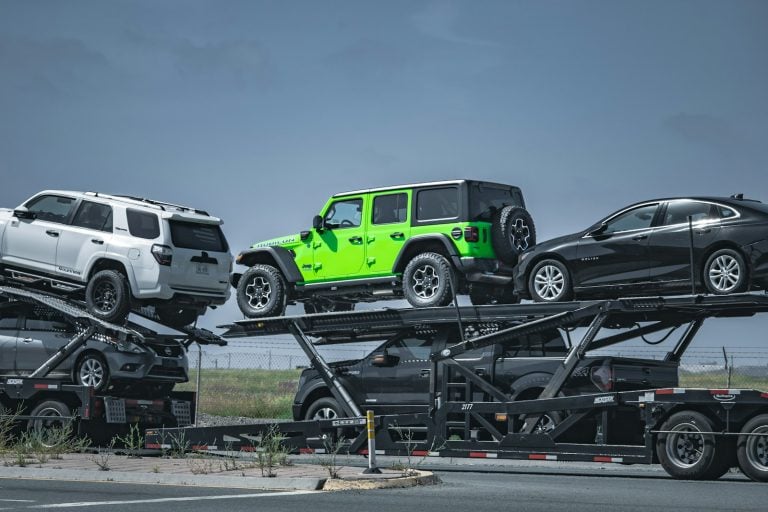
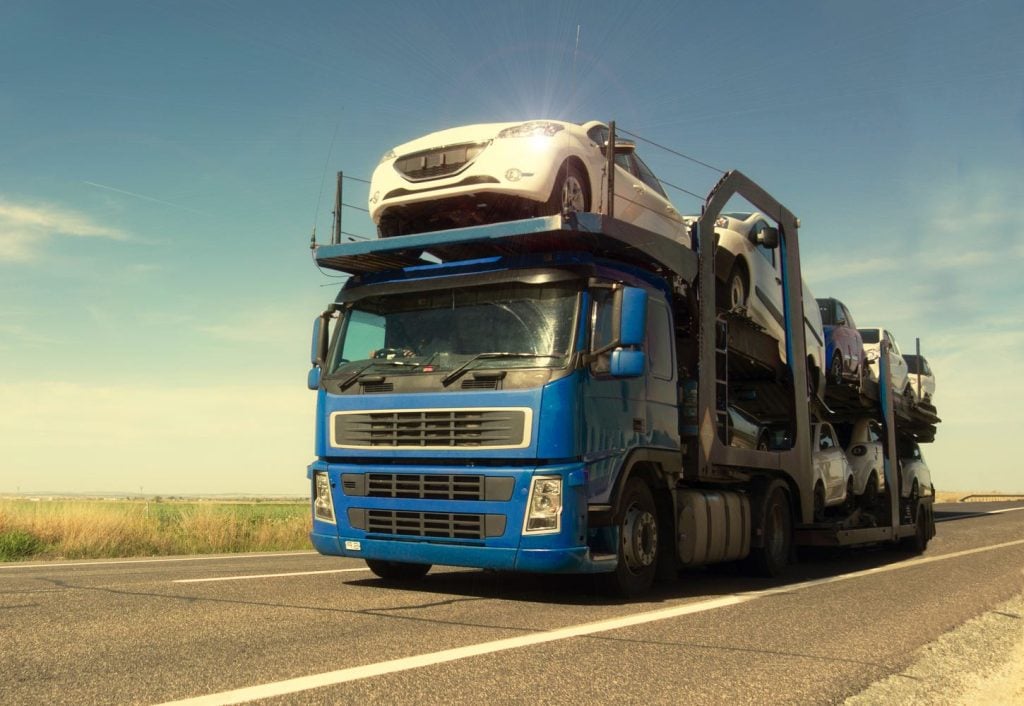
- Volume changes economics. Full loads of eight to ten vehicles price very differently from single-unit moves, and consolidation is where the savings actually are.
Dealer-to-Dealer and Trade Networks
Dealer trades are frequently short-haul and time-sensitive, a customer is waiting on a specific vehicle. These move well as single units or small groups, and speed matters more than cost per mile. Larger dealer groups rebalancing inventory across rooftops are the opposite: predictable volume where consolidation and scheduled runs make sense.
Rental Fleet Cycling
Rental operations retire vehicles in waves, typically moving units from branch locations to auction sites or wholesale buyers. This is volume work with flexible timing, which is the ideal profile for cost efficiency: flexible dates let shipments be matched to carriers already running the lane, and full loads bring the per-unit price down substantially.
Auction Logistics
Auction transport is dominated by the sale calendar. Vehicles need to arrive before run dates with time for inspection and lot placement, and sold units need to move promptly afterward so the lot clears. The practical requirement is a coordinator who knows the sale schedule and books backward from it rather than forward from the pickup request.
Post-sale delivery to a retail buyer is a different shipment again, often a single unit going to a residential address, sometimes across the country. Those are consumer-style moves attached to a commercial transaction.
Off-Lease and Repossession Movements
Off-lease returns move on a predictable schedule tied to contract end dates, which makes them plannable. Repossessions are the opposite: unscheduled, often involving vehicles in unknown condition, sometimes non-running, and frequently from locations that are not commercial lots. Tell the coordinator when a unit may not start, since a winch-equipped carrier is a different dispatch.

Oversized and Specialty Units in a Fleet
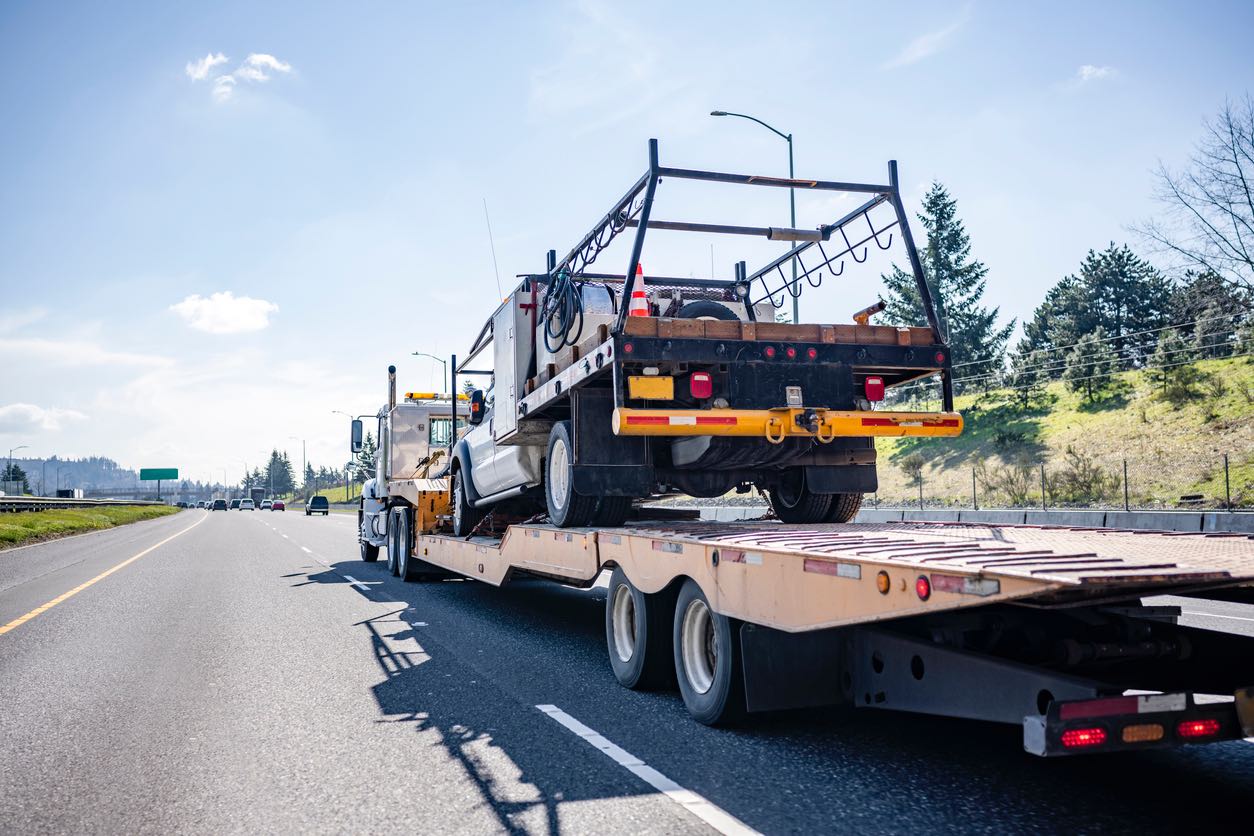
Most fleet vehicles are standard, but the exceptions cost time if they are not flagged. Box trucks, upfitted vans with raised roofs, dually pickups, and anything with a ladder rack or equipment body may exceed standard car-carrier height or weight. Provide loaded dimensions rather than base model figures.
Condition Documentation at Volume
This is where remarketing operations lose money quietly. Every unit needs a condition record at pickup and delivery, and at volume that discipline slips. Photographs at both ends, damage noted on the bill of lading before the driver leaves, and a consistent process across locations are what prevent a disputed arbitration months later from becoming an unrecoverable loss.
What to Look for in a Transport Partner
- Carriers verified for active FMCSA authority and current cargo insurance before every dispatch.
- A cargo insurance limit appropriate to the vehicles being moved.
- A named coordinator who understands your sale calendar rather than a general queue.
- Consolidated pricing for volume rather than repeated single-unit quotes.
- Consistent condition reporting across every location you ship from.
Common Questions
What does volume transport cost per unit? Materially less than single-vehicle shipping, because a full load spreads the trip across eight to ten vehicles. The exact figure depends on lane, vehicle mix, and how flexible the dates are. Give us the full list rather than pricing units individually.
Can non-running units ship? Yes, on winch-equipped carriers, typically adding $100 to $250 per unit. Identify them in advance; discovering a non-runner at pickup delays the whole load.
How far ahead should auction moves be booked? Work backward from the run date and allow the inspection window. Two to three weeks is comfortable; the week before a major sale is the hardest time to find capacity.
Do you handle recurring volume? Yes. Repeat lanes can run under a standing arrangement with consistent pricing and one coordinator who already knows your process.
Get a Quote
Call Ship A Car, Inc. at (866) 821-4555 to discuss fleet and remarketing volume, or see our business transport services.