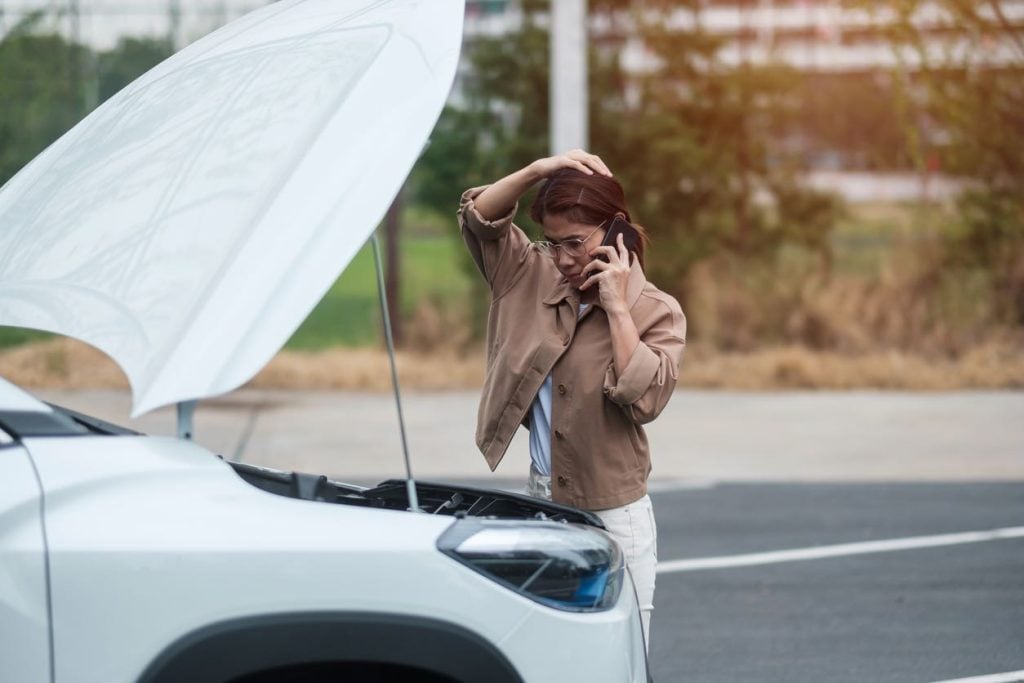
Yes, you can ship a car that does not run. Carriers do it every day: the truck brings a winch, pulls the vehicle up the ramps under control, and secures it exactly like a running car. The differences are that you must say the car is inoperable when you book, the carrier needs working (or at least free-rolling) wheels and steering to load it, and the job carries a surcharge because it takes special equipment and extra time. This guide covers what that costs, which trailer types fit which vehicles, and how to prepare a non-runner for pickup.

Can You Ship a Non-Running Car?
People ship non-runners constantly: project cars headed to restoration shops, accident vehicles going to a buyer or insurer, auction and salvage purchases, classics that have sat for years, and estate vehicles headed to a new home. The transport itself is routine for a properly equipped carrier. What matters is honesty at booking: a dispatcher who knows the car will not start sends a winch-equipped truck the first time, while a surprise non-runner at pickup means a failed pickup, a rescheduled truck, and usually a higher price than the honest quote would have been.
The condition details that matter. Tell your coordinator three things: does it start, does it roll, and does it steer. A car that rolls and steers but will not start is a standard winch load. A car with seized wheels or no steering needs forklift or flatbed handling, which is a different job and a different price. Getting this right up front is the single biggest factor in a smooth non-runner shipment. Our inoperable vehicle shipping page sets out what each of those three answers means for the equipment, the carrier pool, and the price.
Choosing the Right Transport Type
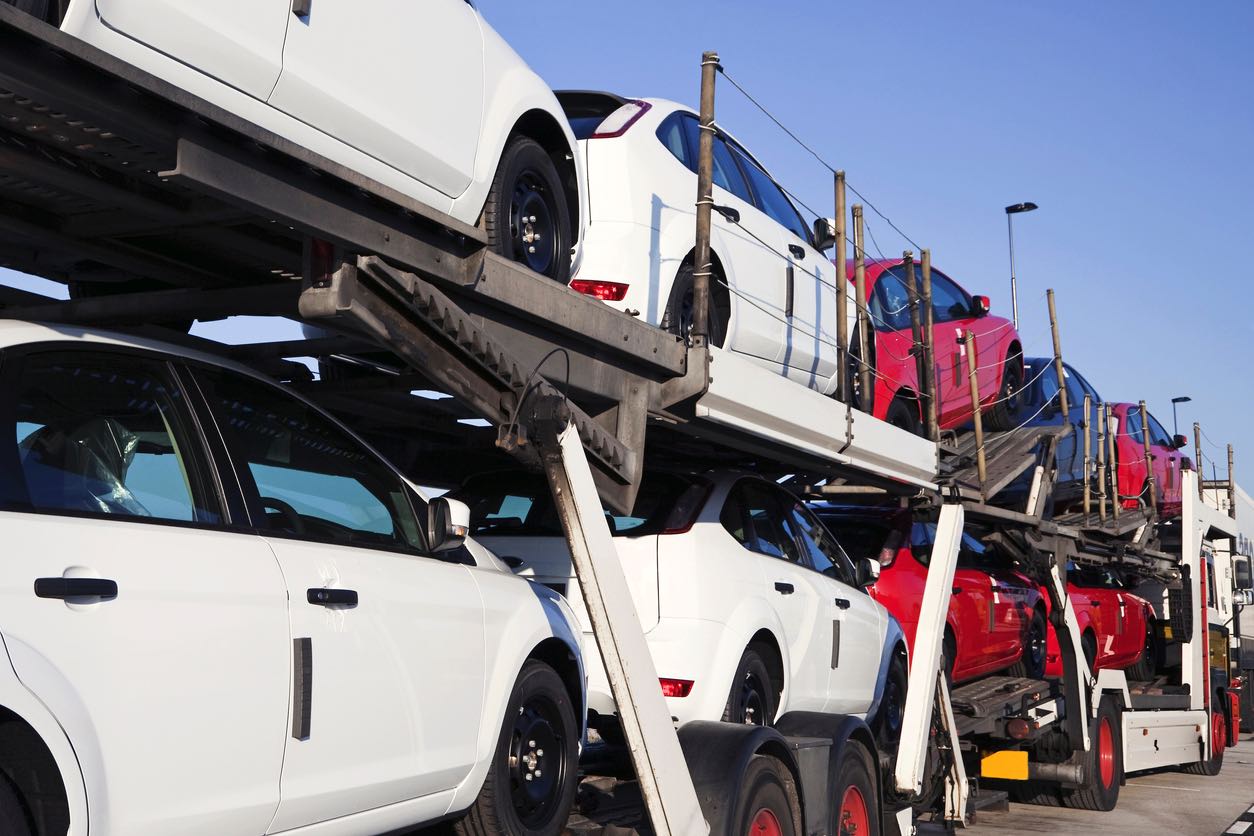
Open carrier with a winch is the standard and the best value for most non-runners that roll and steer. Flatbed transport handles vehicles that cannot roll, sit too low, or are too damaged for a standard deck. Enclosed transport with a liftgate suits valuable projects: a rare classic headed to restoration deserves protection from weather and road debris even though it adds roughly a third to the price. Your coordinator matches the equipment to the car’s actual condition, which is why the condition questions come first.

What It Costs
In our own book since 2023, the middle half of non-running vehicles ran $750 to $1,400 against $850 to $1,500 for running cars on open carriers. Compared like for like on open transport only, our non-running orders ran $750 to $1,350: lower, because they skew to shorter lanes, not because winching is free. The figures below are planning estimates.
A non-running car prices like a running car on the same route, plus an inoperable surcharge that commonly lands in the range of $100 to $250 as a general estimate. Our non-running car study measures that extra on our own bookings, trip by trip. The base price follows the usual factors: distance and lane density, vehicle size and weight, season, and open versus enclosed equipment. A compact that rolls freely costs less to winch than a seized full-size truck that needs a forklift. As with all transport pricing, these figures are estimates rather than quotes; the quote calculator emails an estimate for your vehicle and route, or a quick call gets you a coordinator’s quote.
Insurance still applies. A non-runner is covered by the carrier’s cargo insurance like any other vehicle, and the pickup inspection documents its existing condition carefully, which protects both sides. For extra coverage on valuable projects, ask about Othex zero deductible protection.
Preparing a Non-Runner for Pickup: Step by Step
- Document everything. Photograph the car from all angles, including existing damage. The driver inspects at pickup too, and both records back the bill of lading.
- Confirm it rolls and steers. Check tire pressure (inflate or replace flats where possible), and make sure the parking brake releases and the steering unlocks. Keys go to the driver even if the engine never turns over.
- Remove personal items and loose parts. Anything unsecured inside or on the car should come off; strap down or remove trim and panels a restoration has left loose.
- Contain fluids and note leaks. Tell the coordinator about active leaks so the carrier can position the car on the deck accordingly.
- Plan the pickup spot. A winch load needs room for a 75-foot rig plus straight-line pulling space. A wide street or a nearby parking lot beats a tight driveway, and your coordinator plans this before the truck arrives.

When You Need Non-Runner Shipping
The common cases: a restoration project heading to or from the shop, an online or auction purchase that turned out to be rougher than the listing, an insurance total headed to a buyer, a mechanical failure far from home, and inherited or long-stored vehicles being brought back into the family. In every case the same rule applies: describe the condition exactly, and the right equipment shows up once instead of the wrong equipment showing up twice.

Choosing the Right Shipping Partner
Non-runner moves punish inexperience, so verify credentials before you book. A legitimate broker is FMCSA registered with checkable numbers (Ship A Car, Inc. is USDOT 2303542, MC 784930), works only with carriers holding active cargo insurance, and asks the condition questions unprompted; a company that quotes a non-runner without asking whether it rolls is guessing with your money. SAC dispatches winch and flatbed equipped carriers nationwide for individual transport of every kind, with one coordinator on your move from booking to delivery and no payment until a carrier is confirmed.
Final Thoughts
Shipping a non-running car comes down to three things: describe the condition honestly, match the equipment to the car, and document everything at pickup and delivery. Handle those and a dead car moves as smoothly as a running one. Request an estimate for your route by email from the auto transport calculator or call (866) 821-4555 and tell a coordinator exactly what shape the car is in; the right truck does the rest.
FAQs
Q: Can you ship a car that does not start? A: Yes. If it rolls and steers, a winch-equipped open carrier loads it as routine work. If it cannot roll, flatbed or forklift handling does the job; just describe the condition exactly when booking.
Q: How much extra does a non-running car cost to ship? A: As a general estimate, plan on roughly $100 to $250 above the running-car price for the same route, reflecting winch equipment and added loading time. Seized or unrollable vehicles cost more because they need different equipment.
Q: Is a non-running car insured during transport? A: Yes. The carrier’s cargo insurance covers it like any vehicle, with its pre-existing condition documented on the bill of lading at pickup.
Q: What if my car cannot roll or steer at all? A: Tell your coordinator; that shipment needs a flatbed or forklift loading rather than a standard winch, and arranging it up front avoids a failed pickup.
*All data and car shipping rates found in this article are accurate at time of publication and subject to change.