Ten Things That Actually Matter When Shipping a Classic Car
Shipping a classic is not a harder version of shipping a normal car. It is a different conversation, and almost all of it happens before the truck arrives. The transport itself is routine. What decides whether it goes well is how accurately the car was described, how it is secured, and whether the insurance behind it reflects what the car is worth.
Here are the ten things worth getting right, in the order they come up.
1. Decide Enclosed or Open Honestly
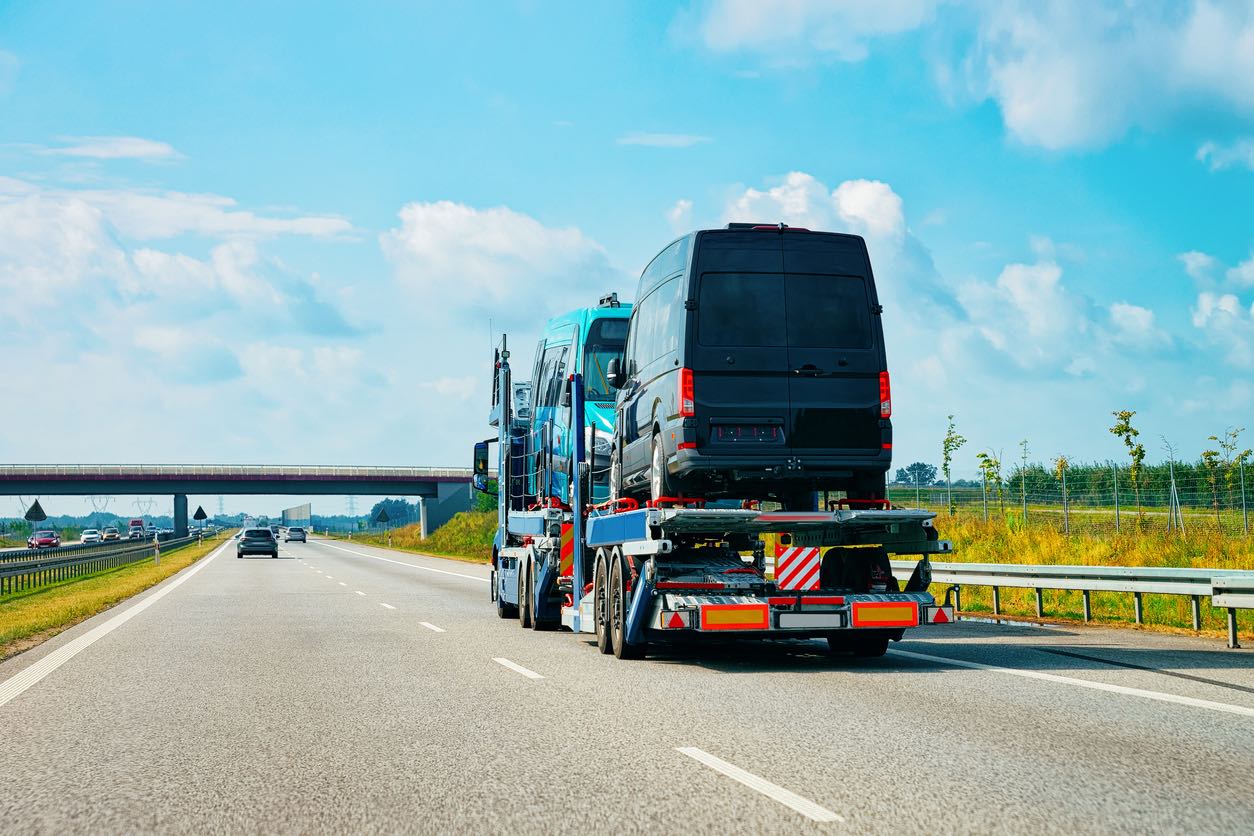
Enclosed transport costs meaningfully more and it is not always necessary. It earns its money on cars with fresh paint, show cars, cars with an agreed value high enough that road debris is a real financial risk, and anything with an interior that suffers from weather.
A solid driver quality classic that already lives outdoors is generally fine on an open trailer, which is how most cars in the country move. Decide on the car’s actual condition and value rather than on sentiment, and price both before choosing.
2. Describe the Car Accurately
The single most useful thing you can do. Say whether it runs, drives, steers and brakes under its own power. Say how low it sits, whether it has been lowered, and whether there is a front splitter or air dam that limits approach angle.
Mention modifications that change dimensions: a roof rack, oversized wheels, a rear spoiler, a bumper delete. Carriers plan a load like a puzzle, and a car that turns out to be four inches lower or a foot longer than described can force a reload.
3. Ask for Soft Straps
Modern car haulers secure vehicles either by wheel straps over the tires or by chains hooked to the frame. For a classic, wheel straps are the standard request, since they put no load through suspension components and nothing metal touches paint or chrome.
Say it at booking rather than at the curb. Most carriers who handle classics work this way already, but it belongs in the instructions rather than in a conversation with the driver.
4. Photograph Everything in Daylight
Before the car is loaded, photograph every panel, both bumpers, the wheels, the roof, the interior and the odometer, outdoors and in daylight. Shoot detail on any existing chips, cracks or scratches.
This is not distrust. It is the evidence that makes a claim straightforward if anything happens, and it also protects the carrier from being blamed for damage that predates them. Wash the car first, because marks do not show through dirt.
5. Read the Condition Report
The driver completes an inspection report at pickup and both parties sign it. Read what is written down, disagree at the time if it is wrong, and keep your copy. At delivery, walk the car before signing anything, in daylight if at all possible.
A delivery signed off in the dark with no inspection is the hardest situation to resolve later. If the car arrives at night, note on the paperwork that a full inspection was not possible.
6. Check the Cargo Insurance Limit
Every carrier holds cargo insurance, but the limit is per load and it varies. A trailer carrying nine cars with a modest total limit is fine for ordinary vehicles and may be well short of what a valuable classic needs.
Ask for the certificate and check the number against your car’s agreed value. If there is a gap, either request a carrier with higher limits or arrange your own coverage for the move. Your existing collector policy may already extend to transit, which is worth a call to your insurer.
7. Prepare the Car Properly
Leave about a quarter tank of fuel, which is enough for loading and unloading without adding unnecessary weight. Check the tire pressures and the battery, since a car that will not start turns a simple load into a winch job.
Empty the interior completely. Personal items are not covered by cargo insurance, they shift in transit, and they can damage an interior you have spent money restoring.

8. Secure Anything Loose
Soft tops down and latched, or up and fully secured. Remove or retract aerials. Take off any loose trim, hubcaps that do not lock, or period accessories that are not bolted on. Fold mirrors if they fold.
Highway wind at 65 miles per hour finds anything that is not fixed down, and an open trailer at that speed is a hard environment for delicate brightwork.
9. Talk About Access at Both Ends
A full size car hauler is around 75 feet long and needs room to turn, level ground and clear overhead space. Residential streets with low branches, tight cul de sacs, gated communities and steep driveways are all common obstacles.
If access is difficult, arranging to meet at a nearby lot is normal practice and costs nothing. Discovering the problem when the truck is already on the street is what creates delays.
10. Be Flexible on Dates, Firm on Details
Classic transport moves on the same network as everything else, and the carrier who is right for your car may be a few days away rather than tomorrow. A window of several days gets a better carrier and often a better rate than demanding a specific date.
Be firm about the things that matter: soft straps, enclosed or open, condition, insurance limit and access. Those are worth waiting for. The exact pickup day usually is not. If the car does not currently run, our page on shipping a classic car that does not run covers what changes.
Common Questions
Do I need enclosed transport? Not always. It is worth it for fresh paint, show cars and high agreed values. A driver quality car is usually fine on an open trailer.
Will chains damage my car? Ask for wheel straps instead. They put no load through the suspension and nothing metal contacts the body.
Is the carrier’s insurance enough? Check the certificate against your agreed value. High value cars often need additional coverage or a carrier with higher limits.
How much fuel should I leave? About a quarter tank. Enough to load and unload, without adding weight.
What if the truck cannot reach my street? Meeting at a nearby lot with room to maneuver is standard and does not cost extra.
Get a Quote
Call Ship A Car, Inc. at (866) 821-4555 with both zip codes, your date range and the car’s condition and ground clearance, or request an estimate for the move through the quote calculator.