
Transport Services for Your Vehicle
Nationwide vehicle shipping services for individuals
Vehicle Shipping Built Around You
Since 2012, Ship A Car has arranged shipping for daily drivers, classics, exotics, golf carts and ATVs in all 50 states. Your dedicated coordinator explains carrier insurance, pickup windows and pricing up front, so there are no surprises on either end, and the price you are quoted is locked at booking with no deposit until a carrier is assigned.
Open or Enclosed, Door to Door
Most cars ship on open carriers, the same way dealers move new inventory. Enclosed trailers add full weather and debris protection for classics and exotics, and in our own bookings the enclosed premium runs about a third over open on the same lane, not double. Get a quote in minutes with our auto transport calculator, or see the booked prices by distance in our guide to how much it costs to ship a car.
Individual Vehicle Shipping Services
Every move above is handled the same way: one coordinator, vetted and fully insured carriers, and honest scheduling from first quote to final delivery. Not sure which service fits your situation? Call (866) 821-4555 and we will walk you through it in a few minutes.
What We Ship Most, and What Each Move Costs
Cross country car shipping is the core of the book: the median move of 1,500 miles or more booked at about $1,500 on an open carrier, and true coast to coast at about $1,600. Enclosed car shipping now carries about one car in seven, mostly classics, prestige marques and fresh paint.
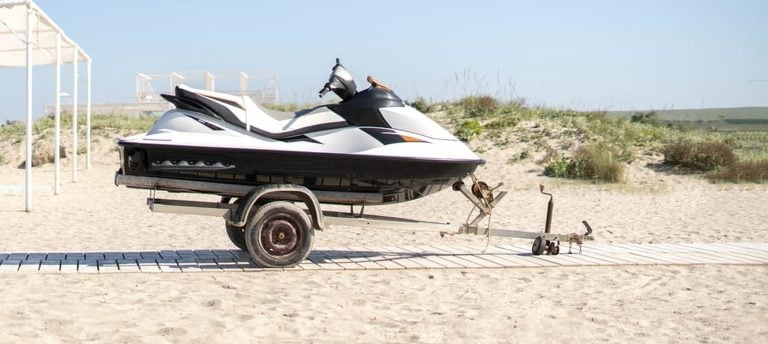
Golf cart shipping fills more of our enclosed trailers than anything except cars, with a median enclosed move around $1,100. ATV, UTV and side by side shipping runs on the same carriers with the same no-deposit terms, and we ship snowmobiles and jet skis on their own trailers.
Snowbird car shipping moves cars south from August through January and home in the April to May wave, with the trip south booking cheaper than the trip home. Hawaii car shipping is door to port on the mainland and weekly sailings from Long Beach, Oakland or Tacoma; the median car from California to the islands was quoted at about $1,700.
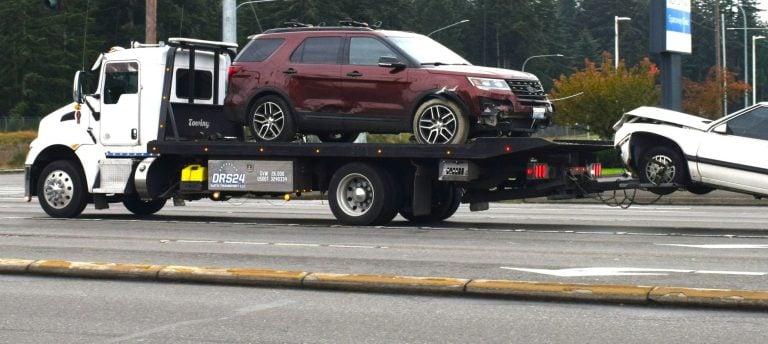
We also ship what many carriers turn down: non-running vehicles with a winch surcharge instead of a refusal, classic cars and collector cars on enclosed liftgate trailers, electric cars, and cars for students and travel nurses heading to a new assignment. For a specific model, our guides cover the Tesla Model 3 and Model Y, the Cadillac Escalade, the Honda CR-V, the Toyota Tacoma and convertibles, and for anything on the water, jet skis and boats.













How Shipping a Car Actually Works
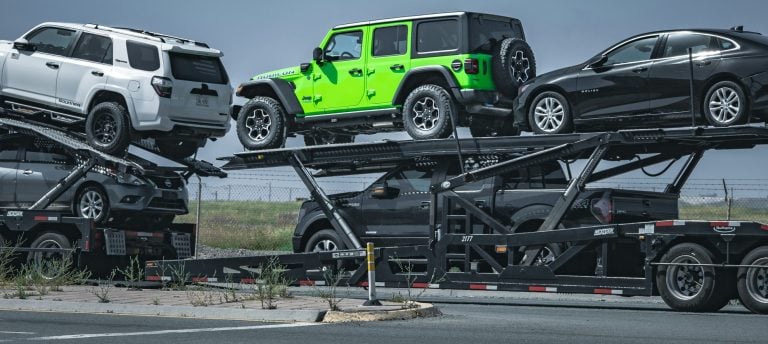
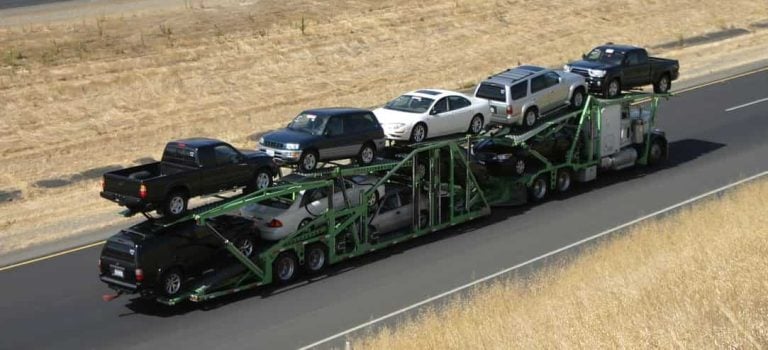
You give us the vehicle, the two addresses and your dates, through the calculator or by phone. Your coordinator prices the lane, confirms a pickup window of a few days rather than a single hour, and assigns a vetted carrier; only then is any payment taken. On pickup day the driver calls ahead, you walk the car together, note every existing mark on the bill of lading, and both sign. The car rides with up to nine others on an open carrier or with a handful on an enclosed one, and your coordinator is the person you call in transit. At delivery you inspect the car against the same bill of lading in daylight before you sign, because what is written there is what a claim is paid on. Most cross country moves take five to ten days from pickup; regional moves take one to four.
Open or Enclosed: How to Decide
Open transport is the right answer for the great majority of cars. It is what dealers use, it is the cheapest way to move a vehicle, and the car arrives in the condition it left, with road dust and weather being the only difference. Enclosed transport is worth the premium for classics, exotics, fresh paint, very low cars that need a liftgate, and vehicles going to a buyer who expects a covered delivery. In our own bookings the premium is about a third on the same lane, not the doubling many people expect, and about one car in seven now ships enclosed. If you are on the fence, tell the coordinator what the car is worth to you and let the number decide.
Timing, Seasons and What Moves the Price
Distance sets the base, but the season, the lane and the vehicle move it. Prices sit about 10 percent below a typical month in February and about 12 percent above it in June, the snowbird waves push southbound lanes up from August through January and northbound lanes up in April and May, and a lane between two large cities prices lower per mile than one that starts or ends in a rural area a carrier has to reach. Oversize vehicles, lifted trucks and non running cars add a fee for the space or the winch they need. A flexible pickup window is the easiest way to bring a price down, because it lets your coordinator pair your car with a carrier already running your route. The price calendar shows the pattern month by month.
Preparing Your Car for Pickup
Wash the car so existing marks are visible, then photograph every panel, the wheels, the glass and the odometer in daylight the day before pickup. Leave about a quarter tank of fuel, enough to load and unload. Remove toll tags, garage remotes and anything loose inside; the carrier’s cargo policy covers the vehicle, not personal items, and most carriers allow at most a small bag in the trunk with your coordinator’s approval. Fold the mirrors, retract the antenna, and tell the coordinator about a roof rack, a lift kit, oversize tires, a low front end or an alarm that needs disarming so the right truck and driver show up. If the car does not run, say so at booking and a carrier with a winch is assigned.
Who Signs, and Where the Truck Can Reach
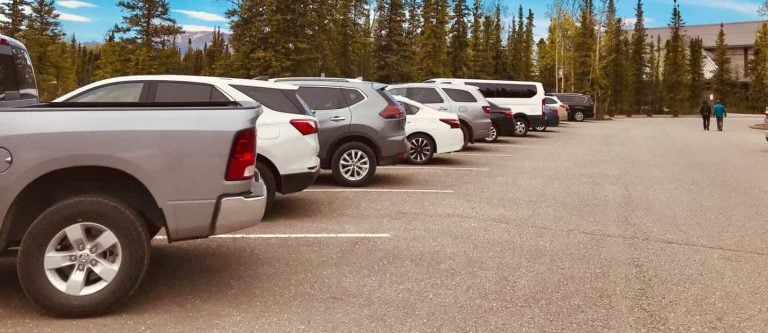
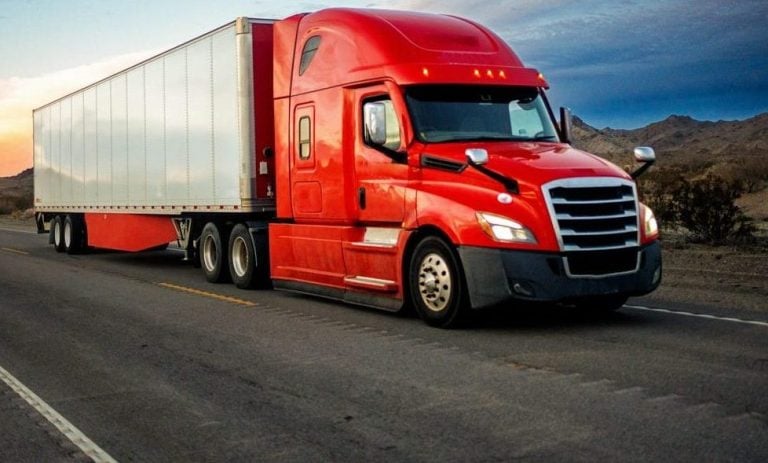
An adult you name has to release the car and sign the bill of lading at pickup, and an adult has to inspect and sign at delivery; it does not have to be you, and for a military move or a relocation it often is not. Carriers are up to 75 feet long, so a narrow street, a gated community or a low tree canopy means the driver and you agree on a nearby meet point, usually a large parking lot, and that is normal, not a downgrade. Tell your coordinator about gate codes, HOA rules and any access limit at booking.
Common Questions About Shipping a Vehicle
How much does it cost to ship a car? The median open carrier move of 1,500 miles or more booked at about 1,500 dollars in our own orders. Your firm price comes from the calculator or a coordinator for your exact vehicle, addresses and dates.
How long does it take? Five to ten days from pickup for a cross country move, one to four for a regional one, plus the pickup window itself. Hawaii and Alaska are multi leg moves with their own schedule.
Is my car insured? Yes, by the assigned carrier’s cargo policy, which we verify before dispatch. Note any damage on the bill of lading at delivery before you sign.
Can I put things in the car? Personal items are not covered and add weight; a small bag in the trunk is sometimes allowed with the coordinator’s approval. Ask first.
Do you ship non running cars? Yes, with a winch fee instead of a refusal. Tell us at booking whether the car rolls, steers and brakes.
Do I pay a deposit? No. No payment is taken until a carrier has been assigned to your order.
Get a Quote
The auto transport calculator prices your exact lane in seconds, or call (866) 821-4555 to speak to a transport coordinator. If you would rather write than call, the contact page reaches a coordinator directly. No deposit is taken until your carrier is assigned.
