A quote is not a price you pay, it is a bid you make to the trucking market, and a bid set too low simply does not get taken. That single mechanic explains most of the frustration people have with auto transport. The lowest number wins the booking and then the car sits, unassigned, while the promised pickup window comes and goes. Understanding how a load actually reaches a driver tells you which quote will move your car and which one will just occupy your calendar.

How Your Car Actually Gets Assigned
Most companies arranging car shipping are brokers, and a broker does not own trucks. When you book, your vehicle is posted to a national dispatch system with your route, your dates and a price.
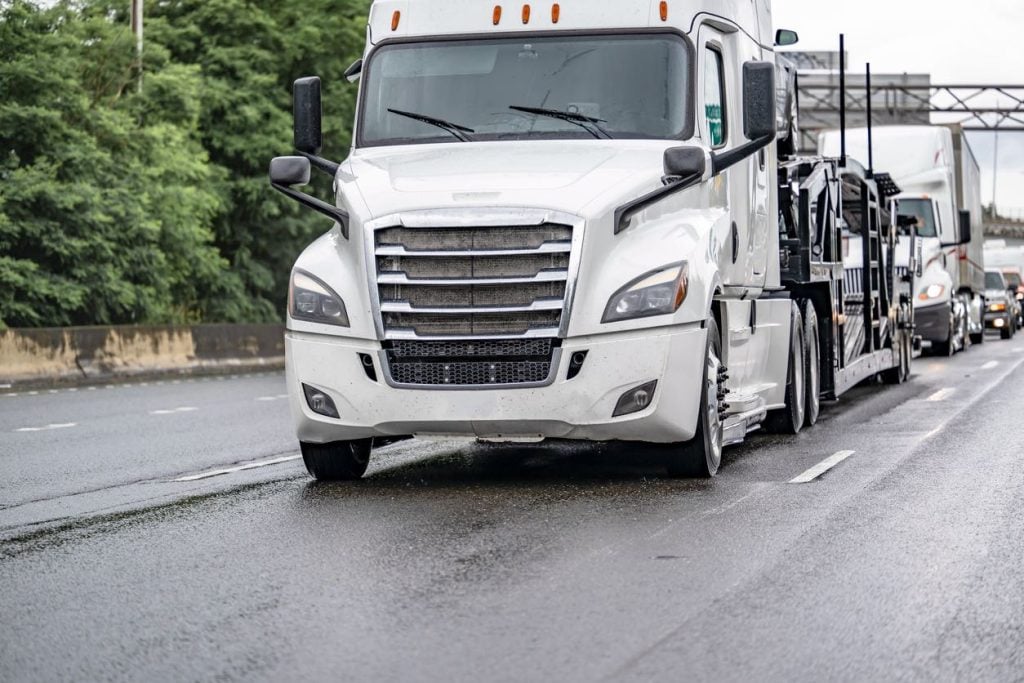
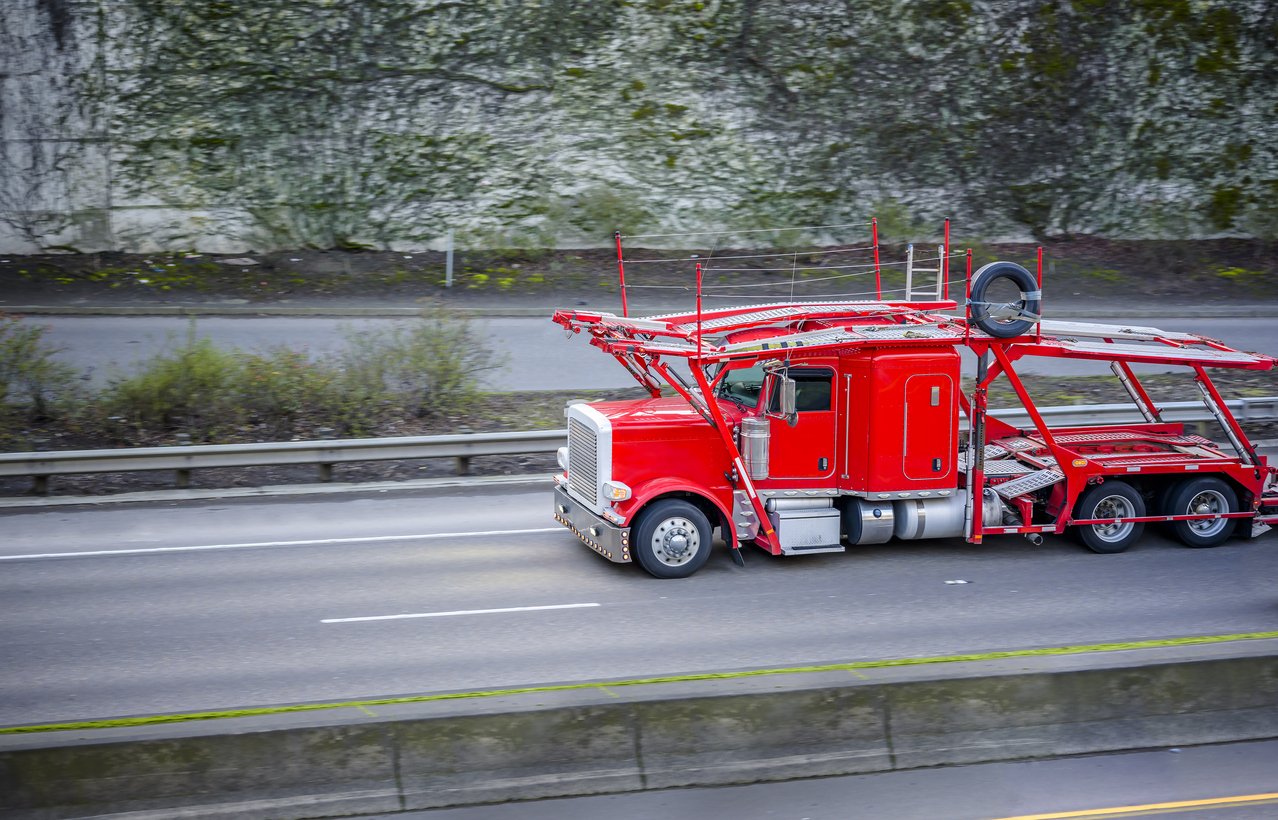
Carriers running that corridor look at what is available and choose. A driver with eight slots and a route to fill is comparing your load against every other load on the same lane, and the one that pays the going rate gets taken first. Nobody is obliged to accept yours.
So the price on your booking is doing one job: persuading a real driver to allocate one of a limited number of slots to your car. Price it correctly and it moves quickly. Price it under the market and it waits.
What Sets the Going Rate on a Lane
The market rate is not arbitrary and it is not the same in both directions.
Distance sets the floor, though the rate per mile falls as distance rises. Lane density matters enormously, because a run between two large metros on an interstate fills easily while a pickup ninety minutes off the corridor costs a driver hours. Direction matters too, since a truck heading back toward its home region will take less than one heading away. Vehicle size and weight take deck space and capacity. And season moves everything, with the winter run toward the south and the spring return north tightening capacity in predictable windows.
A quote that ignores those factors is not cheaper. It is just less informed about what the lane costs.

How to Spot a Quote That Will Not Dispatch
Get three quotes and the pattern usually declares itself.
If two cluster and one sits far below both, the outlier is the one to question. Ask the company directly what happens if no carrier accepts the load at that number, and listen for whether the answer involves the price going up later. Ask whether the figure is all inclusive, covering door to door service, carrier insurance and taxes, or whether pieces get added afterwards.
Then ask when payment is taken. A deposit collected before a carrier has been assigned commits your money to a truck that does not yet exist.
What Actually Makes a Shipment Fast
Four things, and only one of them is money.
A realistic price. The single biggest determinant of how fast your car is collected.
Flexible dates. A two or three day window gets covered far quicker than a single fixed day, because it matches more routes.
A pickup near a corridor. If you can meet a truck closer to a main route, you widen the pool of drivers who can take the load.
Accurate information. This one costs people the most days. A car described as running that will not roll gets refused at the curb, and the load goes back out for dispatch, losing the slot entirely. Say whether it starts, whether it rolls, and whether it steers and brakes.
What Timing Is Realistic
Once a vehicle is loaded, transit runs about one to three days regionally, three to five days on a 1,500 mile lane, and five to seven days coast to coast.
Pickup and delivery are windows of a day or two on each end rather than appointments, because a driver collecting eight cars cannot hold eight fixed times across several states. Any company offering a guaranteed date on standard service is overpromising, and expedited service exists precisely because guaranteeing a date costs more.
Total time from booking is usually one to two weeks on common lanes. Transit is counted from pickup, not from the day you paid.
Paying a Fair Rate Is Not the Same as Overpaying
None of this argues for accepting the highest number you are given. It argues for recognizing that there is a rate at which your specific lane clears, and that quotes far below it are buying you a delay rather than a discount.
A fair quote, honestly explained, on a realistic window, is what gets a car collected on time. Our guide to what determines speed and communication covers what happens after dispatch, and our guide to checking a company’s record covers how to vet whoever you book with.
Common Questions
Why did my cheap quote not get picked up? Because carriers choose loads. A price below the lane rate sits unassigned until it is revised.
Should I always take the lowest quote? No. Compare what is included and ask what happens if no carrier accepts it.
How much do flexible dates help? A great deal. A two or three day window matches far more routes than a single fixed day.
How long should it take? One to two weeks to book on common lanes, then one to seven days in transit depending on distance.
Can anyone guarantee a delivery date? Not on standard service. Expedited service exists because a guaranteed date costs more.
Get a Quote
Call Ship A Car, Inc. at (866) 821-4555 with both zip codes, the vehicle and your date range, or price the lane with the instant calculator.