Shipping a Car from Philadelphia to Phoenix
Roughly 2,300 miles, five to seven days in transit, and the constraint that catches people is at the Philadelphia end rather than the Arizona one. Phoenix is a sprawling, wide street metro that a 75 foot car hauler handles easily. Philadelphia is a dense colonial grid with narrow one way streets, permit parking on both sides and low bridges, and there are whole neighborhoods a loaded hauler simply cannot enter. Sort the pickup, and the rest of this lane is straightforward.

The Philadelphia End
Center City, South Philadelphia, Fishtown, Old City and the row house neighborhoods are the difficult ones, and the reasons stack up.
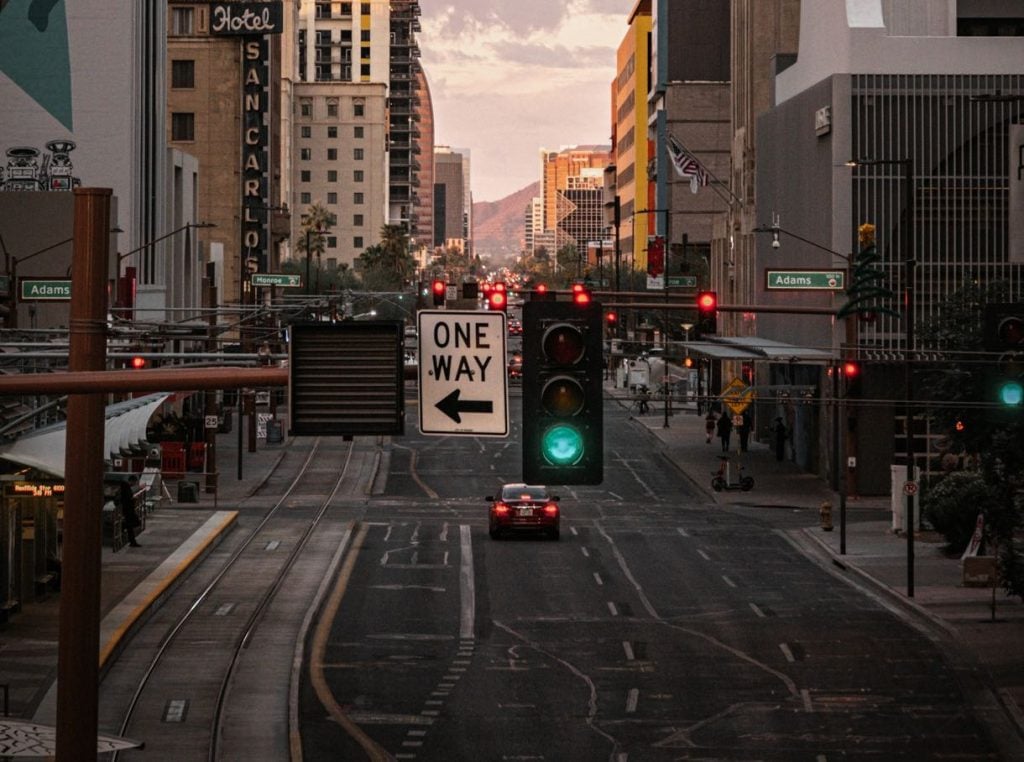
Streets laid out in the 1700s are narrow before you park cars along both sides. Many are one way, which removes any option to back out. Several routes into and across the city have low clearance bridges and underpasses that a loaded hauler at close to 13 feet 6 inches cannot pass. And residential permit parking means there is rarely a gap long enough to stop a 75 foot vehicle legally.
The normal answer is a meeting point outside the dense core: a large lot along a main road, a shopping center, or somewhere out toward the expressway. It is faster than waiting for a driver willing to attempt a row house street, and it widens the pool of carriers who will take the load rather than narrowing it to whoever will try.
Arrange it when you book. Improvising it with a driver already parked awkwardly on a one way street is the version that goes badly.
Route and Timing
Expect five to seven days in transit once loaded, plus a few days to a week to get assigned at a realistic price.
Carriers generally run I-76 and I-70 west, or drop to I-40 through Oklahoma and New Mexico before turning for Phoenix. Which one depends on where else the truck is collecting and delivering, and it makes little difference to you.
Winter can push carriers off the northern route onto I-40 when snow crosses the Rockies, which adds a day rather than creating a risk. Summer is the busier season on this corridor and assignment takes a little longer.
Arizona Heat Is a Real Consideration
This is the one thing about the Phoenix end worth planning around.
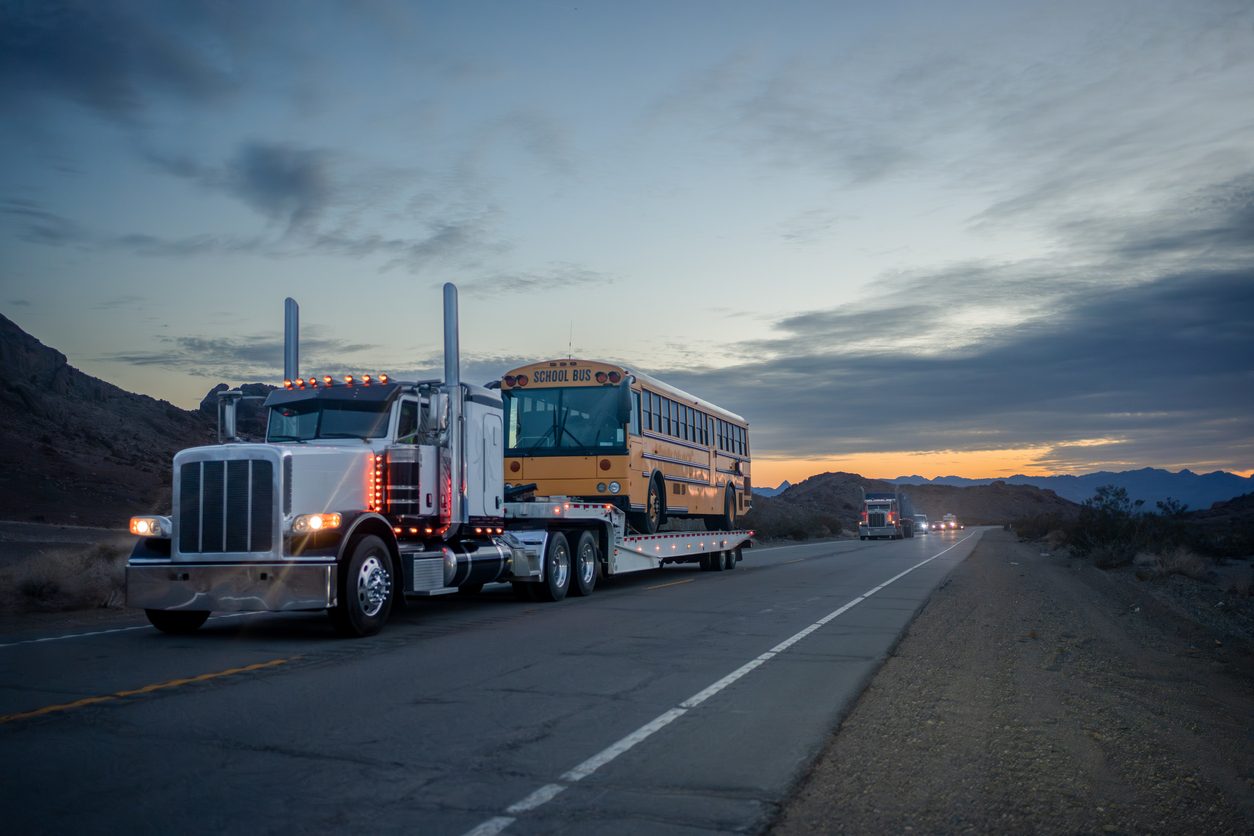
Summer temperatures across the desert stretch routinely exceed 110 degrees, and a car sitting on an open trailer in that heat is exposed to more than a car in a garage. Tire pressures rise, batteries suffer, and anything left inside the cabin can warp or melt.
Practical steps: leave the fuel level low as usual, take everything out of the interior including anything adhesive on the dashboard, and check tire pressures before collection rather than inflating to the maximum. If the car is valuable or has delicate paintwork, this is one of the situations where enclosed transport genuinely earns its premium of about a third.
Ask for the delivery to be scheduled in the morning where possible. It is easier on everyone, including the driver.
Registration in Arizona
Arizona requires new residents to register within a set period of establishing residency, and most vehicles need an emissions test in the Phoenix area specifically.
The emissions requirement applies in the Phoenix and Tucson metro areas rather than statewide, so where in Arizona you are moving determines whether it applies to you. Check your vehicle’s year and model against the current requirement before it travels.
What It Costs
Our book holds too few Pennsylvania to Arizona orders since 2023 to publish a range from, so the figure below is a planning estimate.
Open transport for a standard sedan on this lane runs roughly $1,100 to $1,600. A full size truck or SUV adds meaningfully, and enclosed adds about a third on top.
A car that will not start or roll adds roughly $100 to $250 for winching, declared at booking rather than discovered at the curb. Treat a quote well below the rest with suspicion: a rate no carrier accepts leaves the car sitting in Philadelphia while your pickup window passes.
Preparing the Car
Wash it so existing marks are visible and photograph every panel in daylight, including the wheels, roof and lower bumpers. Leave about a quarter tank of fuel.
Empty the cabin and trunk, since personal items are not covered by cargo insurance and shift in transit. Remove your E-ZPass or it will register tolls across the Pennsylvania Turnpike on the way out. Fold the mirrors, disable a motion sensitive alarm and hand over a key.
At delivery, inspect before signing, compare against your photographs, and note anything unexpected on the bill of lading while the driver is still there.
Common Questions
How long does it take? Five to seven days in transit, plus a few days to a week to get assigned.
Can the truck collect from my Philadelphia street? In Center City or a row house neighborhood usually not. A meeting point outside the core is faster.
Is summer heat a problem? For anything left in the cabin, yes. Empty it completely and check tire pressures before collection.
Will my car need an emissions test? In the Phoenix metro area most vehicles do. It depends where in Arizona you are moving.
What does it cost? Roughly $1,100 to $1,600 for a sedan on open transport, more for a large vehicle or enclosed.
Get a Quote
Call Ship A Car, Inc. at (866) 821-4555 with both zip codes and a realistic pickup area, or request an estimate for the lane through the quote calculator.