Trailer Types Used to Ship Vehicles and Freight
The trailer decides the price, and the vehicle decides the trailer. Most people never think about what their car will travel on, but the difference between an open two level carrier and a lowboy is thousands of dollars, and knowing which one your load actually needs is the fastest way to understand a quote.
Open Car Carriers
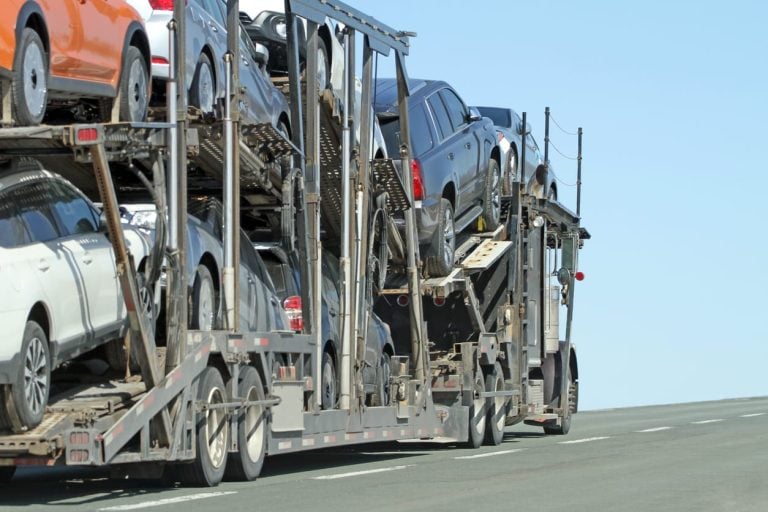
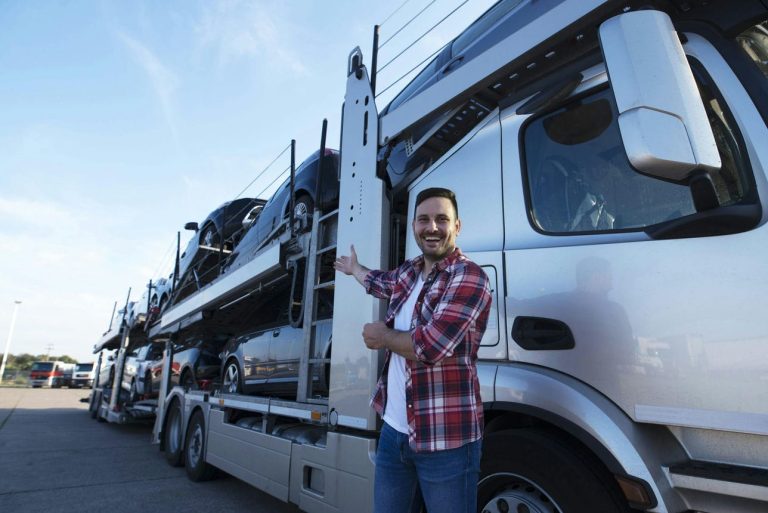
The two level open carrier is what moves the overwhelming majority of vehicles in this country, and it is what most people picture.
It carries seven to ten cars on hydraulic decks, exposed to the weather, and that volume is exactly why open transport is affordable. The cost of the truck, the driver and the fuel is divided across ten customers rather than one.
The trade is exposure. Vehicles ride in the open, so road debris, rain and sun reach them. For an ordinary car over a few days that is a non issue; for fresh paintwork or a wrap it is a consideration.
The upper deck matters more than people realize. It is less exposed to road spray, but it has a height limit, which is why a lifted truck or a vehicle with a roof box frequently cannot go up there and is restricted to the bottom row.
Enclosed Trailers
An enclosed trailer is a sealed box, and it typically carries two to seven vehicles rather than ten, which is the main reason it costs 20 to 30 percent more.
Within enclosed there are meaningful differences. A soft side trailer uses a fabric cover over a frame and is the cheaper option. A hard side is a solid box and is what a genuinely valuable vehicle should travel in.
The feature worth asking about is a hydraulic lift gate. Instead of driving up ramps, the vehicle sits on a platform that is raised level with the deck, which removes the approach angle entirely. For any car with low ground clearance that is not a luxury, it is the difference between a routine load and a damaged front lip.
Flatbeds and Step Decks
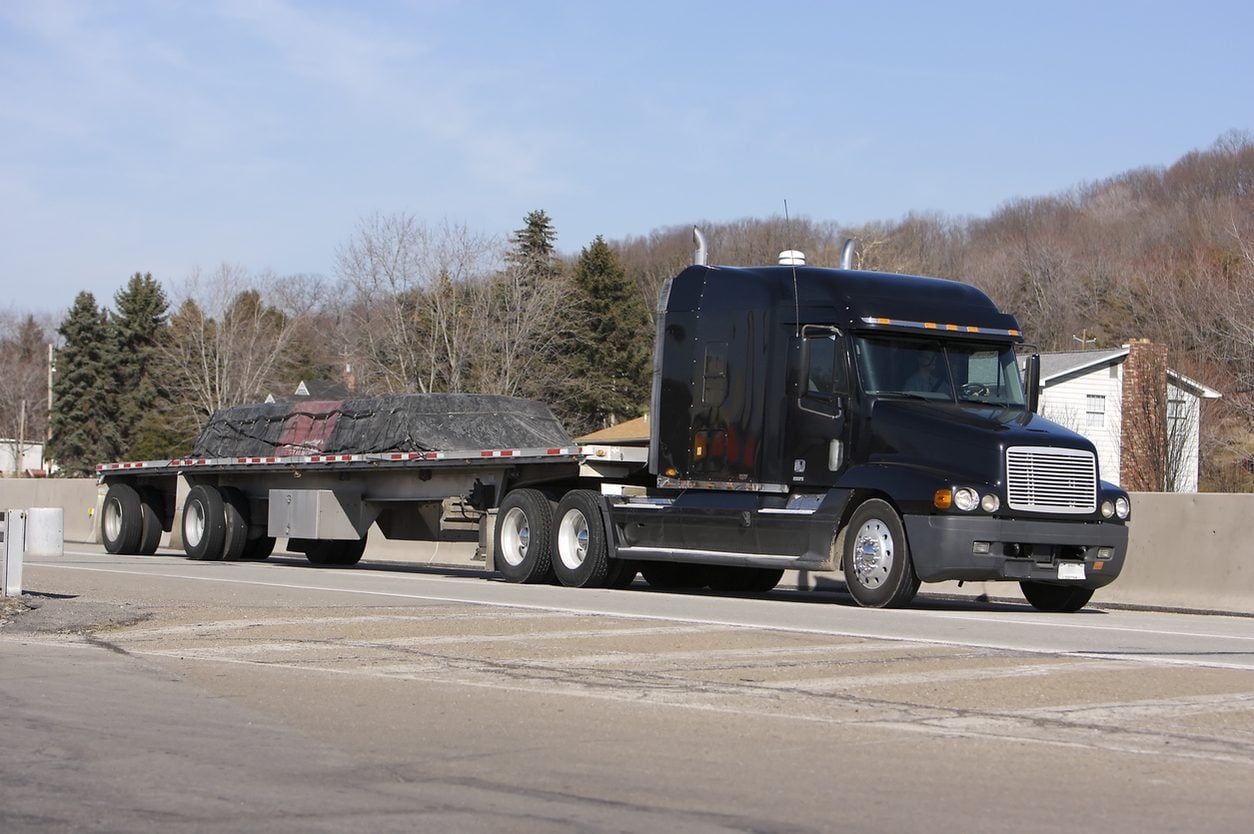
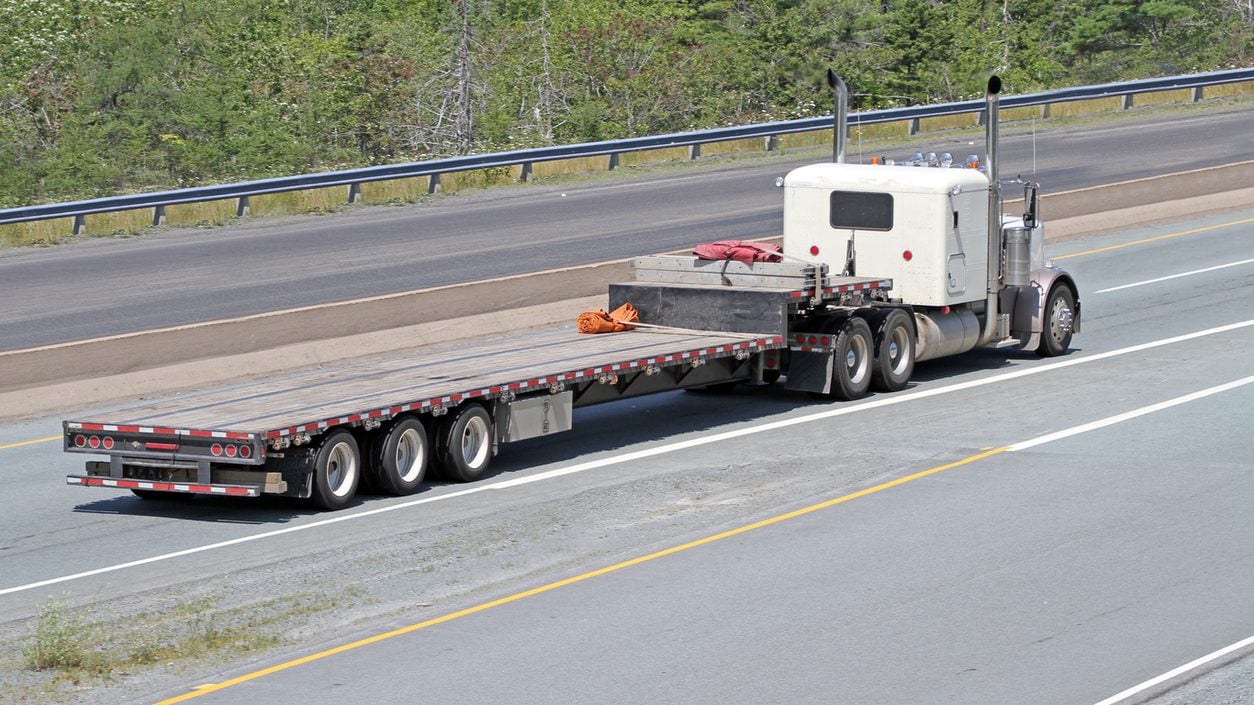
A flatbed is an open platform with no sides, and it is the workhorse of freight rather than of car transport.
It suits anything that does not fit in a box: construction materials, machinery, steel, lumber, and vehicles that are too large or too heavy for a car carrier. Because the deck sits around five feet off the road, total height is the constraint, and a tall load quickly exceeds the legal 13 feet 6 inches.
A step deck, sometimes called a drop deck, solves that by dropping the rear section about a foot lower. That extra clearance is the difference between a permitted load and a legal one on a great many machines, and it is why step decks are so common in equipment transport.
Lowboys and Removable Goosenecks
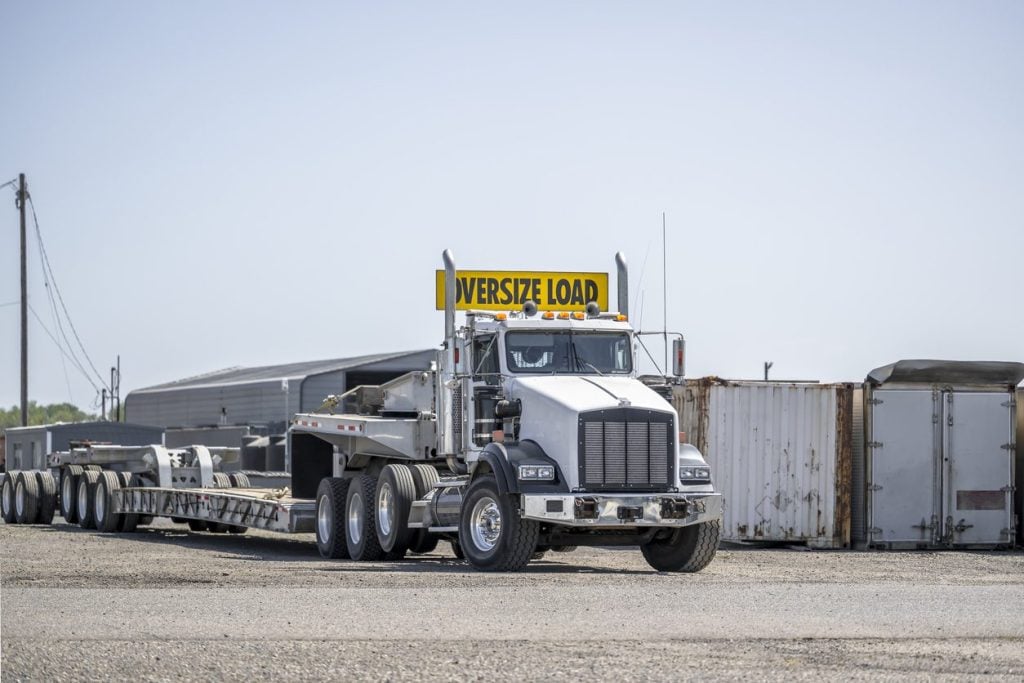
When a machine is genuinely tall, the deck has to go lower still.
A lowboy drops the deck to roughly 18 to 24 inches off the road, which is what allows a large excavator or dozer to travel under bridges legally. A removable gooseneck adds a practical advantage: the front detaches so the machine drives on at ground level rather than climbing ramps, which matters for low, long tracked equipment.
Beyond that sit multi axle and stretch configurations, which spread weight to satisfy the federal bridge formula. That formula limits how much weight can sit within a given axle spacing regardless of whether the total is under 80,000 pounds, and it is why a machine that seems legal on paper still needs more axles.
Hotshot and Single Vehicle Trailers
Not everything travels on a full size rig, and for a single vehicle in a hurry that is good news.
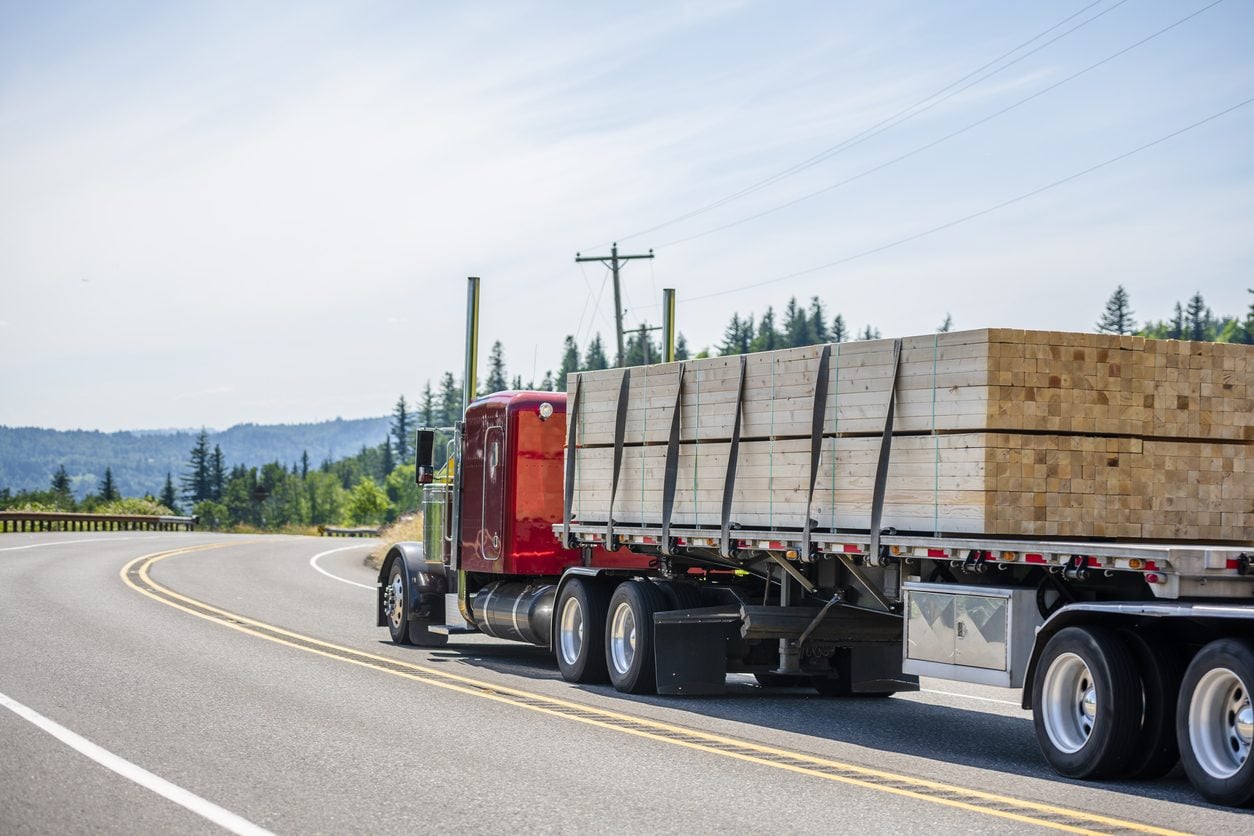
Hotshot operators run heavy duty pickups pulling gooseneck trailers carrying one to three vehicles. They are more expensive per vehicle than a full carrier but faster, because they are not waiting to fill ten slots, and they can reach addresses a 75 foot rig cannot.
Rollbacks, the tilting flatbed tow trucks, handle single vehicles and are the usual answer for a non running car over a short distance. Over a long one they are expensive, because you are paying for a whole truck.
Dry Vans, Reefers and Why You See Them
Two trailer types dominate the highways and neither carries cars, which is worth knowing simply because they are what most of the traffic around your vehicle actually is.
A dry van is the plain enclosed box behind most tractors. It carries palletized freight, it is weatherproof, and it is the default for general goods. It has nothing to do with vehicle transport, though people occasionally ask whether a car can travel in one; it can in a crate, and it is rarely worth it.
A refrigerated trailer, universally called a reefer, is a dry van with a temperature controlled unit on the nose. Those run food and pharmaceuticals and are the reason you hear a trailer idling at a truck stop overnight.
The reason this matters to a customer is capacity. Vehicle carriers compete for drivers and equipment with every other segment of trucking, so when general freight rates rise, car transport rates follow. It is the same pool of trucks and the same pool of drivers, and that connection explains a lot of seasonal movement in what you are quoted.
Which One Your Vehicle Needs
For an ordinary running car, an open two level carrier, and there is rarely a reason to pay for anything else.
For a collector car, fresh paintwork, a wrap or anything low, enclosed, and specify a lift gate if ground clearance is under about five inches. For a lifted truck, an open carrier bottom deck, and give the measured height rather than the factory figure.
For construction equipment, the machine’s weight and height pick between flatbed, step deck and lowboy, and that decision belongs with the carrier rather than with you. Our guide to wide and oversize loads covers the permit thresholds.
Common Questions
Why is open transport so much cheaper? One truck carries seven to ten vehicles, so the cost of the driver, fuel and equipment is spread across that many customers.
What does a lift gate do? It raises the vehicle level with the deck instead of using ramps, which removes the approach angle that damages low cars.
What is the difference between a flatbed and a step deck? A step deck drops the rear section about a foot lower, which keeps taller loads inside the legal height limit.
When is a lowboy needed? For tall, heavy machinery. It puts the deck 18 to 24 inches off the road so the load clears bridges.
Is a hotshot worth it? For a single vehicle in a hurry, or an address a full size rig cannot reach, frequently yes, though it costs more per vehicle.
Get a Quote
Call Ship A Car, Inc. at (866) 821-4555 with both zip codes and an accurate description of the vehicle or machine, including measured height if it is modified, or price the move with the instant calculator.