Should I Tow or Ship My Car?
Towing your own car makes sense far less often than people expect, and the reason is almost never the rental price. It is what towing does to the vehicle doing the pulling, what it demands of you for three days straight, and what happens if something goes wrong in the middle of Kansas. Price both honestly and the answer is usually clear.
What Towing Actually Involves
There are three ways to tow a car and they are not equivalent.
A tow dolly lifts the front wheels and lets the rear wheels roll. It is the cheapest option and it only works on front wheel drive vehicles, because towing a rear wheel drive car with its driven wheels turning damages the transmission.
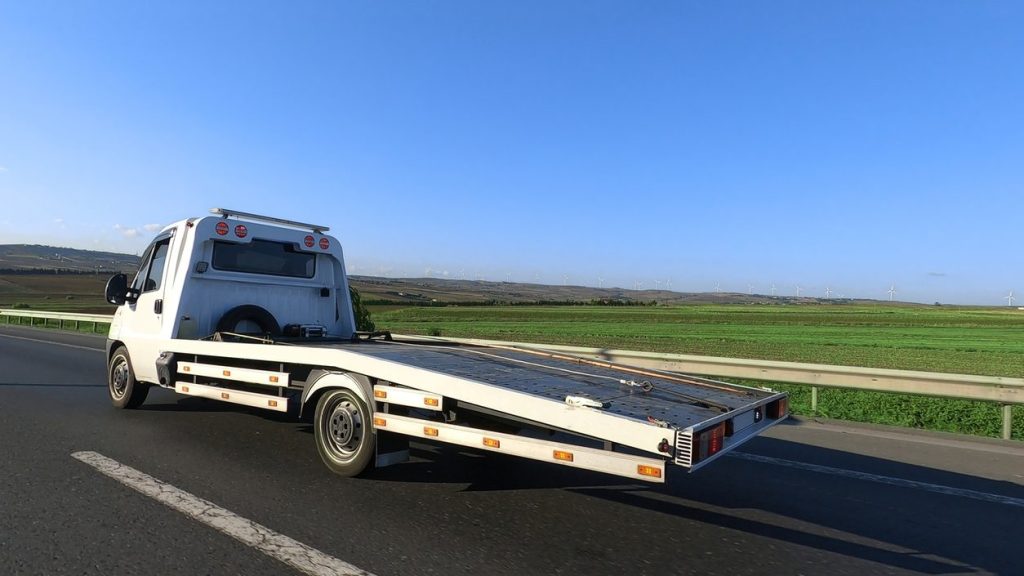
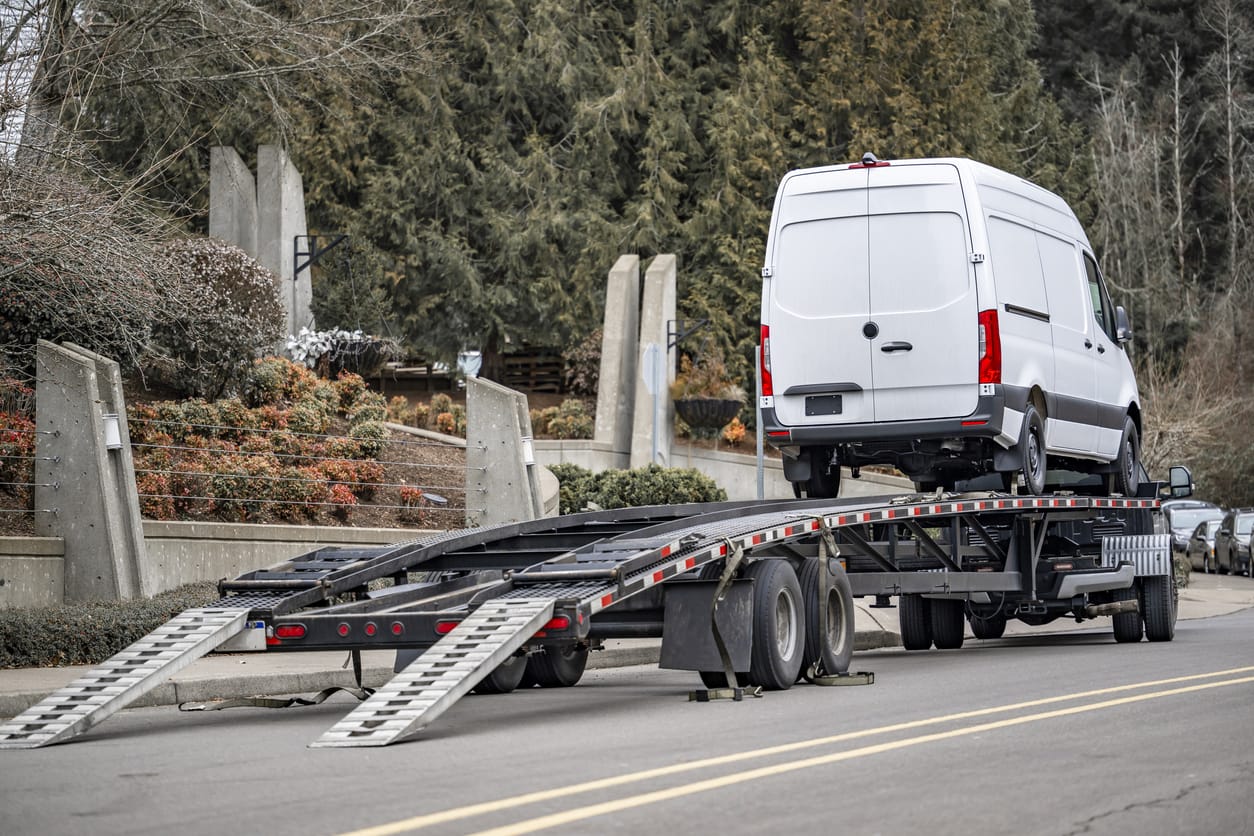
A car trailer carries all four wheels off the ground. It works on anything, including all wheel drive and inoperable vehicles, and it is the heaviest and most expensive option.
Flat towing, with all four wheels on the road behind a motorhome, only suits specific vehicles that the manufacturer has approved for it, and needs a base plate and braking system fitted. For a one-off move it is not a realistic option.
Your Tow Vehicle Is the Limiting Factor
This is where most towing plans quietly fall apart.
The number that matters is your vehicle’s tow rating, and it has to cover the trailer plus the car on it, not just the car. A car trailer alone is a substantial weight before anything is loaded. A mid size SUV that is rated to pull a boat is frequently not rated to pull a trailer with a sedan on it.
Tongue weight and hitch class matter too, and so does whether your vehicle has a transmission cooler. Towing near a limit in summer heat over long grades is how transmissions fail.
If you do not already own a vehicle that is genuinely rated for the job, the real comparison is not shipping against towing. It is shipping against renting a truck as well as a trailer.
The Costs People Leave Out
The rental quote is the small part.
Fuel economy drops sharply while towing, frequently by a third or more, and that applies to every mile of the trip. Add lodging for each night the drive actually takes at a sensible daily distance rather than a heroic one, and meals on the road.
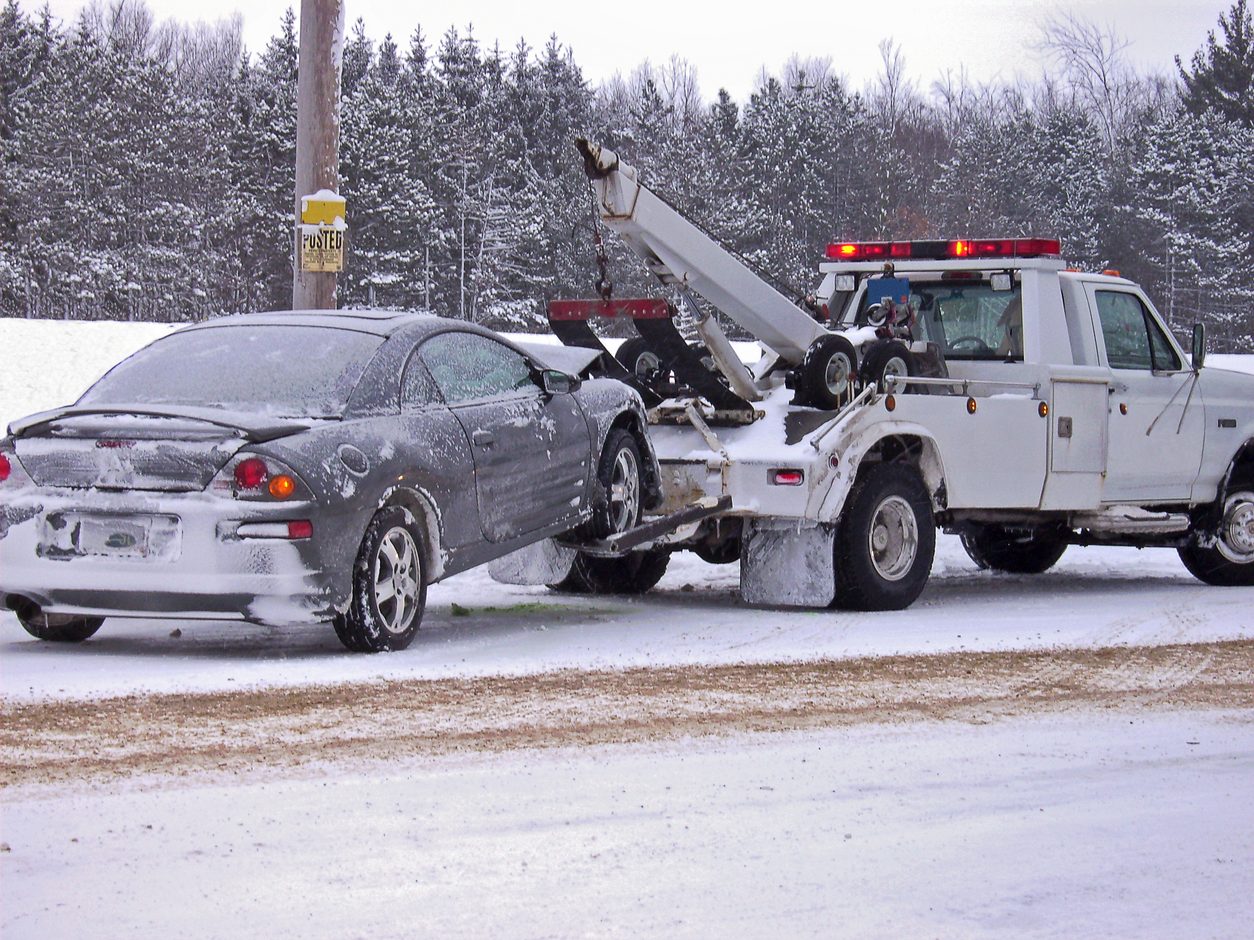
Then add wear on your own vehicle. A long tow is hard on a transmission, brakes and tires in a way that ordinary driving is not, and that cost is real even though no one invoices you for it.
Finally count your time. Three or four days of driving is three or four days not doing anything else, and for many people that is what settles the question.
The Risk Nobody Prices
Towing changes how a vehicle handles, and it takes practice that most people do not have.
Braking distances lengthen considerably. Crosswinds and passing trucks push a trailer around. Reversing with a trailer is genuinely difficult the first time, and fuel stops and parking become an exercise in finding somewhere with room to pull through.
Trailer sway is the failure mode that matters, and it is caused by loading, speed and wind rather than bad luck. If it starts at highway speed with an inexperienced driver, it can end badly.
And if something breaks, you are dealing with it. A blown trailer tire or an overheating transmission 500 miles from home on a Sunday is your problem to solve.
When Towing Is the Right Call
It genuinely is sometimes, and the cases have a pattern.
Short distances, where the whole job is a few hours rather than a few days. Situations where you already own a properly rated truck and a trailer, so the marginal cost really is just fuel. Moves where you are driving a rental truck full of household goods anyway and the trailer is a small addition to a trip you are already making.
And moves where the vehicle is worth little enough that you would rather absorb the risk than pay for professional transport.
What Shipping Gives You Instead
The carrier is insured for the vehicle in transit, the driver moves cars for a living, and you are not in the truck.
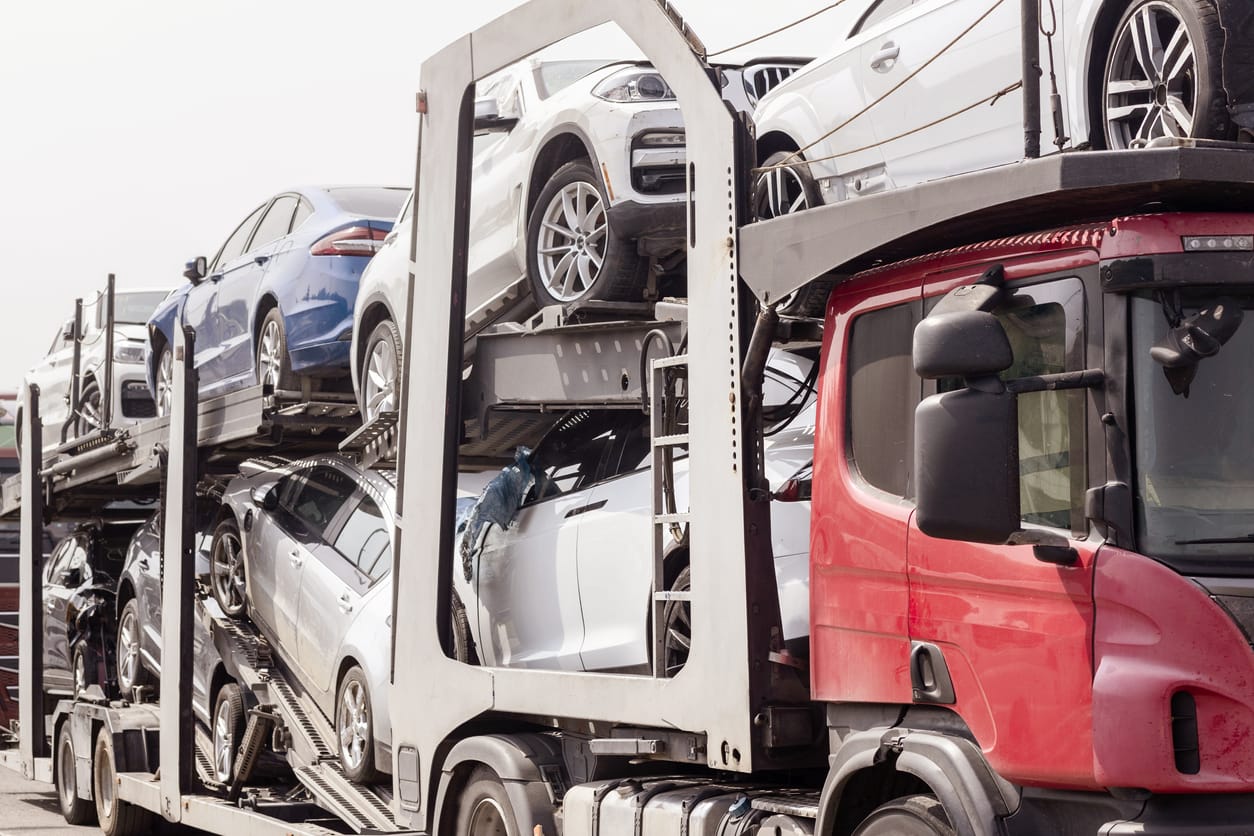
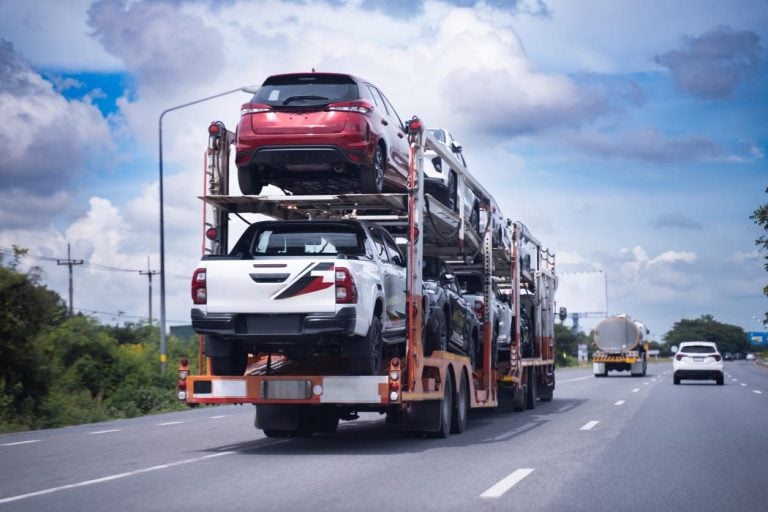
Open transport carries the overwhelming majority of cars and is right for an ordinary vehicle. Enclosed costs about a third more and earns it on a collector car, fresh paintwork or a wrap. Either way the vehicle arrives having covered the distance on a trailer rather than on its own tires.
The trade is control. You are working to the carrier’s schedule, delivery is a range rather than an appointment, and you need to be available at both ends or nominate someone who is.
How to Decide
Price the tow properly. Rental, fuel at the towing figure rather than your normal economy, lodging, meals, and an honest allowance for wear. Then check your tow rating against the trailer plus the car, not just the car.
Compare that against a shipping quote for the same lane and the same dates. On a short move with the right equipment already in the driveway, towing usually wins. On a multi day interstate run with a rented trailer, it usually does not. Our comparison of driving versus shipping when you move works through the same arithmetic for driving the car itself.
Common Questions
Can I tow any car on a dolly? No. A tow dolly suits front wheel drive vehicles. Rear wheel drive and all wheel drive cars need a full trailer.
How do I know if my vehicle can tow it? Check the tow rating against the trailer weight plus the car’s weight, and confirm the hitch class and tongue weight.
How much worse is fuel economy? Expect a drop of a third or more while towing, for the whole trip.
What is the biggest risk? Trailer sway at highway speed with an inexperienced driver, followed by transmission damage from towing near a limit.
When is towing clearly better? Short distances, or when you already own a properly rated truck and trailer and the marginal cost is fuel alone.
Get a Quote
Call Ship A Car, Inc. at (866) 821-4555 with both zip codes and your date range, or request an estimate for the move through the quote calculator.